
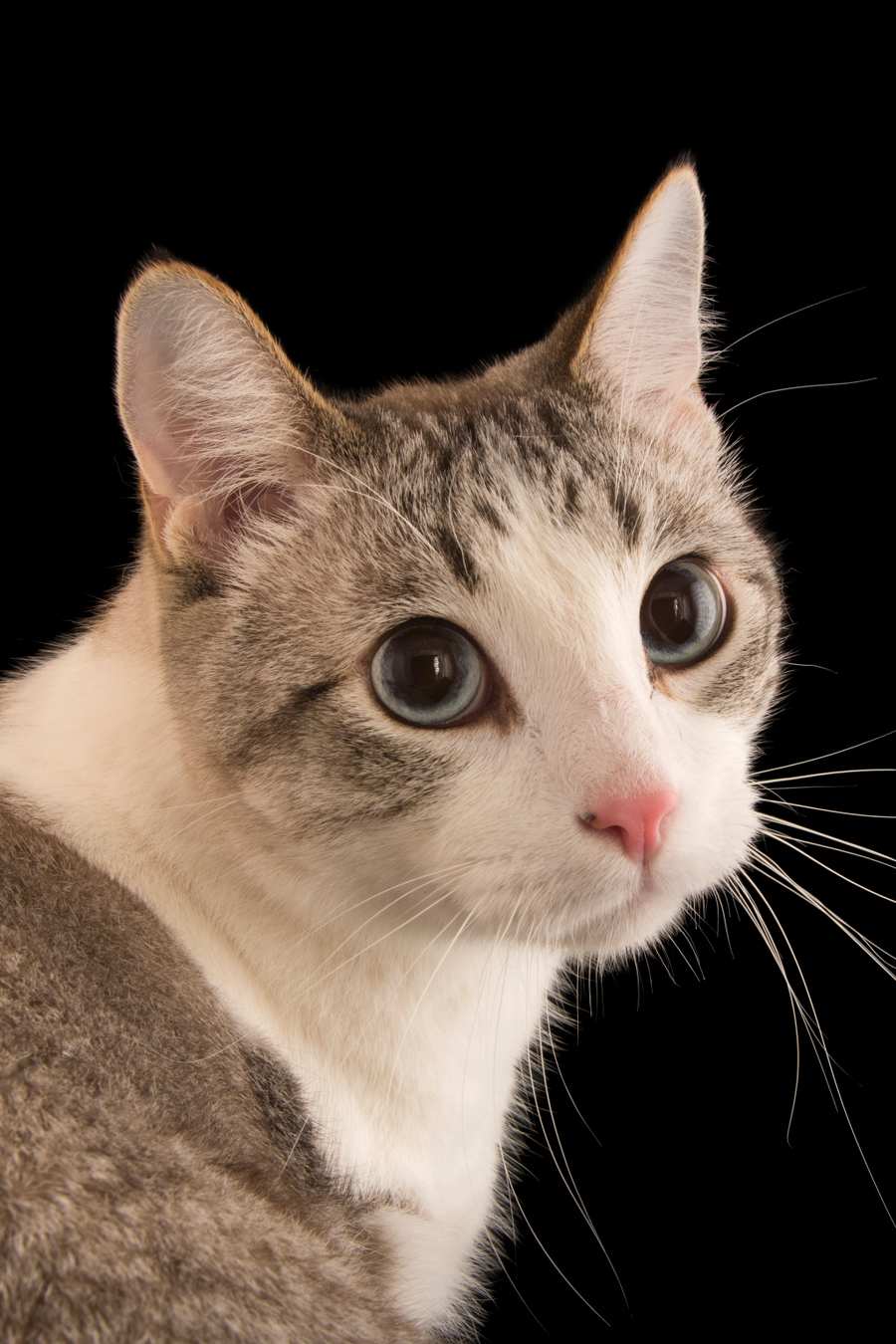
Cats are not allergic to chocolate cake, but chocolate is toxic to them.
Cats are fascinating creatures, and their dietary needs can often lead to confusion among pet owners. One common question that arises is, “Are cats allergic to chocolate cake?” While the immediate answer is no, it’s essential to delve deeper into why chocolate, a key ingredient in chocolate cake, poses a significant risk to our feline friends. Understanding the implications of feeding cats human food, especially something as rich and sugary as chocolate cake, can prevent serious health issues.
The Toxicity of Chocolate for Cats
Chocolate contains substances known as theobromine and caffeine. Both of these compounds are toxic to cats (and dogs) because they metabolize them much more slowly than humans do. While humans can enjoy a piece of chocolate cake without a second thought, for a cat, even a small amount can be dangerous. The severity of the reaction depends on several factors, including the type of chocolate consumed and the size of the cat.
Types of Chocolate and Their Toxicity Levels
Not all chocolates are created equal when it comes to toxicity. Here’s a breakdown:
| Type of Chocolate | Theobromine Content (mg/oz) | Toxicity Level for Cats |
|---|---|---|
| White Chocolate | 0.1 | Very Low |
| Milk Chocolate | 1.5 – 2.5 | Moderate |
| Dark Chocolate | 5 – 16 | High |
| Baking Chocolate | 15 – 25 | Very High |
| Cocoa Powder | 15 – 25 | Very High |
From this table, it’s clear that while white chocolate poses minimal risk due to its low theobromine content, dark and baking chocolates are significantly more dangerous. Even small amounts can lead to serious health problems.
Symptoms of Chocolate Poisoning in Cats
If a cat consumes chocolate or any dessert containing chocolate, it’s crucial to monitor for symptoms of poisoning. These symptoms may appear within a few hours and can include:
- Vomiting
- Diarrhea
- Increased heart rate
- Restlessness or hyperactivity
- Muscle tremors
- Seizures
If any of these signs occur after your cat has ingested chocolate cake or any other form of chocolate, seeking veterinary assistance immediately is vital.
The Role of Sugar in Chocolate Cake
While the primary concern with chocolate cake lies in its cocoa content, sugar also plays a role in its safety for cats. Cats don’t have a sweet tooth like humans do; they lack taste receptors for sweetness. Therefore, sugar isn’t something they need or enjoy. Regular consumption can lead to obesity and diabetes in cats.
Feeding your cat sugary treats like chocolate cake regularly can result in long-term health issues that may require medical intervention.
Cats and Human Food: A Risky Affair?
The idea of sharing food with pets often stems from love and affection. However, many human foods are unsuitable for cats due to their specific dietary requirements. Cats are obligate carnivores; their bodies thrive on protein from animal sources rather than carbohydrates found in many human foods.
Safe Treat Alternatives for Cats
Instead of risking your cat’s health with human desserts like chocolate cake, consider safer alternatives:
- Cooked chicken: A great source of protein.
- Fish: Tuna or salmon (in moderation) can be a tasty treat.
- Catnip: A natural herb that many cats love.
- Commercial Cat Treats: Look for options specifically formulated for feline consumption.
These alternatives not only satisfy your cat’s cravings but also provide essential nutrients without the risks associated with human food.
The Importance of Education on Pet Safety
Understanding what foods are safe or harmful is crucial for pet owners. Many people may not realize that certain common foods are toxic to pets until it’s too late. Education plays a key role in preventing accidental poisonings.
Resources such as veterinary advice websites or pet care books can provide valuable information about safe feeding practices. Keeping this knowledge at hand ensures that loving pet owners make informed decisions about their furry companions’ diets.
The Dangers of Feeding Pets Table Scraps
Feeding pets table scraps might seem harmless; however, it opens up several risks beyond just chocolate cake. Many foods we consume daily—like onions, garlic, grapes, and raisins—are also toxic to cats.
It’s easy to overlook these dangers when sharing food out of affection or habit. Instead of offering table scraps indiscriminately, it’s wise to stick with specially formulated pet foods that meet all nutritional needs without risking exposure to harmful ingredients.
Paw-sitive Practices for Cat Owners
Adopting safe practices ensures that pets remain healthy while enjoying some treats now and then:
1. Educate Yourself: Familiarize yourself with foods that are safe and unsafe for cats.
2. Label Reading: When purchasing commercial treats or food items labeled “cat-friendly,” always read ingredient lists carefully.
3. Portion Control: Treats should only make up a small percentage of your cat’s overall diet.
4. Consult Your Vet: Whenever uncertain about what’s safe for your cat’s diet, consulting with a veterinarian is always best.
These practices create an environment where both pets and owners thrive together without unnecessary risks.
Key Takeaways: Cats and Chocolate Cake
➤ Cats and Chocolate: Chocolate is toxic to cats, not an allergy concern.
➤ Toxicity Levels Vary: Dark and baking chocolates pose the highest risks.
➤ Watch for Symptoms: Signs of chocolate poisoning include vomiting and seizures.
➤ Sugar’s Role: Cats don’t need sugar; it can lead to obesity and diabetes.
➤ Safe Treat Alternatives: Offer protein-rich foods like chicken or fish instead.
➤ Safe Treat Alternatives: Offer protein-rich foods like chicken or fish instead.
Frequently Asked Questions: Are Cats Allergic To Chocolate Cake?
Are cats allergic to chocolate cake specifically?
Cats are not allergic to chocolate cake, but the chocolate in it is toxic. The main concern arises from the presence of theobromine and caffeine, which cats cannot metabolize effectively. This toxicity can lead to serious health issues if ingested. Symptoms of chocolate poisoning can manifest quickly, highlighting the importance of keeping chocolate products away from cats. Regularly feeding them such items could be harmful, even if they don’t show an immediate adverse reaction.
What should I do if my cat eats chocolate cake?
If your cat consumes chocolate cake, it’s crucial to act swiftly. Monitor for symptoms like vomiting, diarrhea, or increased heart rate. If any symptoms arise, contact your veterinarian immediately. Time is of the essence in such situations, as early intervention can significantly improve outcomes. Even if your cat seems fine initially, it’s wise to consult a vet because symptoms may develop hours later.
What are safer treat alternatives for cats instead of chocolate cake?
Instead of chocolate cake, consider safer treat alternatives that cater to a cat’s dietary needs. Options include cooked chicken, which provides essential protein, or fish, like tuna or salmon, offered in moderation. Additionally, catnip can be a fun and safe option. Commercial cat treats designed specifically for felines are also an excellent choice since they meet nutritional requirements without the risks associated with human food.
Why is sugar harmful to cats in foods like chocolate cake?
Sugar poses risks for cats primarily due to their unique dietary needs as obligate carnivores. Unlike humans, cats lack taste receptors for sweetness and have no need for sugar in their diet. Regular consumption of sugary foods can lead to obesity and diabetes over time. Therefore, feeding them human desserts like chocolate cake can result in long-term health issues that may require veterinary intervention.
How can I educate myself about safe foods for my cat?
Educating yourself about safe foods for your cat is vital for their health. Resources include veterinary websites and pet care books that provide comprehensive information on feline nutrition and toxic substances. Additionally, consulting with your veterinarian during regular check-ups can clarify what foods are appropriate for your pet. Staying informed helps prevent accidental poisonings and ensures you make the best dietary choices for your furry friend.
Conclusion – Are Cats Allergic To Chocolate Cake?
In summary, while cats aren’t allergic to chocolate cake per se, it’s crucial to understand that chocolate is toxic due to its theobromine content. The risks far outweigh any perceived benefits from sharing such treats with our feline companions. By sticking with appropriate foods designed specifically for cats and being aware of potential dangers lurking in our kitchens, we can ensure our beloved pets remain happy and healthy for years to come.
Being informed about what constitutes safe feeding practices allows pet owners not only to avoid toxic substances but also fosters stronger bonds through appropriate treat-sharing experiences tailored specifically for their furry friends’ well-being!