
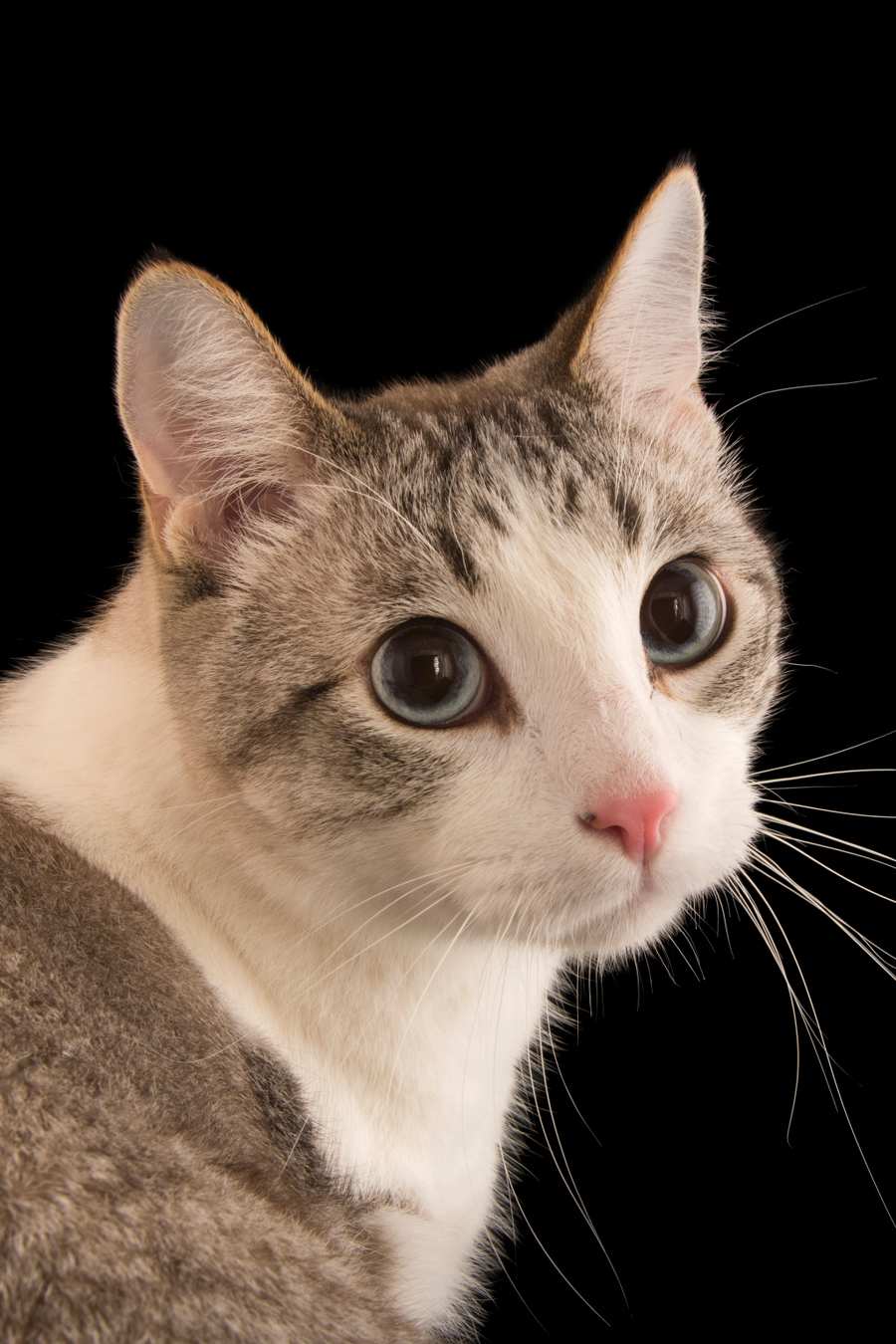
Cats are not allergic to chocolate milk, but it can be toxic due to the chocolate content.
Cats and chocolate have a long-standing reputation for being a dangerous combination. While the notion of cats being allergic to chocolate milk is common, it’s crucial to understand the underlying details. The primary concern isn’t an allergy; it’s toxicity. Chocolate contains theobromine, a compound that can be harmful, even fatal, to felines. As I delve deeper into this topic, I’ll explore why chocolate milk poses a threat to cats and what pet owners should know about their furry friends’ dietary restrictions.
The Composition of Chocolate Milk
Chocolate milk is a delightful beverage for many humans, combining the rich taste of chocolate with creamy milk. It typically contains:
- Cocoa powder: This is where the chocolate flavor comes from.
- Sugar: Sweetens the drink.
- Milk: Provides creaminess and essential nutrients.
- Additional flavorings: Sometimes, vanilla or other flavorings are added.
While this combination makes for a tasty treat for people, it raises concerns for cats. The key ingredient in chocolate milk that poses a risk is cocoa powder. It contains varying levels of theobromine and caffeine, both of which are toxic to cats.
The Risks of Theobromine
Theobromine is metabolized differently in cats than in humans. While humans can safely consume chocolate due to our ability to process theobromine efficiently, cats lack this capability. Even small amounts of chocolate can lead to serious health issues.
Symptoms of theobromine poisoning in cats include:
- Vomiting
- Diarrhea
- Increased heart rate
- Restlessness
- Tremors or seizures
In severe cases, ingestion can lead to death. Therefore, it’s essential for cat owners to keep any products containing chocolate away from their pets.
Why Cats Shouldn’t Drink Chocolate Milk
The question “Are Cats Allergic To Chocolate Milk?” often arises from misunderstandings about food allergies versus food toxicity. While cats may have food allergies—like many animals—they’re not specifically allergic to chocolate or its derivatives. Instead, they are at risk due to the toxic nature of these ingredients.
Cats are obligate carnivores, meaning their digestive systems are designed primarily for meat consumption. Their bodies lack the necessary enzymes to digest dairy effectively as well. Many adult cats are lactose intolerant, which means consuming milk can lead to gastrointestinal upset.
The Lactose Intolerance Factor
Lactose intolerance occurs when an animal lacks lactase, the enzyme needed to break down lactose (the sugar found in milk). Symptoms include:
- Bloating
- Gas
- Diarrhea
Combining lactose intolerance with the presence of toxic substances like theobromine creates a double whammy for cats consuming chocolate milk. It’s not only harmful because of its chocolate content but also problematic due to its dairy component.
Understanding Cat Nutrition
Cats thrive on a diet rich in proteins and fats with minimal carbohydrates. Their nutritional needs differ greatly from those of humans or even dogs. Recognizing what’s safe and healthy for them can prevent potential health issues.
Here’s a quick comparison table showing suitable foods versus harmful ones:
| Safe Foods | Harmful Foods |
|---|---|
| Cooked chicken | Chocolate (all forms) |
| Fish (cooked) | Caffeine (coffee, tea) |
| Cat food (high-quality) | Onions and garlic |
| Some fruits (like blueberries) | Dairy products (for lactose intolerant cats) |
This table highlights that while some foods can be beneficial for cats, others pose significant risks that should never be overlooked.
The Importance of Hydration
Water is vital for any pet’s health. Cats often don’t drink enough water on their own because they have evolved from desert-dwelling ancestors who obtained most of their hydration from prey. Ensuring adequate water intake helps prevent urinary tract issues and supports overall health.
Instead of offering treats like chocolate milk—which can harm them—providing fresh water daily is crucial. Some cat owners find that wet cat food helps increase hydration levels as well.
Alternatives to Chocolate Milk
If craving something special for your feline friend, there are safer alternatives available that cater specifically to their dietary needs without risking their health:
- Catnip tea: Brewed from dried catnip leaves; it’s safe and may even provide some enjoyment.
- Specialty cat milk: These products are lactose-free and designed specifically for cats.
- Bone broth: A nutritious option that many cats enjoy; just ensure it’s free from harmful ingredients like onions or garlic.
These options allow pet owners to treat their furry companions without jeopardizing their health or well-being.
Recognizing Signs of Toxicity
Pet owners must be vigilant about recognizing signs that their cat may have ingested something harmful like chocolate or chocolate milk. If there’s any suspicion of poisoning:
1. Monitor behavior: Changes in activity level or behavior could indicate distress.
2. Check for symptoms: Vomiting, diarrhea, or lethargy should prompt immediate action.
3. Contact a veterinarian: Quick action can save lives; never hesitate if there’s concern over potential poisoning.
Understanding these signs can make all the difference in ensuring prompt treatment if needed.
The Role of Education in Pet Care
Education plays a critical role in responsible pet ownership. Many people may not realize how dangerous certain human foods can be for pets until it’s too late. By spreading awareness about what foods are safe versus harmful—including clarifying misconceptions about allergies—pet owners can better protect their furry friends.
It’s important not just for individual pet owners but also within communities and among veterinary professionals to share knowledge about animal nutrition and safety practices consistently.
The Influence of Social Media on Pet Care Awareness
Social media has become an invaluable tool in educating pet owners about proper care practices and dietary needs through various platforms:
- Informative posts: Many veterinarians share tips on social media regarding safe foods and common myths surrounding pet care.
- Pet owner groups: Online communities allow discussions among pet owners where experiences and advice can be shared.
Leveraging these resources helps build a more informed pet-owning community which ultimately benefits pets everywhere by minimizing risks associated with unsafe foods like chocolate milk.
Key Takeaways: Cats and Chocolate Milk
➤ Cats are not allergic: The concern is toxicity, not an allergy to chocolate milk. ➤ Theobromine is harmful: This compound in chocolate can be fatal for cats. ➤ Lactose intolerance issues: Many cats can’t digest dairy, leading to upset stomachs. ➤ Safe alternatives exist: Options like catnip tea are safe and enjoyable for cats. ➤ Education is keyEducation is key
Frequently Asked Questions: Are Cats Allergic To Chocolate Milk?
Are cats allergic to chocolate milk, and what are the main concerns?
Cats are not specifically allergic to chocolate milk. The primary concern is not an allergy but rather toxicity due to the presence of chocolate. Chocolate contains theobromine, which is harmful to cats. Unlike humans, cats metabolize this compound poorly, making even small amounts potentially dangerous.
Ingesting chocolate can lead to serious health issues such as vomiting, diarrhea, and increased heart rate. It is vital for cat owners to avoid giving their pets any chocolate products, including chocolate milk, to prevent these risks.
What symptoms indicate that a cat has ingested chocolate milk?
If a cat consumes chocolate milk, several symptoms may manifest. Common signs include vomiting, diarrhea, and an increased heart rate. Additionally, the cat may exhibit restlessness or tremors.
In severe cases, seizures can occur, and the situation may escalate quickly. If you suspect your cat has ingested chocolate or any product containing it, immediate veterinary attention is crucial to ensure their safety and well-being.
What alternatives can I offer my cat instead of chocolate milk?
If you want to treat your cat without risking their health, consider safer alternatives. Options like catnip tea, which is safe and enjoyable for many cats, can be a delightful choice.
You can also look for specialty cat milk, which is lactose-free and formulated specifically for feline consumption. Another nutritious option is bone broth, as long as it does not contain harmful ingredients like onions or garlic.
How does lactose intolerance affect cats regarding dairy products?
Cats are often lactose intolerant due to a lack of the enzyme lactase, which breaks down lactose in dairy products. When lactose-intolerant cats consume dairy, they may experience gastrointestinal upset.
This can result in symptoms such as bloating, gas, and diarrhea. Given that many cats cannot digest dairy effectively, it’s advisable to avoid offering them products like chocolate milk that contain both lactose and toxic ingredients.
What should I do if I suspect my cat has ingested something toxic?
If you suspect that your cat has ingested something toxic like chocolate or chocolate milk, it’s essential to act quickly. First, monitor your cat’s behavior for any changes in activity levels or signs of distress.
If symptoms like vomiting or lethargy appear, contact your veterinarian immediately. Quick action can make a significant difference in treatment outcomes and potentially save your pet’s life.
Conclusion – Are Cats Allergic To Chocolate Milk?
In summary, while it’s commonly asked whether “Are Cats Allergic To Chocolate Milk?”, it’s essential to recognize that allergy isn’t the main concern here—it’s toxicity due to ingredients like cocoa powder and lactose intolerance issues associated with dairy products. Understanding these factors helps prevent potentially life-threatening situations while ensuring our feline friends receive appropriate nutrition tailored just for them.
Keeping our pets safe means being informed about what they consume daily—so steering clear of treats like chocolate milk is crucial! Instead, focusing on providing wholesome alternatives will keep those tails wagging happily without any health risks involved!