
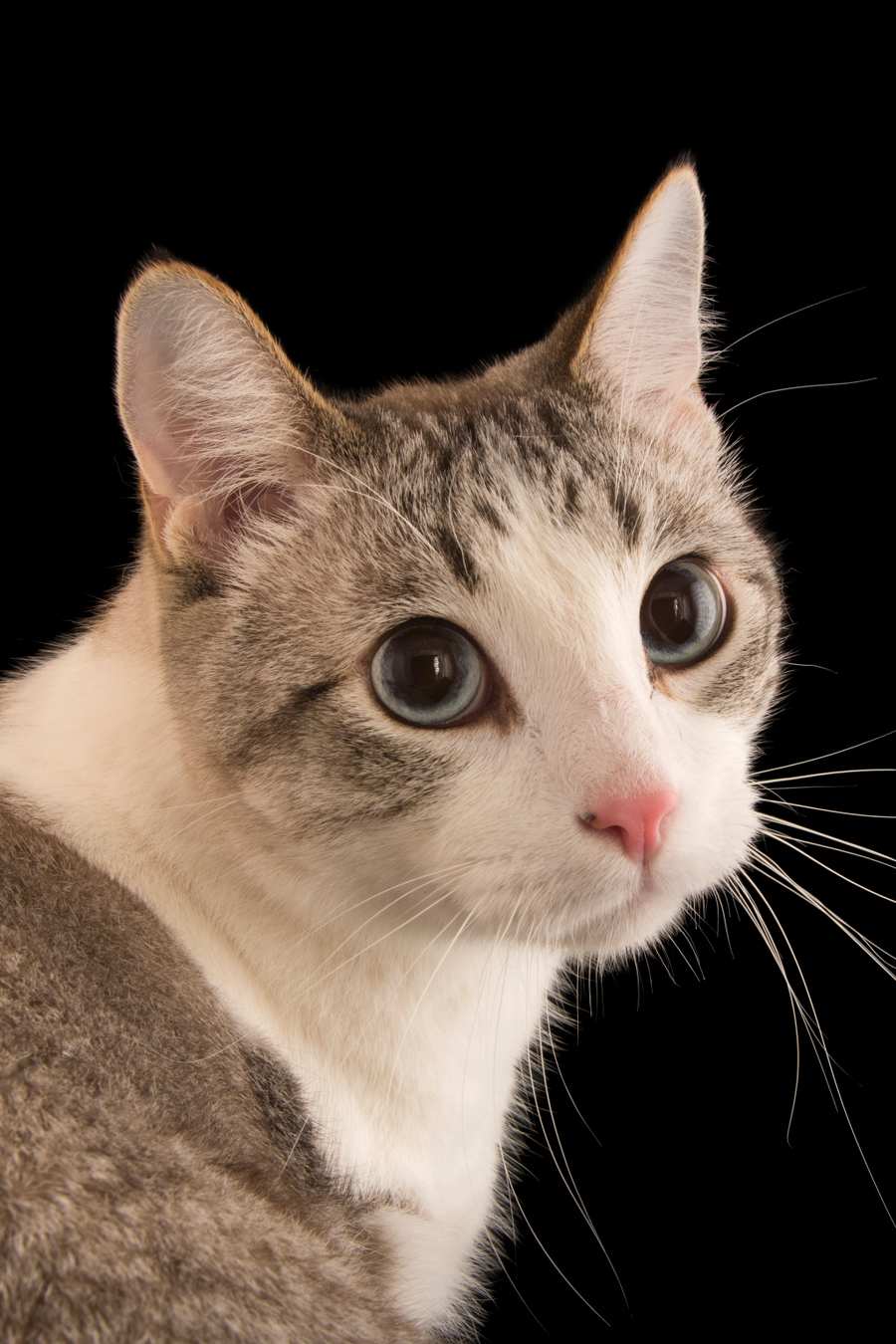
Cats can be allergic to chrysanthemums, leading to various symptoms that require attention.
Chrysanthemums, often referred to as “mums,” are a popular choice for gardens and floral arrangements. Their vibrant colors and hardy nature make them a favorite among plant enthusiasts. However, for cat owners, there’s an important question to consider: Are cats allergic to chrysanthemums? It’s crucial to understand how these beautiful flowers can affect feline health.
Cats, like many animals, can have allergies or sensitivities to various substances, including certain plants. Chrysanthemums contain compounds that can be toxic to cats. This article dives deep into the relationship between cats and chrysanthemums, exploring the symptoms of allergies, what makes these flowers potentially harmful, and how to keep our furry friends safe.
Understanding Plant Toxicity in Cats
Plant toxicity is a significant concern for pet owners. Cats are naturally curious creatures. They explore their environment by sniffing and sometimes chewing on plants. Unfortunately, not all plants are safe for them. Toxic plants can cause symptoms ranging from mild gastrointestinal upset to severe reactions that may require veterinary intervention.
Chrysanthemums belong to the Asteraceae family and contain pyrethrins—natural insecticides that can lead to adverse reactions in cats. These compounds are primarily found in the flowers and leaves of the plant. Knowing whether a plant is safe or toxic is essential for any cat owner.
Common Symptoms of Chrysanthemum Allergies
If a cat has an allergy or sensitivity to chrysanthemums, several symptoms may appear. Recognizing these signs early can help in managing your cat’s health effectively. Here’s a list of common symptoms associated with chrysanthemum allergies:
- Vomiting: Cats may vomit if they ingest parts of the chrysanthemum.
- Diarrhea: Gastrointestinal upset can occur.
- Skin Irritation: Contact with the plant may cause rashes or itching.
- Lethargy: Affected cats might show decreased energy levels.
- Loss of Appetite: Cats may refuse food due to discomfort.
- Pawing at Mouth: This behavior indicates irritation or discomfort.
If any of these symptoms arise after exposure to chrysanthemums, it’s advisable to consult a veterinarian promptly.
Why Are Chrysanthemums Harmful?
The toxicity of chrysanthemums is primarily due to their chemical composition. Pyrethrins are not only harmful when ingested but can also cause reactions through skin contact or inhalation. When cats encounter these flowers, they might chew on them out of curiosity or playfulness.
The severity of the reaction varies depending on several factors:
- The Amount Ingested: A small nibble might cause mild symptoms, while larger quantities could lead to more severe reactions.
- The Cat’s Health Status: Kittens or older cats with pre-existing health conditions might be more susceptible.
- The Individual Cat: Just like humans, every cat has a unique immune system; some may react more strongly than others.
Understanding these factors helps in assessing risk when introducing new plants into a home where cats live.
A Closer Look at Pyrethrins
Pyrethrins are naturally occurring insecticides derived from chrysanthemum flowers. While they are effective against pests in gardens and homes, they pose risks for pets. When ingested by cats, pyrethrins can lead to neurological issues and gastrointestinal distress.
Here’s a brief overview of how pyrethrins affect cats:
| Effect | Description |
|---|---|
| Nausea | Cats may vomit or show signs of discomfort after ingesting pyrethrins. |
| Tremors | Nervous system involvement can lead to muscle tremors or spasms. |
| Drowsiness | Cats might appear lethargic or unresponsive due to neurological effects. |
| Aggression | Affected cats could display unusual aggression due to discomfort. |
| Seizures | In severe cases, seizures may occur as a result of toxicity. |
This table highlights the potential effects that pyrethrins have on feline health and emphasizes why caution is necessary when it comes to chrysanthemums around cats.
Preventing Exposure: Keeping Cats Safe from Chrysanthemums
Creating a safe environment for pets involves careful planning and consideration regarding household plants. Here are some practical steps that can help prevent exposure:
- Avoid Planting Mums: If you have cats at home, it’s best not to plant chrysanthemums in your garden or keep them indoors as houseplants.
- Educate Yourself: Familiarize yourself with other toxic plants; knowledge is power when it comes to pet safety.
- Create Barriers: If you must have chrysanthemums for aesthetic reasons, consider placing them in areas inaccessible to your pets.
- Select Cat-Safe Plants: Opt for non-toxic plants like spider plants or Boston ferns that won’t harm your furry friends if ingested.
Being proactive about plant choices helps ensure that our feline companions remain healthy and happy.
The Role of Veterinary Care in Plant Toxicity Cases
If there’s ever doubt about whether a plant is safe for your pet or if an incident occurs involving potential poisoning, seeking veterinary care promptly is crucial. Veterinarians play an essential role in diagnosing and treating cases related to plant toxicity.
They will typically perform the following actions:
- Elicit Information: The vet will ask about exposure details—what was ingested and how much—to determine appropriate treatment.
- Treat Symptoms: Treatment may involve inducing vomiting if ingestion was recent or providing supportive care such as IV fluids if dehydration occurs from vomiting or diarrhea.
- Psychoactive Medications: In cases where neurological signs are present (like tremors), medications may be administered for stabilization.
The importance of being vigilant cannot be overstated; timely action can make all the difference in outcomes.
Caring for Cats Post-Exposure
If you suspect your cat has been exposed to chrysanthemums but hasn’t shown immediate symptoms, monitoring becomes vital. Keeping an eye on their behavior over the next few hours is essential.
Here’s what should be done:
- Create Comfort Zones: Make sure your cat has a quiet space where they feel safe while recovering from any potential exposure effects.
- Mild Diet Changes: Offer bland food options like boiled chicken or rice if gastrointestinal upset occurs; this gentle approach helps ease digestive distress without overwhelming their system.
- Mental Stimulation: Engage them with toys (that aren’t made from potentially harmful materials) during recovery—keeping their minds active helps alleviate stress related directly or indirectly caused by exposure incidents!
Being attentive during this phase ensures both physical comfort and emotional support as they recover from any discomfort experienced.
The Importance of Regular Veterinary Check-Ups
Regular veterinary check-ups provide an opportunity for preventive care tailored specifically toward maintaining optimal feline health over time! During these visits:
- Paw-sitive Reinforcement!: Veterinarians assess overall wellness while discussing dietary needs based on age/weight ratios—this proactive approach fosters long-term well-being!
- Toxic Plant Education!: Discuss potential risks associated with household plants; staying informed allows owners greater peace-of-mind when navigating indoor gardening hobbies alongside beloved fur babies!
By prioritizing regular vet visits along with open communication about environmental hazards (like toxic flora), responsible pet ownership becomes second nature!
Key Takeaways: Cats and Chrysanthemums
➤ Cats Can Be Allergic: Some cats may show allergic reactions to chrysanthemums.
➤ Recognize Symptoms Early: Watch for vomiting, diarrhea, and skin irritation.
➤ Toxic Compounds Present: Chrysanthemums contain pyrethrins that can harm cats.
➤ Create Safe Spaces: Keep chrysanthemums out of reach to protect your pets.
➤ Consult a Vet Promptly: Seek veterinary help if your cat shows signs of distress.
➤ Consult a Vet Promptly: Seek veterinary help if your cat shows signs of distress.
Frequently Asked Questions: Are Cats Allergic To Chrysanthemums?
What are the common symptoms of chrysanthemum allergies in cats?
Cats allergic to chrysanthemums may exhibit various symptoms that can indicate a reaction. Vomiting is a frequent sign, often occurring after ingestion of the plant. Additionally, diarrhea may develop, leading to gastrointestinal distress. Skin issues such as irritation or rashes can also arise from contact with the flowers.
Other symptoms include lethargy, where the cat appears more tired than usual, and a loss of appetite, which may be due to discomfort. If your cat is seen pawing at its mouth, this could indicate irritation. Recognizing these signs promptly is essential for effective management and care.
How can I keep my cat safe from chrysanthemums?
To ensure your cat’s safety from chrysanthemums, it’s advisable to avoid planting them in your garden or keeping them indoors. Educating yourself about toxic plants is crucial; knowing which plants are harmful helps prevent accidental exposure.
If you desire chrysanthemums for aesthetic purposes, consider placing them in areas inaccessible to your pets. Opting for non-toxic plants, such as spider plants or Boston ferns, provides a safer alternative that won’t harm your feline friend if ingested. Proactive measures ensure a safe environment for your pets.
What should I do if my cat has been exposed to chrysanthemums?
If you suspect that your cat has been exposed to chrysanthemums, monitoring their behavior closely is critical. Create a quiet and comfortable space for them to recover while observing any potential symptoms that may arise.
If gastrointestinal upset occurs, offering bland food options like boiled chicken or rice can help ease their digestive distress. Engaging them with safe toys during recovery can also provide mental stimulation and alleviate stress, ensuring they feel supported during this time.
What are pyrethrins and how do they affect cats?
Pyrethrins are natural insecticides found in chrysanthemums that can be toxic to cats. When ingested, these compounds can lead to serious health issues including gastrointestinal distress and neurological problems. Symptoms such as nausea and vomiting are common reactions.
Cats may also experience muscle tremors or spasms due to nervous system involvement. In severe cases, exposure could lead to lethargy or even aggressive behavior stemming from discomfort. Understanding these effects emphasizes the importance of keeping chrysanthemums out of reach of pets.
When should I consult a veterinarian about my cat’s exposure to chrysanthemums?
If you notice any symptoms after your cat has been exposed to chrysanthemums, seeking veterinary care promptly is crucial. The veterinarian will inquire about the specifics of the exposure—what was ingested and how much—to assess the situation accurately.
Treatment may involve inducing vomiting if ingestion occurred recently or providing supportive care such as IV fluids if dehydration results from vomiting or diarrhea. Quick action can significantly impact the outcome of potential poisoning cases involving toxic plants like chrysanthemums.
The Final Word: Are Cats Allergic To Chrysanthemums?
Navigating the world of pet ownership requires vigilance—especially regarding household items like plants! Understanding whether cats are allergic to chrysanthemums is crucial for ensuring their safety within our homes!
While not all felines will react adversely upon exposure—many will experience negative consequences stemming from contact/ingestion—it’s always better safe than sorry! By educating ourselves about potential hazards while fostering environments free from dangerous flora we pave pathways toward happier healthier lives together!
Ultimately being proactive ensures both humans & animals enjoy flourishing relationships without unnecessary risks posed by toxic substances—including those lurking within seemingly innocent floral arrangements!