
Every cat owner knows the struggle: you want to bring the outdoors in with lush, vibrant plants, but a single nibble from your curious feline could mean a trip to the vet. The worry is real, but the solution doesn’t have to be a bare, sterile home. There is a whole world of stunning, air-purifying greenery that cats can safely explore, and with the right choices, you can create a jungle your kitty can actually live with.
I’m Mo Mahin — the founder and writer behind Furric. I’ve spent months combing through veterinary toxicology lists, nursery certifications, and thousands of real owner testimonials to separate the truly safe plants from the ones that only claim to be.
After extensive research into non-toxic foliage, these are the definitive best houseplants for cats that best balance stunning beauty and genuine cat safety for any home.
How To Choose The Best Houseplants For Cats
Not every plant labeled “pet friendly” is equally safe. Some cause mild stomach upset, while others lead to serious kidney issues. Your first filter must be the ASPCA’s toxic and non-toxic plant list — if a seller doesn’t mention it, ask. Beyond toxicity, consider your cat’s habits: diggers need heavy pots, jumpers need hanging baskets, and nibblers need tough leaves that won’t tear easily. Light and water needs matter too — a plant that struggles will attract more attention from a bored cat.
Verifying the “Non-Toxic” Claim
Many big-box retailers mislabel plants. Always cross‑check the scientific name on the ASPCA database or the Pet Poison Helpline. “Indoor palm” can mean anything from a safe parlor palm to a toxic sago palm. When in doubt, choose plants from the confirmed list: Calatheas, Marantas, most palms (except sago), Peperomias, and true ferns.
Matching Plant Habits to Cat Behavior
A cat that loves to dig will knock over a lightweight nursery pot. Opt for ceramic or terra cotta with a wide base. If your cat tends to nibble, seek plants with thick, waxy leaves (like hoyas or succulents) that are harder to chew through. For vertical climbers, secure trailing plants like spider plants in wall-mounted pots — they’ll delight your cat while staying out of easy reach.
Quick Comparison
On smaller screens, swipe sideways to see the full table.
| Model | Type | Best For | Key Feature | Amazon |
|---|---|---|---|---|
| Cat Palm | Tropical Palm | Large floor plant | Feathery, non-toxic fronds | Amazon |
| Majesty Palm | Tropical Palm | Statement floor plant | 32–36 in tall, easy care | Amazon |
| Catmint ‘Walkers Low’ | Perennial | Outdoor cat garden | Attracts pollinators, cat-approved | Amazon |
| Succulent 3‑Pack | Succulents | Low‑maintenance desk plants | Pet‑safe varieties in ceramic pots | Amazon |
| Calathea Concinna | Tropical | Air purifying, medium light | Broad patterned leaves, safe | Amazon |
| Ponytail Palm | Succulent | Bonsai‑style, drought‑tolerant | Water‑storing trunk, slow growth | Amazon |
| Lemon Lime Prayer Plant (Thorsen’s) | Maranta | Compact, low‑light friendly | Leaves fold at night, ASPCA listed | Amazon |
| Spider Plant Variety Pack | Chlorophytum | Hanging baskets, easy propagation | 4 unique varieties, air purifying | Amazon |
| Lemon Lime Prayer Plant (Hopewind) | Maranta | Desk or shelf plant | 12–16 in tall, ready to display | Amazon |
| Parlor Palm | Palm | Low‑light corners | Feathery fronds, very forgiving | Amazon |
| Cat Grass Kit | Wheatgrass | Digestion aid, active cats | Complete kit with planter & tools | Amazon |
In-Depth Reviews
1. American Plant Exchange Cat Palm
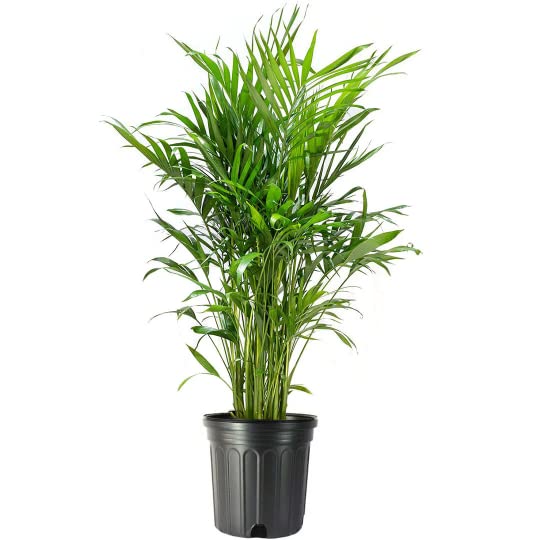
This is the full, lush palm that turns a bare corner into a jungle retreat — without a single worry about your cat’s curiosity. The Cat Palm (Chamaedorea cataractarum) produces soft, arching fronds that cats love to brush against, yet it’s completely non-toxic. It thrives in bright, indirect light and asks only for regular watering. The 10‑inch pot is substantial enough to resist tipping by even the most enthusiastic feline explorer.
What makes this the top pick is its balance of size, safety, and air‑purifying power. At delivery it stands around 2 feet, but with proper care it can reach 6 feet indoors. The fronds are dense and feathery, offering great visual texture while filtering formaldehyde and benzene from your air. Cat owners who’ve placed it in living rooms report that their cats sniff, rub, and occasionally bat at the leaves — and no negative reactions.
For cat families who want a showpiece that’s also a natural air filter, the Cat Palm is the clear winner. It’s forgiving enough for beginners yet dramatic enough to anchor a room.
Why we love it
- ASPCA-listed non-toxic – safe for nibblers
- Large, lush fronds create instant tropical vibe
- Air-purifying and easy to care for
Good to know
- Needs consistent moisture – do not let soil dry completely
- Prefers humid environments; may need misting in dry homes
2. United Nursery Majesty Palm
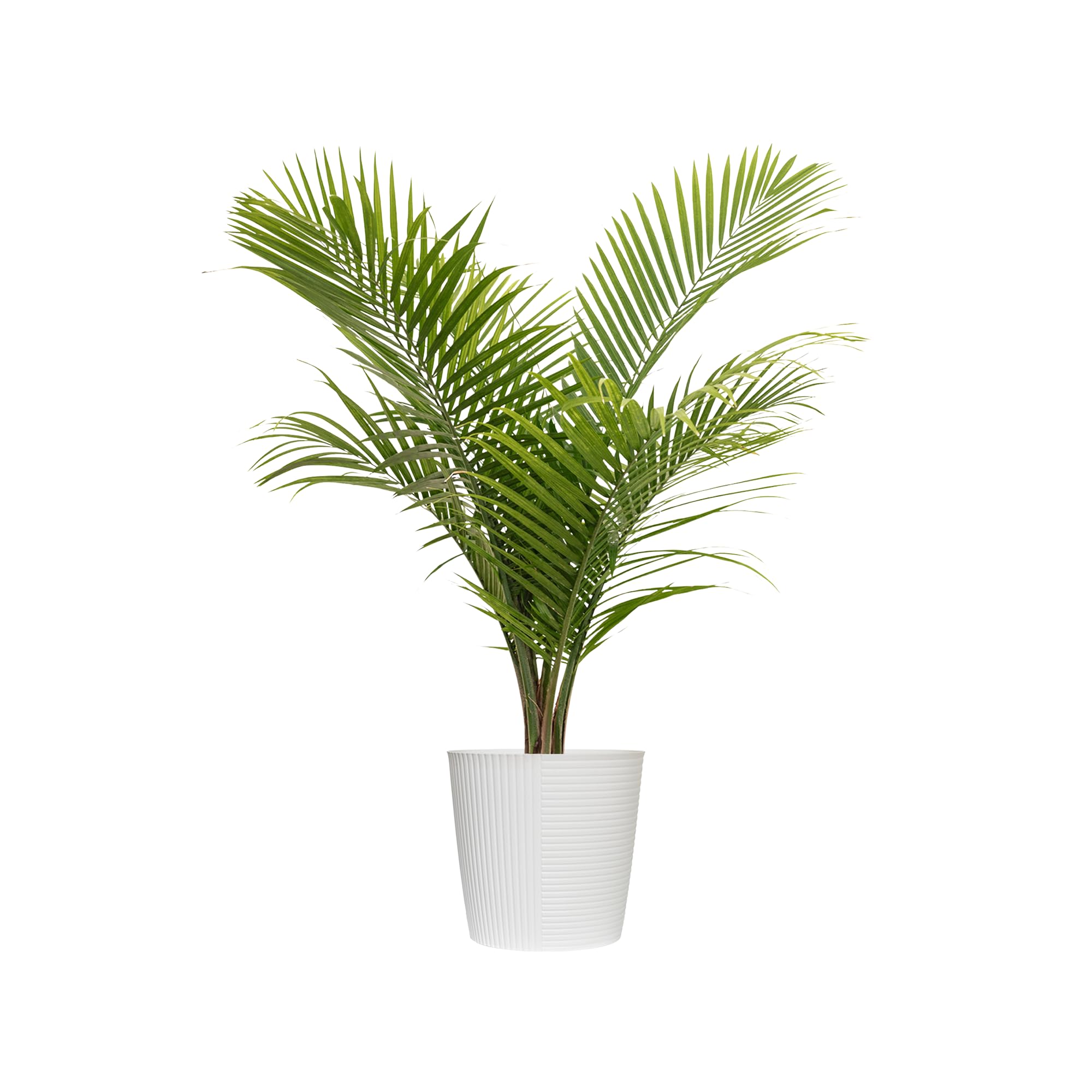
If you need a tall, dramatic statement piece that’s 100% cat-safe, the Majesty Palm delivers. It arrives 26–32 inches tall in a beautiful 10‑inch white decorative pot — no repotting needed. The feathery green fronds cascade outward, creating a soft canopy that cats can safely explore. This palm is non-toxic to both cats and dogs, as confirmed by the ASPCA.
Majesty Palms are known for their fast growth and air-purifying abilities. They thrive in bright, indirect light and need watering about once a week. The big plus for cat owners: the fronds are too high for most cats to reach when the plant is placed on the floor, reducing temptation. Owners who have this plant in their entryways or living rooms praise how it freshens the air without taking up floor space.
One caveat: Majesty Palms are a bit thirstier than other palms. If you tend to underwater, consider adding a moisture meter. But for cat parents who want a “wow” factor with zero toxicity risk, this is an excellent choice.
Why we love it
- Large size instantly fills empty floor space
- ASPCA non-toxic for cats and dogs
- Comes in a decorative pot ready to display
Good to know
- Needs consistent watering – prefers moist soil
- May drop lower leaves if light is too low
3. Greenwood Nursery Catmint ‘Walkers Low’
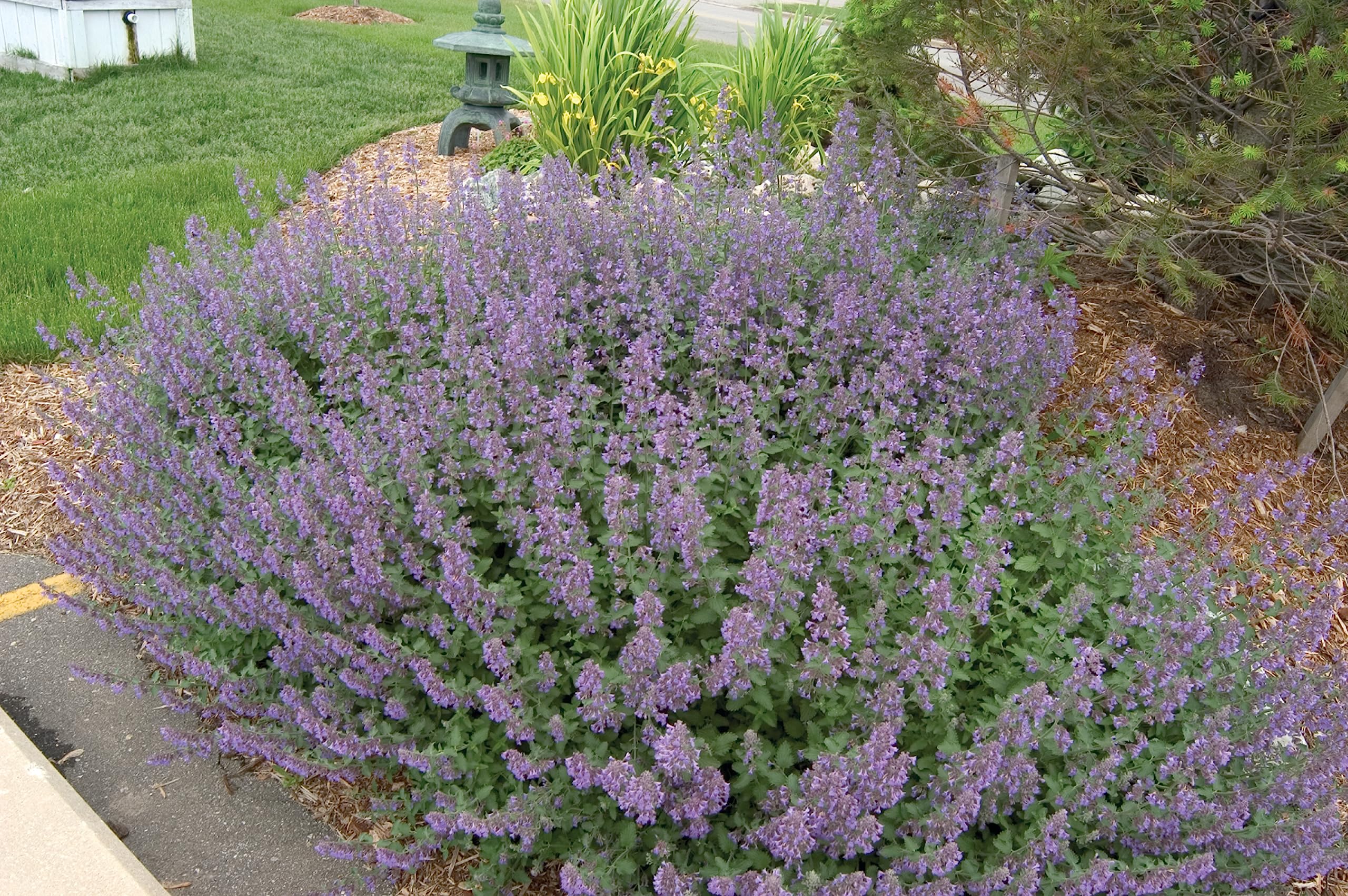
Catmint is the ultimate outdoor treat for your feline — a safe, intoxicating plant that makes cats roll, rub, and purr with joy. This ‘Walkers Low’ variety produces mounds of lavender-blue flowers that bees and butterflies adore, while the foliage contains nepetalactone, the compound that triggers a euphoric response in most cats. It’s completely non-toxic and even helps deter mosquitoes.
This perennial thrives in full sun and well-drained soil, reaching about 2–3 feet tall. It’s drought-tolerant once established, making it a low-effort addition to a catio or garden. The 2‑pack gives you enough to create a small cat-friendly patch. Feline guardians who planted this report their cats spending hours lounging and nibbling the leaves without any harm.
While it’s primarily an outdoor plant, you can grow it indoors in a sunny window. It’s an excellent way to give your cat a legal “high” that’s actually good for them. Perfect for catios, balconies, or sunny borders.
Why we love it
- Cats adore it – natural, safe euphoria
- Drought-tolerant and easy to grow
- Attracts pollinators to your garden
Good to know
- Primarily outdoor – needs plenty of sunlight
- May spread if not pruned
4. Plants for Pets Succulent 3‑Pack

If you want a set of tiny, safe succulents that are impossible to overwater, this 3‑pack is a fantastic starting point. The assortment includes Gasteria, Haworthia, and a small cactus — all of which are non-toxic to cats. Each plant arrives in a 2.5‑inch ceramic white pot with pebbles on top, making them instantly giftable and decor-ready. These succulents thrive in low light and need very little water.
Cat owners appreciate that the thick, fleshy leaves are less tempting to bite than soft foliage. The compact size makes them perfect for shelves, desks, or windowsills where a cat might brush against them. One feline enthusiast noted that her cat occasionally paws at the pebbles but leaves the leaves alone. The set comes with a mix of textures and shapes, adding visual interest.
For offices or rooms with minimal natural light, these succulents are a no-brainer. They’re forgiving, safe, and require almost no maintenance — ideal for busy cat parents who still want a touch of green.
Why we love it
- Three different pet-safe succulents in one set
- Cute ceramic pots included
- Thrives in low light with minimal watering
Good to know
- Plants are small – better for desk or shelf
- Assortment varies, you may not get all types shown
5. Shop Succulents Calathea Concinna
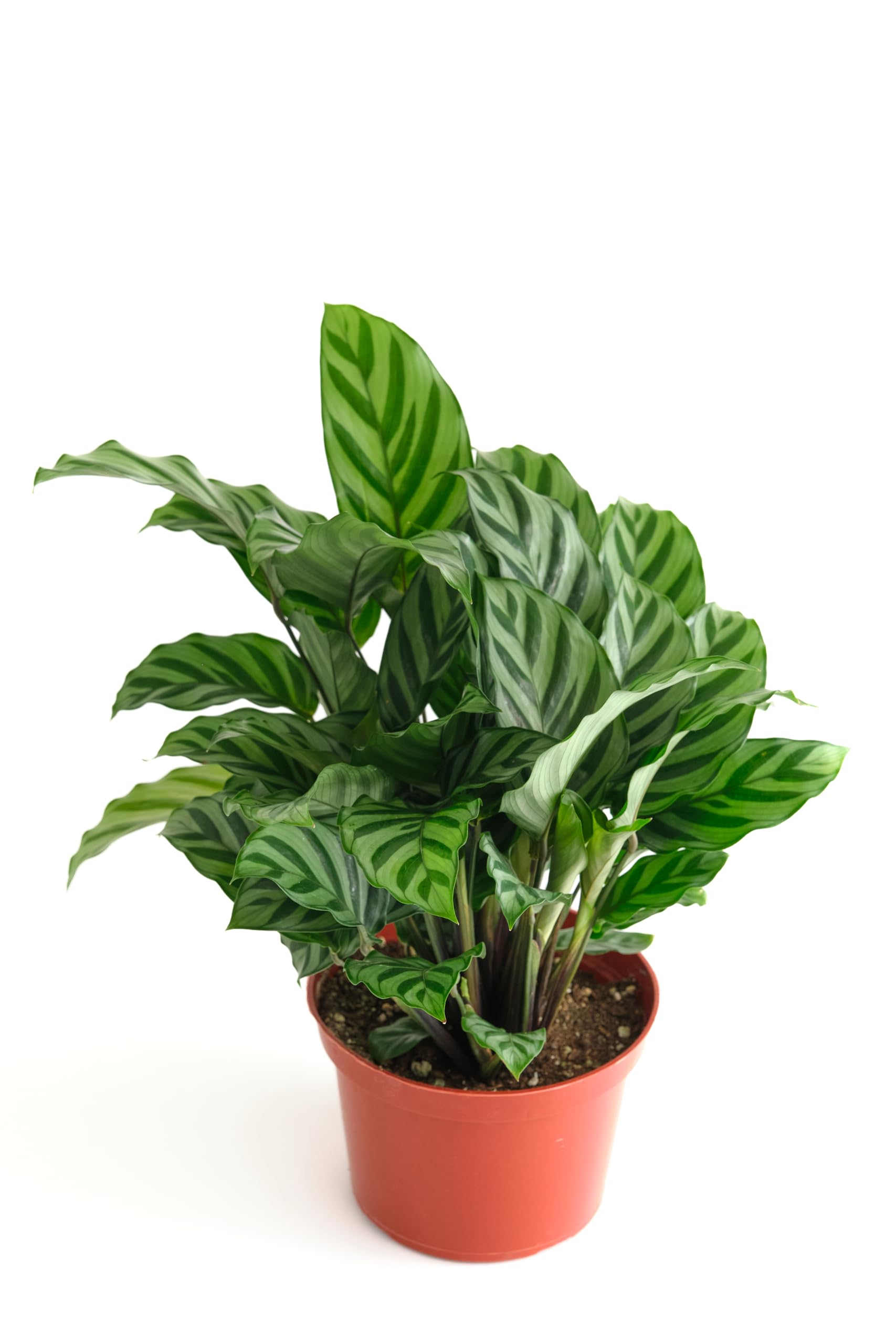
Calatheas are renowned for their stunning leaf patterns and are completely non-toxic to cats. The Calathea Concinna, also called the Freddie Plant, features broad, oval leaves with subtle green stripes that open and close with daylight. It arrives in a 6‑inch nursery pot, standing about 1–2 feet tall. This plant is a natural air purifier and thrives in medium to low indirect light.
What sets this Calathea apart is its ease of care compared to other Calatheas. It enjoys moderate watering and higher humidity, but it’s more forgiving than its picky cousins. Cat owners report that their cats show mild curiosity but rarely nibble, likely because the leaves are tough and smooth. The rhythmic leaf movement fascinates some cats — a safe source of entertainment.
If you want a statement plant with bold foliage that’s absolutely safe, the Concinna is a solid mid-range choice. It brings a touch of the tropics without the toxicity worry.
Why we love it
- Stunning striped leaves, moves with light
- Non-toxic and air-purifying
- More forgiving than other Calatheas
Good to know
- Needs humidity – place near a humidifier or pebble tray
- Can get crispy edges if under-watered
6. United Nursery Ponytail Palm
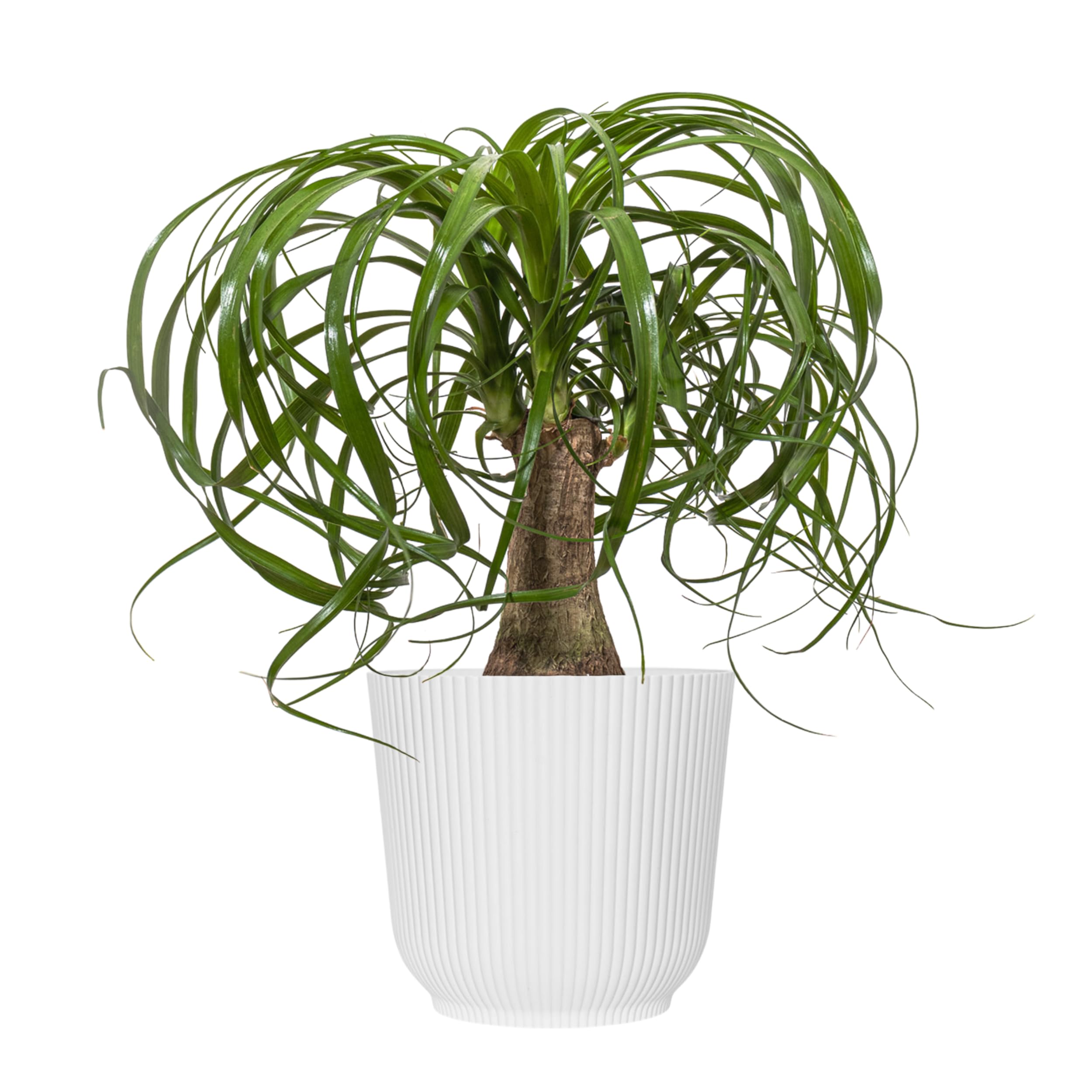
Don’t let the name fool you — the Ponytail Palm is actually a succulent with a thick, water-storing trunk and cascading leaves that curl like a ponytail. It’s completely non-toxic to cats and dogs, making it a safe, sculptural addition to any room. The plant arrives 14–16 inches tall in a 6‑inch white decorative pot, giving it a modern, bonsai-like look.
This plant thrives on neglect — it needs bright light but can handle some low light, and watering only when the soil is bone dry (every 2–3 weeks). The chunky trunk stores moisture, so overwatering is the main risk. Cat owners love that the leaves are too high for most cats to reach, and the trunk is tough enough to resist scratching. One multi-cat household shared that their cats completely ignore it.
For a quirky, low-maintenance plant that will last for years indoors, the Ponytail Palm is a fantastic conversation piece. Its slow growth means it’s a long-term companion that won’t outgrow your space quickly.
Why we love it
- Unique, sculptural form – looks like a mini tree
- Extremely drought-tolerant – perfect for forgetful waterers
- Non-toxic and ignored by most cats
Good to know
- Needs bright light to maintain its shape
- Can be top-heavy if pot is too small
7. Thorsen’s Greenhouse Lemon Lime Prayer Plant

Prayer Plants are a classic pet-safe choice, and Thorsen’s delivers a healthy specimen in a 4‑inch pot. The Lemon Lime variety has bright green leaves with dark green stripes that fold up at night — a phenomenon that fascinates both cats and humans. It’s listed as non-toxic by the ASPCA, though ingestion may cause mild vomiting (as with any non-food plant).
This plant grows sideways, making it a wonderful candidate for hanging baskets or tall planters where trailing stems can cascade. It prefers bright, indirect light and consistent moisture. Cat owners who hang it report that their cats bat at the leaves but quickly lose interest. The compact size (5–8 inches at shipping) fits perfectly on a bookshelf or windowsill.
If you want a budget-friendly, interactive plant that’s safe for your cat, this Prayer Plant is a delightful choice. The leaf movement adds a living, dynamic element to your decor.
Why we love it
- Fascinating leaf movement day and night
- ASPCA non-toxic and easy to grow
- Compact size fits small spaces
Good to know
- Needs consistent moisture – don’t let it dry out
- Can get leggy without enough indirect light
8. August Breeze Farm Spider Plant Variety Pack
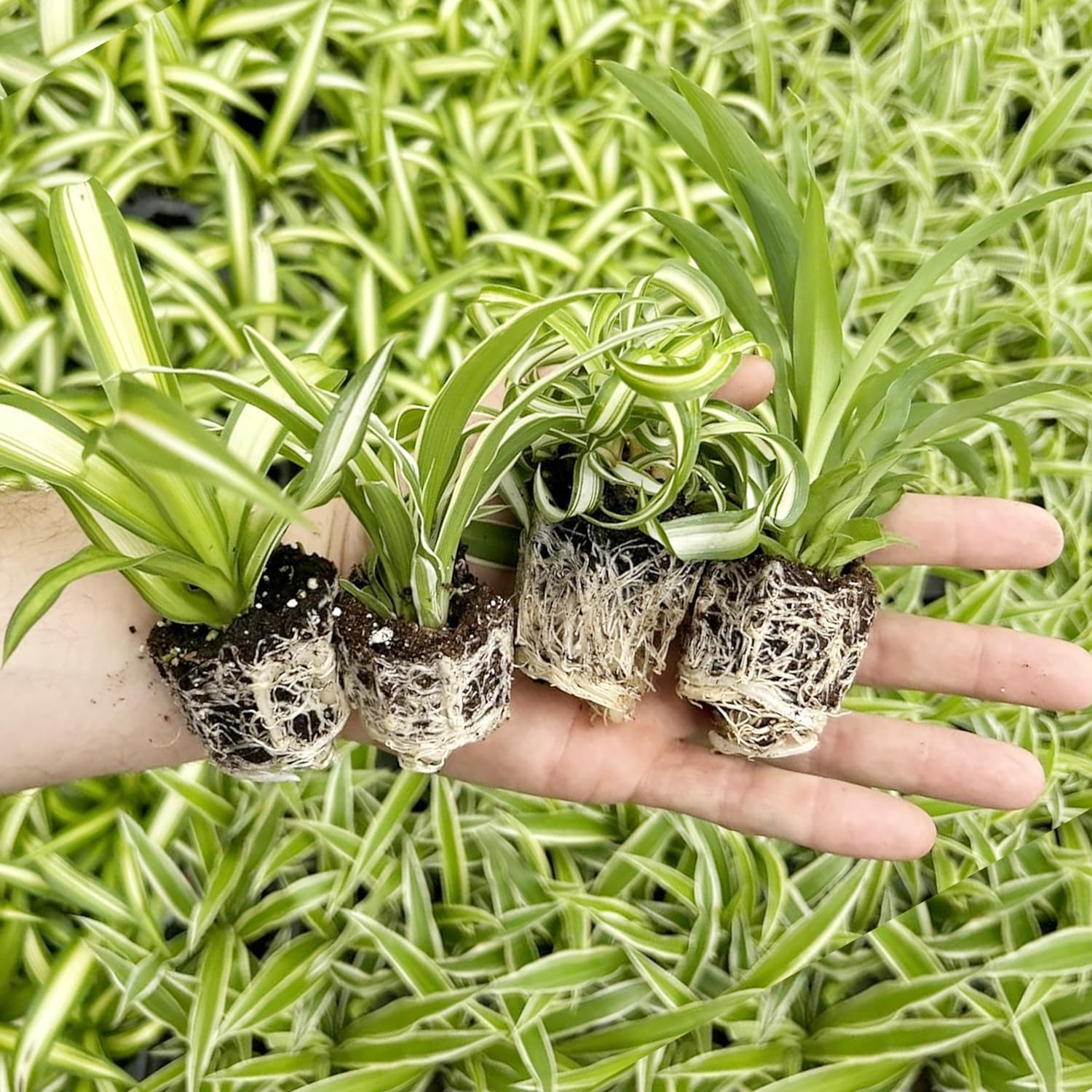
Spider plants are a classic for a reason: they are nearly indestructible, produce baby “spiderettes” you can propagate, and are completely non-toxic to cats. This variety pack gives you four different cultivars — Ocean, Hawaiian, Green, and Bonnie Curly — each with unique leaf shapes and variegation. They arrive as starter plants, ready to pot up and grow.
These plants are champions of air purification, removing formaldehyde and xylene from indoor air. They thrive in bright, indirect light but tolerate lower light well. Cat owners often note that their cats are attracted to the long, arching leaves, and some cats may nibble — but since the plant is non-toxic, it’s harmless. One cat mom said her kitty loves to bat at the babies hanging down.
For the price, you get a collection that will fill a room with greenery and give you endless plants to share. It’s a wonderful choice for cat owners who enjoy hands-on plant care and propagation.
Why we love it
- Four different spider plant varieties
- Extremely easy to propagate
- Non-toxic and excellent air purifier
Good to know
- Starter size – needs time to fill in
- Some cats love to play with the dangling babies
9. Hopewind Plants Shop Lemon Lime Prayer Plant

This is another fantastic Prayer Plant option, this time from Hopewind Plants. It arrives 12–16 inches tall in a 4‑inch nursery pot — slightly larger than Thorsen’s offering. The vivid green leaves with yellow veins and dark green stripes are stunning. It also folds its leaves at night. ASPCA-listed as non-toxic, it’s safe for even the most curious nibblers.
What sets this version apart is the company’s careful packaging and guarantee. They ship from a certified California facility with eco-friendly materials, and if anything goes wrong, they replace it without requiring returns. The plant is also labeled as air-purifying and low-maintenance. Feline owners who bought it commented on the vibrant colors and how it brightens a shelf without being a worry.
If you want a slightly larger Prayer Plant with excellent customer support and a clear pet-safe guarantee, this is a trustworthy pick. It’s also a great gift for cat-loving plant enthusiasts.
Why we love it
- Vibrant leaf coloration – true lemon lime
- Generous size at shipping
- Strong guarantee and packaging
Good to know
- Needs humidity to prevent browning tips
- Sensitive to direct sunlight
10. Thorsen’s Greenhouse Parlor Palm
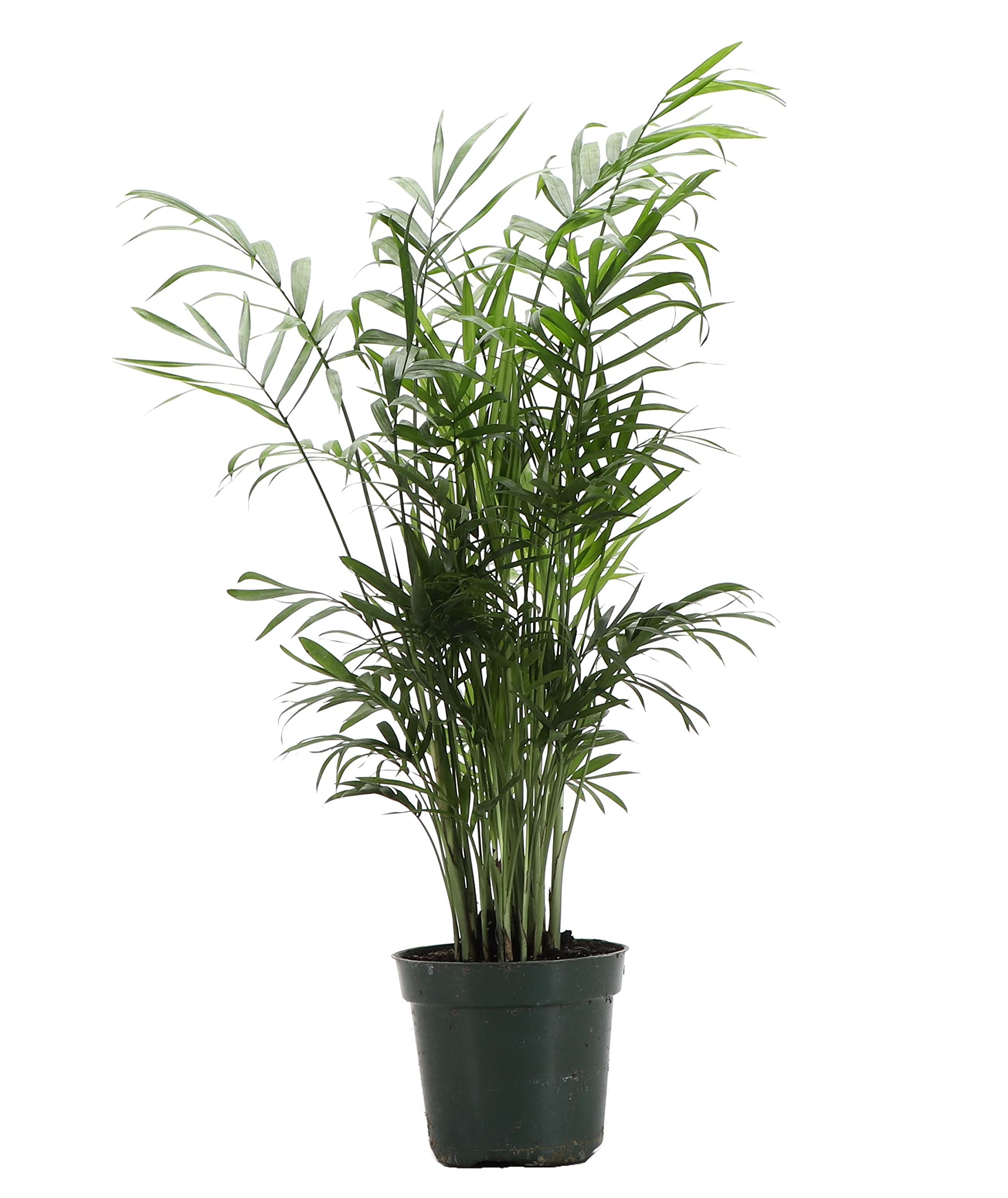
The Parlor Palm (Neanthe Bella) is a classic low-light champion that’s been popular since Victorian times. It’s completely non-toxic to cats and dogs, producing feathery, fine-textured fronds that won’t tempt most felines. This plant arrives in a 4‑inch pot, about 5–8 inches tall. It thrives in indirect light and even tolerates low light, making it ideal for dimmer rooms or offices.
This palm is slow-growing and compact, perfect for shelves or tabletop displays. It’s also drought-tolerant and doesn’t need frequent watering. Cat owners appreciate that the leaves are soft and harmless — even if a cat brushes against them. One owner noted that her cat likes to sniff the fronds but never chews. The Parlor Palm is also listed as an air purifier by NASA.
If you need a reliable, safe plant for a low-light corner that won’t outgrow its welcome, the Parlor Palm is an excellent, wallet-friendly choice. It’s also a great introduction to houseplants for first-time owners.
Why we love it
- Thrives in low light – perfect for dark rooms
- ASPCA non-toxic and air-purifying
- Very forgiving of missed waterings
Good to know
- Small size – better as a table plant than floor plant
- Slow grower – won’t fill a large space quickly
11. AVERGO Cat Grass Kit
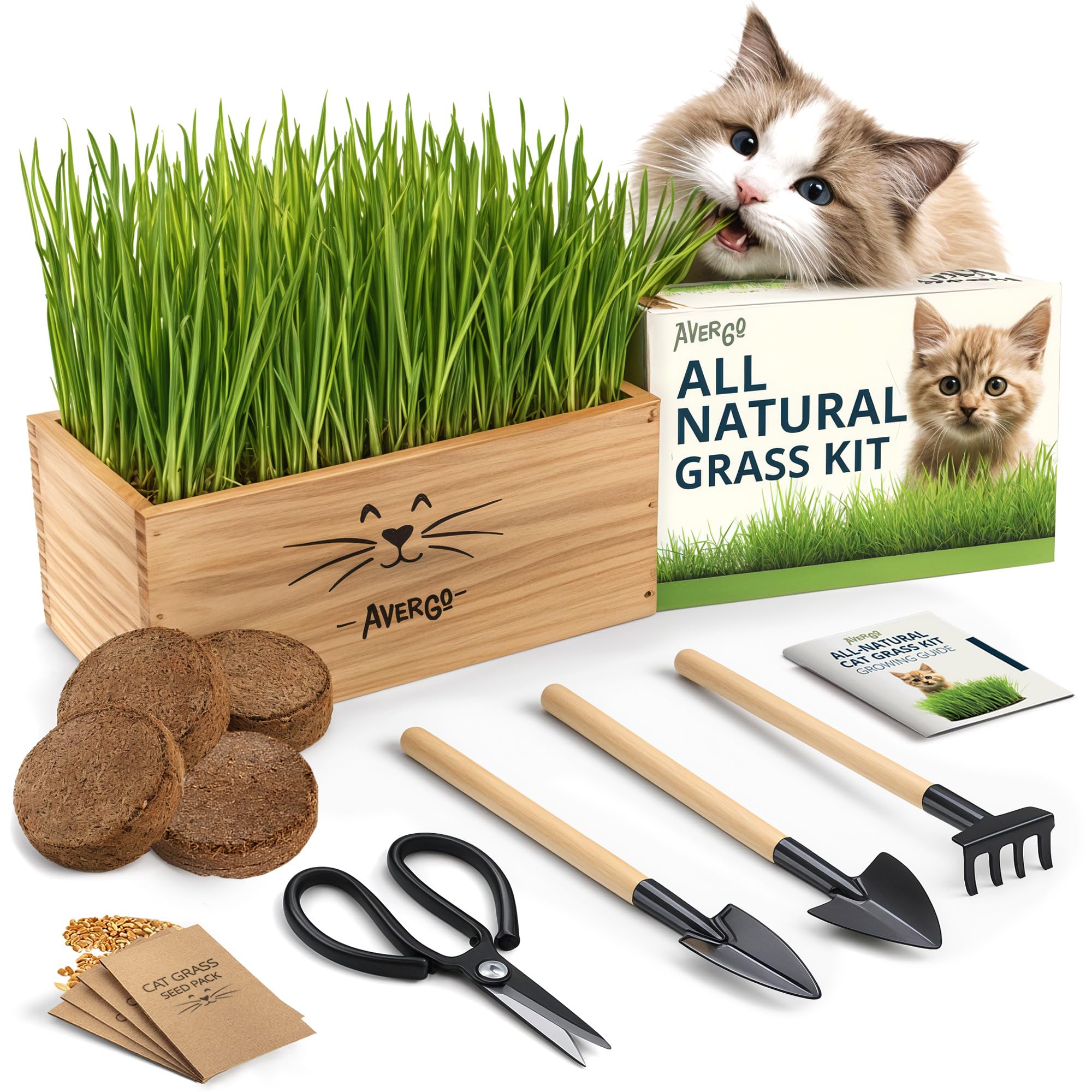
Sometimes the best way to protect your other houseplants is to give your cat its own plant to munch on. This complete cat grass kit includes wheatgrass seeds, coconut coir soil discs, a wooden planter, and mini gardening tools — everything you need to grow a patch of fresh nibbling greens. Wheatgrass is safe for cats and actually helps with hairball control and digestion.
The kit is designed for indoor use and sprouts within days. Cats love the taste and texture, and many owners use it as a healthy distraction from other plants. One cat foster parent reported that her cats completely ignore her Calatheas once she set up this grass patch. The wooden planter is compact and fits on a windowsill, and the kit can be regrown several times.
For the budget-minded owner whose cat loves to graze, this is a smart investment. It saves your other plants and gives your kitty a nutritious treat. The included tools make it a fun DIY project for adults and kids alike.
Why we love it
- Gives cats a designated, safe snack plant
- Complete kit – planter, soil, tools included
- Helps reduce hairballs and supplements diet
Good to know
- Grass needs to be replanted after a few weeks
- Some cats may overindulge and vomit – offer in moderation
Safety & Care Tips
Place Plants Out of Reach
Even with non-toxic plants, discourage nibbling by elevating them. Use hanging baskets, tall plant stands, or wall-mounted shelves that are inaccessible to your cat. For floor plants like palms, place them away from jump-off points. A cat that can’t reach the leaves won’t develop a bad habit.
Watch for Overindulgence
Just because a plant is non-toxic doesn’t mean it’s meant to be eaten. Large amounts of any fibrous plant can cause vomiting or diarrhea. If your cat suddenly develops a taste for a particular plant, offer cat grass as a safe alternative and monitor their behavior. Contact your vet if symptoms persist.
Use the Right Soil
Houseplant soil often contains fertilizers that can be harmful if ingested. Choose organic, pet-safe potting mixes and avoid perlite or vermiculite that cats might inhale while digging. Cover the soil with smooth pebbles or decorative stones to discourage digging.
Quarantine New Arrivals
New plants may carry pests or chemical residues. Keep them in a separate room for at least a week before introducing them to your cat’s environment. Wipe leaves with a damp cloth to remove dust and any lingering pesticides, and inspect for bugs that could harm your pet.
FAQ
What houseplants are absolutely safe for cats?
Is cat grass the same as catnip?
Can I keep toxic plants in the house if my cat can’t reach them?
What should I do if my cat eats a houseplant?
Final Thoughts: The Verdict
For most pet parents, the houseplants for cats winner is the American Plant Exchange Cat Palm because it delivers big, lush foliage without any toxicity worry. If you want a compact, budget-friendly option with interactive leaf movement, grab the Thorsen’s Lemon Lime Prayer Plant. And for cats that love to graze, nothing beats the AVERGO Cat Grass Kit as a safe snacking station.