
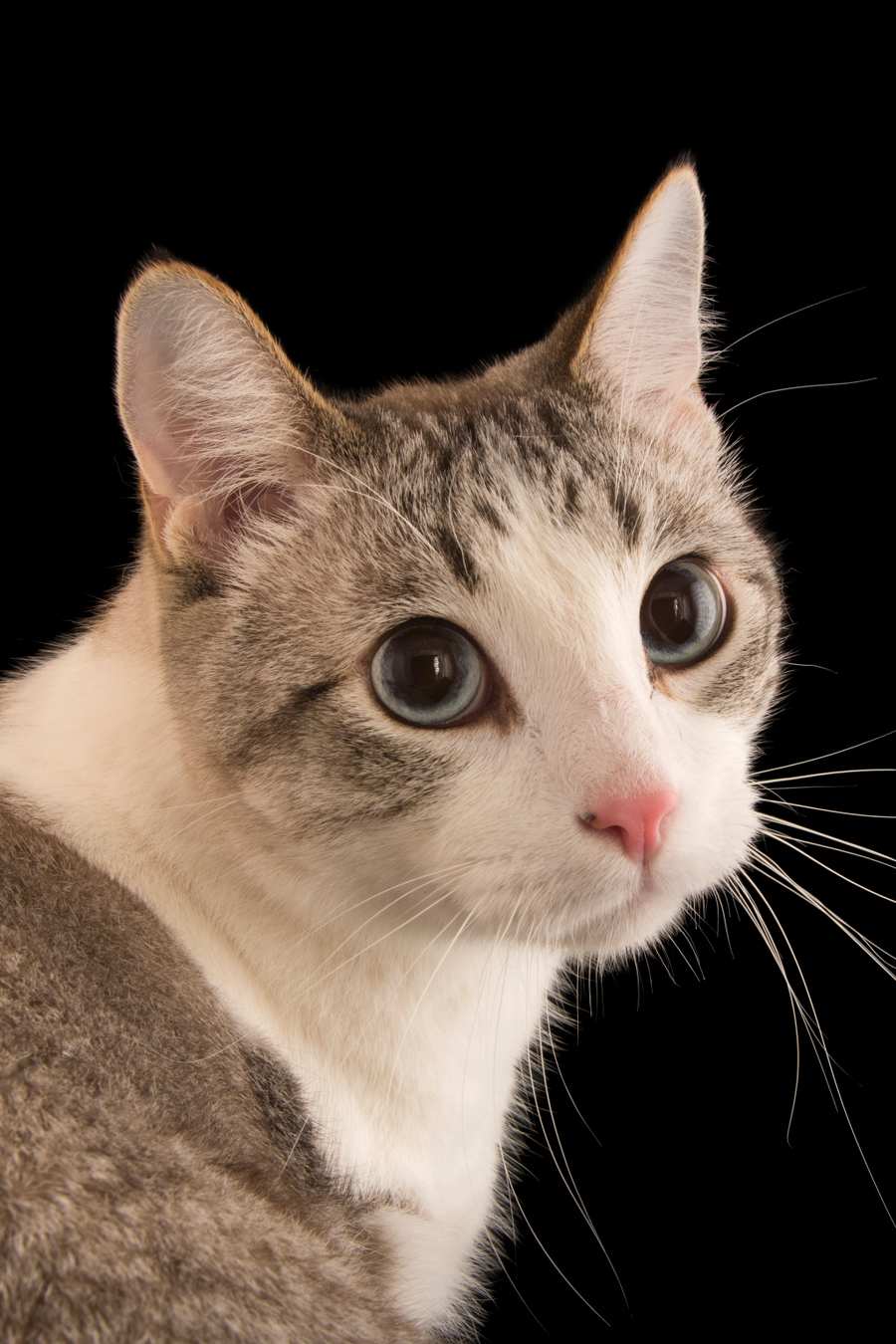
Yes, some cats can be allergic to ferns, leading to various symptoms like itching and gastrointestinal distress.
Cats are curious creatures, often getting into things they shouldn’t. One of the common houseplants that may catch their attention is ferns. While these plants can add a touch of greenery to our homes, many cat owners wonder: are cats allergic to ferns? The answer isn’t straightforward, as it depends on the specific type of fern and the individual cat’s sensitivities.
Understanding Cat Allergies
Allergies in cats can manifest in various ways. They may react to food, pollen, dust mites, or even certain plants. The immune system of a cat identifies a substance as harmful and reacts by producing antibodies. This immune response can lead to symptoms that range from mild irritation to severe reactions.
Common symptoms of allergies in cats include:
- Itching and scratching: Cats may scratch excessively or groom themselves more than usual.
- Skin irritations: Redness, swelling, or rashes can develop on the skin.
- Respiratory issues: Sneezing, coughing, or difficulty breathing can occur if allergens are inhaled.
- Gastrointestinal disturbances: Vomiting or diarrhea might indicate an allergic reaction.
When it comes to ferns specifically, not all types are toxic to cats. However, some may cause mild allergic reactions in sensitive individuals.
Common Types of Ferns
Ferns come in various species and varieties. Here’s a brief overview of some popular types found in homes:
| Fern Type | Scientific Name | Toxicity Level |
|---|---|---|
| Boston Fern | Nephrolepis exaltata | Non-toxic |
| Maidenhair Fern | Adiantum spp. | Non-toxic |
| Asparagus Fern | Aspidistra elatior | Toxic (mild) |
| Pteris Fern | Pteris spp. | Non-toxic |
| Staghorn Fern | Platycerium spp. | Non-toxic |
The table above highlights some common ferns and their toxicity levels. It’s essential for cat owners to be aware that while many ferns are safe for cats, others like the asparagus fern can cause mild toxicity if ingested.
The Role of Individual Sensitivities
Every cat is unique. Just because one cat can safely nibble on a fern without any ill effects doesn’t mean another won’t have a reaction. Some cats may have heightened sensitivities due to genetics or previous exposure to allergens.
It’s also worth noting that allergies can develop over time. A cat that previously showed no signs of sensitivity might suddenly react after years of exposure. This unpredictability makes it crucial for pet owners to monitor their pets closely when introducing new plants into the home.
The Signs of Allergic Reactions in Cats
Recognizing the signs of an allergic reaction early can help mitigate discomfort for your feline friend. Here are some specific symptoms to watch for:
- Excessive grooming: If a cat is grooming more than usual, it could be trying to soothe itchy skin.
- Red or inflamed skin: Look for areas where fur is missing or skin appears irritated.
- Changes in appetite: A sudden loss of interest in food might indicate gastrointestinal distress.
- Behavioral changes: Increased irritability or lethargy could signal discomfort related to allergies.
If any of these symptoms arise after introducing a new fern into your home, it might be wise to remove the plant and consult with a veterinarian.
Caring for Cats with Allergies
Managing allergies in cats involves several strategies aimed at reducing exposure and alleviating symptoms. Here’s how pet owners can help their furry companions:
Create an Allergen-Free Environment
Start by identifying potential allergens within your home. Dust mites, pollen from outdoor plants, and even certain foods could trigger reactions. Keeping your living space clean through regular vacuuming and dusting can significantly reduce allergens present.
Consider using air purifiers equipped with HEPA filters to capture airborne allergens. This step helps create a healthier environment for both you and your cat.
Nutritional Considerations
Diet plays a crucial role in managing allergies. Some cats benefit from hypoallergenic diets designed specifically for sensitive stomachs or skin conditions. Consulting with a veterinarian about dietary options tailored for allergic reactions is advisable.
Incorporating omega-3 fatty acids into your cat’s diet may also help reduce inflammation associated with allergies. Fish oil supplements are one way to achieve this but should always be introduced gradually and under veterinary guidance.
Regular Veterinary Check-ups
Routine check-ups with a veterinarian ensure any developing allergy issues are caught early on. If an allergy is suspected, your vet might recommend allergy testing or prescribe medications such as antihistamines or corticosteroids for relief during flare-ups.
Maintaining open communication with your veterinarian about any changes you observe in your cat’s behavior or health will provide valuable insights into managing their well-being effectively.
The Connection Between Cats and Plants: What You Should Know
Cats have an innate curiosity about plants; they often chew on leaves out of instinct or boredom. While many houseplants pose minimal risk, it’s essential for pet owners to research plant safety before bringing them into their homes.
Certain plants contain compounds that may be harmful if ingested by cats; others might not be toxic but still lead to digestive upset due to their fibrous nature. For instance, while many ferns are safe, other common houseplants like lilies and philodendrons are highly toxic to felines.
Understanding which plants are safe allows pet owners peace of mind while also providing mental stimulation through interactive play with non-toxic greenery.
What To Do If Your Cat Shows Symptoms?
If a cat begins exhibiting signs of an allergic reaction after coming into contact with a fern (or any new plant), taking immediate action is crucial:
1. Remove the plant: If you suspect the fern is causing issues, take it out of reach immediately.
2. Monitor symptoms: Keep an eye on your cat’s behavior over the next few hours/days—note any changes regarding grooming habits or appetite.
3. Consult your vet: If symptoms persist beyond mild irritation (e.g., excessive vomiting), contacting a veterinarian becomes essential for proper evaluation and treatment options.
Prompt action helps ensure that any adverse reactions don’t escalate into more serious health concerns down the line.
Key Takeaways: Cats and Ferns
➤ Allergic Reactions Exist: Some cats can be allergic to certain ferns, causing issues. ➤ Monitor Symptoms: Watch for excessive grooming, skin irritations, or appetite changes. ➤ Individual Sensitivities Matter: Each cat’s reaction to ferns can vary significantly. ➤ Create Allergen-Free Spaces: Regular cleaning and air purifiers help reduce allergens. ➤ Consult Your Veterinarian:Consult Your Veterinarian:
Frequently Asked Questions: Are Cats Allergic To Ferns?
Can all cats be allergic to ferns?
No, not all cats are allergic to ferns. Allergies in cats are highly individualistic. Some cats may have no reaction to certain types of ferns, while others might exhibit symptoms of an allergic response. Factors such as genetics, prior exposure to allergens, and overall health can influence whether a cat develops an allergy.
It’s important for pet owners to observe their cat’s behavior when introducing new plants. If a cat shows signs of discomfort or irritation after contact with a fern, it may indicate an allergy or sensitivity.
What symptoms should I look for if my cat is allergic to ferns?
If your cat is allergic to ferns, you may notice several symptoms. Common signs include excessive grooming, which often leads to red or inflamed skin. Additionally, respiratory issues like sneezing or coughing can occur if allergens are inhaled.
Gastrointestinal disturbances such as vomiting or diarrhea may also indicate an allergic reaction. Monitoring these symptoms closely can help in determining if the fern is the cause of your cat’s discomfort.
Are there specific types of ferns that are more likely to cause allergies in cats?
While many ferns are non-toxic and safe for cats, individual sensitivities vary. The asparagus fern is one type that can cause mild toxicity and may provoke allergic reactions in some cats. Other common ferns like Boston and Maidenhair ferns are generally considered safe.
It’s essential for pet owners to research each fern type before bringing it into their homes, especially if they have a cat known for having sensitivities or allergies.
What should I do if my cat shows signs of an allergy after contact with a fern?
If your cat exhibits signs of an allergy after coming into contact with a fern, first remove the plant from its environment. Monitor your cat’s behavior closely over the next few hours or days for any changes in grooming habits or appetite.
If symptoms persist or worsen, it is crucial to consult with your veterinarian for proper evaluation and treatment options. Early intervention can prevent more serious health concerns from developing.
Can I prevent my cat from developing allergies to plants like ferns?
Preventing allergies in cats involves careful selection of household plants and monitoring their behavior around them. Creating an allergen-free environment by reducing exposure to common allergens like dust and pollen can also help.
Regular veterinary check-ups allow for early detection of potential allergy issues. Additionally, observing your cat’s reactions when introducing new plants can provide insight into any sensitivities they may have over time.
The Bottom Line on Cats and Ferns: Are Cats Allergic To Ferns?
In conclusion, while not all ferns pose significant risks to feline friends—some can indeed lead to allergic reactions depending on both the specific type involved and individual sensitivities among cats. Understanding which varieties are safe versus those that might cause problems empowers pet owners when making choices about household plants.
By creating an allergen-free environment through careful selection of plants along with regular veterinary care—cat owners can keep their furry companions healthy while enjoying beautiful greenery at home! Monitoring behaviors closely allows early intervention if any issues arise related specifically back towards those curious little paws exploring every inch around them!
Ultimately being informed about potential allergens—like ferns—serves as an essential part of responsible pet ownership; ensuring both safety alongside enjoyment within shared living spaces together!