
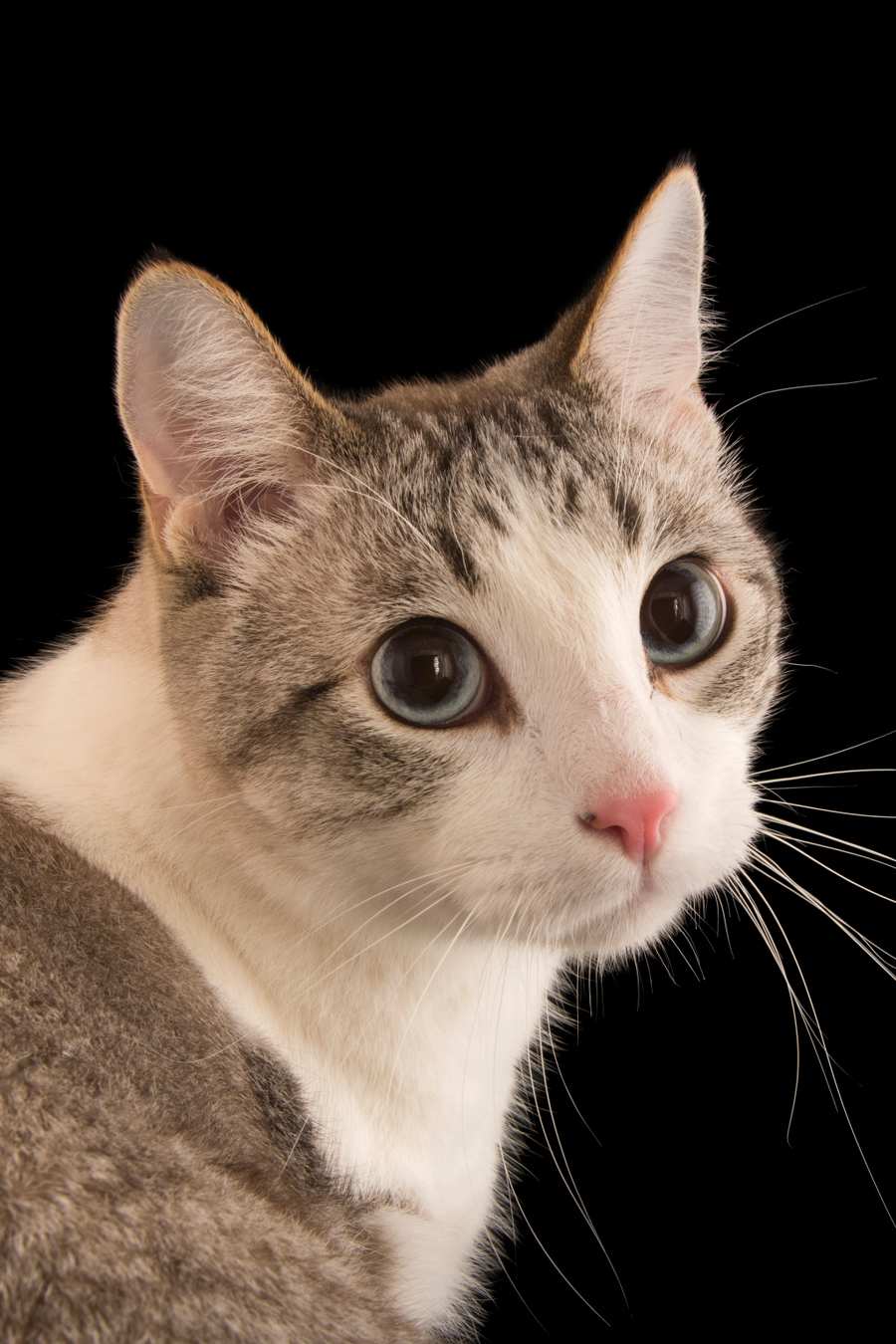
Yes, cats can be allergic to irises, leading to various symptoms that require attention.
Cats are fascinating creatures with unique personalities and health needs. As a cat owner, understanding their health concerns is essential, especially regarding potential allergies. One common question that arises is: Are cats allergic to irises? Irises are beautiful flowers that brighten up gardens and homes, but they can pose a risk to our feline friends.
In this article, I’ll explore the relationship between cats and irises, delve into the symptoms of allergies in cats, discuss how to manage these allergies effectively, and provide insights into safe plant choices for cat owners.
Understanding Cat Allergies
Allergies in cats can manifest in various ways. They occur when a cat’s immune system overreacts to a substance it perceives as harmful. This reaction can be triggered by environmental factors like pollen, dust mites, or certain plants. When it comes to irises, it’s crucial to recognize that not all cats will have an allergic reaction. However, those that do may experience discomfort.
The most common allergens affecting cats include:
- Pollen: Seasonal allergies can arise from various plants.
- Dust mites: These tiny creatures thrive in homes and can trigger reactions.
- Food ingredients: Some cats may react to specific proteins or additives in their diet.
- Plants: Certain plants are known to cause allergies or toxicity.
Irises fall into the category of plants that some cats may be sensitive to. The iris plant contains compounds that can irritate a cat’s digestive system if ingested.
Symptoms of Iris Allergies in Cats
Recognizing the symptoms of an allergic reaction is vital for any cat owner. Cats may show signs of allergies through various physical manifestations. Here are some common symptoms associated with iris allergies:
Skin Reactions
One of the most noticeable signs of an allergy is skin irritation. Affected cats may develop:
- Itchy skin: Cats might scratch or groom excessively.
- Redness or rashes: Inflamed areas may appear on their skin.
- Hair loss: Continuous scratching can lead to bald patches.
Gastrointestinal Distress
If a cat ingests parts of an iris plant, gastrointestinal upset might occur. Symptoms may include:
- Vomiting: Cats may vomit shortly after consuming the plant.
- Diarrhea: Loose stools can indicate digestive distress.
- Loss of appetite: Affected cats might refuse food due to discomfort.
Respiratory Issues
In some cases, respiratory problems may arise due to pollen exposure from irises or other plants:
- Sneezing: Frequent sneezing can signal an allergic response.
- Coughing or wheezing: Difficulty breathing may occur in severe cases.
- Nasal discharge: Clear or colored discharge from the nose might be present.
It’s essential for cat owners to monitor their pets closely for these symptoms if they suspect exposure to irises or other allergens.
Diagnosis of Cat Allergies
Diagnosing allergies in cats often requires a multi-faceted approach. Veterinarians typically conduct thorough examinations and may recommend several tests:
1. Physical Examination: A vet will check for signs of skin irritation or other symptoms.
2. Allergy Testing: Blood tests or skin tests can help identify specific allergens.
3. Dietary Trials: In cases where food allergies are suspected, a vet may suggest elimination diets.
Understanding whether a cat is allergic to irises specifically involves careful observation and possibly professional testing.
Treatment Options for Cat Allergies
Once diagnosed with an allergy, treatment options become necessary for managing symptoms effectively.
Avoidance of Allergens
The most straightforward method is avoiding exposure to known allergens like irises. Removing these plants from the home or garden helps minimize risk.
Medications
Various medications can alleviate allergy symptoms:
- Antihistamines: These medications help reduce itching and inflammation.
- Corticosteroids: In severe cases, corticosteroids may be prescribed for inflammation control.
- Immunotherapy: This long-term treatment involves gradually desensitizing the immune system to specific allergens.
Always consult with a veterinarian before administering any medication.
Environmental Management
Creating a comfortable living environment helps reduce allergy triggers:
- Regular cleaning: Dusting and vacuuming help minimize dust mites and pollen accumulation.
- Air purifiers: Using HEPA filters can improve indoor air quality.
- Bathing: Regular baths using hypoallergenic shampoos can help remove allergens from the coat.
These steps collectively contribute to managing feline allergies effectively.
Safe Plant Choices for Cat Owners
For those who love gardening but want to ensure their feline friends remain safe, selecting non-toxic plants is crucial. Here’s a list of some safe alternatives to consider instead of irises:
| Plant Name | Toxicity Level | Notes |
|---|---|---|
| Spider Plant | Non-toxic | Easy care; great air purifier |
| Boston Fern | Non-toxic | Lush foliage; adds humidity |
| Bamboo Palm | Non-toxic | Safe and attractive indoor option |
| African Violet | Non-toxic | Beautiful blooms; safe for pets |
| Christmas Cactus | Non-toxic | Festive plant; harmless |
Choosing these plants not only beautifies spaces but also ensures safety for curious kitties who love exploring their surroundings.
Key Takeaways: Cats and Irises Allergies
➤ Cats Can Be Allergic: Some cats may experience allergies to irises.
➤ Common Symptoms: Look for itchy skin, vomiting, and respiratory issues.
➤ Diagnosis Methods: Veterinarians use exams and tests to identify allergies.
➤ Treatment Options: Avoidance, medications, and environmental management help.
➤ Safe Plant Choices: Opt for non-toxic plants like spider plants for safety.
➤ Safe Plant Choices: Opt for non-toxic plants like spider plants for safety.
Frequently Asked Questions: Are Cats Allergic To Irises?
What are the common symptoms of iris allergies in cats?
Cats allergic to irises may exhibit various symptoms, primarily affecting their skin, gastrointestinal system, and respiratory health. Common skin reactions include itchy skin, which leads to excessive scratching or grooming, and redness or rashes on their body. Additionally, some cats may experience hair loss due to constant irritation.
If ingested, irises can cause gastrointestinal distress, resulting in symptoms like vomiting, diarrhea, and a loss of appetite. Respiratory issues may also occur, characterized by frequent sneezing, coughing, or nasal discharge. Monitoring for these signs is essential for early intervention.
How can I diagnose if my cat is allergic to irises?
Diagnosing an allergy to irises in cats usually involves a thorough examination by a veterinarian. They will assess your cat’s medical history and physical condition. Common diagnostic methods include allergy testing, which can be done through blood tests or skin tests to identify specific allergens.
Your vet may also suggest a dietary trial if food allergies are suspected. Observing your cat’s reactions after exposure to irises can also provide insight. Keeping a detailed record of symptoms helps your vet make an accurate diagnosis.
What treatment options are available for cats allergic to irises?
Treatment for cats allergic to irises typically involves several approaches focused on managing symptoms and reducing exposure. The most effective method is the avoidance of allergens, which means removing irises from your home and garden.
Your veterinarian might prescribe medications such as antihistamines to alleviate itching or inflammation. In more severe cases, they may recommend corticosteroids. Another option includes immunotherapy, which gradually desensitizes your cat’s immune system to specific allergens over time.
Are there safe plant alternatives for cat owners concerned about iris allergies?
Certain plants are safe for homes with cats and can be excellent alternatives to irises. Options like the Spider Plant, Boston Fern, and Bamboo Palm are non-toxic and easy to care for. These plants not only enhance indoor aesthetics but also create a safer environment for curious felines.
The African Violet and Christmas Cactus are other great choices that bring color without risking your pet’s health. Always research plant toxicity before introducing new greenery into your home.
How can I manage my cat’s environment to reduce allergy triggers?
To help manage your cat’s allergies effectively, maintaining a clean living environment is crucial. Regular cleaning routines that include dusting and vacuuming minimize the accumulation of dust mites and pollen.
You might also consider using air purifiers with HEPA filters to improve indoor air quality significantly. Additionally, regular baths with hypoallergenic shampoos can help eliminate allergens from your cat’s coat, providing further relief from allergy symptoms.
Conclusion – Are Cats Allergic To Irises?
In conclusion, understanding whether are cats allergic to irises is crucial for any responsible pet owner. While not all felines will react negatively, some may experience significant discomfort if exposed. Recognizing symptoms early on allows for timely intervention and management strategies. By opting for safe plants and maintaining a clean living environment, cat owners can create a harmonious space where both pets and flora coexist safely. Keeping an eye on your feline’s behavior around new plants will ensure they remain healthy while enjoying their home environment without unnecessary risks associated with potential allergens like irises.