
Setting up a thriving aquarium starts with what goes on the bottom. The right substrate does more than anchor plants and catch debris — it shapes the entire health of your underwater ecosystem. Choose well and your fish, shrimp, or snails will show you their brightest colors. Choose poorly and you’ll be fighting cloudy water and stressed swimmers for months.
I’m Mo Mahin — the founder and writer behind Furric. I’ve spent hundreds of hours analyzing product specs, cross-referencing veterinary safety standards for aquatic habitats, and sifting through real owner feedback to find the gravel that truly delivers.
Whether you’re aquascaping a planted tank or setting up a starter aquarium for your kids, finding the right best aquarium gravel means balancing grain size, natural composition, and ease of cleaning — and these five options rise to the top.
How To Choose The Best Aquarium Gravel
The right gravel changes everything — from water clarity to fish comfort. Here’s what to look for before you pour a single bag into your tank.
Grain Size and Shape
Smaller grains around 1/8 to 1/4 inch are ideal for most freshwater tanks. They allow plant roots to anchor easily while keeping debris on top for quick siphoning. Avoid sharp-edged rocks that can injure bottom-dwelling fish like corydoras or loaches. Smooth, rounded pebbles from natural river beds are the safest bet.
Natural vs. Dyed Gravel
Many aquarium gravels on the market are coated with paint or resin to achieve bright colors. Over time, those coatings can chip or leach into the water. Natural, uncoated stones are non-toxic by nature and maintain stable water chemistry. If you want color, look for naturally multicolored river rock rather than artificially dyed options.
Weight and Coverage
A 5-pound bag typically covers about 1 to 1.5 square feet at a depth of one inch. For a standard 10-gallon tank, you’ll need roughly 10 to 15 pounds to create a healthy two-inch layer. Always buy a little extra — you can use leftovers for potted plants or terrariums.
Quick Comparison
On smaller screens, swipe sideways to see the full table.
| Model | Type | Best For | Key Feature | Amazon |
|---|---|---|---|---|
| Pulovin Pea Gravel (Mixed Color) | Mixed Natural | Aquascaping & Planted Tanks | 3/8 inch rounded stones, versatile uses | Amazon |
| YISZM Natural River Rocks | Natural River | Beginner & General Community Tanks | 1/4 inch no-fade, non-toxic stone | Amazon |
| FANTIAN Pea Gravel | Natural River | Budget-Friendly Starter Tanks | 1/4 inch screened for consistent size | Amazon |
| SHIZWU Natural River Gravel | Irregular Natural | Natural Biotope & Aquascaping | 4-8 mm irregular shape, no wax coating | Amazon |
| Pulovin White Aquarium Gravel | Natural White | Bright Tanks & Minimalist Scapes | 1/5 inch white pebbles, clean aesthetic | Amazon |
In-Depth Reviews
1. Pulovin Pea Gravel (Mixed Color)

Pulovin delivers a naturally beautiful mix of earthy tones that look right at home in any aquarium. These 3/8 inch pebbles are large enough to stay put during siphoning yet small enough for plant roots to grip. The rounded edges mean zero risk of injury to delicate fish fins or bellies. This is the set-it-and-forget-it substrate that keeps looking good month after month.
Because these stones are natural river rock with no coatings, you get stable water chemistry from day one. Each bag weighs 5 pounds and covers about one square foot at a two-inch depth. The mixed colors — soft browns, grays, and warm tans — create a subtle, organic look that works equally well in a community tank, a shrimp setup, or a planted aquascape. You can even use leftovers as top dressing for houseplants.
If you want one substrate that does everything well without fuss, this is it. The balance of size, safety, and versatility makes it the clear frontrunner for most freshwater tanks. Just remember to rinse thoroughly before adding it to your tank.
Why we love it
- Naturally rounded stones are safe for all fish
- Versatile size works for aquariums, plants, and craft projects
- No dyes or coatings means zero water chemistry risk
Good to know
- Mixed color palette may not suit everyone’s aesthetic
- Requires 2-3 rinses before first use
2. YISZM Natural River Rocks

YISZM offers a beautifully consistent 1/4 inch gravel that hits the sweet spot for most community tanks. These natural stones are completely free of dyes, fillers, and oils — exactly what you want when you’re just starting out and don’t want to worry about mysterious water parameters. The smooth texture is gentle on fish and easy to clean with a standard gravel vacuum.
Beyond the aquarium, this gravel earns its keep as drainage rock for potted plants, top dressing for succulents, and even accents for vases or candle holders. The multicolor mix stays vibrant without fading because the color is natural, not painted on. Each 5-pound bag provides solid coverage for a 5 to 10-gallon tank, making it a practical entry-level purchase.
For a beginner who wants reliable, no-nonsense gravel that won’t cause surprises, YISZM delivers exactly what it promises. The consistency in grain size also makes planting easy — roots slide right in without bunching up. Experienced aquascapers might prefer larger grains, but for general use, this is hard to beat.
Why we love it
- Completely natural with zero additives or coatings
- Consistent 1/4 inch size ideal for most tanks
- Works great for plants, crafts, and landscaping too
Good to know
- Smaller grains may get sucked into some filter intakes
- Not ideal for very large planted tanks needing deep rooting
3. FANTIAN Pea Gravel

FANTIAN brings a no-frills approach to aquarium gravel that prioritizes value without cutting corners on safety. These 1/4 inch river rocks are machine-screened for reasonable consistency, though a few slightly oversized pieces might sneak through. The natural mixed tones blend well with most decor styles, and the pebble size is just right for smaller tanks, terrariums, and even pathway accents.
One thoughtful detail FANTIAN includes is a note about weight verification — US household scales can display “lb:oz” in a confusing way, so they explain how to read it correctly. That kind of transparency tells you they care about the customer experience. The gravel arrives dry (not damp as shown in some photos), so expect a lighter, dustier appearance until you rinse and wet it.
If you’re setting up a starter tank or just need affordable gravel for a secondary aquarium, FANTIAN gives you excellent bang for your buck. The material is natural, non-toxic, and ready to use after a good rinse. Just don’t expect perfectly uniform pebbles — a little variation is part of the natural charm.
Why we love it
- Very budget-friendly without sacrificing safety
- Natural river rock with no artificial coatings
- Versatile for aquarium, plant, and outdoor use
Good to know
- Some pieces may be slightly oversized due to screening
- Looks lighter dry than the damp product photos suggest
4. SHIZWU Natural River Gravel

SHIZWU takes a different approach with an irregular, more angular gravel that mimics the look of a natural riverbed. The 4-8 mm size range is slightly larger than typical aquarium gravel, which gives it a bold, textured appearance that really stands out in a biotope-style tank. Because these stones are completely natural with no wax or polish, the water stays clear and stable from the start.
The irregular shape means each stone settles into its own unique position, creating a landscape that looks genuinely wild. This gravel is particularly well-suited for cichlid tanks, goldfish setups, or any aquarium where you want a rugged, natural aesthetic. It also works beautifully as a top dressing for large potted plants or as a decorative element in water features and ponds.
If you’re tired of uniform, cookie-cutter gravel that all looks the same, SHIZWU offers something refreshingly different. The 5-pound bag covers roughly one square foot, and because the stones are larger, they stay cleaner between water changes. Just note that the irregular shape may not be ideal for bottom-dwelling fish that like to burrow.
Why we love it
- Unique irregular shape creates a natural biotope look
- No wax, polish, or coatings of any kind
- Larger gravel stays cleaner and is easy to siphon
Good to know
- Irregular edges may not suit fish that burrow
- Some breakage may occur during shipping
5. Pulovin White Aquarium Gravel
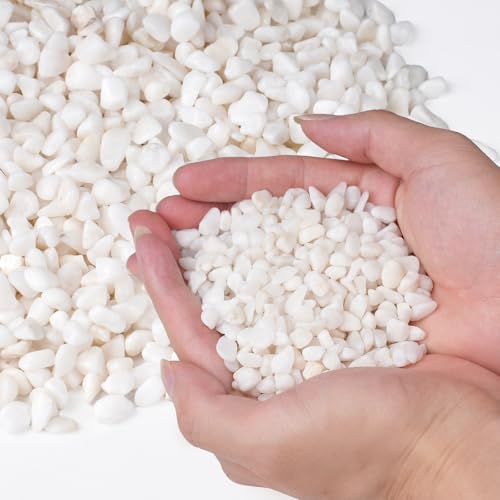
Pulovin’s white gravel brings a clean, bright aesthetic that makes planted tanks pop and fish colors truly shine. These 1/5 to 3/8 inch natural white pebbles offer a crisp, minimalist foundation that works beautifully in modern aquascapes, shrimp tanks, or as a contrast against dark hardscape. The natural stone composition means no fading or discoloration over time.
Like its mixed-color sibling, this white gravel is suitable for far more than just aquariums. It makes an elegant top dressing for white-themed planters, a clean filler for glass vases, and even a decorative element for bathroom or kitchen containers. The slightly smaller grain size (1/5 inch average) creates a finer, more refined texture that feels polished without looking artificial.
For aquarists who want a bright, uniform look without resorting to painted or dyed gravel, Pulovin’s white option is a fantastic choice. It does require diligent rinsing before use — natural stone dust can be more visible on white gravel — but the final result is worth the extra effort. This is premium natural gravel at a reasonable investment.
Why we love it
- Stunning natural white color without any dyes
- Makes fish and plants visually pop
- Versatile for aquariums, plants, and home decor
Good to know
- Shows dirt and debris more readily than darker gravel
- Requires thorough rinsing to remove stone dust
Safety & Care Tips
Rinse Before Using
Always rinse aquarium gravel 2-3 times in a bucket of clean water until the runoff runs clear. This removes stone dust and fine particles that can cloud your water and irritate fish gills. For white gravel, you may need an extra rinse cycle to fully clear the dust.
Check Grain Size for Your Fish
Bottom feeders like corydoras, loaches, and shrimp prefer smooth, smaller grains around 1/8 to 1/4 inch. Sharp or overly large gravel can damage their barbels and bellies. Match the grain size to your specific fish species for maximum comfort and health.
FAQ
How much gravel do I need for my aquarium?
Can I use garden pebbles in my aquarium?
How often should I clean aquarium gravel?
Does gravel color affect fish health?
Final Thoughts: The Verdict
For most pet parents, the best aquarium gravel winner is the Pulovin Mixed Color Pea Gravel because it balances perfect grain size, natural safety, and versatile use at a fair value. If you want a clean, bright aesthetic, grab the Pulovin White Aquarium Gravel. And for a natural biotope look with irregular stones, nothing beats the SHIZWU Natural River Gravel.