
Pugs bring so much joy with their wrinkly faces and big personalities, but their unique brachycephalic structure and tendency toward weight gain mean their nutrition needs special attention. Choosing the wrong food can lead to breathing trouble, skin issues, or digestive upset — so getting it right matters deeply.
I’m Mo Mahin — the founder and writer behind Furric. My process involves deep market research, analyzing veterinary safety standards for brachycephalic breeds, and evaluating real owner feedback across hundreds of pug households to find formulas that truly deliver.
After thoroughly evaluating dozens of formulas against brachycephalic needs, I have ultimately selected the best pug dog food for your wrinkly companion.
How to choose the best pug dog food
Pugs have flat faces, short nasal passages, and a tendency to bolt their food, which makes kibble size, shape, and ingredient quality critical. Add their predisposition to allergies, sensitive digestion, and obesity, and you have a set of needs that don’t apply to every breed.
Brachycephalic‑friendly kibble shape
Large, round, or flat kibble can be hard for pugs to pick up and may increase the risk of aspiration. Look for small, bite‑sized pieces (often labelled for small or toy breeds) that allow your pug to eat comfortably without struggling to breathe.
Protein sources and fat content
Pugs do well with moderate‑to‑high quality animal protein (chicken, turkey, fish, duck) and controlled fat levels to prevent rapid weight gain. Avoid vague meat meals and fillers like corn and wheat, which offer little nutritional value and may trigger allergies.
Digestive and skin support
Omega‑3 and omega‑6 fatty acids from fish oil or flaxseed help maintain a healthy coat and reduce inflammation. Probiotics and prebiotics (like pumpkin, chicory root) support gut health — a common trouble spot for pugs prone to gas and loose stools.
Quick comparison
On smaller screens, swipe sideways to see the full table.
| Model | Type | Best for | Key feature | Amazon |
|---|---|---|---|---|
| Solid Gold Mighty Mini | Dry kibble | Overall best for pugs | 90 million probiotics per pound | Amazon |
| Now Fresh Small Breed | Dry kibble | Sensitive stomachs | Multi‑protein, chicken‑free formula | Amazon |
| Blue Wilderness Small Breed | Dry kibble | High‑energy pugs | Antioxidant‑rich LifeSource Bits | Amazon |
| Natural Balance LID Duck & Potato | Dry kibble | Food sensitivities | Single animal protein, grain‑free | Amazon |
| Open Farm Wild‑Caught Salmon | Dry kibble | Sustainable sourcing | Traceable ingredients & Ocean Wise salmon | Amazon |
| Rachael Ray Nutrish Grain Free | Dry kibble | Budget‑conscious owners | Real salmon first ingredient, no poultry meal | Amazon |
| Purina Pro Plan Development Puppy | Wet food | Pug puppies up to one year | DHA for brain & vision development | Amazon |
In‑depth reviews
1. Solid Gold Mighty Mini Small & Toy Breed
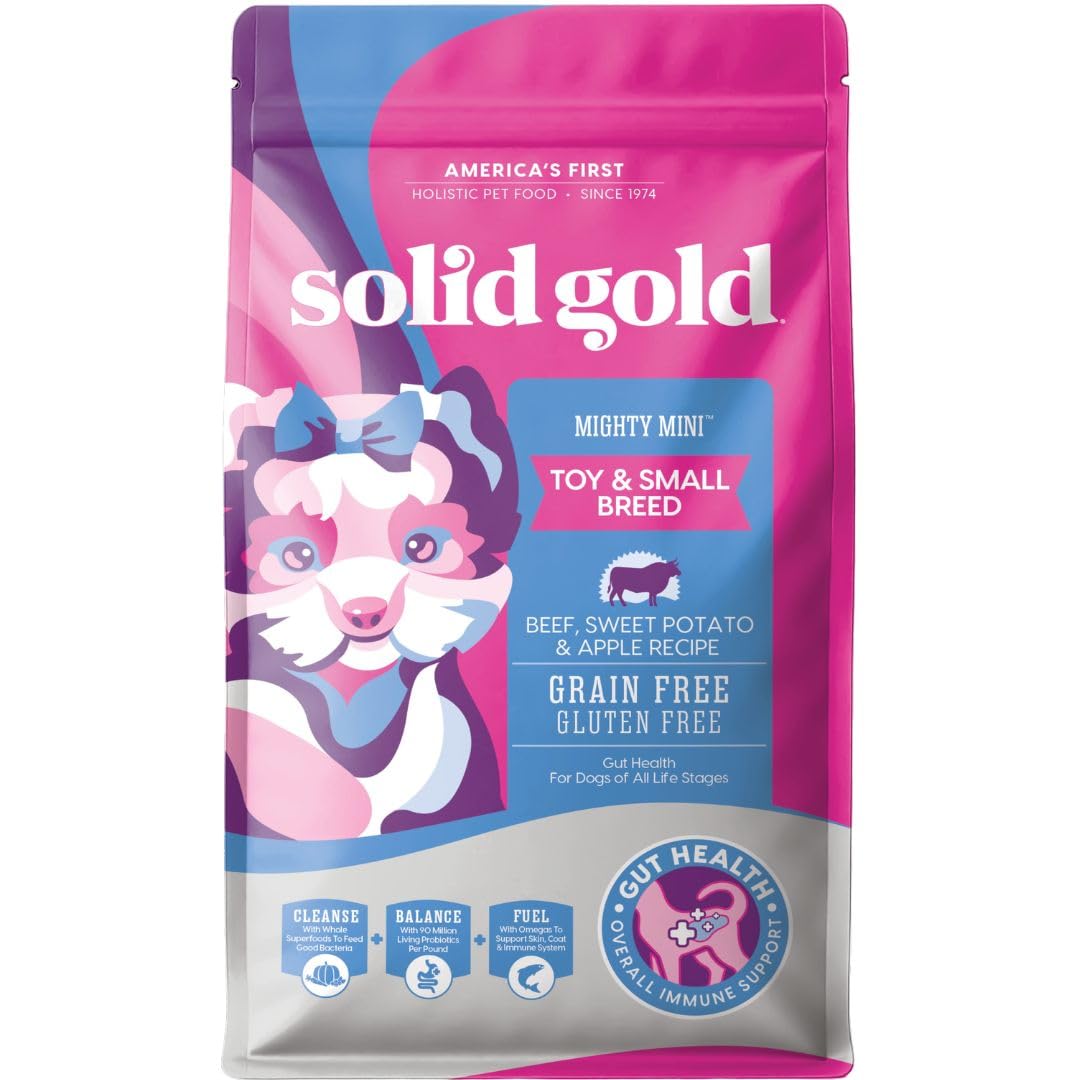
Fellow pug parents rave about this one for good reason. Solid Gold Mighty Mini is formulated specifically for small and toy breeds, with real beef as the first ingredient and minuscule kibble that pugs can pick up without a struggle. The 90 million probiotics per pound directly target the digestive sensitivity so common in flat‑faced breeds.
Pug guardians highlight noticeable improvements in stool quality and a shinier coat after switching. The grain‑free, gluten‑free recipe avoids common allergens like corn, wheat, and soy, while omega fatty acids support skin health — a huge plus for pugs prone to fold infections. It also contains no by‑product meals, keeping the protein clean.
For an all‑life‑stages food that covers the bases — digestion, small kibble, high‑quality protein, and skin support — this is the top pick for most pug households. It’s a balanced choice that meets the unique demands of the breed without forcing you to overspend.
Why we love it
- Specifically designed for small & toy breeds
- Probiotics promote digestive health
- Bite‑sized kibble easy for pugs to eat
Good to know
- Some picky pugs may not love beef flavour
- 11‑lb bag may go quickly for multiple dogs
2. Now Fresh Small Breed Adult

Dog moms with pug puppies and seniors alike turn to Now Fresh when their flat‑faced friend develops food sensitivities. This recipe uses turkey, salmon, and duck — fresh, de‑boned, and chicken‑free — to minimize allergen triggers. The small, round kibble is perfectly sized for pug mouths and encourages slower eating.
Pug parents often mention that picky eaters clean their bowl with this formula. It includes pumpkin, sweet potato, and probiotics for digestive regularity, and pure coconut oil for coat shine. The absence of corn, wheat, soy, and artificial preservatives means you’re feeding a clean, whole‑food diet that respects a pug’s delicate system.
If your pug has a known chicken sensitivity or you want a multi‑protein approach to avoid building new allergies, this is an excellent premium choice. It’s made in Canada with transparent sourcing and has steadily earned the trust of brachycephalic breed owners.
Why we love it
- Chicken‑free formula reduces allergy risk
- Fresh de‑boned proteins instead of meals
- Includes probiotics and prebiotic fibre
Good to know
- Higher price point compared to mid‑range brands
- Bag size only 12 lbs; may be less economical for multiple dogs
3. Blue Wilderness Small Breed Chicken

Pug guardians with active, playful pugs appreciate the extra protein punch in Blue Wilderness Small Breed. Real chicken is the first ingredient, and the kibble is sized for small mouths. The LifeSource Bits — a blend of antioxidants, vitamins, and minerals — give the immune system a boost, which is especially helpful for pugs that spend time at dog parks or daycare.
Owners report that even pugs with moderate energy levels maintain a healthy weight on this food, thanks to the controlled carbohydrate profile. It’s free from chicken by‑products, corn, wheat, and soy, making it a natural choice for those who want a premium grain‑inclusive option (the formula includes wholesome grains).
For pug families that want a high‑protein foundation without sacrificing small‑breed specifics, this is a solid middle‑to‑premium pick. Just monitor portions carefully — pugs are prone to weight gain if free‑fed.
Why we love it
- High protein supports lean muscle
- LifeSource Bits for immunity
- Small kibble shape easy to pick up
Good to know
- Contains grains; not suitable for strict grain‑free fans
- Chicken protein can trigger allergies in some pugs
4. Natural Balance LID Duck & Potato
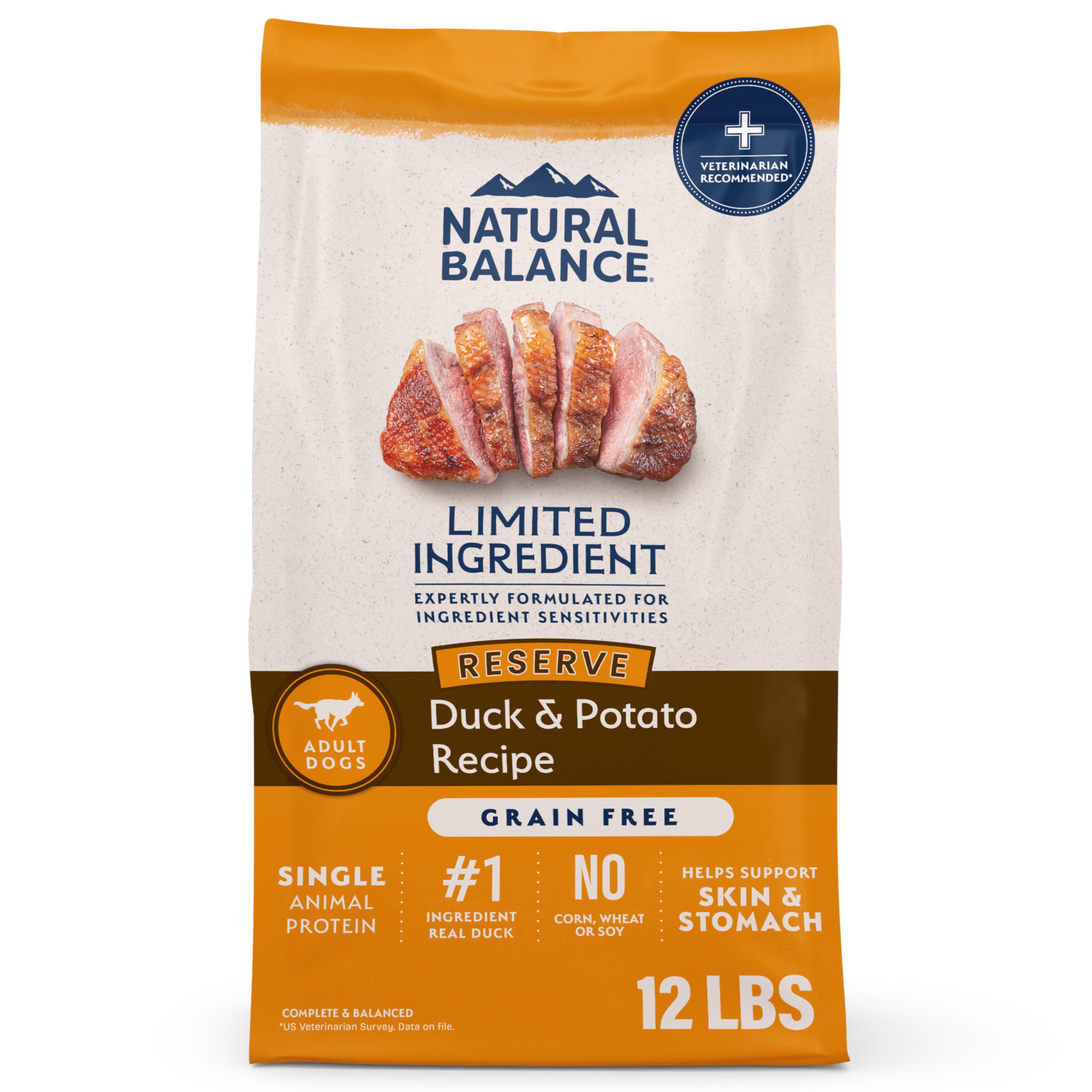
Pug parents dealing with persistent skin irritations or digestive upset often find relief with Natural Balance’s limited‑ingredient diet. Duck is the sole animal protein, making it an ideal choice for pugs that react to chicken or beef. The formula is grain‑free, soy‑free, and gluten‑free, stripping away potential triggers.
Flat‑faced breed owners appreciate the simple, transparent ingredient list: duck, potatoes, flaxseed, and essential vitamins. No artificial colours, flavours, or preservatives. The “Feed with Confidence” program means every batch is tested, which brings extra peace of mind for those with extremely sensitive pugs.
If your pug has a diagnosed food allergy or you suspect one, this is the first food to try. It’s available in a 12‑lb bag and works well as a rotation option for pugs that eat multiple protein sources.
Why we love it
- Single novel protein (duck) for allergy testing
- Simplified ingredient list minimises reactions
- Batch‑tested safety program
Good to know
- Duck flavour may not appeal to every pug
- Higher price reflects limited‑ingredient formulation
5. Open Farm Wild‑Caught Salmon

Environmentally conscious pug owners gravitate toward Open Farm for its fully traceable supply chain. The wild‑caught salmon provides abundant omega‑3s for skin and coat health — essential for pugs prone to dryness and fold dermatitis. Non‑GMO fruits and vegetables round out the recipe.
Pug guardians note that this grain‑free kibble is moderately sized but still manageable for most pugs. It contains no corn, wheat, soy, or artificial additives. The salmon flavour is naturally high in DHA, which supports cognitive function in older pugs and brain development in puppies.
Open Farm is a mid‑range option that delivers premium, ethically sourced nutrition. If sustainability and supply chain transparency matter to you, this is a strong contender that also happens to be excellent for pug skin health.
Why we love it
- Wild‑caught salmon for high omega‑3 content
- Fully traceable ingredients
- Non‑GMO produce and superfoods
Good to know
- Kibble size slightly larger than typical small‑breed options
- 4‑lb bag is suitable only for trial or single‑pug households
6. Rachael Ray Nutrish Grain Free Salmon

Pug owners watching their budget don’t have to skimp on quality. Nutrish Grain Free Salmon & Sweet Potato is a limited‑ingredient dry food with real salmon as the first protein source and no poultry by‑products. The 11.5‑lb bag is one of the most affordable grain‑free options on the market.
Flat‑faced breed fans find that the moderate protein and fat levels help maintain a healthy weight without packing on pounds. It’s naturally supplemented with Taurine for heart health and includes added vitamins and minerals. Every purchase also supports animal welfare through the Rachael Ray Foundation, which resonates with many pet parents.
While it doesn’t have the specialised small‑breed kibble shape of premium brands, many pugs manage fine with the smaller chunks. For a tight‑fisted but effective grain‑free meal, this is a reliable entry‑level choice.
Why we love it
- Affordable grain‑free formula
- Real salmon as first ingredient
- Supports animal welfare charities
Good to know
- Not specifically designed for small breeds
- Some pugs may find the kibble size challenging
7. Purina Pro Plan Development Puppy Wet Food Variety Pack

Pug puppies need extra DHA for brain and vision development, and this Purina Pro Plan variety pack delivers exactly that in a grain‑free wet formula. The chicken and turkey entrees provide high‑quality protein for growing muscles, and the soft texture is perfect for puppy teeth — especially helpful for brachycephalic breeds that may struggle with hard kibble at first.
Rescue parents and breeders report that even the fussiest pug puppies clean their bowls. The 12‑can pack gives you two flavours to rotate, which helps prevent mealtime boredom. It’s made without corn, wheat, soy, artificial colours, or preservatives, and is 100% complete and balanced for puppies up to one year.
If you’re raising a pug puppy, this wet food can be used as a complete diet or mixed with dry kibble for added moisture and palatability. It’s a specialist choice, but for the first year of life, it’s tough to beat.
Why we love it
- Formulated specifically for puppy development
- DHA supports brain and vision health
- Soft texture easy for pug puppies to eat
Good to know
- Wet food only; not intended as a long‑term dry alternative
- Only suitable for puppies under one year
Safety & care tips
Brachycephalic feeding best practices
Elevate your pug’s food bowl a few inches off the ground to reduce air intake and minimise the risk of aspiration. Choose wide, shallow bowls that don’t touch their whiskers. Always supervise meal times and never allow your pug to gulp food — spread kibble on a flat tray or use a slow‑feed bowl if needed.
Managing pug weight and portion control
Pugs are prone to obesity, which can worsen breathing problems. Measure each meal according to the feeding guide on the bag, but adjust based on your pug’s activity level and body condition. Treats should make up no more than 10% of daily calories. Weigh your pug monthly to track any changes.
FAQ
What ingredients should I avoid in pug dog food?
Is grain‑free food better for pugs?
How often should I feed my pug?
What kibble shape is safest for pugs?
Final thoughts: The verdict
For most pug parents, the best pug dog food winner is the Solid Gold Mighty Mini because it combines probiotics for digestion, bite‑sized kibble, and all‑life‑stages nutrition at a fair price. If you need a chicken‑free recipe for a sensitive stomach, grab the Now Fresh Small Breed. And for pugs with confirmed food allergies, nothing beats the Natural Balance LID Duck & Potato.