
Watching your cat lose fur in patches or develop a dull, brittle coat is heartbreaking — and it often starts with what is in their bowl. Hair loss in cats can stem from allergies, nutritional deficiencies, or underlying sensitivities that the wrong food keeps aggravating. The good news is that the right formula can turn things around faster than many pet parents expect.
I’m Mo Mahin — the founder and writer behind Furric. I’ve spent countless hours analyzing ingredient panels, veterinary safety standards, and real-world owner feedback to find the foods that truly support coat regrowth and skin repair.
After weeks of analyzing formulas and consulting veterinarians, we found the best food for cat hair loss that delivers real, noticeable results for your feline.
How To Choose The Best Food For Cat Hair Loss
Not all cat foods are created equal when it comes to skin and coat health. Hair loss often signals that your cat is missing key nutrients or reacting to something in their current diet. Understanding what to look for makes all the difference.
Omega Fatty Acids Are Non-Negotiable
Omega-3 and Omega-6 fatty acids are the building blocks of a healthy coat. They reduce inflammation in the skin, support follicle strength, and add natural shine. Formulas with salmon oil, fish meal, or flaxseed deliver these fats in bioavailable forms that cats can actually use.
Protein Quality and Source Matter
Cats are obligate carnivores, and hair is made almost entirely of protein. A food with a named animal protein as the first ingredient — like salmon, chicken, or herring — provides the amino acids necessary for fur regrowth. Low-quality protein sources or excessive fillers can worsen shedding and thinning.
Identify and Eliminate Triggers
Many cats experience hair loss due to food allergies or sensitivities, especially to poultry or grains. Switching to a novel protein or a limited-ingredient diet can stop the immune response that causes itching and fur loss. Look for foods free of corn, wheat, soy, and artificial additives.
Quick Comparison
On smaller screens, swipe sideways to see the full table.
| Model | Type | Best For | Key Feature | Amazon |
|---|---|---|---|---|
| Blue Buffalo True Solutions | Dry Kibble | Poultry-sensitive cats | Omega 3 & 6 fatty acids | Amazon |
| Royal Canin Hair & Skin Care | Wet Pate | Vet-recommended nutrition | Thin slices in gravy | Amazon |
| Tiki Cat Solutions Skin & Coat | Dry Kibble | High-protein diets | 40% protein guaranteed | Amazon |
| Purina Pro Plan Sensitive Skin | Dry Kibble | Sensitive stomachs | Live probiotics included | Amazon |
| Purina ONE Skin & Coat Health | Dry Kibble | Budget-friendly quality | 38% high protein content | Amazon |
In-Depth Reviews
1. Blue Buffalo True Solutions Skin & Coat Care
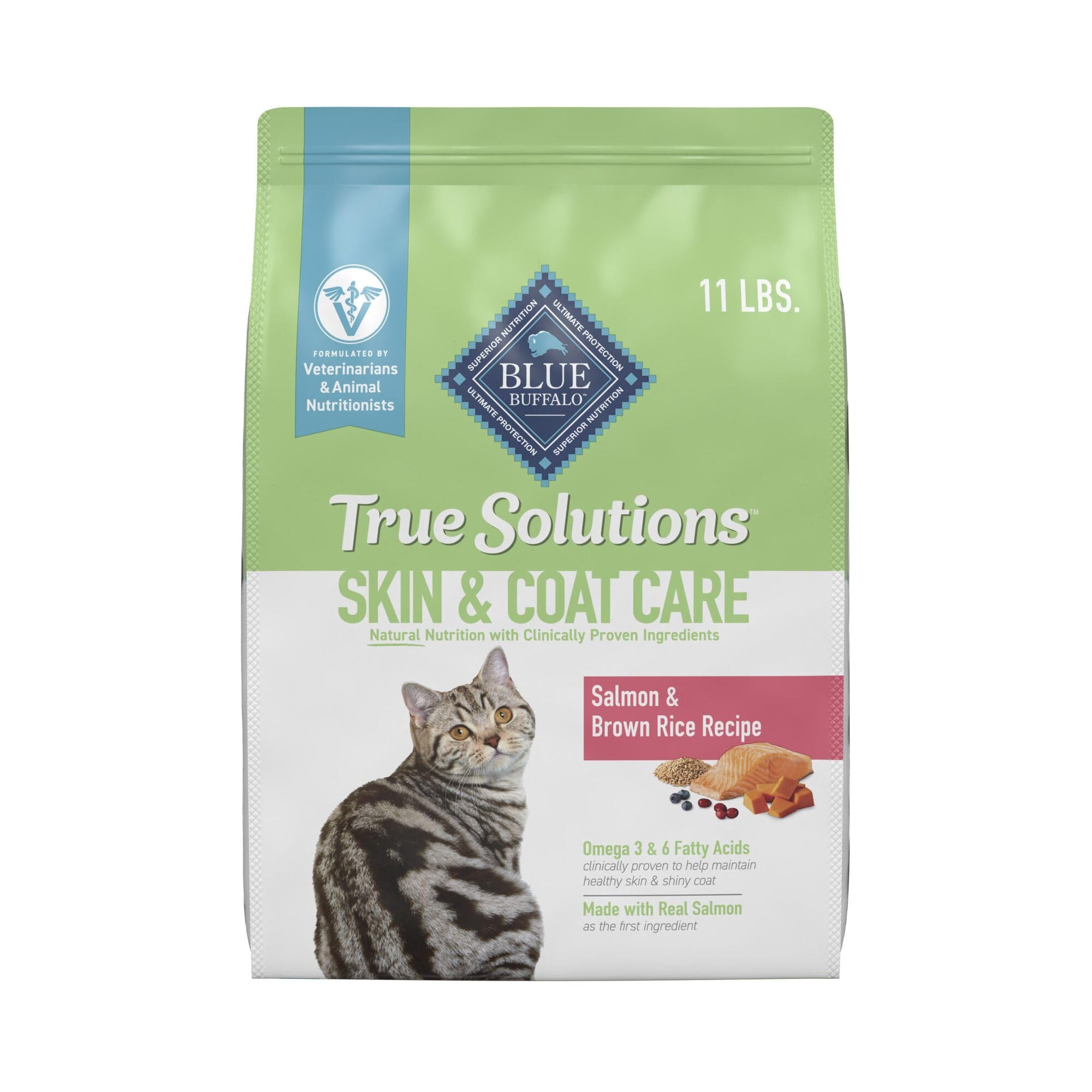
Blue Buffalo True Solutions Skin & Coat Care is a veterinarian-formulated dry food built specifically to target skin and coat problems from the inside out. With real deboned salmon as the first ingredient and a complete absence of chicken by-products, corn, wheat, and soy, this recipe removes the most common allergens that trigger hair loss in sensitive cats. The Omega 3 and 6 fatty acid profile is clinically designed to nourish dry, flaky skin and encourage a thicker, shinier coat.
What sets this formula apart is its targeted approach. It is part of Blue Buffalo’s True Solutions line, which means every nutrient inclusion — from the vitamin E to the chelated minerals — serves a functional purpose for skin barrier repair. Cat parents report visible softening of fur within the first two weeks and a dramatic reduction in over-grooming and scratching. The kibble size is small and easy to chew, making it accessible for senior cats and those with dental sensitivity.
For cat owners dealing with poultry allergies or mysterious fur loss that vet visits have not fully solved, this food delivers consistent, repeatable results. It is a mid-to-premium option that earns its place as the top recommendation for overall coat restoration.
Why we love it
- No chicken, corn, wheat, or soy — ideal for allergy-prone cats
- Real salmon as the first ingredient for high-quality protein
- Clinically proven Omega 3 and 6 blend for visible coat improvement
Good to know
- Bag cannot be resealed, so a storage container is recommended
- Fishy breath is common due to the salmon content
2. Royal Canin Feline Care Nutrition Hair & Skin Care

Royal Canin Feline Care Nutrition Hair & Skin Care offers a wet food approach to coat health, using thin slices in gravy to entice even the pickiest eaters. Each 3-ounce can delivers a precisely balanced blend of nutrients aimed at supporting the skin barrier and reducing excessive shedding. The formula is part of Royal Canin’s veterinary diet line, meaning it meets strict nutritional standards for therapeutic care.
What makes this product particularly valuable for hair loss cases is its moisture content and palatability. Cats experiencing skin irritation often have reduced appetites, and the savory gravy texture encourages consistent eating. The recipe includes specific amino acids and fatty acids that target the hair follicle cycle, helping to minimize breakage and promote regrowth. Multiple owners report that severe scabbing and bald patches resolved within a month of switching.
If your cat is a wet-food enthusiast or you need a high-compliance option for a stressed or sick feline, this Royal Canin formula is the premium choice worth investing in. The portion-controlled cans also reduce waste and ensure freshness at every meal.
Why we love it
- Exceptional palatability — cats eagerly eat it even when feeling unwell
- Portion-controlled 3 oz cans eliminate waste
- Targeted nutrition that resolved severe scabbing in under a month
Good to know
- Higher cost per serving compared to dry kibble options
- Some cats may refuse their regular dry food after tasting this
3. Tiki Cat Solutions Dry Food, Skin & Coat, Salmon & Herring
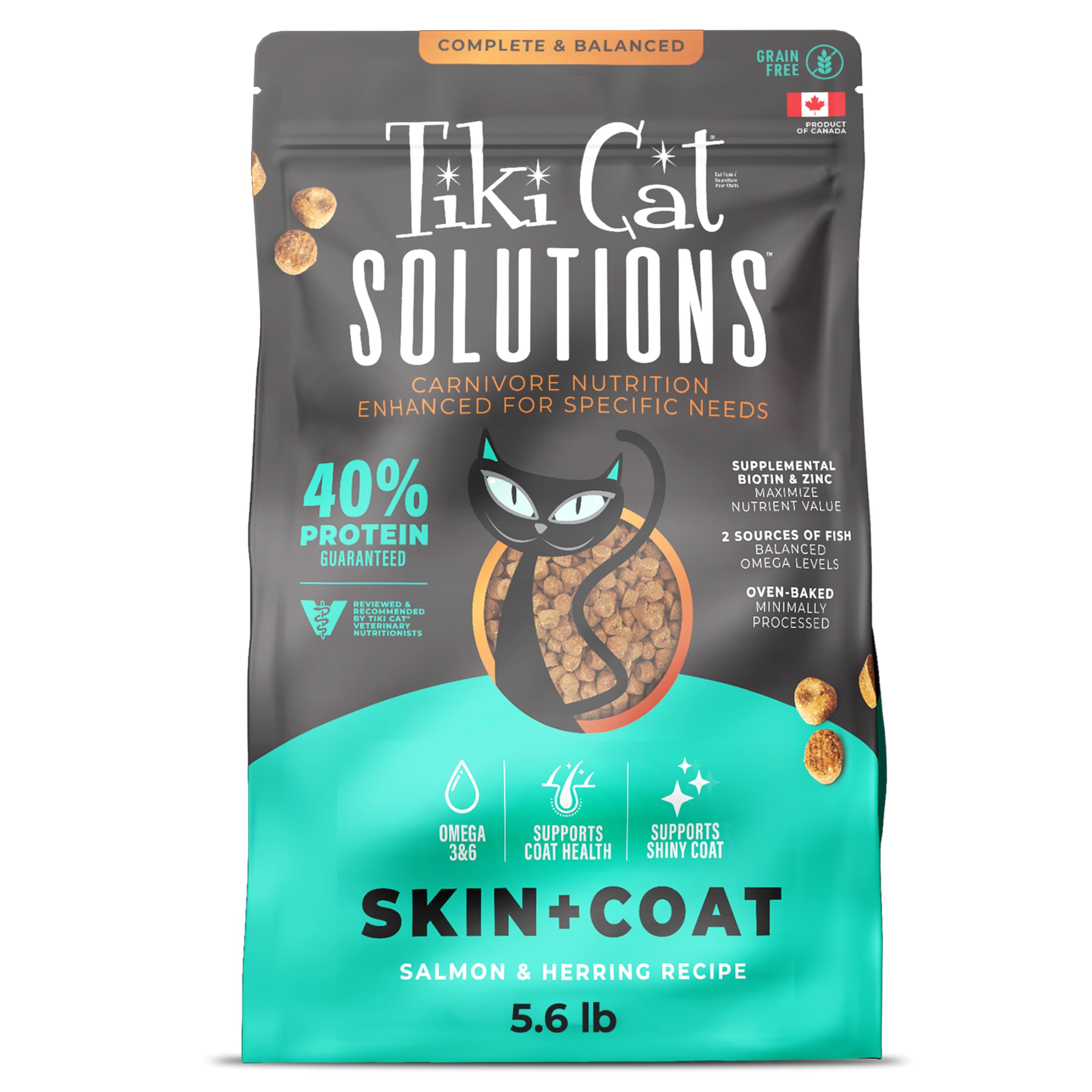
Tiki Cat Solutions Skin & Coat is a dry kibble formulated with two whole fish sources — salmon and herring — to deliver balanced omega levels without relying on plant-based oils. Guaranteed at 40% protein, this recipe prioritizes the amino acids cats need for fur regrowth while keeping carbohydrate fillers to a minimum. The addition of supplemental biotin and zinc directly supports keratin production, which is the structural protein in every hair strand.
The ingredient transparency here is exceptional. The kibble has a baked, non-greasy texture with a mild fish scent that cats find highly palatable without being overpowering for owners. Feline guardians who switched from chicken-based diets noticed their cat’s fur became noticeably softer and shinier within a few weeks. The formula is designed for all life stages, so it works for kittens, adults, and seniors dealing with coat issues.
For anyone seeking a high-protein, low-filler dry food that targets coat health at a molecular level, Tiki Cat Solutions delivers serious results. The only mild drawback is the inclusion of peas, which some owners prefer to avoid, but the overall nutritional profile is outstanding for the price range.
Why we love it
- 40% protein with dual fish sources for superior amino acid profile
- Biotin and zinc added specifically for fur strength and regrowth
- Non-greasy, baked kibble that cats love and digest well
Good to know
- Contains peas, which some owners prefer to avoid
- Small bag size compared to some competitors
4. Purina Pro Plan Sensitive Skin and Stomach
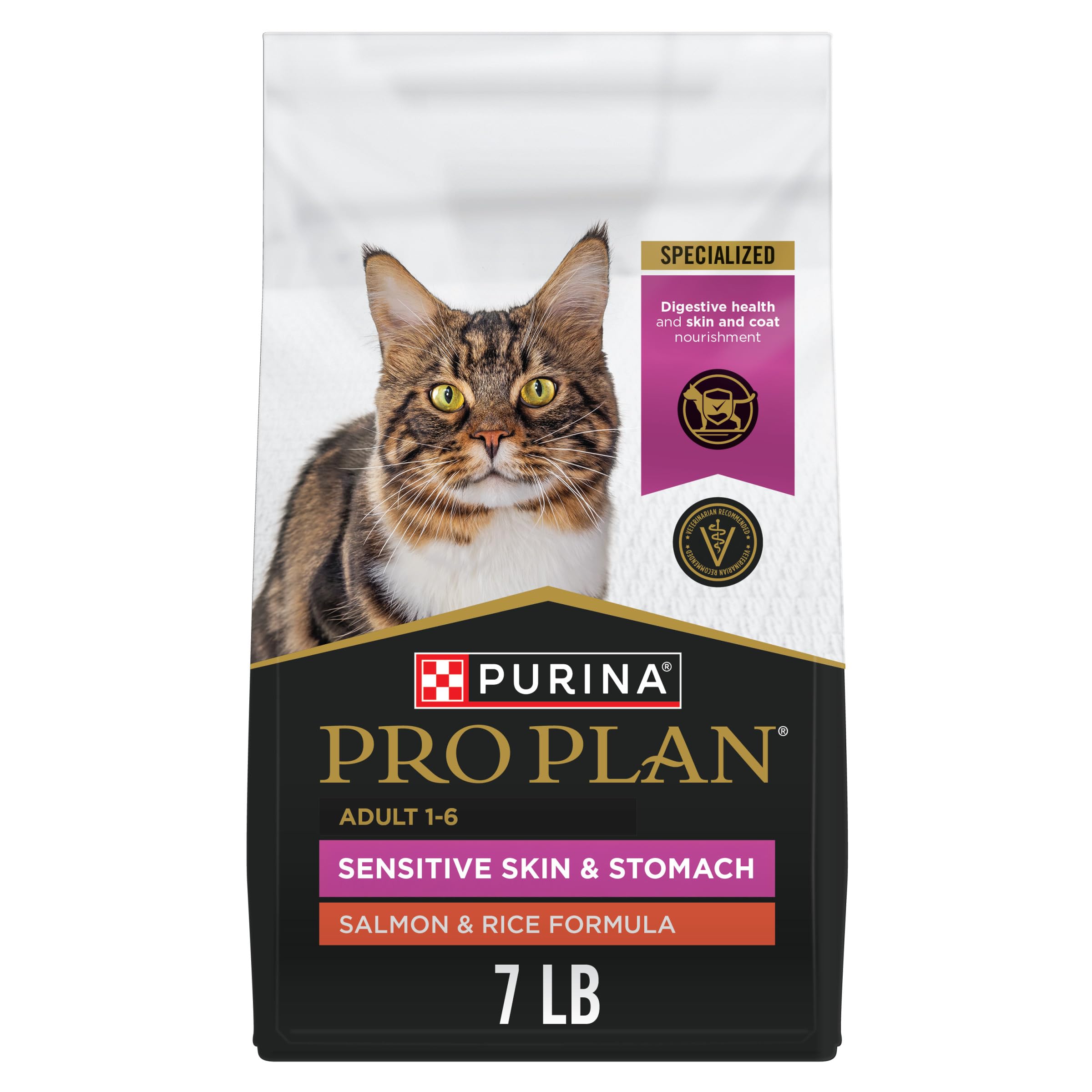
Purina Pro Plan Sensitive Skin and Stomach combines digestive support with skin and coat nutrition in a single, well-researched formula. Real salmon is the first ingredient, providing high-quality protein, while rice and oatmeal offer easily digestible carbohydrates that reduce gastrointestinal upset. The addition of live probiotics supports a healthy gut microbiome, which is directly linked to reduced inflammation and better nutrient absorption for skin health.
This food earns its reputation among cat owners for solving two problems at once. Many felines with hair loss also suffer from vomiting, diarrhea, or excessive gas, and this formula addresses both the digestive symptoms and the coat condition simultaneously. Omega-6 fatty acids and vitamin A work together to nourish the skin barrier, while antioxidants strengthen the immune system. Reviews consistently mention reduced vomiting and softer fur within weeks of switching.
If you are managing a cat with both skin issues and a sensitive stomach, this is the most cost-effective solution that does not compromise on ingredient quality. It is a reliable, vet-recommended choice for long-term maintenance.
Why we love it
- Dual-action formula for skin health and digestive comfort
- Live probiotics support gut health and nutrient absorption
- Salmon as first ingredient with gentle grain sources
Good to know
- May need a slow transition to avoid initial looser stools
- Some cats prefer the taste of higher-protein competitors
5. Purina ONE Plus High Protein Salmon & Ocean Whitefish
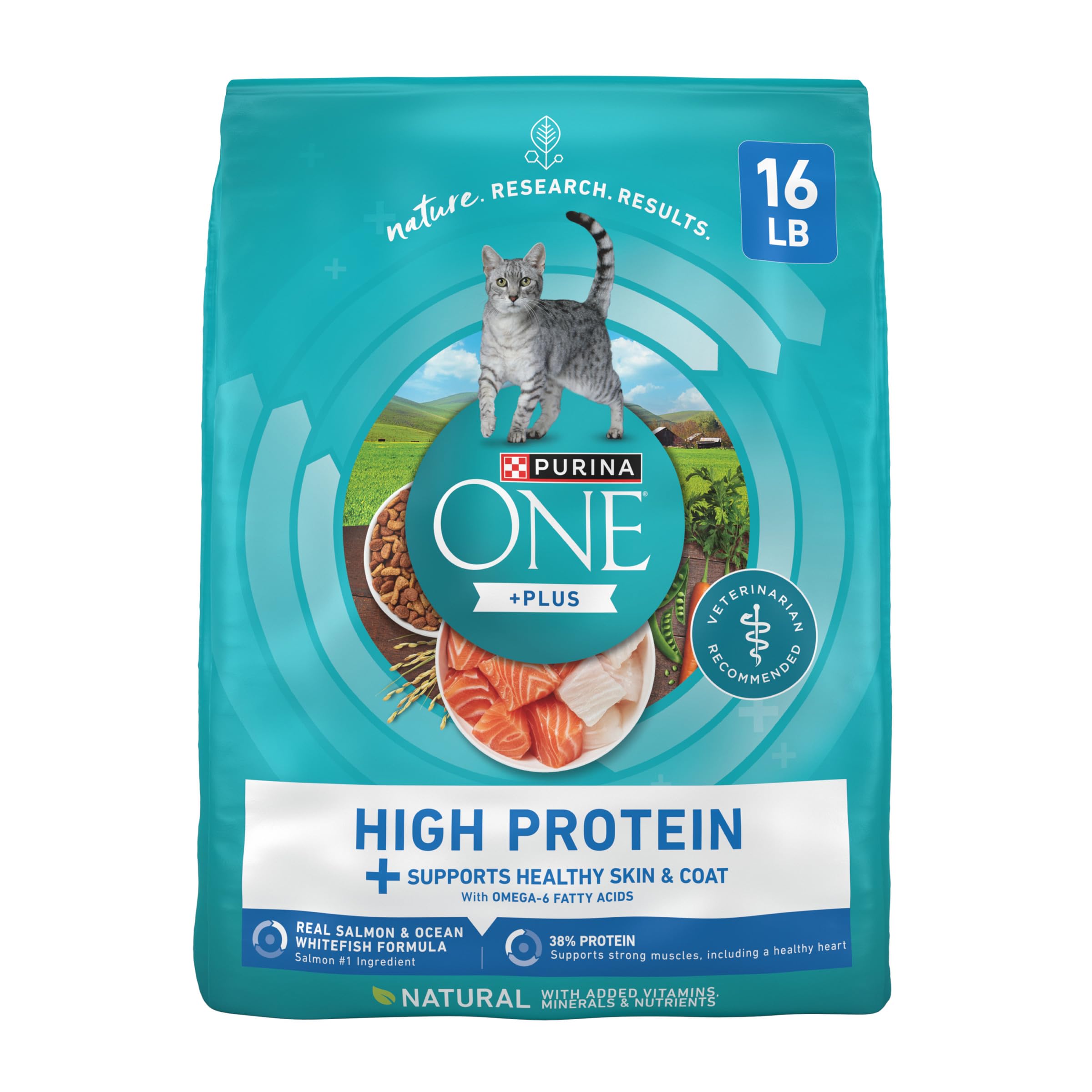
Purina ONE Plus High Protein delivers a strong nutritional foundation for cats experiencing hair loss without stretching your budget. Real salmon and ocean whitefish provide a novel protein source that avoids common poultry triggers, and the 38% protein content supports lean muscle and healthy skin repair. The formula is enriched with omega-6 fatty acids specifically chosen to improve coat shine and reduce dry, flaky skin.
This is a straightforward, no-filler recipe that prioritizes digestibility and consistent nutrition. Cat owners who switched from low-quality brands like Meow Mix or Iams noticed immediate improvements in coat quality, with reduced itching and no vomiting after the transition. The crunchy texture also helps with dental health, and the 16-pound bag offers excellent value for multi-cat households or budget-conscious pet parents.
For a dependable, entry-level option that still addresses the core nutritional drivers of hair loss, Purina ONE Plus is a smart choice. It does not have the specialized clinical focus of premium brands, but it covers the basics exceptionally well at a fraction of the cost.
Why we love it
- Novel fish proteins help avoid poultry allergy triggers
- High protein content for muscle and coat support
- Very affordable for the bag size and ingredient quality
Good to know
- Not as specialized for severe skin conditions as premium formulas
- Some cats may find the kibble too large or hard
Safety & Care Tips
Transition Foods Slowly to Avoid Gut Stress
Switching your cat’s food abruptly can cause vomiting, diarrhea, or refusal to eat — all of which worsen hair loss by adding stress to the system. Over 7 to 10 days, gradually mix increasing amounts of the new food with the old food. Start with 25% new and 75% old, then move to 50/50, then 75/25, and finally 100% new. This slow transition gives your cat’s digestive enzymes and gut bacteria time to adapt, ensuring the nutrients reach the skin and fur where they are needed most.
Rule Out Medical Causes Before Relying on Diet Alone
While nutrition plays a massive role in coat health, hair loss can also stem from parasites like ringworm, hormonal imbalances such as hyperthyroidism, or stress-induced over-grooming. Before committing to a new food, have your veterinarian perform a skin scrape, blood work, or allergy test. Combining the right diet with appropriate medical treatment gives your cat the fastest and most complete recovery. If hair loss persists beyond 8 weeks on a new food, revisit your vet for further investigation.
FAQ
Can food alone stop my cat hair loss?
How long does it take for a new food to improve coat condition?
Is wet food or dry food better for cats with hair loss?
Final Thoughts: The Verdict
For most pet parents, the food for cat hair loss winner is the Blue Buffalo True Solutions Skin & Coat Care because it combines clinically proven omega fatty acids with a poultry-free formula that addresses the most common allergy triggers. If you want a wet food that even sick cats will eat eagerly, grab the Royal Canin Feline Hair & Skin Care. And for a budget-friendly option that still delivers real coat improvements, nothing beats the Purina ONE Plus Salmon & Ocean Whitefish.