
Hearing the words “kidney disease” from your veterinarian is a moment that stops you cold. Suddenly, every kibble decision feels weighted with life-altering consequence, and the sheer number of therapeutic formulas on the market can leave even the most diligent pet parent overwhelmed. You want a diet that supports renal function, tastes good enough to tempt a picky pup, and doesn’t require a second mortgage — and you need to get it right the first time.
I’m Mo Mahin — the founder and writer behind Furric. My deep market research involves cross-referencing nutritional analysis with veterinary safety standards and analyzing hundreds of real owner experiences to separate genuinely effective formulas from cleverly marketed alternatives.
This guide, built on veterinary standards and real-world results, helps you truly choose the best dry dog food for kidney disease with total confidence.
How To Choose The Best Dry Dog Food For Kidney Disease
Selecting a renal diet is about precision, not guesswork. Three factors always dominate the decision: phosphorus concentration, protein adaptability, and palatability mechanics. Understanding these elements helps you navigate the veterinary aisle with clarity rather than confusion.
Phosphorus and Sodium — The Two Pillars of Renal Protection
Every veterinary renal formula tightly restricts phosphorus and sodium. Elevated phosphorus accelerates kidney damage by promoting mineral deposits in renal tissue, while excess sodium strains already compromised organs. Look for guaranteed analysis showing phosphorus below 0.6% on a dry matter basis. Many of the formulas here also feature reduced sodium to manage blood pressure and fluid balance.
Protein Quality Over Quantity
Older thinking demanded ultra-low protein, but modern veterinary nutrition focuses on highly digestible, high-biological-value protein sources. Cage-free turkey, whole eggs, and deboned chicken provide essential amino acids without dumping metabolic waste on the kidneys. Avoid cheap fillers like corn gluten or meat by-products that offer inferior amino acid profiles.
Appetite Support Is a Medical Necessity
Renal disease often suppresses appetite, leading to dangerous weight loss and muscle wasting. The best kibbles incorporate enhanced appetite triggers — natural flavors, fat coatings, or proprietary palatant technologies — to keep dogs eating. Some products use crescent-shaped kibble or fish oil sprays to boost aroma and taste, making mealtime something a sick dog still looks forward to.
Quick Comparison
On smaller screens, swipe sideways to see the full table.
| Model | Type | Best For | Key Feature | Amazon |
|---|---|---|---|---|
| Blue Buffalo KS Kidney Support | Veterinary Diet | Dogs transitioning from wet food | Amazon | |
| Royal Canin Renal Support S | Veterinary Diet | Small breed & finicky eaters | Crescent-shaped kibble for appetite stimulation | Amazon |
| Hill’s Prescription Diet k/d | Veterinary Diet | ActivBiome+ Kidney Defense prebiotic blend | Amazon | |
| Forza10 Renal Support | Limited Ingredient | Sensitive stomachs & Rx rejections | Hydrolyzed protein with cranberries & dandelion | Amazon |
| SquarePet Low Phosphorus Formula | Special Needs Diet | Long-term non-Rx kidney management | Cage-free turkey & whole egg protein | Amazon |
In-Depth Reviews
1. Blue Buffalo Natural Veterinary Diet KS Kidney Support

Blue Buffalo earned its reputation by refusing to use corn, wheat, soy, or artificial preservatives, and the KS Kidney Support formula carries that philosophy into therapeutic nutrition. Controlled protein levels from deboned chicken reduce renal workload, while restricted phosphorus and sodium actively protect remaining kidney function. It requires a veterinary authorization, but the clean ingredient list often appeals to owners who want prescription-level protection without poultry by-products.
The kibble size has been a recurring discussion point among small-dog caregivers. One owner of a sixteen-year-old Chihuahua mentioned the pieces are noticeably larger than standard small-breed kibble, requiring crushing for a nearly toothless senior. On the positive side, a fourteen-year-old dog that outright rejected Hill’s k/d transitioned eagerly to Blue Buffalo and maintained good energy without loose stools or vomiting. A few buyers noted the bag arrived in a vinyl mailer rather than a box, so inspect the seal on delivery.
For owners whose dogs dislike wet food or need a gentle transition from grocery-store kibble, this formula offers a middle path — veterinary rigor with a more natural profile. The palatability is strong enough that even a cat-raid survivor with elevated kidney values ate it willingly when mixed with warm broth.
Why we love it
- No corn, wheat, soy, or poultry by-products
- Excellent acceptance from dogs who refuse other renal diets
- Controlled phosphorus and sodium for kidney protection
- Real chicken as first ingredient
Good to know
- Kibble size may be too large for very small breeds
- Requires veterinary prescription to purchase
- Some bags shipped without protective box packaging
2. Royal Canin Veterinary Diet Canine Renal Support S
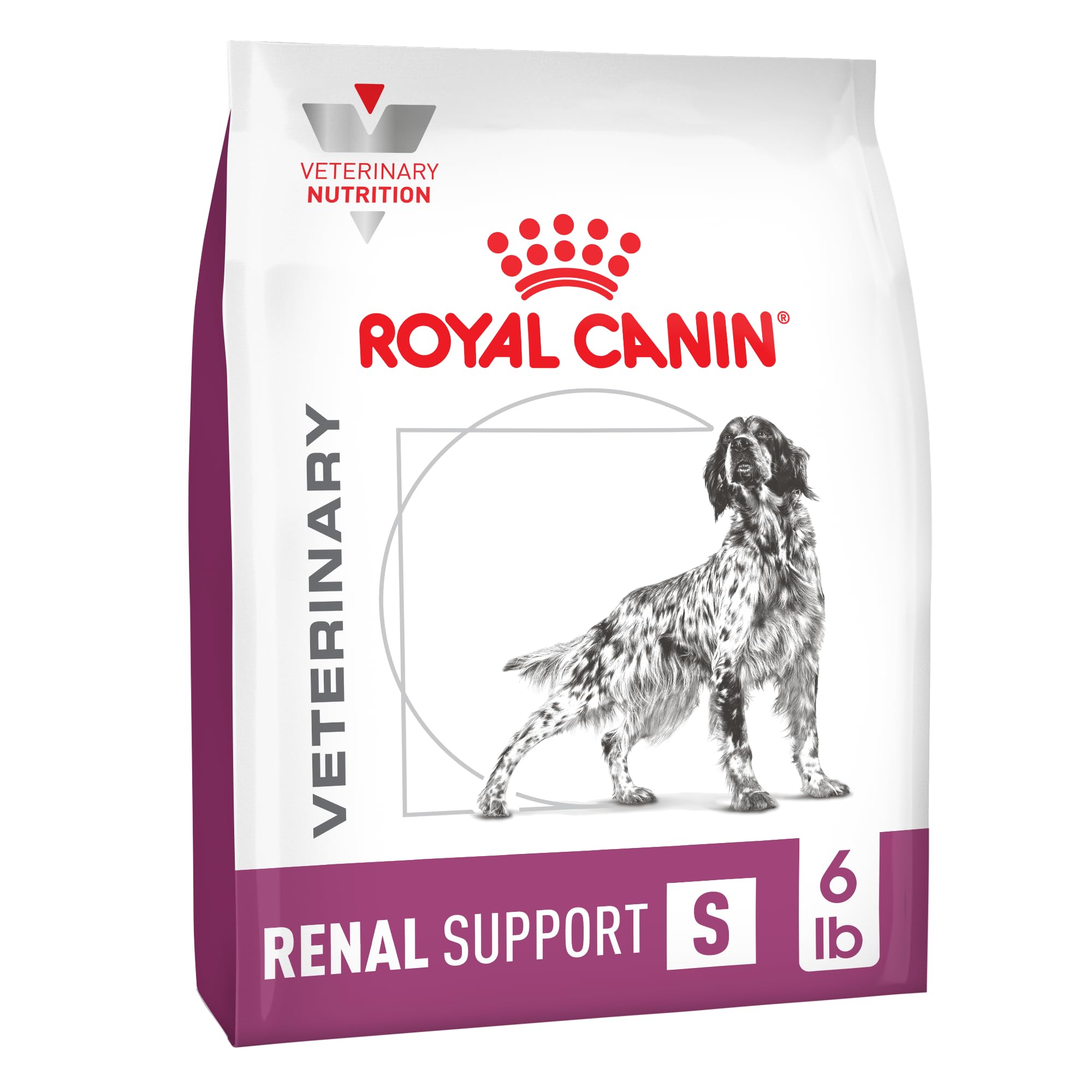
Royal Canin designed the Renal Support S formula with a specific challenge in mind: the dog that stops eating because of nausea or lack of appetite, a common complication of chronic kidney disease. The crescent-shaped kibble isn’t just aesthetic — it increases aroma release and makes the food feel more palatable on the tongue. Energy density is also elevated so that smaller meal volumes still meet caloric needs, which is critical when a dog feels full but hasn’t eaten enough.
Reviews reveal a split between delighted caregivers and those with ultra-picky seniors. A twenty-year-old Labrador retriever refused this food completely, but that same dog had rejected ten other renal and liver formulas. In contrast, multiple owners of smaller dogs with liver shunts or early renal issues reported consistent eating habits and improved clinical stability. One buyer warned that the Amazon price feels steep compared to veterinary clinic pricing, so shop around if you plan to use this long-term. Mixing with warm water or broth turned the kibble into a gravy-like meal that boosted acceptance for several dogs.
This formula excels for small-breed dogs and those who need strong appetite encouragement. The antioxidant complex and fish oil fatty acids support kidney function while the low phosphorus content meets international renal guidelines. If your dog turns up its nose at flatter or larger kibble shapes, the unique crescent is worth the try.
Why we love it
- Unique crescent shape boosts palatability
- Energy-dense formula reduces meal volume needed
- Excellent fatty acid profile from fish oil
- Works well for small breeds and Chihuahuas
Good to know
- Price varies significantly between retailers
- Some extremely picky seniors still refuse it
- Requires veterinary prescription
3. Hill’s Prescription Diet k/d Kidney Care with Lamb

Hill’s Prescription Diet k/d has been the gold standard in veterinary renal nutrition for decades, and the current formula with ActivBiome+ Kidney Defense represents a significant evolution. This proprietary prebiotic blend targets the gut microbiome directly, which early research suggests plays an active role in filtering uremic toxins and protecting kidney function. Paired with reduced phosphorus and sodium, and the Enhanced Appetite Trigger (E.A.T.) system, this kibble aims to keep dogs eating well while preserving lean muscle through higher-than-minimum essential amino acid levels.
Caregivers consistently report positive outcomes. Owners of dogs named Zeus and Missy describe renewed energy, shinier coats, and a genuine enthusiasm for mealtime that had faded before the switch. The lamb flavor is a smart option for dogs who develop chicken sensitivities — a common problem when renal diets are consumed for months or years. One recurring frustration involves automatic reorder shipments that arrive one to three days late, so manual ordering or a slight buffer in inventory is wise. A portion of owners also use the kibble as puzzle-feeder treats, noting the small size works perfectly in wobble balls and snuffle mats.
Clinically proven to lengthen and improve quality of life in dogs with kidney disease, this formula is the most researched option on the list. The combination of microbiome support, appetite stimulation, and muscle preservation makes it the first recommendation for most canine renal patients.
Why we love it
- Clinically proven to improve quality of life
- ActivBiome+ supports kidney-gut connection
- Enhanced Appetite Trigger encourages picky eaters
- Higher essential amino acids for muscle retention
Good to know
- Automatic delivery reliability issues reported
- Requires veterinary prescription
- Premium pricing compared to some competitors
4. Forza10 Renal Support Dry Dog Food
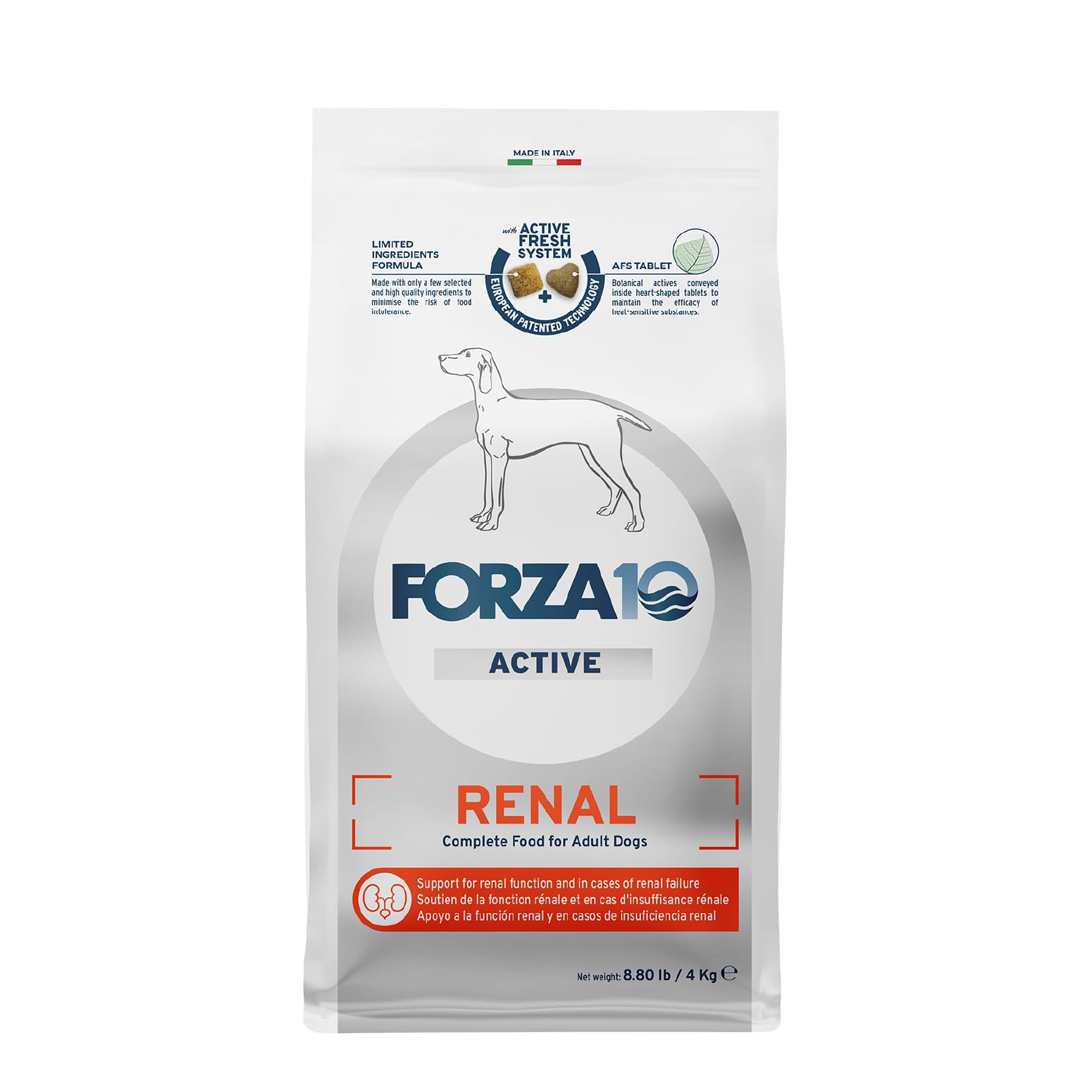
Forza10 is an Italian brand that brings a limited-ingredient, non-prescription approach to renal care — and for dogs who react poorly to standard veterinary diets, it can be life-changing. The formula features hydrolyzed fish protein, which is broken into fragments too small to trigger immune responses, making it suitable for dogs with both kidney disease and food sensitivities. Cranberries and dried dandelion provide natural urinary tract and kidney support, while omega-3 fatty acids reduce systemic inflammation. There are no artificial colors, flavors, or preservatives.
The owner case studies here are remarkable. One German Shepherd with early kidney disease developed ear infections and hot spots on prescription renal foods, but after one month on Forza10, fur regrew and itching stopped entirely. Another caregiver fed this diet for over four years, with their dog surviving to seventeen years old despite kidney disease — a timeline that surprised even their vet. The only consistent complaint is the bag size: 8.8 pounds lasts roughly eleven days for a Labrador, and no larger option is currently available. A few customers mentioned the bag lacks a resealable closure, so a clip or container is recommended.
For pet parents whose dogs have concurrent allergies, inflammatory bowel disease, or skin sensitivities alongside renal issues, Forza10 fills a niche that prescription diets often miss. It requires no veterinary authorization, though involving your vet in the decision remains important for monitoring lab values.
Why we love it
- Hydrolyzed protein prevents allergic reactions
- Natural kidney support from cranberry and dandelion
- No prescription needed for purchase
- Proven long-term success in senior dogs
Good to know
- Small bag size for the price point
- No resealable closure on packaging
- Not returnable once opened
5. SquarePet VFS Low Phosphorus Formula

SquarePet stands out as the only non-prescription entry that still delivers targeted phosphorus and sodium restriction for dogs with special needs. The first ingredient is cage-free turkey, paired with whole eggs to provide high-quality protein that minimizes renal metabolic waste. Added taurine and L-carnitine support heart function and fatty acid metabolism — both areas of concern for aging dogs with kidney involvement. With a 22-pound bag, it also offers the best per-serving value among dedicated renal formulas.
Real-world results are genuinely moving. A thirteen-year-old Chinese Crested diagnosed with Stage 3 CKD and pancreatitis refused Hill’s k/d outright but ate SquarePet willingly. Her guardian continued feeding it for three years, with kidney values holding stable at Stage 3 through age sixteen. Another owner with a Pit Bull mix in early Stage I/II kidney disease combined this kibble with a low-phosphorus supplement and saw creatinine return to normal range within weeks. The downside? It smells less appetizing than other options — one owner described the aroma as “cardboard” — and some dogs need a gradual transition or a palatable topper to fully commit.
For caregivers frustrated by prescription-only barriers who still want scientifically sound renal nutrition, SquarePet offers freedom without sacrificing dietary precision. The long track record with senior and special-needs dogs makes it a trusted choice for long-term management.
Why we love it
- No prescription required for purchase
- Large 22-pound bag offers better value
- High-quality cage-free turkey and whole eggs
- Proven to stabilize kidney values long-term
Good to know
- Less aromatic than other renal foods
- Some dogs require a topper to accept it
- Premium price per bag despite larger quantity
Safety & Care Tips
Transition Slowly to Avoid GI Upset
Switching to a renal diet too quickly can cause vomiting or diarrhea, which is especially dangerous for a dog with compromised kidneys. Over seven to ten days, gradually increase the proportion of new food while decreasing the old. If your dog refuses to eat, mix a small amount of warm water or low-sodium chicken broth into the kibble to boost aroma.
Monitor Water Intake Daily
Kidney disease impairs the organ’s ability to concentrate urine, leading to dehydration. Always provide fresh, clean water and consider adding moisture to meals. If you notice your dog drinking excessively or not enough, track the volume and share the data with your veterinarian. Wet food rotation or broths can help maintain hydration alongside dry kibble.
FAQ
When should I switch my dog to a kidney support diet?
Can I feed non-prescription food to a dog with kidney disease?
What is the difference between renal prescription diets and regular senior dog food?
Final Thoughts: The Verdict
For most pet parents, the best dry dog food for kidney disease winner is the Hill’s Prescription Diet k/d because its research-backed ActivBiome+ technology and appetite trigger make it the most complete renal solution available. If you need a non-prescription alternative with proven long-term results, grab the SquarePet Low Phosphorus Formula. And for a dog with a sensitive stomach that refuses standard veterinary diets, nothing beats the Forza10 Renal Support with hydrolyzed protein.