
Your chinchilla’s digestive system depends on a single non-negotiable: unlimited, high-fiber grass hay. But not all hay is created equal. Some bags arrive dusty and brown, others contain stems too coarse for sensitive mouths, and a few are cut so late they lose nutritional value. Getting it right means the difference between a chinchilla that thrives and one that struggles with dental disease or gut stasis.
I’m Mo Mahin — the founder and writer behind Furric. I’ve spent months analyzing hay sourcing practices, studying veterinary fiber requirements for small herbivores, and reading thousands of real owner reviews to understand which brands actually deliver on freshness and consistency.
After evaluating fiber quality, dust levels, and palatability across dozens of options, this guide reveals the best hay for chinchillas that supports both dental health and steady digestion.
How To Choose The Best Hay For Chinchillas
Chinchillas are obligate herbivores with a gastrointestinal tract built for continuous grazing. Their teeth grow constantly — up to 12 inches per year — and hay provides the abrasive fiber needed to wear them down naturally. Selecting the right hay directly impacts your pet’s long-term health.
Fiber content and cutting number
First-cutting timothy hay is coarser with more stems and seed heads, offering maximum dental wear. Second-cutting hay contains a softer leaf-to-stem ratio, making it easier to eat while still providing ample fiber. Third-cutting hay is the softest but lowest in structural fiber. For adult chinchillas, first or second cutting timothy is ideal. Young, growing chinchillas may benefit from the extra calcium and protein in alfalfa hay, but it should be limited for adults to avoid urinary issues.
Dust levels and freshness
Dusty hay can trigger respiratory problems in chinchillas, which have sensitive respiratory tracts. Look for hay labeled “dust free” or “low dust.” Fresh hay smells sweet and grassy, not musty or sour. Avoid bags with yellowing or browning throughout — green color indicates proper drying and nutrient retention.
Sourcing and additives
The best hay comes from farms that grow it specifically for small animals, not livestock. Livestock hay is often cut later, resulting in coarser, less nutritious forage. Choose brands that use hot-air drying instead of field-curing to lock in nutrients and prevent mold. Avoid hay with added flavors, preservatives, or artificial coloring.
Quick Comparison
On smaller screens, swipe sideways to see the full table.
| Model | Type | Best For | Key Feature | Amazon |
|---|---|---|---|---|
| High Desert 2nd Cutting | Timothy Hay | All-around daily feeding | Leafy 2nd cutting, 4 lb box | Amazon |
| Small Pet Select Ultra Soft | Timothy Hay | Picky & senior pets | Ultra-soft, picky pet guarantee | Amazon |
| Ohcool Timothy Hay | Timothy Hay | Dust-sensitive chinchillas | Dust free, chemical free | Amazon |
| Kaytee Timothy Hearty Hay | Timothy Hay | Budget-friendly staple | High fiber, hearty crunch | Amazon |
| Grandpa’s Best Alfalfa Hay | Alfalfa Hay | Young or underweight chinchillas | Soft alfalfa, high fiber | Amazon |
In-Depth Reviews
1. High Desert 2nd Cutting Timothy Hay
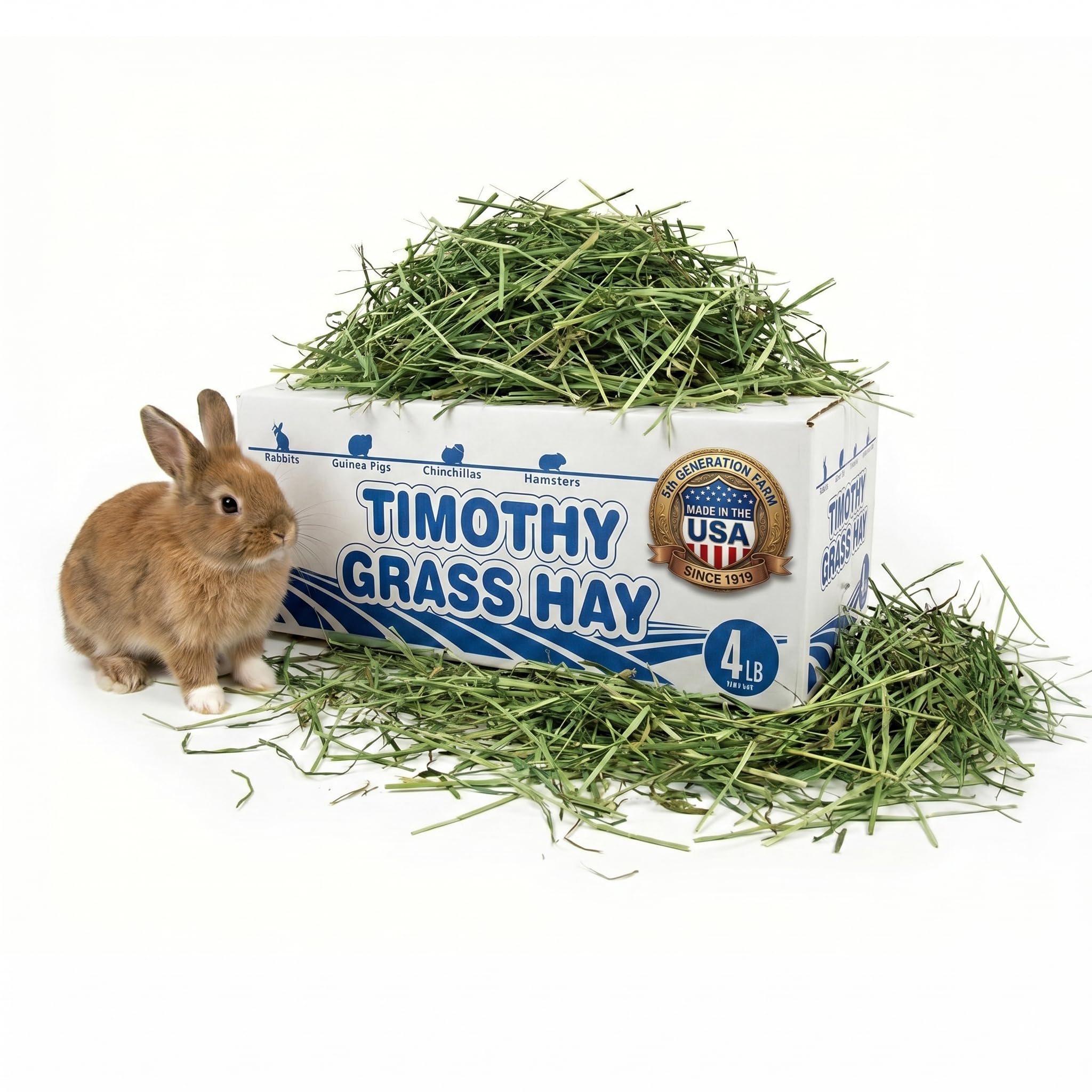
High Desert has built a loyal following among small animal owners who refuse to settle for dusty, stem-heavy hay. This 4-pound box contains second-cutting timothy that leans heavily toward soft, leafy material — exactly what chinchillas prefer when given a choice. The aroma upon opening is distinctly sweet and grassy, a reliable indicator that the hay was dried and stored correctly.
What sets this product apart is the consistent texture across every box. Each flake arrives with a balanced mix of tender leaves and pliable stems that encourage natural foraging behavior without overwhelming picky eaters. The hay is packed in breathable cartons rather than sealed plastic bags, which helps preserve freshness and prevents moisture buildup that can lead to mold. Many owners report their chinchillas go through this hay faster than other brands, which is the truest endorsement a hay can receive.
If you want a single hay that works for daily feeding, promotes steady dental wear, and satisfies even selective eaters, this is the one to buy. The 4-pound box offers excellent value for the quality, and the all-natural, additive-free formulation gives you peace of mind with every handful.
Why we love it
- Consistently soft and leafy texture chinchillas love
- Hand packed in breathable boxes for freshness
- No additives, preservatives, or artificial anything
- Generous 4-pound quantity reduces reorder frequency
Good to know
- Premium pricing compared to basic feed-store hay
- Some owners of very young chinchillas may prefer first cutting for extra coarseness
2. Small Pet Select Premium Ultra Soft Timothy Hay

Small Pet Select built its reputation on solving one specific problem: hay that picky pets actually eat. This 15-ounce bag of ultra-soft timothy hay is designed for chinchillas who turn up their noses at coarse, stem-heavy forage. The hay is sourced from the second and third cuttings, which naturally produce finer, more tender leaves that are easier to chew and digest.
The texture here is noticeably softer than standard timothy hay, making it an excellent choice for senior chinchillas with dental sensitivity or younger pets recovering from illness. The hay arrives bright green with a fresh, clean scent — no mustiness, no browning. Small Pet Select backs every bag with a 100% freshness guarantee, and the company is known for responsive customer service if a batch doesn’t meet expectations. Many long-time chinchilla owners describe this as the “secret weapon” for winning over a stubborn eater.
Keep in mind that the 15-ounce bag is relatively small, so households with multiple chinchillas will need to reorder frequently. But for owners struggling with a pet that leaves most of its hay untouched, the premium price per ounce is well worth the peace of mind.
Why we love it
- Remarkably soft texture ideal for senior or sick chinchillas
- Fresh, green appearance with strong grassy aroma
- Backed by a 100% satisfaction guarantee
- Entices even the most selective eaters
Good to know
- Small 15-ounce bag requires frequent reordering
- Higher cost per ounce than standard timothy options
3. Ohcool Timothy Hay

Ohcool’s timothy hay stands out for its rigorous approach to dust removal and chemical-free growing practices. The company states it has never used chemicals on its fields, and the hay is grown on an organic ranch with no synthetic fertilizers or pesticides. For chinchilla owners concerned about respiratory health, this is a compelling feature.
The hay undergoes hot-air drying rather than field-curing, a process that locks in nutrients and prevents the growth of mold spores. The resulting product contains more leaves and fewer flowers than typical timothy hay, giving chinchillas access to the most nutritious parts of the plant. The dust level is genuinely low — shaking a handful produces minimal particulate matter, which is a relief for owners whose pets have shown sneezing or eye irritation with other brands. The 1.1-pound bag is modest in size, but the quality per ounce is exceptional.
This is an especially strong choice for chinchillas with known respiratory sensitivities or for owners who want the cleanest possible hay. The chemical-free growing process and dust-free guarantee make it a standout in a category where those claims are often overstated.
Why we love it
- Genuinely low dust — minimal particulate when shaken
- Grown without any chemicals or pesticides
- Hot-air drying preserves nutrients and prevents mold
- High leaf-to-stem ratio for better nutrition
Good to know
- 1.1-pound bag is on the smaller side
- Relatively new brand with fewer long-term reviews
4. Kaytee Timothy Hearty Hay

Kaytee is a household name in the small animal world, and their Timothy Hearty Hay remains a solid entry-level choice for chinchilla owners. This first-cutting hay is intentionally coarse and crunchy, which provides excellent dental abrasion for adult chinchillas. The 3-pound bag offers a good amount of hay at an accessible price point, making it a practical option for multi-pet households or owners on a tighter budget.
The hay is grown specifically for small animals (not repurposed livestock hay) and is naturally free from pesticides. Every batch delivers a consistent stem-to-leaf ratio that supports healthy digestion. Some owners note that the coarseness can be off-putting to particularly picky chinchillas, especially those accustomed to softer second-cutting hay. The bag packaging is standard and functional but doesn’t offer the same freshness protection as breathable boxes used by premium brands.
For chinchilla owners who want a reliable, proven hay without premium pricing, Kaytee delivers exactly what it promises. It’s not the softest or most luxurious option on the list, but it’s a dependable staple that has served small animals well for decades.
Why we love it
- Trusted brand with decades of small animal expertise
- Hearty first-cutting texture promotes dental wear
- Grown specifically for small animals, not livestock
- 3-pound bag offers solid value for daily feeding
Good to know
- Coarse texture may not suit picky or senior chinchillas
- Bag packaging is less ideal for long-term freshness
5. Grandpa’s Best Alfalfa Hay

Grandpa’s Best offers an alfalfa hay option that serves a specific but important role in chinchilla nutrition. Alfalfa hay is higher in calcium and protein than timothy hay, making it suitable for growing juveniles, pregnant or nursing females, and underweight chinchillas that need extra calories. This 2.5-pound bag features a soft, flakey texture that is easy to chew and highly palatable.
The hay is free from additives and preservatives, with a consistent moisture content that prevents molding during storage. For adult chinchillas, alfalfa should be treated as a supplement rather than a primary hay, but Grandpa’s Best makes it easy to offer as an occasional treat or mixed in smaller quantities with timothy hay. The soft texture is particularly useful for chinchillas recovering from dental procedures or those with sore mouths.
Owners should monitor calcium intake when feeding alfalfa regularly, but used appropriately, Grandpa’s Best Alfalfa Hay is a high-quality option for specific life stages and health needs. It fills an important niche in a well-rounded chinchilla diet.
Why we love it
- Soft, flakey texture ideal for young or recovering chinchillas
- Higher calcium and protein for specific life stages
- Free from additives and preservatives
- Consistent quality across batches
Good to know
- Alfalfa is too rich for daily adult chinchilla feeding
- 2.5-pound bag is moderate in size
Safety & Care Tips
Store hay properly to maintain freshness
Hay should be kept in a cool, dry place with good air circulation. Avoid storing it in sealed plastic bags, which can trap moisture and encourage mold growth. Breathable containers like cardboard boxes or paper bags allow hay to stay fresh longer. If you buy in bulk, only open one bag at a time and keep the rest sealed in a dry area away from direct sunlight.
Recognize signs of spoiled hay
Before feeding, inspect hay for discoloration, musty odors, or visible mold. Hay that smells sour or damp should be discarded immediately. Chinchillas are sensitive to mycotoxins produced by mold, which can cause digestive upset or more serious health issues. If your chinchilla suddenly stops eating hay, check the current batch for spoilage and consult your veterinarian if the behavior persists.
FAQ
How much hay should I feed my chinchilla daily?
What is the difference between timothy hay and alfalfa hay?
Should I choose first cutting or second cutting hay for my chinchilla?
Final Thoughts: The Verdict
For most chinchilla owners, the best hay for chinchillas winner is the High Desert 2nd Cutting Timothy Hay because it delivers consistent leafy texture, impressive freshness, and enough quantity to keep your pet well-fed between orders. If your chinchilla is a selective eater or has dental sensitivity, grab the Small Pet Select Ultra Soft Timothy Hay. And for dust-sensitive chinchillas that need the cleanest possible forage, nothing beats the Ohcool Timothy Hay with its chemical-free growing process and hot-air drying technology.