
Setting up a betta tank should feel exciting, not frustrating. But if you have ever stared at a cloudy aquarium waiting days for it to clear, you know the struggle is real. The ground your betta rests on matters more than most people realize, and picking the wrong one can mean extra work, stressed fish, and murky water that just won’t cooperate.
I’m Mo Mahin — the founder and writer behind Furric. My approach to selecting the best betta substrate blends deep market analysis with a close look at bacterial seeding, grain safety, and pH stability based on real owner feedback and veterinary standards.
Through deep research on bacterial seeding, grain safety, and pH buffering, I found the best betta substrate for a healthy, clear, and low-maintenance tank.
How To Choose The Best Betta Substrate
Not all substrates are created equal, and bettas have specific needs that set them apart from community fish. The wrong grain size can tear delicate fins, while poor pH buffering can stress your fish. Let me walk you through the three most important factors so you can shop with confidence.
Grain Size and Fin Safety
Betta fins are long, delicate, and prone to tearing. Sharp or oversized gravel can snag and damage them, leading to infection. Fine sand or smooth, small pellets are the safest choices. Grains around 1 to 2 millimeters let your betta sift comfortably without risk, and they also make it easier for beneficial bacteria to colonize the surface area.
Bio-Active vs. Inert Substrates
Bio-active substrates come pre-loaded with live nitrifying bacteria that kick-start the nitrogen cycle. This is a huge advantage if you are setting up a new tank because it reduces the cycling wait dramatically. Inert substrates like plain gravel or sand are cheaper but require you to establish your own bacteria colony, which can take weeks. For most betta keepers, a bio-active option saves time and reduces early headaches.
pH Buffering and Plant Support
Bettas thrive in slightly acidic to neutral water, typically in the 6.5 to 7.0 range. Some substrates are formulated to buffer pH downward, which is ideal for planted tanks. If you plan to keep live plants, look for a substrate rich in nutrients that also supports root growth. Stratum-based options excel here but may cloud water temporarily during setup.
Quick Comparison
On smaller screens, swipe sideways to see the full table.
| Model | Type | Best For | Key Feature | Amazon |
|---|---|---|---|---|
| Fluval Plant and Shrimp Stratum | Stratum | Planted betta tanks | pH buffering + nutrient-rich | Amazon |
| Seachem Fluorite Black Sand | Sand | High-end planted aquariums | Ultra-fine grain with iron-rich nutrients | Amazon |
| Aqua Natural Sugar White Sand | Bio-Sand | Instant cycling setups | Seeded with live nitrifying bacteria | Amazon |
| Activ Betta Black Gravel | Gravel | Small tanks and nano setups | Live beneficial elements for instant cycling | Amazon |
| FANTIAN Pea Gravel | River Rock | Decorative budget-friendly tanks | 1/4-inch smooth river pebbles | Amazon |
In-Depth Reviews
1. Fluval Plant and Shrimp Stratum
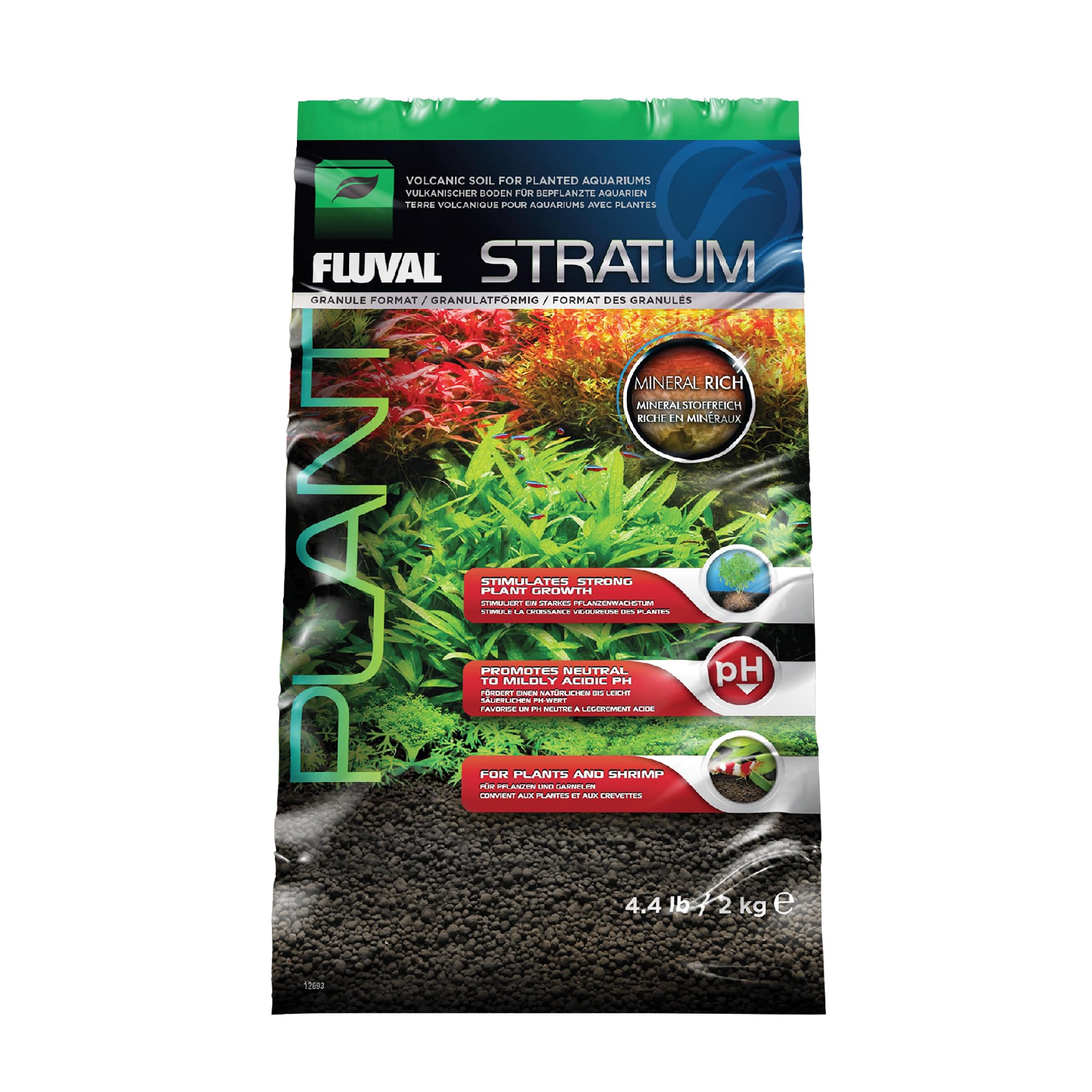
Fluval’s Plant and Shrimp Stratum has earned a devoted following among planted tank enthusiasts, and for good reason. This dark, porous substrate is engineered specifically to support strong plant growth while maintaining a neutral to slightly acidic pH range. The granules are lightweight and smooth, making them gentle on betta fins while providing plenty of surface area for beneficial bacteria to colonize. It arrives pre-moistened and ready to use with no rinsing required, which cuts down on setup time considerably.
The porous structure does more than host bacteria — it also acts as a natural buffer against pH swings, a critical feature for bettas who are sensitive to sudden changes. Shrimp keepers especially love how the stratum provides hiding spots for newborn shrimp, and betta owners appreciate the way it makes plants thrive. Some users note that the water turns cloudy for the first day or two, but trust the process: it settles crystal clear by day three. A 4.4-pound bag covers about a 5-gallon tank at a depth of 1.5 inches, so buy two bags for larger setups.
If you want a substrate that does the heavy lifting for plant growth, pH stability, and fin safety all at once, this is the one. It is our top pick because it removes guesswork and delivers consistent results across a wide range of tank setups.
Why we love it
- Buffers pH to ideal betta range
- Excellent root support for live plants
- No rinsing needed before use
- Safe for delicate fins and shrimp
Good to know
- Water may stay cloudy for 24-48 hours
- Lightweight pellets can float if poured too fast
- Higher cost per pound than inert options
2. Seachem Fluorite Black Sand

Seachem is a name aquarists trust, and Fluorite Black Sand lives up to that reputation. This is not your standard play sand — it is a naturally porous, iron-rich substrate designed specifically for planted aquariums. The grain size is incredibly fine, almost like powder, which makes it the safest possible option for bettas with long, flowing fins. There is no sharp edge to catch on, and the deep black color creates a stunning contrast that makes your betta’s colors pop like never before.
The biggest trade-off is the rinsing required. Multiple owners emphasize that you must rinse this sand thoroughly to remove embedded dust, or your tank will look like a storm cloud for days. Once rinsed, though, the sand settles into a beautiful, uniform bed that plants root into easily. The iron content feeds root-feeding plants naturally, reducing the need for liquid fertilizers. A single 7.7-pound bag provides enough depth for a 10-gallon tank, making it a solid value for larger planted setups.
This substrate is ideal for the hobbyist who wants a show-stopping planted tank and does not mind a little extra prep work. The visual payoff is absolutely worth it.
Why we love it
- Ultra-fine grain protects betta fins
- Rich black color enhances fish appearance
- Iron-rich composition feeds plants
- Large bag covers bigger tanks
Good to know
- Requires thorough rinsing before use
- Initial dust cloud can be heavy
- Not bio-active — cycling is needed
3. Aqua Natural Sugar White Sand Bio-Substrate

Aqua Natural took a clever approach with this product: they pre-seeded their fine sugar white sand with live nitrifying bacteria, so you get instant biological filtration right out of the bag. The directions explicitly say not to rinse it, which is unusual for sand, but that is because rinsing would wash away the beneficial bacteria you are paying for. Just pour it directly into your tank, add water slowly, and your cycle starts immediately. The grain size is soft and comfortable for bettas to rest on, and the off-white color gives the tank a clean, natural aesthetic.
Users consistently praise how easy it is to work with. One reviewer mentioned that even without rinsing, there was no dust or cloudiness — just clear water from the start. The sand is pre-moistened to keep the bacteria alive, so the bag feels damp when you open it, which is normal. At 5 pounds, a single bag covers roughly a 5-gallon tank to about a 1-inch depth. If you want a deeper bed for plants, you will need a second bag. The bacteria are formulated to work alongside any additional inert substrate you want to mix in.
This is the smart choice for anyone who wants to skip the cycling waiting game entirely. It is simple, effective, and removes the biggest frustration of setting up a new betta tank.
Why we love it
- Live bacteria cycle the tank instantly
- No rinsing means zero dust
- Soft, fine sand safe for betta fins
- Natural off-white color looks clean
Good to know
- Small bag size for the price
- Moist bag may surprise new users
- Not ideal for heavy planted root systems
4. Activ Betta Black Aquarium Gravel

Activ Betta’s black gravel is a purpose-built substrate for betta keepers who want a quick, no-hassle cycling experience. Like the Aqua Natural sand, this gravel contains live beneficial elements that help establish your biological filter immediately. The grain size is small enough to be comfortable for bettas but large enough that it will not get sucked up by a standard gravel vacuum during water changes. The deep black color provides a dramatic backdrop that makes red, blue, and purple bettas absolutely glow.
The main limitation here is bag size. Each bag is only 1 pound, and several users noted that two bags barely cover a 3-gallon tank. For a standard 5-gallon setup, you will likely need three to four bags, which adds up. That said, the gravel itself is high quality with a slight natural sparkle that catches the light beautifully. A few brown specks are mixed in, which appear to be components of the bio-active formula rather than impurities. The gravel does not cloud water when added carefully, and the bio-elements help keep ammonia and nitrite spikes under control during the first few weeks.
This is a solid pick for nano tanks and hospital tanks where you need quick cycling and a bold aesthetic. Just plan for multiple bags if your tank is larger than 2 gallons.
Why we love it
- Bio-active formula speeds cycling
- Bold black color enhances betta appearance
- Easy to vacuum without losing gravel
- Minimal clouding during setup
Good to know
- Very small bag size for the cost
- Multiple bags needed for most tanks
- Some mixed brown specks in the black
5. FANTIAN Pea Gravel

FANTIAN’s pea gravel offers a completely different approach — it is a natural river rock product meant for both aquarium use and decorative landscaping. The stones average about a quarter-inch in size, which is larger than ideal for betta fin safety, but the smooth, tumbled edges reduce the risk of tearing. The mixed natural colors give the tank a rustic, outdoorsy look that appeals to hobbyists who want a more earthy aesthetic. At 5 pounds per bag, the volume is generous for the price point, easily covering a 10-gallon tank at a shallow depth.
The key to using this gravel successfully is thorough washing. Multiple cycles of rinsing are needed to remove the fine dust that accumulates during packaging. One reviewer mentioned that the initial rinse water was quite dirty, but after thorough cleaning, the gravel looked great in the tank. The stones are naturally porous, which helps with biological filtration once bacteria colonize them. Keep in mind that this is an inert substrate — it contains no nutrients or live bacteria, so you will need to cycle your tank manually and supplement with root tabs if you want live plants.
If you are on a tight budget and prefer a natural riverbed look, this gravel does the job. It is best suited for experienced keepers who understand the extra prep work involved.
Why we love it
- Very affordable for the volume
- Smooth, tumbled stones are fin-safe
- Natural mixed colors look realistic
- Works for tanks and garden projects
Good to know
- Needs heavy rinsing to remove dust
- Inert — no nutrients or live bacteria
- Larger grain size may trap debris
Safety & Care Tips
Rinse or Don’t Rinse?
Some substrates explicitly tell you not to rinse them. Bio-active products contain live bacteria that you will wash away if you rinse. Inert gravels and sands, on the other hand, almost always need a thorough rinse to remove dust. Always read the package instructions before you open the bag. When in doubt, place a small handful in a glass of water and swirl it — if the water turns cloudy, rinse the whole batch.
Depth and Maintenance
For betta tanks, aim for a substrate depth of 1 to 1.5 inches. This is enough for plant roots to anchor without creating dead zones where debris can rot. Use a gravel vacuum during water changes to gently stir the top layer and remove waste. Avoid deep cleaning that disturbs the entire bed, as this can crash your biological filter. A light surface vacuum every two weeks is all you need.
FAQ
What is the best substrate for a betta fish tank?
Can I use regular aquarium gravel for bettas?
Should I rinse bio-active substrate before adding it to my tank?
Final Thoughts: The Verdict
For most betta keepers, the best betta substrate winner is the Fluval Plant and Shrimp Stratum because it combines pH buffering, plant nutrition, and fin-safe texture in one easy package. If you want instant cycling without the wait, grab the Aqua Natural Sugar White Sand Bio-Substrate. And for a show-stopping planted tank with stunning visual contrast, nothing beats the Seachem Fluorite Black Sand.