
Your cat can’t tell you why they’re scratching, vomiting, or hiding. A physical examination reveals symptoms, but the root cause—genetic disease risk, hidden food sensitivities, or breed-specific predispositions—lives in their DNA. That’s where a targeted genetic analysis steps in to replace guesswork with a data-backed care plan.
I’m Mo Mahin — the founder and writer behind Furric. I’ve spent years evaluating the scientific accuracy of feline genomic testing, cross-referencing veterinary genetic databases, and analyzing aggregated pet-owner feedback to separate clinically useful reports from generic marketing fluff.
Whether you’re managing a sensitive tummy or preparing for a senior cat’s routine, the right cat dna test delivers breed breakdown, disease screening, and dietary insight from a single cheek swab or hair sample.
How To Choose The Best Cat DNA Test
A DNA test for your cat isn’t a single type of product. You’ll find three broad categories: true genetic genotyping that analyzes saliva for inherited diseases and breed markers, food intolerance screening that tests hair for ingredient sensitivities, and microbiome analysis that evaluates stool for gut bacterial balance. Each serves a different purpose, so matching the test type to your specific concern is the first critical step.
Health Panel Depth vs. Breed Reference Panel Size
The number of genetic health conditions screened is the most concrete metric for clinical value. A test that covers 45 conditions—including hypertrophic cardiomyopathy and progressive retinal atrophy—provides genuinely actionable data for a veterinary care plan. A test that screens only 3 or 4 generic markers is essentially a novelty. Similarly, the breed reference panel determines whether a mixed-breed cat’s ancestry report is vague (“Asian group”) or specific (“60% Maine Coon, 25% Persian”). Wisdom Panel and Basepaws lead with the largest reference databases; smaller brands often return generic clusters.
Sample Type: Saliva Swab vs. Hair vs. Stool
Saliva swabs collect buccal epithelial cells for true DNA extraction and are the gold standard for breed and disease genotyping. Hair samples are used by food intolerance tests (5Strands, UCARI) to detect dietary stress markers via bioresonance or similar methods—these do not sequence DNA and are not equivalent to genotyping. Stool microbiome analysis (Petivity) assesses gut bacterial diversity but does not evaluate inherited genetic risks. Do not confuse one type for the other; they answer completely different questions.
Result Turnaround and Veterinary Support
Most full DNA genotyping services return results in 4 to 6 weeks from sample receipt. Hair-based intolerance tests often deliver within 48 hours to 4 days. If a test flags an “at risk” health result, confirm whether the company provides a free veterinary genetics consultation. Wisdom Panel includes this service, which can save you a specialist referral fee and help your vet interpret raw marker data correctly.
Quick Comparison
On smaller screens, swipe sideways to see the full table.
| Model | Category | Best For | Key Spec | Amazon |
|---|---|---|---|---|
| Wisdom Panel Complete | True DNA Genotyping | Comprehensive health + breed | 45 health conditions, 70+ breeds | Amazon |
| Basepaws Cat DNA Test | True DNA Genotyping | Dental health + disease screening | 43 diseases, oral health report | Amazon |
| Koko Genetics Starter | True DNA Genotyping | Budget-friendly global ancestry | Breed + health + family tree | Amazon |
| Petivity Microbiome Analysis | Gut Bacteria Analysis | Digestive health assessment | Stool microbiome, Purina-backed | Amazon |
| EpiPaws Pet Age Test | Epigenetic Age Test | Estimating age for rescues | Dental health + disease screening | Amazon |
| 5Strands Raw & Fresh Food Test | Hair Intolerance | Raw/fresh food diet sensitivities | 400+ ingredients, hair analysis | Amazon |
| UCARI Pet Sensitivity Test | Hair Intolerance | Quick food sensitivity screening | 350+ items, hair-based | Amazon |
In‑Depth Reviews
1. Wisdom Panel Complete Cat DNA Test

Wisdom Panel leverages the world’s largest feline breed reference panel—covering 70+ breeds and populations—so mixed-breed ancestry reports are granular rather than vague. The test screens for 45 genetic health conditions including hypertrophic cardiomyopathy, polycystic kidney disease, and progressive retinal atrophy, which are the three most clinically significant inherited feline diseases. Each swab also identifies blood type, a critical data point for emergency transfusions.
If any health result returns as “at risk,” Wisdom Panel includes a free consultation with a veterinary geneticist. That single service can save hundreds in specialist fees and ensures your vet receives an expert interpretation of raw marker data. The physical kit includes a sterile buccal swab, registration barcode, and a prepaid return envelope with tracking.
Physical trait analysis covers 25+ markers including coat color, pattern, ear shape, and tail length. Results arrive within 2 to 3 weeks from lab receipt. With over 5 million pets tested globally, the database depth is unmatched for feline genotyping.
Why we love it
- 45 genetic health screens covering the most relevant feline diseases
- Free veterinary genetics consult for any at-risk result
- 70+ breed reference panel delivers precise mixed-breed ancestry
- Blood type identification included in the standard report
Good to know
- Premium-tier pricing reflects the comprehensive panel depth
- Not designed for food intolerance screening—separate test required
2. Basepaws Cat DNA Test Kit
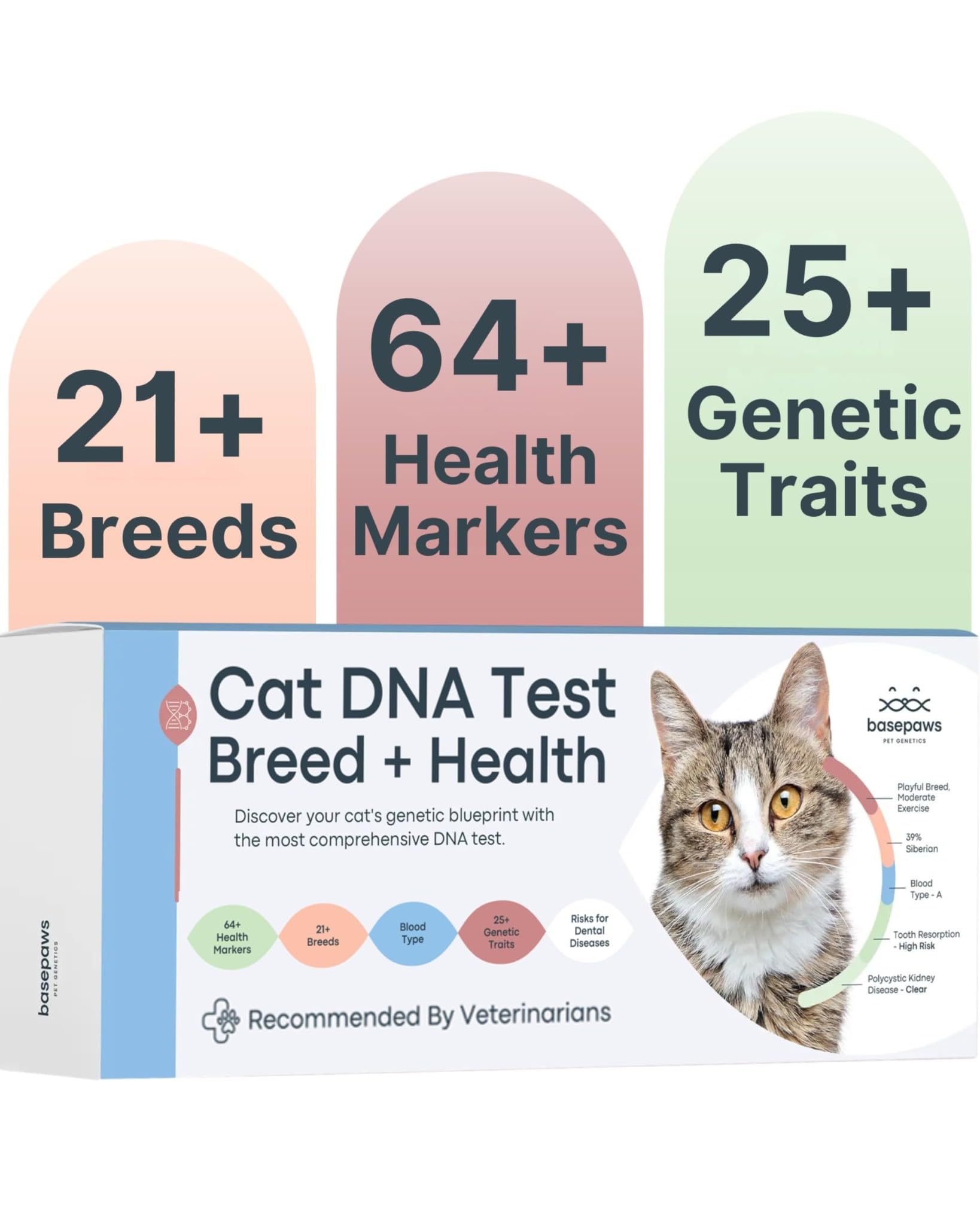
Basepaws is currently the only cat DNA test on the market that includes an active oral health report. Since 70 to 90 percent of cats over three years old have some form of periodontal disease, this specific feature makes Basepaws uniquely relevant for proactive dental care. The test screens for 64 health markers associated with 43 diseases, including feline immunodeficiency virus resistance markers and several forms of cancer predisposition.
Breed similarity analysis covers over 20 distinct breed groups, but the report is presented as “breed similarity” percentages rather than a definitive ancestry tree—a subtle but important distinction from Wisdom Panel’s direct breed assignment. Physical trait markers exceed 50, covering everything from paw color to ear tufts and tail kinks. The sample collection uses a standard buccal swab; you register the kit online, swab for 15 seconds per cheek, and mail it back in the prepaid envelope.
Results arrive within 4 to 6 weeks. The online dashboard is intuitive, presenting health risk levels as “elevated,” “typical,” or “not detected” with clear veterinary-reviewed explanations. Basepaws also updates its reference panel periodically, and existing users receive the updated report at no additional cost.
Why we love it
- Only test with a dedicated feline oral health analysis report
- 64 health markers covering 43 diseases, including cancer markers
- Free automated updates when the breed reference panel expands
- Simple at-home swab with clear online dashboard
Good to know
- Breed analysis is similarity-based, not definitive ancestry assignment
- No blood type screening included
- Turnaround is at the longer end (4–6 weeks)
3. Koko Genetics DNA Test for Cats Starter
Koko Genetics combines breed identification, genetic disease screening, and a family tree feature into a single mid-range kit. The test analyzes tens of thousands of genetic markers for breed ancestry and dozens of health conditions, covering coat types, eye colors, food allergies, heart conditions, and hip health. The family tree visualization lets you explore your cat’s ancestry across multiple generations and connect with potential relatives globally through the DNA Connect feature.
One standout policy: Koko provides no-cost updates to the test panel as new health conditions and breed markers are added. If a new genetic disease is discovered next year, your existing test receives the updated analysis without additional payment. The sample kit uses two oral swabs and includes a cardboard return box. Results are delivered through a browser-based interface designed for simple navigation.
Regulated under European legislation, Koko emphasizes encrypted data storage and GDPR-compliant privacy protocols. The Starter kit covers the core breed, health, and trait categories, and you can upgrade to a more detailed plan later without retesting. Turnaround time is 4 to 6 weeks from sample receipt, and the company requires the sample to be returned from the same country of purchase to avoid additional shipping costs.
Why we love it
- Family tree and global DNA Connect feature for ancestry enthusiasts
- No-cost updates when the health panel expands
- GDPR-compliant data encryption and European regulatory oversight
- Tens of thousands of genetic markers analyzed for accuracy
Good to know
- Slower turnaround (4–6 weeks) compared to intolerance tests
- Sample must be returned from the same country of purchase
4. Petivity Microbiome Analysis Kit by Purina
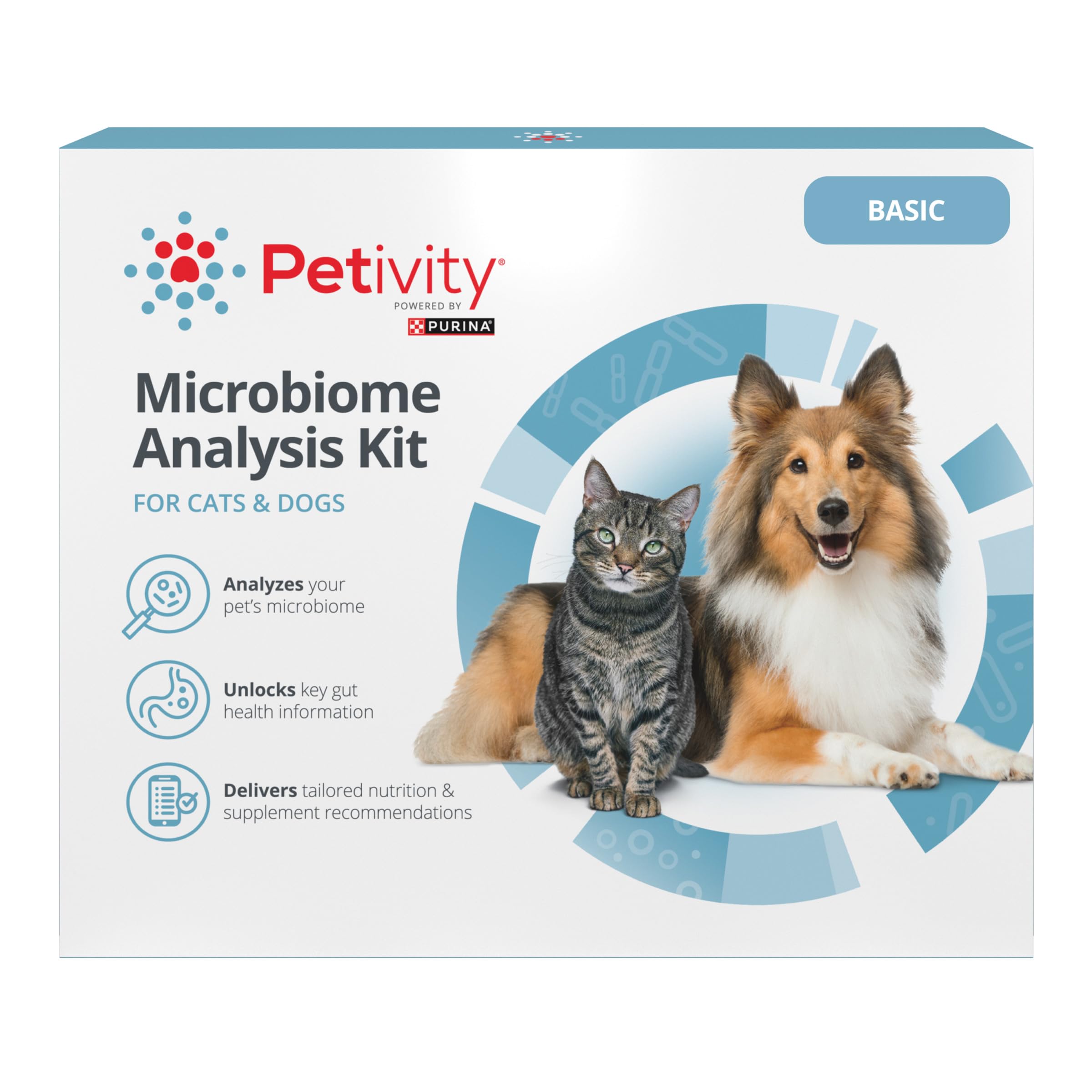
Petivity is a stool-based microbiome test, not a DNA genotyping kit. It analyzes the bacterial composition of your cat’s gut to determine the balance of beneficial bacteria, which directly influences immune function, digestion, and inflammation levels. The Basic kit provides a gut profile overview with tailored food and supplement recommendations, but it does not screen for inherited genetic diseases or breed ancestry.
The sample collection uses a sterile swab and tube, plus gloves and a prepaid return envelope. You register the kit online, collect a small stool sample, and mail it to the Purina-backed lab. Results are delivered through an online report that breaks down beneficial bacteria levels and offers nutritional guidance based on the bacterial profile. This test is specifically useful if your cat has chronic soft stool, vomiting, or unexplained digestive upset without a known cause.
Because Petivity is backed by Nestle Purina’s research division, the nutritional recommendations are tied directly to Purina product formulations. If you prefer independent dietary advice or feed a non-Purina diet, the supplement suggestions may feel less neutral. The microbiome analysis is a single snapshot and does not track changes over time unless you purchase additional kits.
Why we love it
- Direct analysis of gut bacteria that influence immune and digestive health
- Backed by Purina’s veterinary nutrition research team
- Non-invasive stool collection, no vet visit required
- Provides actionable food and supplement recommendations
Good to know
- Does not test for inherited genetic diseases or breed ancestry
- Recommendations are aligned with Purina product lines
- Single snapshot—repeat kits needed for progress tracking
5. EpiPaws Pet Age Test
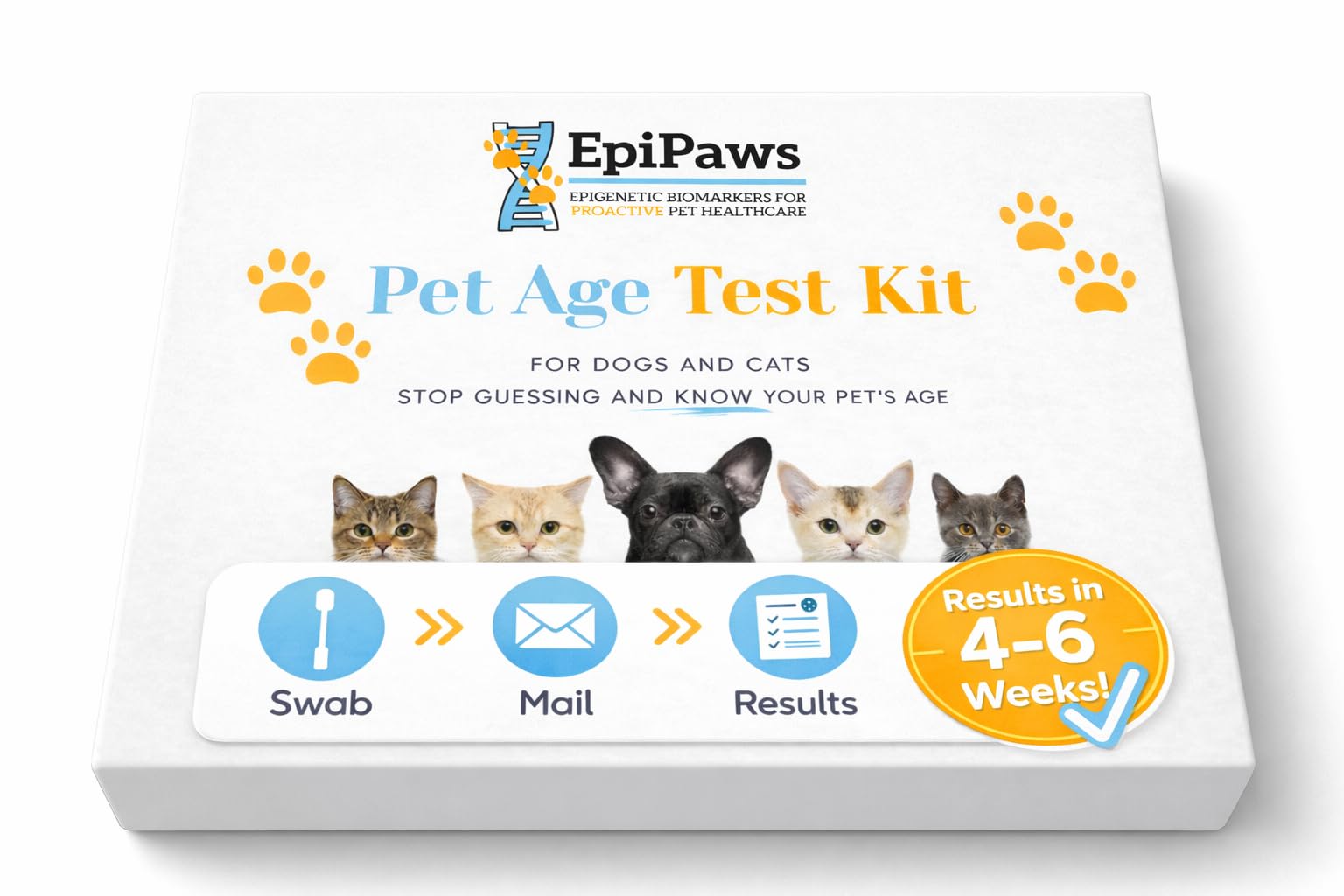
EpiPaws uses epigenetic biomarker analysis to estimate a cat’s age with reported accuracy, making it uniquely valuable for rescued pets whose birth history is unknown. The test analyzes DNA methylation patterns that change predictably with age, providing an estimated birthday, life stage, and wellness insights tailored to that stage. The kit includes two oral swabs, a return tube, and a prepaid label.
Results include age-specific recommendations for nutrition, exercise frequency, and veterinary screening intervals. For a cat whose documented age is a guess, this test removes the ambiguity and lets you align care with actual biological age rather than a veterinarian’s best estimate. The report is downloadable and printable, so you can share it with your vet during annual checkups. EpiPaws notes that the test is not recommended for puppies or kittens under one year old, as methylation patterns stabilize after the first year.
Turnaround time is 4 to 6 weeks from sample receipt. The kit is designed for both cats and dogs, so if you have multiple species in your home, one kit covers both. The epigenetic approach is distinct from genotyping—this test will not tell you breed, disease risk, or coat color, only chronological age and life stage guidance.
Why we love it
- Only home test that estimates age via epigenetic biomarkers
- Provides life stage–specific nutrition, exercise, and screening advice
- Invaluable for rescued cats with unknown birth history
- Works for both cats and dogs from a single kit
Good to know
- Does not analyze breed, health conditions, or food sensitivities
- Not accurate for cats under one year old
- Longer 4–6 week turnaround
6. 5Strands Raw & Fresh Pet Food Intolerance Test
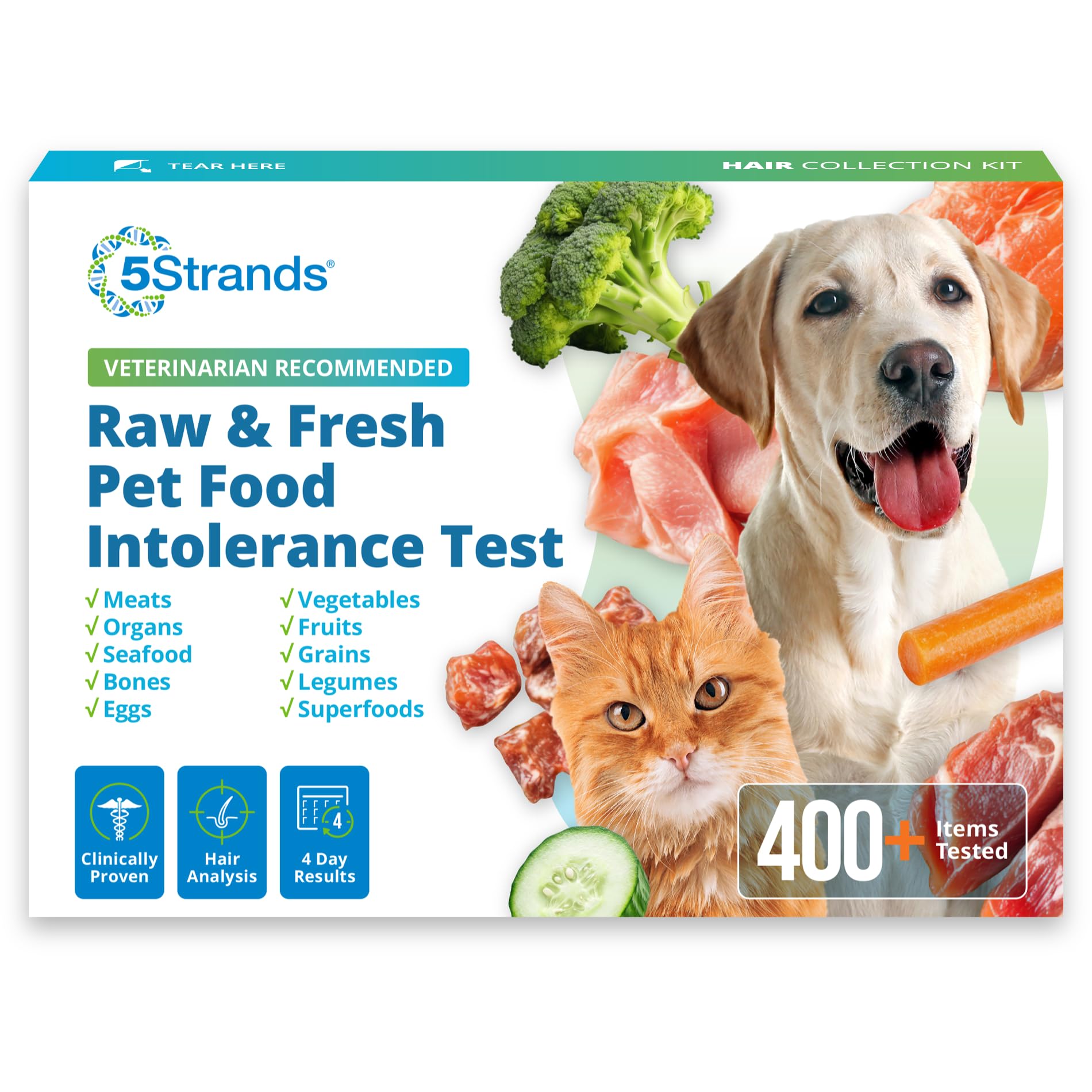
5Strands specifically targets cats and dogs on raw or gently cooked fresh food diets. The hair analysis—not DNA sequencing—tests 412 ingredients including raw meats, organs, bones, eggs, seafood, fruits, vegetables, grains, legumes, and superfoods, then ranks each ingredient into four stress levels: Severe, Mild, Moderate, and Insignificant. This output is designed to guide an elimination diet rather than diagnose disease.
The sample collection takes 10 to 15 strands of fur from your cat—no blood, no swabbing. You seal the hair in the provided bag and mail it to the CLIA-certified lab using the prepaid shipping label. Results arrive within 4 days of sample receipt, which is significantly faster than any DNA genotyping test. Each ingredient is double-pass validated, and the test has been validated by an independent third-party study—5Strands is currently the only pet intolerance test that can make that claim.
If your cat has chronic itchiness, ear infections, or soft stool that hasn’t responded to standard veterinary diets, this test can identify which raw ingredients may be causing a low-grade inflammatory response. However, because it uses hair bioresonance methodology rather than DNA sequencing, its mechanism is different from a genetic disease panel. It is best used as a dietary elimination tool under veterinary supervision, not as a replacement for a full health workup.
Why we love it
- Tests 412 raw and gently cooked food ingredients for sensitivities
- 4-day turnaround—fastest result timeline in this comparison
- Third-party validated and veterinarian recommended
- Non-invasive hair sample, no swabbing or stool handling
Good to know
- Hair bioresonance methodology, not true DNA genotyping
- Does not screen for inherited genetic diseases or breed ancestry
- Results are intolerance indicators, not diagnostic medical tests
7. UCARI Pet Sensitivity Test
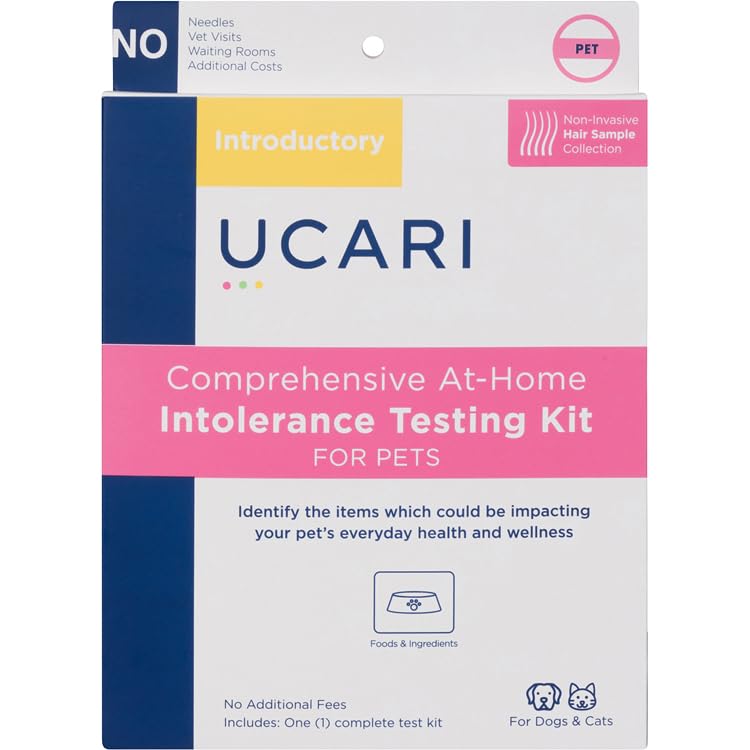
UCARI screens 350+ foods and ingredients using a non-invasive hair sample, positioning itself as an affordable entry point for pet parents who want dietary insight without the commitment of a full DNA genotyping kit. The test is developed with veterinary input and uses a simple four-step process: register the kit online, collect your cat’s hair, mail it to the Florida-based lab via the prepaid label, and receive results within 48 hours of sample receipt—the fastest turnaround in this entire comparison.
The results are color-coded and delivered digitally to your inbox, highlighting potential food sensitivities and ingredients of interest. The report format is designed for quick scanning rather than deep scientific analysis, which makes it appropriate for pet parents who want general dietary awareness rather than a clinical-grade diagnostic. UCARI’s test does not claim to diagnose disease or replace veterinary consultation; it functions as a dietary screening tool.
The kit includes a return mailer, sample bag, and a single test unit. Because the methodology is hair-based bioresonance rather than DNA extraction, it cannot provide breed ancestry, genetic disease risk, or blood type information. Its value lies entirely in speed and simplicity for food sensitivity exploration.
Why we love it
- 48-hour results—fastest turnaround of any product on this list
- Screens 350+ foods and ingredients from a simple hair sample
- Developed with veterinary input for dietary awareness
- No vet visit, no needles, no stool collection
Good to know
- Hair bioresonance methodology, not DNA genotyping
- Does not test for inherited diseases, breed ancestry, or blood type
- Results are dietary insights, not medical diagnoses
- Lacks the third-party validation that 5Strands provides
FAQ
Can a cat DNA test diagnose active disease?
Why do hair-based intolerance tests cost less than DNA genotyping kits?
What is the most common genetic disease found in mixed-breed cats?
Final Thoughts: The Verdict
For most pet parents, the best cat dna test winner is the Wisdom Panel Complete because its 45-disease health panel, 70+ breed reference database, and free veterinary genetics consultation offer the most clinically useful data from a single cheek swab. If you want proactive dental health screening alongside genetic disease markers, grab the Basepaws Cat DNA Test. And for a rescued cat with an unknown birthday, nothing beats the EpiPaws Pet Age Test for aligning care with actual biological age.