
Sulcata tortoises are grazing behemoths, and their digestive systems demand a constant stream of coarse, fibrous hay to fuel their growth, wear down their beaks, and keep their gut moving. Choosing the wrong hay—or skipping it entirely—can lead to pyramiding, impaction, or chronic health issues that shorten their lifespan.
I’m Mo Mahin — the founder and writer behind Furric. I’ve spent years cross-referencing nutritional data sheets with owner-reported feeding trials to understand exactly which hays deliver the correct calcium-to-phosphorus ratio for adult sulcatas and which should be reserved for juveniles as a treat.
This guide breaks down the top options on the market, focusing on fiber density, protein levels, and calcium content so you can select the best hay for sulcata tortoise that matches your animal’s specific life stage and dietary needs.
How To Choose The Best Hay For Sulcata Tortoise
Selecting hay for a sulcata is different than choosing for a rabbit or guinea pig. Your tortoise needs high fiber, low to moderate protein, and a calcium-to-phosphorus ratio that supports shell growth without overloading the kidneys. Here are the key specs to evaluate before buying.
Grass Hays vs. Alfalfa: Know The Ratio
Adult sulcatas thrive on grass hays — timothy, orchard grass, and oat hay — because they naturally hover around 1.5:1 calcium-to-phosphorus and deliver 30-35% crude fiber. Alfalfa runs higher in protein (15-20%) and calcium (1.2-1.5%), making it suitable only for juveniles under two years, breeding females, or sick animals needing a calorie boost. For a healthy adult, alfalfa fed long-term can trigger shell pyramiding and bladder stones.
Cutting: Second vs. Third vs. Oat
Second-cutting timothy offers a balanced stem-to-leaf ratio — enough stem for beak filing, enough leaf for palatability. Third-cutting is softer, leafier, and less abrasive on the beak, but some sulcatas finish it too fast. Oat hay provides hollow stems that add enrichment and a slightly sweeter flavor, but watch the oat heads, which are higher in starch. A mixed diet using two different cuts or blending in orchard grass encourages natural foraging and prevents boredom.
Dust, Mold & Storage Red Flags
Sulcatas have sensitive respiratory systems. Hay that arrives with visible dust clouds when shaken, brown patches, or any musty ammonia-like odor signals mold growth or poor curing. Look for hand-packed, breathable boxes that preserve the natural green color and sweet grass smell. A good practice is to shake out each flake in a well-ventilated area before filling the hay rack, discarding any overly dusty or discolored strands.
Quick Comparison
On smaller screens, swipe sideways to see the full table.
| Model | Category | Best For | Key Spec | Amazon |
|---|---|---|---|---|
| Small Pet Select Alfalfa Hay (5 lb) | Juvenile Treat | Growing sulcatas under 2 years old needing extra protein | 17% protein, high calcium (1.4%) | Amazon |
| Healthy Herp Instant Meal Variety Pack | Supplemental Mix | Adding freeze-dried cactus & veggie variety to hay diet | Rehydrated mix, 14 cups + dish | Amazon |
| High Desert 2nd Cutting Timothy Hay (8 lb) | Daily Grass Hay | Primary staple hay for adult sulcata grazing | Soft leafy texture, 32% crude fiber | Amazon |
| Mazuri Tortoise Diet (25 lb) | Supplemental Pellet | Balanced pellet supplement for tropical & forest tortoises | 17% protein, large particle size | Amazon |
| Small Pet Select Sampler Box (8 lb) | Hay Variety | Finding which grass hay your sulcata prefers | 4 varieties: 2nd, 3rd, oat, orchard | Amazon |
In‑Depth Reviews
1. Small Pet Select Alfalfa Hay (5 lb Box)
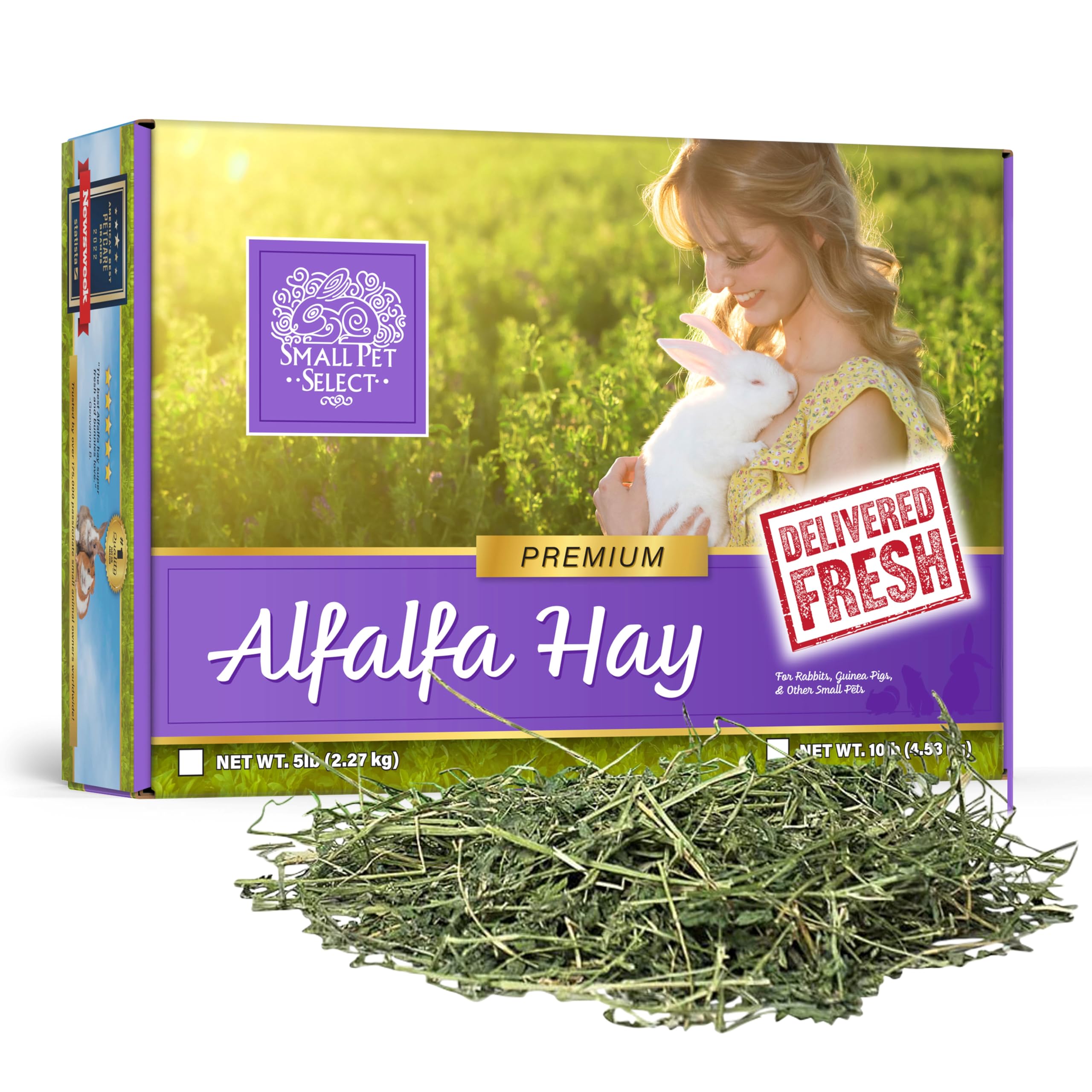
Small Pet Select positions this alfalfa hay as a high-fat, high-protein option for growing juveniles, nursing mothers, and convalescing animals. At approximately 17% protein and 1.4% calcium, it delivers precisely the nutritional density a young sulcata needs for shell and bone development. However, for a healthy adult sulcata, this should remain an occasional treat, not a daily staple — the excess calcium can accumulate and cause bladder sludge or stones over time.
Owner feedback consistently highlights the freshness and aroma of this hay. Multiple reviewers report that picky eaters who refused box-store brands immediately accepted Small Pet Select, eating “with gusto.” The hand-packed box preserves stem integrity without compression, which means the leaves remain attached and the hay holds its structure — useful for stuffing into a hay rack without it collapsing into dust.
A few buyers noted some dust at the bottom of the box, and one long-term user mentioned the quality can vary slightly between batches. For a juvenile sulcata under two years, this is an excellent occasional hay boost. For adults, reserve it as a monthly enrichment treat and stick primarily to grass hays for their daily roughage.
Why we love it
- Exceptional freshness and strong grass smell that entices picky eaters
- High protein and calcium levels ideal for growing juvenile sulcatas
- Hand-packed in a sturdy box that maintains stem integrity without crushing
Good to know
- Too rich in calcium and protein for daily feeding to healthy adult sulcatas
- Occasional reports of dusty flakes at the bottom of the box
- Small 5 lb size may require frequent reordering for larger enclosures
2. Healthy Herp Instant Meal Variety Pack (14 Cups + Dish)

Healthy Herp’s Instant Meal is not a hay, but a freeze-dried blend of cactus, vegetables, fruits, and botanicals designed to complement a hay-based diet. For a sulcata that gets its daily roughage from timothy or orchard grass, this variety pack adds enrichment and nutritional diversity without the spoilage risk of fresh produce. Each cup rehydrates in minutes with just water, making it practical for busy owners or as a travel supplement.
The 14-cup pack includes seven tortoise food cups, four fruit mix cups, and three veggie mix cups, plus a stepping stone dish that doubles as a bait station. Owners of red-footed and box turtles praised the variety, and several sulcata keepers noted it works well as an occasional treat that encourages natural foraging behavior. The freeze-dried format also eliminates the rush to eat fresh greens before they wilt, a common pain point in sulcata feeding.
The main limitation for sulcata use is the portion size — each cup is relatively small, so a full-grown sulcata weighing 50+ pounds will finish one in a single session. This product is best deployed as a supplement to hay, not a replacement. The stems and cactus pieces do provide some additional fiber, but the calcium content is not tracked cup-to-cup, so owners should still monitor overall calcium intake.
Why we love it
- Zero preparation beyond adding water — no refrigeration needed
- Provides dietary variety with cactus, veggies, and fruit in freeze-dried form
- Includes a useful feeding dish that doubles as a shallow water station
Good to know
- Not a hay replacement — only works as a supplement to grass hay
- Small cup sizes are quickly devoured by larger adult sulcatas
- Nutritional breakdown per serving is not listed on the product
3. High Desert 2nd Cutting Timothy Hay (8 lb Box)
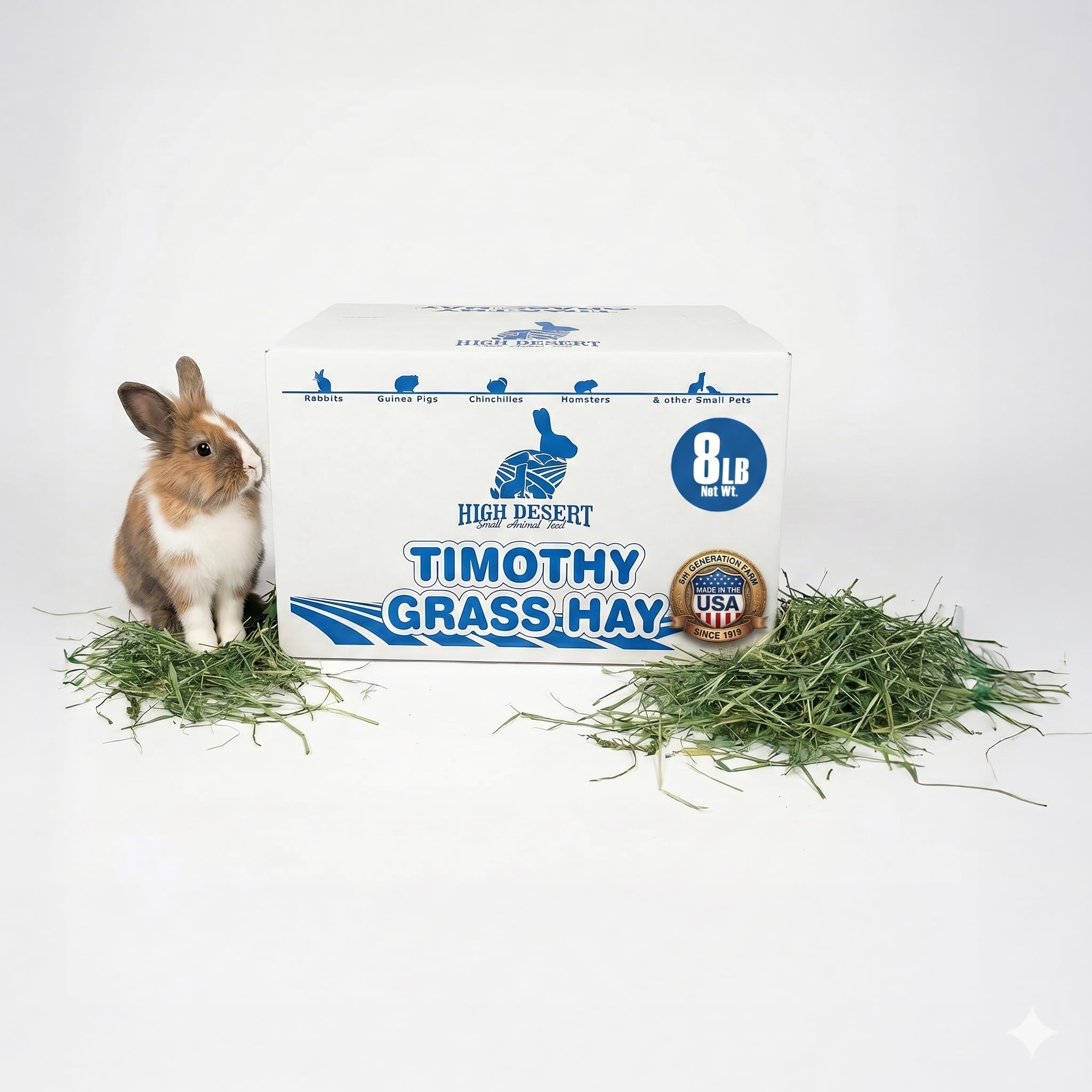
High Desert’s 2nd cutting timothy hay sits in the sweet spot for adult sulcatas. The second cutting offers a balanced stem-to-leaf ratio — enough coarse stem to promote natural beak wear and gut motility, without the stem density of first cutting that some tortoises reject. With typical timothy hay fiber content around 32% and protein hovering near 10%, it aligns well with the high-fiber, low-protein requirements of a mature sulcata’s daily intake.
Owner reports for small pets like rabbits and guinea pigs describe this hay as “tender and fragrant,” with even notoriously picky animals eating it consistently. The hand-packed, breathable box preserves the green color and clean grassy aroma, which signals proper curing and low dust. Several long-term buyers noted it stays fresh through the full 8 lb box if stored in a dry area, making it viable for a single-sulcata household for a few weeks of steady feeding.
There is a concerning pattern in recent reviews: a subset of buyers report quality dips with dustier, browner batches. One guinea pig owner even observed respiratory wheezing from dust. For a sulcata with sensitive airways, this variability is worth monitoring — shake each flake outdoors before offering it. If you receive a dusty batch, contact the seller for a replacement. When it’s good, it is excellent, but consistency remains a risk.
Why we love it
- Perfect second-cut texture balances beak wear and palatability for adult sulcatas
- High fiber and moderate protein match the ideal adult sulcata nutritional profile
- Breathable box packaging keeps hay fresh and aromatic for weeks
Good to know
- Recent batch quality has shown inconsistency — some boxes arrive dusty or brown
- Price per pound is higher than bulk options from feed stores
- Dust in poor batches can aggravate tortoise respiratory systems
4. Mazuri Tortoise Diet (25 lb Bag)

Mazuri’s Tortoise Diet is a pelleted supplement, not a hay, but it occupies an important role in a sulcata feeding regimen. Formulated originally for tropical and forest tortoises — Burmese, Red-footed, and box turtles — it delivers moderate protein (17%) and includes added antioxidants, vitamin E, and vitamin A for immune and eye support. The large particle size encourages chewing, and the stick form rehydrates slightly when soaked, mimicking a fibrous texture.
Owner reports are overwhelmingly positive: tortoises rush to the bowl when the bin opens, and keepers who have used Mazuri for years describe it as a reliable way to round out a hay-based diet. The 25 lb bag is economical for a larger sulcata — one owner mentioned it lasts “a few months” for their animal. The absence of artificial colors and flavors is a plus for owners aiming for a clean-label diet.
The critical caveat: Mazuri is not a replacement for hay. A sulcata eating only pellets risks inadequate fiber intake and poor beak wear. Use this as a twice-weekly supplement — soak two or three sticks in warm water until soft and mix them into the hay pile. Some Amazon sellers price this bag significantly higher than local feed stores or Chewy, so price-check before pulling the trigger.
Why we love it
- Trusted veterinary-recommended formula with immune-supporting antioxidants
- Large particle sticks encourage chewing and slow down fast eaters
- 25 lb bag offers excellent value for multi-tortoise homes
Good to know
- Not a hay replacement — must be fed alongside grass hay for proper fiber intake
- Listed for tropical species; desert sulcatas may need a slightly lower-protein option
- Amazon pricing is often inflated compared to Chewy or brick-and-mortar feed stores
5. Small Pet Select Sampler Box (8 lb)

Small Pet Select’s Sampler Box is a targeted solution for the most common sulcata owner frustration: a picky tortoise that refuses a particular hay. This 8 lb box includes four separate varieties — second-cutting timothy, third-cutting timothy, orchard grass, and oat hay — each hand-packed in small batches. The sealed sections keep each hay type fresh and separate, so you can offer one variety per day and observe which your sulcata consistently finishes first.
The variety itself is beneficial beyond taste testing. Orchard grass tends to be softer and lower in dust than timothy, making it a good option for indoor enclosures. Oat hay introduces hollow stems that encourage natural foraging behavior — sulcatas will pull them from the hay rack and chew the heads off. Rotating these hays also prevents food boredom and mimics the natural grazing diversity a wild sulcata would encounter.
Because this is a sampler, you are paying a premium per pound compared to buying a single hay variety in bulk. For a large adult sulcata that eats through pounds of hay weekly, this box will disappear quickly. Consider it a diagnostic tool: identify which one or two varieties your tortoise prefers, then purchase those in larger quantities. Owners transitioning a sulcata from a pellet-only diet to hay often find this sampler indispensable.
Why we love it
- Four distinct hay types let you pinpoint your sulcata’s preference without committing bulk
- Oat hay and orchard grass add foraging variety and texture diversity
- Hand-packed in a resealable box that preserves freshness between feedings
Good to know
- Higher per-pound cost than buying a single hay variety in a larger box
- 8 lb box will last a short time for an adult sulcata eating hay daily
- Not a complete diet — still requires calcium supplementation and veggie variety
FAQ
Can I feed my sulcata only alfalfa hay?
How do I know if my hay is too dusty for my tortoise?
What is the ideal calcium-to-phosphorus ratio for adult sulcata hay?
Can I mix different hays together for my sulcata?
Final Thoughts: The Verdict
For most sulcata keepers, the best hay for sulcata tortoise winner is the High Desert 2nd Cutting Timothy Hay (8 lb Box) because it delivers the ideal second-cutting stem-to-leaf balance, high fiber content, and moderate protein that matches an adult sulcata’s daily needs. If you want to test which hay your tortoise prefers, grab the Small Pet Select Sampler Box. And for a reliable supplemental pellet that adds immune support and vitamin diversity, nothing beats the Mazuri Tortoise Diet (25 lb Bag) — but always remember that hay remains the foundation of a healthy sulcata diet.