
A horse that fights the bit refuses to soften, braces against every cue, and turns a simple ride into a battle of wills. Whether you are starting a green colt or retraining a hard-mouthed veteran, the wrong mouthpiece creates resistance where you need connection. The difference between a quiet, responsive horse and one that gapes, tosses, or curls behind the vertical often comes down to one choice: the bit itself.
I’m Mo Mahin — the founder and writer behind Furric. I’ve spent years studying equine mouth anatomy, comparing stainless alloys against sweet iron and copper, analyzing joint configurations from French links to roller mouths, and cross-referencing hundreds of owner reports to separate marketing fluff from real performance data.
After filtering through mouth-width sizing charts, cheek-piece stability tests, and material-corrosion timelines, I’ve assembled the most practical roundup of best horse bits for training, schooling, and everyday riding across both Western and English disciplines.
How To Choose The Best Horse Bits
Selecting the right bit starts with understanding your horse’s mouth conformation, the job you’re doing, and how each component affects the horse’s response. Here are the factors that separate a well-fitting bit from a problem waiting to happen.
Mouthpiece Material Matters
Stainless steel is durable and easy to clean but does not encourage salivation. Sweet iron rusts slightly when wet, which produces a metallic taste many horses accept readily — that oxidation is desirable. Copper inlays or rollers stimulate saliva production, keeping the mouth soft and responsive. A dry mouth often leads to a dead mouth.
Joint Configuration and Palate Clearance
A single-jointed snaffle creates a nutcracker action that can pinch the bars and bump the palate on horses with low palates. French link and other double-jointed designs spread pressure across the tongue and bars, offering independent control on each side. For horses that gap or toss their heads, the extra joint often solves the problem by eliminating the roof contact.
Cheek Style Determines Stability
Loose-ring bits offer the most mobility but can pinch lips without rubber guards. Eggbutt cheeks are fixed and prevent pinching while still allowing some play. D-rings provide lateral stability, making them ideal for training young horses that need clear directional cues without the bit sliding through the mouth.
Quick Comparison
On smaller screens, swipe sideways to see the full table.
| Model | Category | Best For | Key Spec | Amazon |
|---|---|---|---|---|
| Korsteel French Link Eggbutt | Premium | Double-jointed comfort for sensitive mouths | 4.5″ French link, eggbutt cheek | Amazon |
| JP Korsteel Oval Link Loose Ring | Premium | Salivation & relaxation with copper mouth | 5″ copper mouth, loose ring | Amazon |
| Korsteel Copper Roller Eggbutt | Premium | Low head carriage with tongue pressure | 5″ double-jointed, copper roller | Amazon |
| CHALLENGER D-Ring Comfort Snaffle | Mid-Range | Stable training bit for Western & English | 6″ copper rollers, D-ring | Amazon |
| Weaver Leather Copper Mouth | Mid-Range | Colt starting with copper salivation | 5″ copper plated mouth, 6.5″ cheeks | Amazon |
| HILASON Sweet Iron Snaffle | Budget-Friendly | Starting horses with sweet iron taste | 5″ sweet iron, copper inlay, D-ring | Amazon |
| Weaver Equine Rubber Dee Ring | Budget-Friendly | Gentle mouth for sensitive or young horses | 5″ rubber mouth, 2-7/8″ dees | Amazon |
In‑Depth Reviews
1. Korsteel Stainless Steel French Link Eggbutt Snaffle Bit

The French link configuration is the standout feature here — it offers independent control over each side of the mouth without the nutcracker pinch of a single joint. Horses with low palate clearance, like many Thoroughbreds and Arabs, accept this bit because the center link rests flat on the tongue rather than bumping the roof. The eggbutt cheek eliminates lip pinching while keeping the bit stable during lateral work.
Korsteel uses a polished stainless mouth that resists corrosion and cleans up easily after every ride. At 4.5 inches, this bit runs slightly smaller than standard 5-inch sizes — measure your horse’s mouth width carefully before ordering. The joints move freely right out of the package, which means no break-in period before your first training session.
Multiple owner reports confirm this bit transformed horses that previously gapped or tossed their heads on single-jointed snaffles. The independent side action helps with one-sided horses that lean into turns. For riders transitioning a horse from a harsher bit back to a snaffle, this is the most forgiving middle ground available at this quality level.
Why we love it
- French link eliminates palate contact for low-clearance mouths
- Eggbutt cheek provides stability without pinching
- Polished stainless steel is easy to clean and corrosion-resistant
- Proven to stop head-tossing in problem horses
Good to know
- Runs smaller than labeled — measure mouth width before buying
- No copper inlay to encourage salivation
2. JP Korsteel Stainless Steel Copper Mouth Oval Link Loose Ring Snaffle Bit
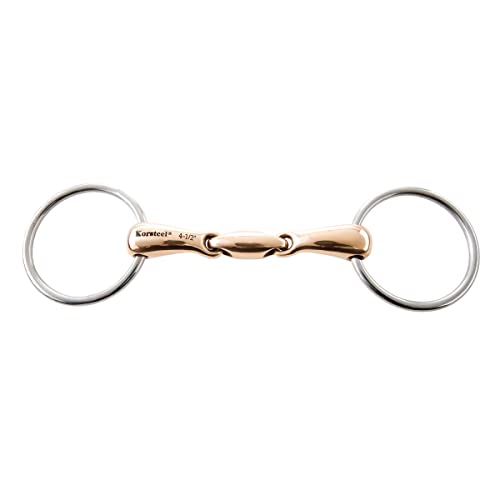
The oval link design prevents the bit from contacting the roof of the horse’s mouth — a critical advantage for horses with limited palate space. The copper link encourages salivation and relaxation, which directly translates to a softer, more accepting mouth. This is a mobile bit that discourages horses from fixing their jaw or leaning on the forehand.
Finished with a glossy stainless steel exterior, the JP Korsteel looks polished in the bridle while the copper section does the real work. The loose ring design adds mobility but does require bit guards or rubber rings to prevent lip pinching on sensitive horses. At 5 inches, this bit fits the average horse mouth correctly without the sizing discrepancy some other models show.
This bit excels for horses that are heavy on the forehand or tend to lock their jaw against the rider’s hand. The copper taste keeps the mouth wet and responsive, and the loose ring signals every small change in rein pressure. Riders looking for a bit that actively encourages a horse to soften and carry itself will find this design hard to beat at this tier.
Why we love it
- Oval link prevents roof contact completely
- Copper mouth stimulates salivation for a soft mouth
- Discourages leaning and jaw fixing
- Glossy finish stays attractive with basic care
Good to know
- Loose ring requires bit guards to avoid lip pinch
- Higher price point than single-joint alternatives
3. Korsteel Stainless Steel Copper Roller Mouth Eggbutt Snaffle Bit

The copper roller is the defining feature of this bit — it encourages the horse to play with the bit, which produces saliva and keeps the mouth relaxed. The double-jointed design distributes pressure evenly across both the tongue and the bars, eliminating the nutcracker effect of a single-joint. The eggbutt cheek provides the stability needed for schooling and arena work without pinching the corners of the mouth.
Korsteel builds this bit from quality stainless steel with the copper roller integrated into the center link. The copper will develop a natural patina over time, which is normal and does not affect performance. At 5 inches, this size fits the majority of horses, but measure carefully — the double-jointed geometry sometimes fits slightly differently than a single-joint of the same labeled size.
This bit works particularly well for horses that need encouragement to lower their head carriage. The tongue pressure from the roller design gives the horse something to hold onto, which can break the habit of carrying the head too high. It is a mild action with a clear signal, making it a solid choice for both English and Western disciplines.
Why we love it
- Copper roller significantly boosts salivation and relaxation
- Double-jointed design eliminates palate pressure
- Eggbutt cheek prevents pinching during turns
- Encourages lower head carriage in high-headed horses
Good to know
- Copper patina develops over time — not a defect
- Double-joint sizing may fit differently than single-joint bits
4. CHALLENGER Horse Stainless Steel Mouth D-Ring Comfort Snaffle Bit Copper Rollers
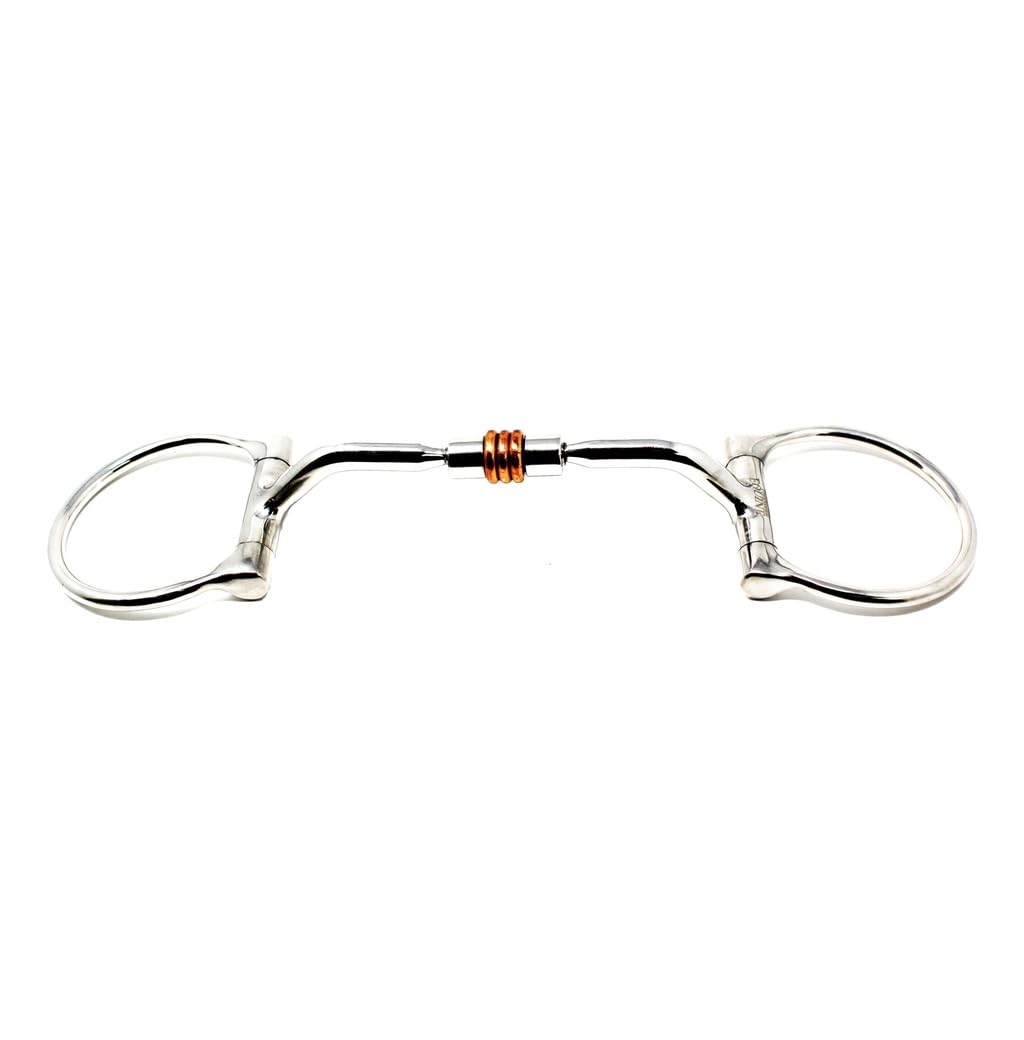
The D-ring design keeps this bit stable inside the horse’s mouth — ideal for training young horses that need clear, consistent lateral cues. The copper rollers along the mouthpiece stimulate saliva while the smooth stainless body distributes pressure evenly. This is a 6-inch mouth size, so it suits larger heads and wider bars without the bit sliding through the mouth.
Challenger Horse Wear uses high-quality stainless steel that resists rust and holds up to daily use in both Western and English headstalls. The copper rollers are embedded in the mouthpiece and do not come loose with normal riding. The D-ring shape prevents the bit from pulling through the mouth on one-rein stops, which is a common issue with loose-ring bits during training.
This bit bridges the gap between a basic training snaffle and a more specialized bit. It gives the rider good control while keeping the horse comfortable enough to stay soft in the hand. For trail riders, school horses, or lesson programs that need a durable, versatile bit that fits a range of horses, the Challenger delivers reliability without overcomplicating the design.
Why we love it
- D-ring design provides excellent lateral stability
- Copper rollers encourage salivation in the mouth
- 6-inch size fits larger horses without sliding
- Rust-resistant stainless steel for daily use
Good to know
- Not double-jointed — single-joint action may not suit low-palate horses
- Heavier feel than some French link alternatives
5. Weaver Leather Copper Plated Mouth Bit

The copper-plated mouthpiece on this Weaver Leather bit delivers the salivation benefits of copper at a significantly lower cost than solid-copper alternatives. The 6.5-inch cheek length provides added leverage for lateral cues, making this bit suitable for Western training where neck-reining and direct-rein combinations are common. Chrome plating on the cheeks adds a polished look that stays bright with routine cleaning.
Weaver constructs this bit with a single-jointed mouth, which is a classic design that works well for horses that do not have palate sensitivity issues. The copper plating develops a natural patina and slight oxidation over time — this is intentional and indicates the copper is actively encouraging saliva. The chrome plating on the cheeks holds up well against sweat and weather exposure.
Owner reports highlight this bit as a go-to for colt starting and green horse training. The copper element helps young horses accept the bit faster, and the longer cheeks give the rider more control without harshness. For a rider on a budget who needs a reliable training bit with proven copper benefits, this Weaver Leather bit punches above its cost.
Why we love it
- Copper plating encourages salivation without the premium price
- 6.5-inch cheeks offer good leverage for lateral work
- Chrome finish stays shiny with basic care
- Proven performer for colt starting and green horses
Good to know
- Single-joint design may bump low palates
- Copper plating wears over time with heavy use
6. HILASON Stainless Steel Tack Horse Snaffle Bit 5″ Sweet Iron Mouth

Sweet iron naturally oxidizes when exposed to moisture, producing a mild metallic taste that horses often accept willingly — HILASON pairs this sweet iron mouthpiece with a copper inlay to double down on salivation. The D-ring design keeps the bit stable for starting horses or reintroducing bits to older horses that have developed resistance. At 5 inches and only 0.64 pounds, this bit is lightweight and well-balanced in the mouth.
The Western-style construction uses stainless steel for the ring and cheek components with the sweet iron and copper reserved for the mouthpiece where it matters most. The copper inlay is positioned at the center of the mouthpiece, which is where tongue contact is most effective. The D-ring is noted by owners as being extra large, which makes it compatible with slobber straps if you prefer that setup.
Owner reviews consistently highlight how horses that refused other bits accepted this one. One report describes a horse that always played the “nope, not in my mouth” game until this bit solved the problem entirely. For riders dealing with a hard-to-bit horse on a limited budget, this HILASON bit offers a surprisingly high acceptance rate and solid build quality that outperforms its entry-level positioning.
Why we love it
- Sweet iron and copper inlay maximize salivation at low cost
- Lightweight 0.64-pound design feels balanced in the mouth
- Extra-large D-ring accommodates slobber straps
- High acceptance rate from previously bit-shy horses
Good to know
- 30-day warranty only — shorter than some competitors
- Sweet iron requires intentional rusting for optimal taste
7. Weaver Equine Rubber Dee Ring Snaffle Bit, 5″

The rubber mouthpiece on this Weaver Equine bit is the gentlest option in this lineup — it offers cushion for horses with sensitive mouths, dental issues, or those that are just starting under saddle. The Dee ring design provides the lateral stability of a full D-ring while keeping the weight low at 10.4 ounces. Chrome plating on the dees resists corrosion and adds a clean look to any bridle setup.
Weaver constructs the rubber mouth over a metal core, which gives the bit enough rigidity for clear communication while the rubber exterior softens contact. At 5 inches with 2-7/8 inch dees, this bit fits average horse mouths without sliding through. The rubber material is gentle on bars and lips, making it an excellent choice for horses that have been bruised by harsher metal mouthpieces.
This bit fills a specific niche — it is not for horses that need strong cues or leverage, but it is ideal for sensitive horses, young horses in their first rides, or older horses with worn teeth. If your horse is evading the bit because of past discomfort, starting here and moving to a copper or sweet iron mouth later is a sound training progression. The rubber can wear faster than metal, so inspect it regularly for grooves or cracking.
Why we love it
- Rubber mouthpiece is the softest option for sensitive mouths
- Dee ring adds stability without added weight
- Chrome plating resists sweat corrosion
- Ideal transition bit for horses recovering from mouth trauma
Good to know
- Rubber wears faster than metal — inspect regularly
- Not suitable for horses that need stronger cues
FAQ
How do I measure my horse for the correct bit size?
Should I choose a French link or a single-jointed snaffle?
Does sweet iron need to rust before use?
How do I prevent a loose ring bit from pinching my horse’s lips?
Final Thoughts: The Verdict
For most riders, the best horse bits winner is the Korsteel Stainless Steel French Link Eggbutt Snaffle Bit because its French link design eliminates palate pressure while the eggbutt cheek keeps things stable and pinch-free — the safest starting point for the widest range of horses. If you want copper-induced salivation and a mobile mouthpiece, grab the JP Korsteel Oval Link Loose Ring. And for a budget-friendly bit that horses actually accept, nothing beats the HILASON Sweet Iron Snaffle.