
Choosing the wrong kibble size or protein source for a Dachshund puppy isn’t just about picky eating—it can set the stage for weight gain on those short legs and stress a developing spine. The tiny mouths and unique body structure of this breed demand a food that balances high-quality animal protein for muscle support with controlled calories to prevent early obesity. Every ingredient matters when you’re building a foundation for a long, active life.
I’m Mo Mahin — the founder and writer behind Furric. My approach to canine nutrition focuses on comparing ingredient sourcing, macronutrient ratios, kibble geometry, and the breed-specific feeding protocols that veterinarians and long-time Dachshund owners prioritize.
After analyzing dozens of formulas against breed-specific needs, I’ve narrowed the field to the seven most suitable options for your best dachshund puppy food search. These picks focus on kibble size, fat-to-protein ratio, and joint-supporting ingredients that matter for a growing doxie.
How To Choose The Best Dachshund Puppy Food
A Dachshund puppy isn’t a generic small breed—their long spine and short ribcage create a unique digestive geometry that rewards precise nutrition. Every purchase decision should filter through three primary filters: kibble dimension, calcium-phosphorus balance, and protein source quality.
Kibble Size and Shape for Dachshund Jaws
Standard small-breed kibble can still be too large for a Dachshund puppy’s narrow jaw and small teeth. Look for kibble described as “mini” or specifically formulated for very small mouths—round, flat, or donut-shaped pieces are easier to pick up and chew. Oversized kibble can cause gulping, which increases the risk of choking and poor digestion.
Calcium and Phosphorus for Spine Development
Dachshunds are predisposed to intervertebral disc disease (IVDD), and rapid growth from excessive calcium can worsen skeletal stress. A proper puppy formula should have calcium levels between 1.0% and 1.5% on a dry matter basis—too low risks bone density issues, too high (over 2.0%) accelerates growth plates. Phosphorus should remain roughly equal to calcium to maintain a 1:1 to 1.3:1 ratio.
Controlled Fat and Calorie Density
Obesity is a direct threat to a Dachshund’s spine. A moderately active 4-month-old Dachshund needs around 400–500 kcal per day, not 700+. Avoid formulas with fat percentages above 18% unless the puppy is highly active. Opt for formulas typically in the 12–16% fat range to support steady, healthy weight gain without pushing the growth curve.
Quick Comparison
On smaller screens, swipe sideways to see the full table.
| Model | Category | Best For | Key Spec | Amazon |
|---|---|---|---|---|
| Farmina Mini Puppy Lamb, Pumpkin & Blueberry | Premium | Balanced growth & sensitive stomachs | Mini pellet size, 96% animal protein | Amazon |
| Farmina N&D Lamb & Blueberry | Premium | Limited ingredient & joint support | 60% animal ingredients, glucosamine | Amazon |
| Merrick Grain Free Texas Beef & Sweet Potato | Mid-Range | High protein & coat health | 52% protein + fat, DHA-rich | Amazon |
| Royal Canin Size Health Nutrition Small Puppy | Mid-Range | Small breed immune support | 3.7mm kibble, prebiotics | Amazon |
| Nulo Freestyle Salmon & Peas Puppy | Mid-Range | Grain-free & digestive health | BC30 probiotic, DHA from salmon | Amazon |
| NutriSource Grain Free Turkey Small/Medium Puppy | Mid-Range | Turkey protein & low glycemic | Cage-free turkey, grain/potato/chicken-free | Amazon |
| NutriSource Chicken & Rice Small/Medium Puppy | Value | Economic bulk buy & all life stages | 26 lb bag, prebiotics + probiotics | Amazon |
In‑Depth Reviews
1. Farmina Dry Mini Puppy Food, Lamb, Pumpkin and Blueberry Recipe
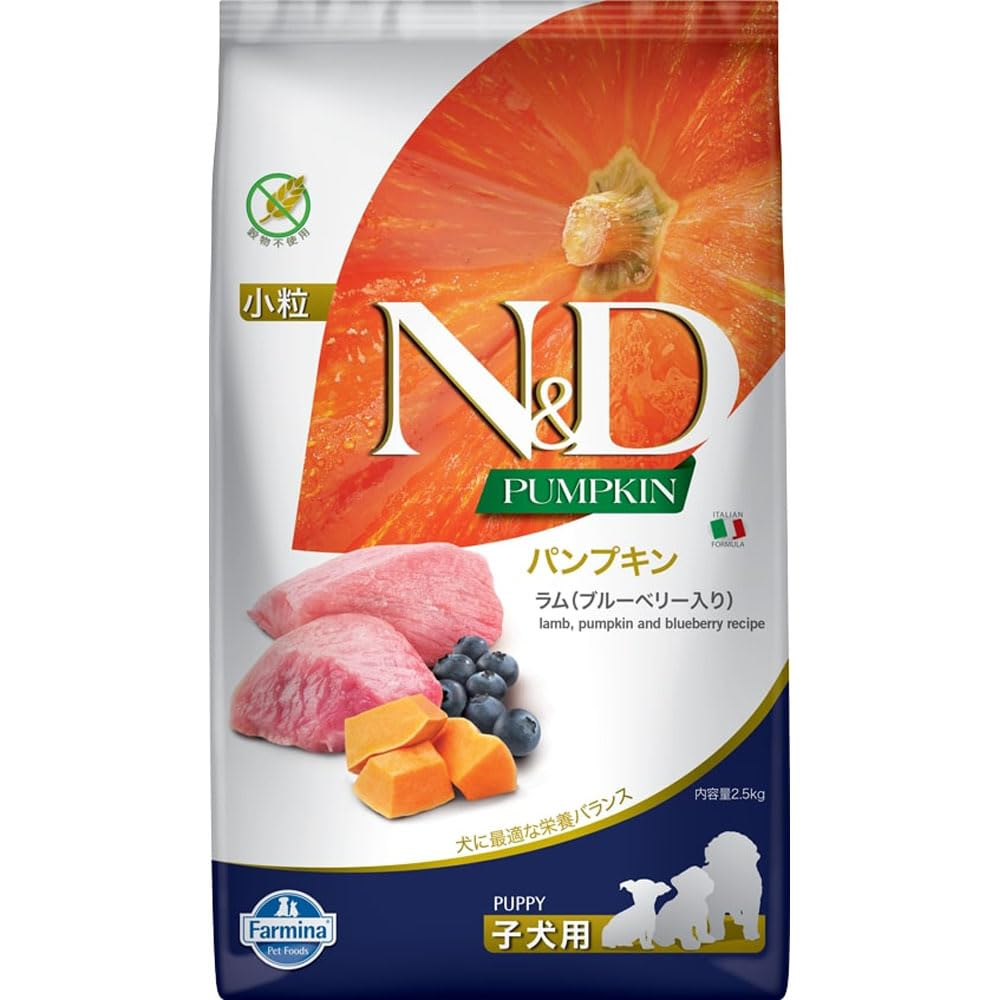
Farmina’s Mini Puppy formula was engineered for very small mouths—the pellet shape is noticeably smaller and flatter than most “small breed” kibble, which translates directly to easier prehension for a Dachshund puppy’s narrow jaw. The lamb, pumpkin, and blueberry recipe supplies 96% of its protein from animal sources, a crucial detail for a breed that thrives on meat-forward nutrition to maintain lean muscle mass without excessive filler calories. The 5.5 lb bag size is convenient for testing transition before committing to bulk.
On the spine-health front, this food maintains a calcium level around 1.2% on a dry matter basis—within the safe window for slow, steady bone development. The inclusion of glucosamine and chondroitin supports the intervertebral discs directly, which is notably relevant for Dachshunds predisposed to IVDD. The grain-free, low-glycemic carbohydrate profile (no legumes or peas) also helps avoid blood sugar spikes that can encourage unwanted rapid growth.
The higher price point reflects the ingredient sourcing (grass-fed lamb, no rendered meals) and the limited carbohydrate formula. Owners transitioning from a chicken-based food should note the lamb protein is novel and typically gentle on developing digestive systems. The bag reseals poorly—transfer to an airtight container for freshness.
Why we love it
- Micro-sized kibble perfect for Dachshund puppy mouths
- High animal protein percentage with controlled fat for steady growth
- Contains glucosamine and chondroitin for disc and joint protection
Good to know
- Premium price point compared to mid-range brands
- Bag does not include a resealable zipper
2. Farmina N&D Mini Lamb & Blueberry Grain Free Pumpkin Dog Food

This Farmina N&D variety takes the same grain-free philosophy but packages it as a limited-ingredient formula, making it a prime candidate for Dachshund puppies with suspected food sensitivities. The single animal protein (grass-fed lamb) and single carbohydrate source (pumpkin) reduce the variables that can trigger gut upset—a common concern for the breed, which is prone to sensitive digestion and loose stools when transitioning foods. The 2.5 kg bag is compact and travel-friendly.
The glucosamine and chondroitin content is listed as a fortified addition rather than naturally occurring from bone content, but the levels are significant enough to provide measurable joint support. The omega-3 and omega-6 fatty acid profile from salmon oil plus blueberry antioxidants supports healthy skin and coat—Dachshunds can develop dry, flaky skin on low-quality fats, and this formula avoids that pitfall. The guaranteed analysis shows 30% protein and 18% fat, so it’s slightly fat-forward—ideal for active puppies but requires careful portion control for less energetic individuals.
One nuance: the ingredient list includes herring oil, so this is not a single-source fat formula. Puppies with fish allergies should skip this one. The kibble texture is small but slightly harder than the Mini Puppy version—soaking in warm water for the first few weeks eases the transition for very young puppies under 12 weeks.
Why we love it
- Limited ingredient profile reduces allergy and sensitivity risks
- High omega fatty acid content supports Dachshund skin and coat
- Fortified with glucosamine and chondroitin for spinal health
Good to know
- 18% fat may require portion adjustments for low-activity puppies
- Contains fish oil—not suitable for puppies with fish sensitivities
3. Merrick Premium Grain Free Dry Puppy Food, Real Texas Beef and Sweet Potato
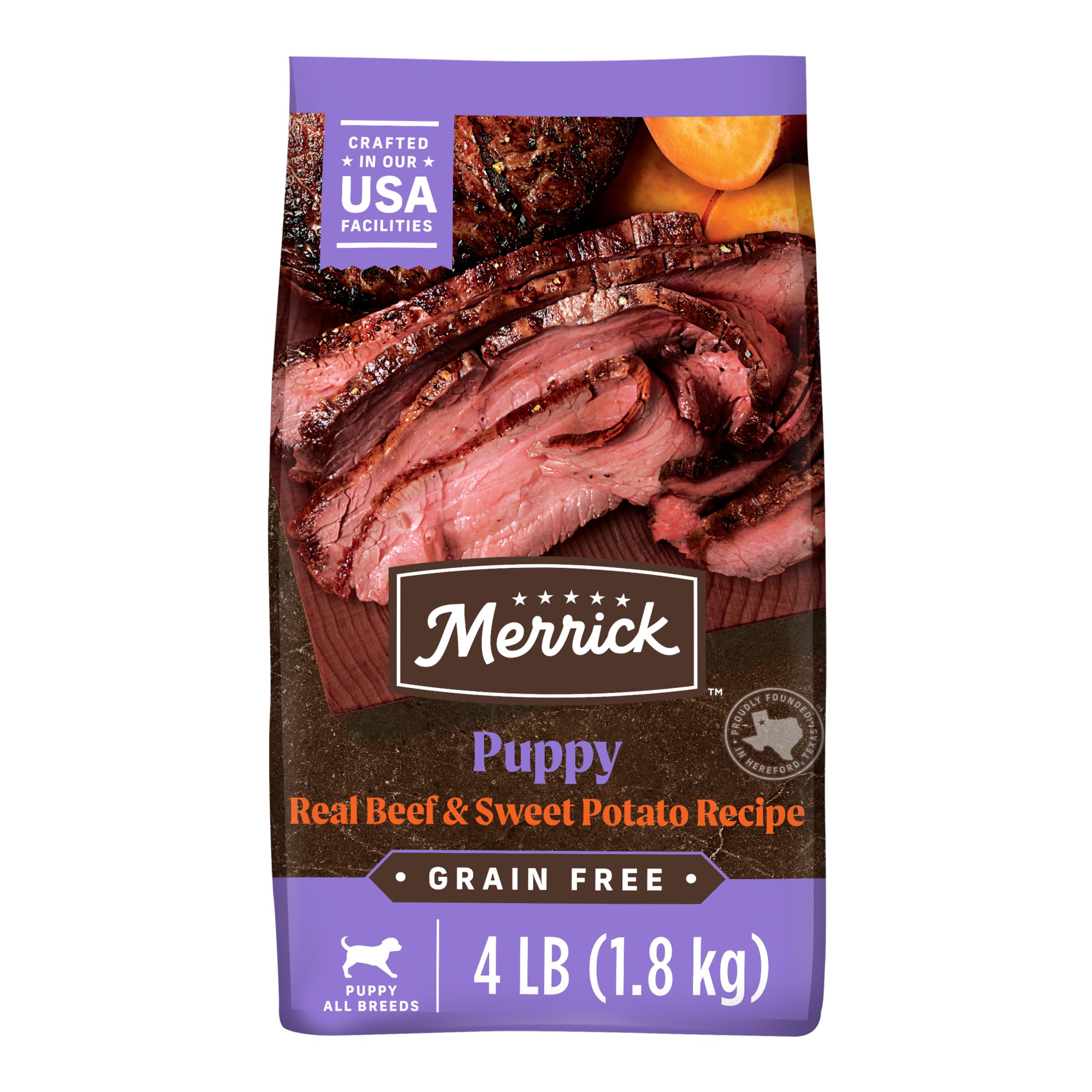
Merrick’s Beef and Sweet Potato formula leads with deboned beef as the first ingredient—a protein source that aligns well with Dachshund muscle development without relying on chicken, which is a common allergen trigger in the breed. The holistic protein-plus-produce blend claims 52% from protein and healthy fat with 48% from produce and fiber, though in practice this means roughly 34% protein and 17% fat on the guaranteed analysis. The DHA content is a specific win for Dachshund puppies, supporting the cognitive development and trainability that makes this breed both delightful and occasionally stubborn.
Kibble size is listed as “smaller-sized” but measures slightly larger than the Farmina mini pellets—some 8-week-old Dachshunds may require a brief soaking period to soften the pieces. The addition of glucosamine and chondroitin is clearly listed, and the omega-6 to omega-3 ratio is well-balanced for maintaining the breed’s characteristic glossy coat. Owners switching from chicken formulas have reported notably firmer stools after the transition, which is a practical marker of better ingredient tolerance.
The 4 lb bag is an excellent trial size, but the price per pound is higher than the bulk NutriSource options. The calorie density sits around 360 kcal per cup—slightly elevated, so measuring portions rather than free-feeding is essential to prevent the early weight gain that stresses Dachshund spines.
Why we love it
- Deboned beef first ingredient—rare chicken-free puppy formula
- DHA from animal sources supports brain development during early training
- Glucosamine and chondroitin added for joint and disc support
Good to know
- Kibble may be too large for very young puppies without soaking
- Calorie density requires strict portion measurement
4. Royal Canin Size Health Nutrition Small Puppy Dry Dog Food

Royal Canin’s Small Puppy formula is calibrated precisely for dogs with an expected adult weight of 9–22 lbs, which covers the standard Dachshund range for miniatures and tweenies. The kibble measures just 3.7 mm in diameter—one of the smallest pellets in this comparison—and its crunchy texture encourages chewing rather than gulping, a direct benefit for Dachshunds prone to swallowing air and developing gas or bloat. The formula includes prebiotics (MOS) and highly digestible proteins to support gut health during the rapid growth phase.
On the immune front, the antioxidant blend (vitamin E, vitamin C, lutein, and beta-carotene) is more comprehensive than most mid-range competitors. This matters for Dachshund puppies transitioning from maternal antibodies to their own immune system around 8–16 weeks. The calcium-to-phosphorus ratio is carefully controlled at approximately 1.3:1, staying safely below the threshold that could accelerate growth plate closure. The chicken protein base is standard but not novel—puppies with chicken sensitivities may react.
The 4 lb bag is a practical trial size, and the kibble texture pairs well with the brand’s canned formula for mixed feeding. One drawback: the ingredient list includes corn, wheat gluten, and fish oil, which makes this unsuitable for puppies with grain or fish sensitivities. The calorie count (343 kcal per cup) is moderate and manageable for Dachshund metabolism.
Why we love it
- Extremely small 3.7 mm kibble ideal for Dachshund puppy jaws
- Prebiotics and highly digestible protein support sensitive digestive tracts
- Calcium-phosphorus ratio safe for slow bone development
Good to know
- Contains corn and wheat—some puppies may have grain sensitivities
- Chicken primary protein—not suitable for chicken-allergic doxies
5. Nulo Freestyle Puppy Grain Free Salmon and Peas Recipe

Nulo’s Freestyle Puppy formula brings a unique digestive-angle to Dachshund nutrition with its patented BC30 probiotic strain. Unlike many probiotics that die off before reaching the lower gut, BC30 is spore-forming and survives the acidic stomach environment—this is genuinely relevant for Dachshund puppies, who are prone to stress-induced soft stools during training, vet visits, or environmental changes. The 4.5 lb bag delivers a grain-free salmon-and-peas recipe with no corn, wheat, soy, white potatoes, or tapioca.
The salmon protein is both novel and rich in natural DHA, supporting cognitive function and vision development. The guaranteed analysis shows 31% protein and 17% fat, which positions this formula in the moderate-protein, moderate-fat sweet spot for Dachshund puppies—enough to fuel growth without driving excessive weight gain. The kibble size is a standard small-breed pellet, not as micro as Farmina, but manageable for most Dachshunds over 10 weeks. The absence of artificial colors, flavors, and preservatives aligns with the breed’s sensitivity to additives.
One critique: the pea content is the second listed ingredient, and peas are a moderate-glycemic carbohydrate. While not a major concern for most puppies, owners of Dachshunds with known blood sugar irregularities (rare but possible in the breed) should consult a vet before committing. The bag closure is a standard press-seal, which is adequate but not airtight for long-term storage.
Why we love it
- BC30 spore-forming probiotic survives stomach acid for gut health
- Salmon provides natural DHA for brain and vision development
- No corn, wheat, soy, or potatoes—clean ingredient profile
Good to know
- Peas are a primary carbohydrate source—moderate glycemic impact
- Standard small-breed kibble may need soaking for very young puppies
6. NutriSource Grain Free Turkey Small Medium Puppy Food

NutriSource’s Turkey Small/Medium Puppy formula stands out for being grain-free, potato-free, AND chicken-free—a trifecta that matters for Dachshund puppies with multiple food sensitivities. The turkey protein source is cage-free and humane-certified, providing a lean amino acid profile that supports muscle development without the inflammatory potential that some beef or chicken formulas carry. The package weight of 5.4 lbs (5 lb net) offers a decent trial volume at a mid-range price point that won’t break the budget.
The “Good 4 Life System” incorporates a proprietary blend of probiotics, prebiotics, and enzymes designed to support gut health across all life stages. For Dachshund owners who plan to keep the same protein source from puppyhood through adulthood, this all-life-stages labeling simplifies the transition. The lentils provide a low-glycemic carbohydrate source compared to white potatoes or rice, helping maintain stable energy levels for the breed’s famously spirited play sessions.
The kibble is sized for small and medium breeds, but specific diameter is not listed—visual inspection suggests it’s slightly larger than Royal Canin’s 3.7 mm pellet. Dachshunds under 12 weeks may need the kibble moistened. The formula’s fat content is not explicitly disclosed on the package for this size, but the turkey base naturally stays leaner than chicken or beef recipes, which aligns well with Dachshund weight management goals.
Why we love it
- Cage-free turkey is a novel, low-allergen protein for sensitive doxies
- Grain-free, potato-free, and chicken-free—triple sensitivity safe
- All-life-stages formula simplifies the transition to adult food
Good to know
- Kibble size may require soaking for puppies under 12 weeks
- Exact fat percentage not published on the 5 lb bag label
7. NutriSource Puppy Food for Small and Medium Breeds, Chicken Meal and Rice

NutriSource’s Chicken Meal and Rice formula is the volume play in this lineup—a 26 lb bag that brings the per-serving cost down significantly for multi-dog households or owners who prefer to buy in bulk. Despite the budget-tier positioning, the ingredient panel includes prebiotics, probiotics, and highly absorbable trace minerals (organic selenium, chelated zinc) that support the Dachshund’s sensitive digestive system and skin health. The chicken meal base is rendered, not fresh, but the first ingredient is still chicken meal (not corn or by-product meal), which is a genuine distinction from truly cheap grocery-store brands.
The inclusion of L-carnitine supports heart health and lean muscle metabolism—relevant for a breed predisposed to weight-related cardiac strain. The omega-3 and omega-6 fatty acid balance promotes coat quality in the Dachshund’s characteristic short-haired or long-haired varieties. The grain-inclusive formula (rice-based rather than corn-based) is less likely to cause digestive upset than fillers like wheat or soy, though it’s not suitable for puppies requiring a strict grain-free diet. The all-life-stages designation means it meets AAFCO requirements for growth, so it works from weaning onward.
The obvious trade-off is kibble size: listed for small and medium breeds, but the actual pellet diameter is larger than the Royal Canin or Farmina mini options. Dachshund puppies under 5 months may struggle to chew the pieces without wetting. The bag is a standard 26 lb sack without a resealable mechanism—an airtight container is mandatory for freshness given the bulk quantity.
Why we love it
- Extremely cost-effective for bulk buyers with multiple dogs
- Prebiotics, probiotics, and chelated minerals support gut health
- L-carnitine and omega fatty acids promote heart and coat health
Good to know
- Kibble size is larger than mini formulas—soaking required for young puppies
- Grain-inclusive recipe, not suitable for grain-free diets
- Bag does not include a resealable closure
FAQ
What kibble size is best for a Dachshund puppy under 12 weeks?
How much should I feed my Dachshund puppy per day?
Can Dachshund puppies eat grain-free food?
What calcium level is safe for a Dachshund puppy’s bone development?
Final Thoughts: The Verdict
For most Dachshund owners seeking the best dachshund puppy food, the winner is the Farmina Mini Puppy Lamb, Pumpkin and Blueberry because the micro-sized kibble, high-meat protein ratio, and glucosamine-spine support system are engineered precisely for the breed’s anatomical challenges. If you want a proven breed-specific formula with the smallest kibble in the lineup, grab the Royal Canin Small Puppy. And for budget-conscious bulk buyers with older puppies that can handle larger kibble, the NutriSource Chicken and Rice delivers solid nutrition at the lowest cost per pound.