
Managing a dog with liver disease requires a precise nutritional strategy that reduces the organ’s workload while delivering critical support nutrients—choosing the wrong formula can accelerate disease progression faster than any single treatment. Every ingredient, from protein source to copper content, directly impacts how much stress your dog’s compromised liver has to process. This guide breaks down seven targeted options that meet the strict metabolic demands of canine hepatic conditions.
I’m Mo Mahin — the founder and writer behind Furric. I’ve spent years dissecting veterinary diet formulations, analyzing phosphorus-to-protein ratios in therapeutic pet foods, and cross-referencing clinical feeding studies with real owner feedback to separate marketing claims from actual efficacy.
After evaluating dozens of veterinary diets and supplements, I’ve compiled the most effective options to help you choose the best dog foods for liver disease that balance restricted protein, low copper, and essential hepatic support nutrients.
How To Choose The Best Dog Foods For Liver Disease
Selecting a hepatic diet isn’t about picking the lowest-protein bag on the shelf. Liver disease alters how a dog metabolizes protein, copper, phosphorus, and fats. The wrong balance can worsen ammonia buildup, accelerate copper accumulation, or strain already compromised detoxification pathways. Here are the three metrics serious buyers must evaluate.
Protein Quality and Quantity
Hepatic diets use highly digestible protein sources like cage-free turkey, chicken, or vegetable isolates to minimize the nitrogenous waste the liver must process. Look for controlled protein levels typically between 14-18% on a dry matter basis—too low risks muscle wasting, too high triggers hepatic encephalopathy. The digestibility of the protein matters more than the absolute percentage.
Copper and Phosphorus Restriction
Copper accumulates in damaged liver cells, accelerating fibrosis. Effective hepatic diets maintain copper levels below 5 mg per 1000 kcal. Phosphorus must also be tightly restricted because failing kidneys often accompany liver disease; target levels below 0.6% on a dry matter basis reduce renal strain and slow disease progression.
Targeted Hepatic Support Ingredients
Milk thistle extract (silymarin) supports hepatocyte regeneration and acts as an antioxidant. Vitamin B complex—especially B1, B2, and B6—aids energy metabolism and reduces oxidative stress. Omega-3 fatty acids from salmon oil or fish oil lower inflammation and support immune function without burdening the liver with high copper levels found in some marine sources.
Quick Comparison
On smaller screens, swipe sideways to see the full table.
| Model | Category | Best For | Key Spec | Amazon |
|---|---|---|---|---|
| Royal Canin Canine Hepatic Dry | Prescription Dry Food | Copper storage management | Low copper formulation | Amazon |
| Hill’s Prescription Diet l/d Liver Care | Prescription Dry Food | Clinically proven antioxidant support | Highly digestible protein | Amazon |
| Pro Plan Veterinary Diets NF Kidney Function | Prescription Dry Food | Combined kidney & liver support | Restricted phosphorus | Amazon |
| Rx Vitamins Hepato Support 180ct | Liver Supplement Capsules | Long-term senior liver maintenance | Milk thistle + B complex | Amazon |
| Rx Vitamins Hepato Support 90ct | Liver Supplement Capsules | Introductory liver detox trial | Milk thistle + vitamin B2 | Amazon |
| KOHA Bland Diet Wet Food | Limited Ingredient Wet Food | Acute digestive flare-ups | Single protein + pumpkin | Amazon |
| SquarePet VFS Low Phosphorus Dry | Veterinary Diet Dry Food | Early-stage renal & hepatic support | Turkey low phosphorus formula | Amazon |
In‑Depth Reviews
1. Royal Canin Veterinary Diet Canine Hepatic Adult Dry Dog Food
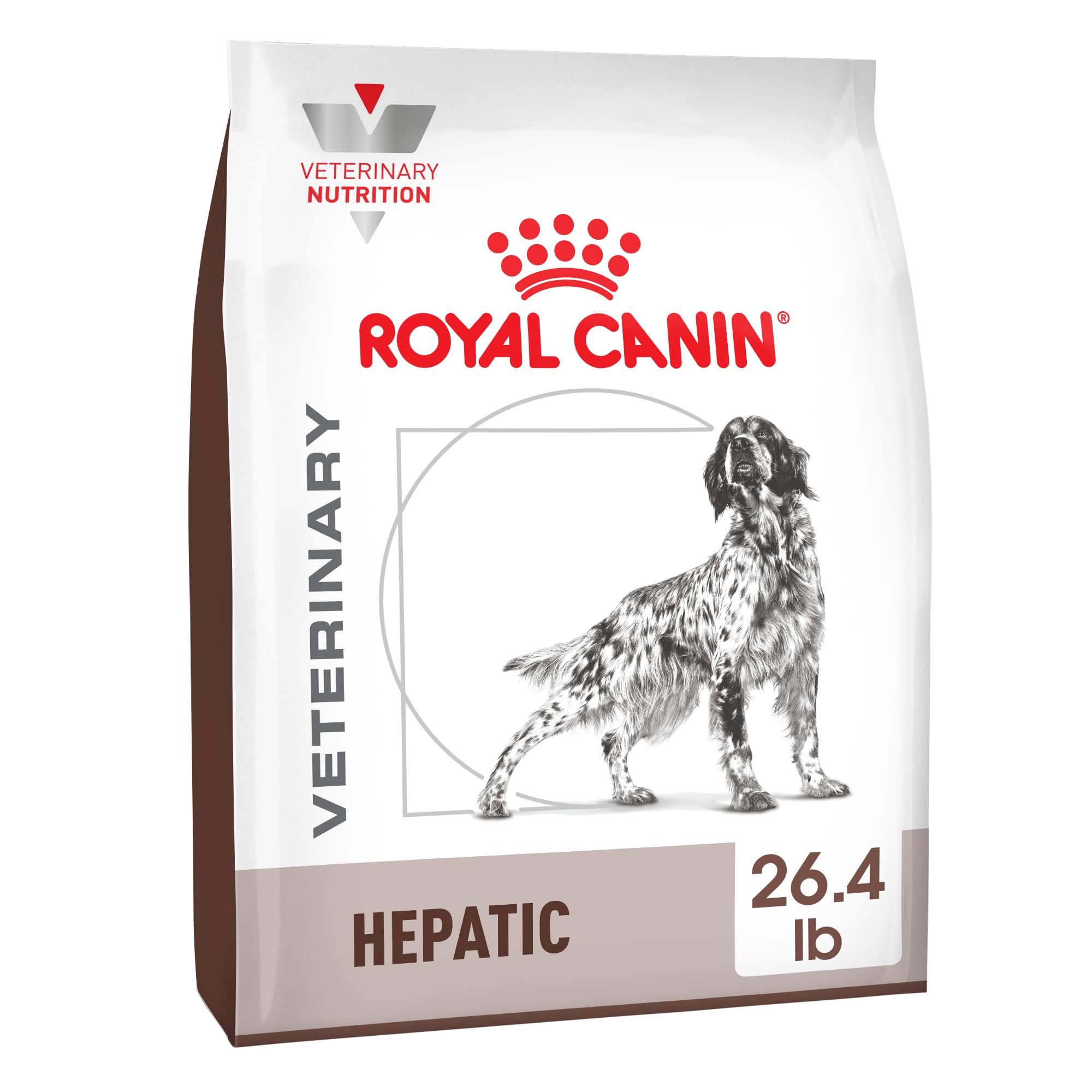
The Royal Canin Hepatic formula uses vegetable protein isolates as its primary nitrogen source, which reduces the ammonia load that accumulates in dogs with compromised liver function. The low copper level—verified by owners managing copper storage hepatopathy—prevents further accumulation in liver cells, a critical advantage over many standard senior diets. At 26.4 pounds, this bag offers the most extended supply of any prescription hepatic option reviewed here.
Owners report that even picky small-breed dogs accept the large kibble size as a treat, though the pebble dimensions may challenge very small breeds like Yorkies or Chihuahuas. The inclusion of prebiotics supports gastrointestinal microbiome balance, which can shift during liver dysfunction. One verified owner noted this product was over cheaper at competing retailers for the same size, so price-shopping is advisable.
The adapted energy content reduces meal volume, lowering intestinal load while maintaining caloric density—important for dogs who experience appetite loss during hepatic flare-ups. If your dog has confirmed copper storage disease or requires strict copper restriction, this diet is the most precisely calibrated option in this list. Always transition gradually over 7-10 days to avoid digestive upset.
Why we love it
- Lowest copper formulation among prescription hepatic diets
- Vegetable proteins reduce hepatic encephalopathy risk
- High caloric density supports weight maintenance
Good to know
- Kibble size is large for toy breeds
- Price can vary significantly across retailers
2. Hill’s Prescription Diet l/d Liver Care Dry Dog Food

Hill’s l/d formula is built on decades of clinical research with controlled levels of highly digestible protein that reduce the liver’s workload during metabolic processing. The low copper content minimizes accumulation in hepatic cells, a key factor for breeds like Bedlington Terriers and Doberman Pinschers prone to copper storage disorders. Clinically proven antioxidants, including vitamins E and C, support immune function in dogs whose livers produce fewer protective compounds.
The 17.6-pound bag provides roughly a month of food for a 40-pound dog, making it a moderate-volume option between the Royal Canin large bag and the smaller Pro Plan NF bag. Chicken is the primary protein source, which offers high digestibility compared to beef or fish-based alternatives. Owners transitioning from standard diets should expect a 5-7 day adjustment period, as the lower protein and fat profile differs significantly from maintenance formulas.
Hill’s maintains the number-one US veterinarian-recommended therapeutic pet food status, and the l/d line has supported dogs with confirmed liver disease for years. The formula’s highly digestible nature means fewer waste products reach the colon, reducing toxin production that can worsen hepatic encephalopathy. For owners seeking a prescription diet with the longest track record of clinical validation, this is the safest baseline choice.
Why we love it
- Backed by decades of clinical feeding trials
- Controlled protein reduces metabolic ammonia load
- Low copper protects against progressive accumulation
Good to know
- Requires veterinary authorization for purchase
- Some dogs find the chicken flavor unappealing during nausea
3. Pro Plan Veterinary Diets Purina NF Kidney Function Dry Dog Food

Purina’s NF formula is engineered for dogs whose liver disease has progressed to affect kidney function, a common comorbidity in older canines. The restricted protein is complemented by tightly controlled phosphorus levels—below 0.5% on a dry matter basis—that reduce renal stress while supporting hepatic detoxification. Each serving is energy-dense, delivering needed calories in smaller meal volumes for dogs with reduced appetites.
The 6-pound bag is the smallest volume among the prescription dry foods reviewed here, making it ideal for travel or for owners who want to test palatability before committing to larger bags. The kibble is formulated for all life stages, which can help multi-dog households where one dog requires support. Antioxidants in the formula help neutralize free radicals that accumulate when the liver’s detox pathways are compromised.
Because the NF line targets kidney function primarily, the protein restriction in this diet may be too severe for dogs with early-stage liver disease but healthy kidneys. The vegetable flavor profile uses purified plant-based proteins, which are highly digestible and produce fewer nitrogenous wastes than animal proteins. If your dog has concurrent renal insufficiency, this dual-purpose formula offers the best metabolic coverage.
Why we love it
- Formulated for concurrent kidney and liver disease
- Energy-dense reduces meal volume needed
- Purified vegetable protein minimizes waste load
Good to know
- Small 6 lb bag may require frequent reordering
- Protein may be too restricted for dogs with healthy kidneys
4. Rx Vitamins Hepato Support for Dogs & Cats – 180 Capsules

The 180-count bottle of Rx Vitamins Hepato Support provides a three-month supply for most dogs, making it the highest-capacity supplement option in this review. Each capsule delivers organic milk thistle extract standardized for silymarin content—the active compound that supports hepatocyte regeneration and reduces oxidative stress. The formula is enriched with vitamin B6, B2, and B1 to support energy metabolism and coat health.
Veterinarian-formulated and made in the USA, these capsules can be opened and sprinkled over food, making administration straightforward even for reluctant eaters. The unflavored capsule powder mixes cleanly into wet food without altering taste significantly. This supplement is designed to complement a prescription hepatic diet rather than replace it—think of it as nutritional reinforcement for dogs whose liver enzyme levels need additional support.
The 180-capsule bottle offers the lowest per-dose cost of any form of Rx Vitamins Hepato Support, which matters for owners managing a chronic condition. If your dog’s liver values are stable but borderline, this supplement can help maintain function alongside a balanced diet. For acute or advanced stages, pair it with a veterinary diet rather than relying on supplementation alone.
Why we love it
- Three-month supply reduces reorder frequency
- Organic milk thistle standardized for silymarin
- Easy capsule sprinkling for all breeds
Good to know
- Not a complete diet—must be used alongside food
- Results may take 2-4 weeks to appear on bloodwork
5. Rx Vitamins Hepato Support for Dogs & Cats – 90 Capsules
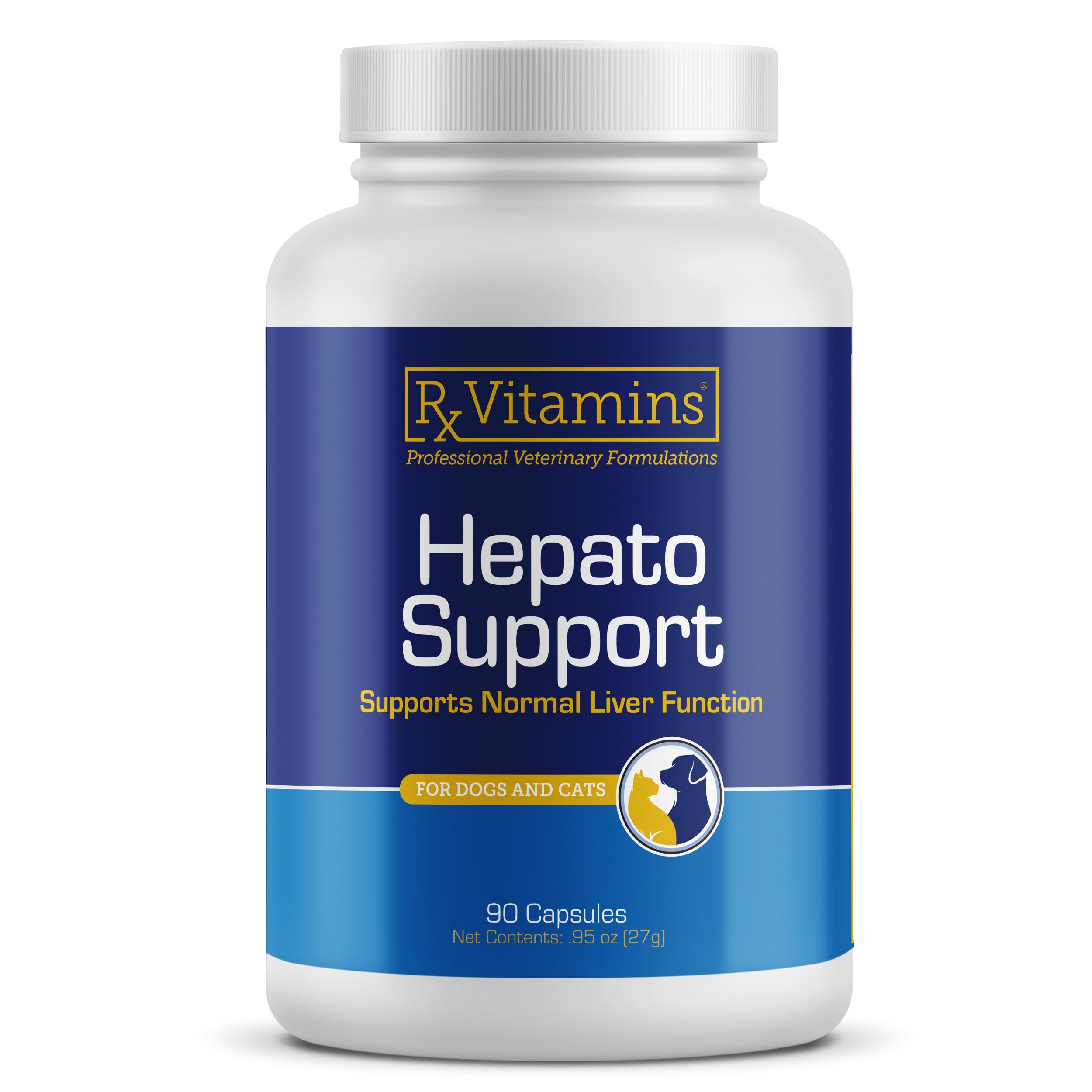
The 90-capsule bottle of Rx Vitamins Hepato Support is the most accessible entry point for owners trialing liver support supplements. The same organic milk thistle and vitamin B2 formula as the larger bottle allows you to test whether your dog responds before committing to a three-month supply. Multiple verified owners report that this supplement helped lower liver enzyme levels in senior dogs undergoing long-term medication regimens.
One owner described how their 13-year-old dog’s elevated liver values returned to normal range within weeks of starting this alongside a standard high-quality diet. Another owner noted a vet specifically recommended this product for a senior Westie with low liver readings. The yellow powder inside the capsules mixes easily into wet or dry food without causing rejection.
The 90-count bottle provides about six weeks of supplementation for a 50-pound dog at the standard dose. Because liver support is a gradual process, expect to use this consistently for at least 4-6 weeks before retesting bloodwork. If your vet has recommended milk thistle but hasn’t specified a brand, this formulation offers a solid starting point with broad positive feedback.
Why we love it
- Low commitment size for supplement trials
- Multiple owner reports of improved liver values
- Made in the USA with organic milk thistle
Good to know
- Less economical than the 180-count bottle long-term
- Works best as a complement, not a standalone treatment
6. KOHA Limited Ingredient Bland Diet for Dogs, Chicken and White Rice Wet Food

The KOHA Bland Diet is designed for acute episodes of digestive upset rather than long-term hepatic management, but it plays a critical role in the liver disease feeding protocol. When a dog with liver disease experiences diarrhea, vomiting, or inappetence from medication side effects, this ready-to-serve chicken and white rice blend provides a low-friction meal that won’t trigger additional inflammation. The inclusion of pumpkin supports stool firming without adding copper or phosphorus.
Each pack is a complete AAFCO-balanced meal, meaning it can be fed exclusively during a flare-up rather than requiring homemade cooking that risks nutritional imbalances. Owners report dogs recovering from stress-induced diarrhea or medication-related loose stool within 3-5 days of switching to this diet. The six-pack provides enough volume for a multi-day resting period for medium-sized dogs.
This wet food is free from peas, potatoes, corn, and soy—fillers that can increase fiber load and make liver metabolism harder. If your dog is in an active disease flare, this bland diet can stabilize the gut while you continue prescription dry food elsewhere. Because it is not a low-phosphorus or low-copper therapeutic diet, use it only during acute recovery windows, not as a primary feeding solution.
Why we love it
- Ready-serve avoids cooking mistakes during flare-ups
- AAFCO balanced for exclusive short-term feeding
- Free from common inflammatory filler ingredients
Good to know
- Not formulated for long-term hepatic dietary management
- Chicken may not suit dogs with specific protein allergies
7. SquarePet VFS Low Phosphorus Formula Dry Dog Food

SquarePet VFS uses cage-free turkey and whole eggs as primary protein sources, offering higher bioavailability than many plant-based protein blends while maintaining a low phosphorus profile necessary for dogs with compromised liver and kidney function. The formula includes salmon oil for omega-3 fatty acids DHA and EPA, which help manage inflammation without adding copper to the diet. Taurine and L-carnitine support cardiac and metabolic health, areas often affected by liver disease.
Owners of dogs with early-stage kidney disease report that mixing this food 80-20 with a standard store brand brought creatinine levels back to normal range. The antioxidant blend—vitamins E and C—bolsters immune function when the liver’s production of protective proteins is reduced. The 4.4-pound bag is compact but dense, providing approximately 10-14 days of food for a 30-pound dog depending on activity level.
Pickier dogs may initially reject the transition from high-fat diets because this formula is intentionally lower in sodium and phosphorus. Owners note successful transitions by mixing with a small amount of warm water or a topper. For early-stage hepatic or renal disease, this non-prescription option provides a solid foundation before prescription diets are required.
Why we love it
- Cage-free turkey is a highly digestible low-phosphorus protein
- Salmon oil provides omega-3s without excess copper
- Non-prescription access for early-stage cases
Good to know
- Small bag size requires frequent repurchase
- Palatability can be inconsistent for picky eaters
FAQ
Can I feed my dog a low-protein diet for liver disease without a veterinary prescription?
How much milk thistle is safe for a dog with liver disease?
Why is copper restriction important in hepatic dog foods?
Should I feed wet or dry food for a dog with liver disease?
Final Thoughts: The Verdict
For most owners managing a dog with liver disease, the best dog foods for liver disease winner is the Royal Canin Canine Hepatic Dry Dog Food because its low copper formulation and vegetable-based protein profile directly address the two metabolic stressors that accelerate hepatic decline. If you need a diet that simultaneously supports kidney function, grab the Purina Pro Plan Veterinary Diets NF Kidney Function. And for early-stage management or as a supplement alongside a prescription diet, nothing beats the value of the Rx Vitamins Hepato Support 90-Count.