
Managing a dog with a liver shunt requires precise nutritional control, as the wrong protein source or copper level can worsen symptoms like lethargy, poor growth, and neurological issues. The goal is to reduce the liver’s workload by providing highly digestible proteins and limiting toxins that bypass hepatic filtration.
I’m Mo Mahin — the founder and writer behind Furric. I’ve spent years studying veterinary nutritional guidelines, comparing ingredient specifications, and analyzing aggregated owner feedback on therapeutic diets for hepatic conditions.
After reviewing dozens of renal and hepatic support formulas against strict veterinary criteria, I’ve narrowed the field to the five most reliable options. This guide covers exactly what constitutes the best dry dog food for liver shunt and how to evaluate each bag against your dog’s specific needs.
How To Choose The Best Dry Dog Food For Liver Shunt
Not all low-protein or senior diets are suitable for a dog with a portosystemic shunt. You need to look beyond the marketing claims and focus on three specific nutritional levers that directly impact hepatic ammonia processing and copper accumulation.
1. Low Copper Content Is Non-Negotiable
Dogs with liver shunts have impaired bile flow, which is the primary route for copper excretion. Excess copper accumulates in hepatocytes, causing oxidative damage and accelerating fibrosis. A therapeutic hepatic diet keeps copper levels well below 5–6 mg/1000 kcal. Always check the guaranteed analysis or ask your vet for the exact ppm value — many premium all-life-stage foods inadvertently exceed safe copper levels for shunt dogs.
2. Protein Source Digestibility Over Quantity
The goal is not to starve your dog of protein but to provide amino acids from highly digestible, low-ammonia-generating sources. Vegetable proteins like soy protein isolate and egg whites produce fewer nitrogenous wastes than red meat meals. The ideal hepatic diet uses a single, highly bioavailable protein source and limits total crude protein to roughly 14–18% on a dry-matter basis, reducing the liver’s detoxification burden.
3. Strategic Antioxidant & Microbiome Support
A compromised liver is vulnerable to oxidative stress. Look for clinically proven levels of vitamins E and C, plus a prebiotic fiber blend (like beet pulp or FOS) that supports a healthy gut microbiome. A favorable microbiome reduces the production of ammonia and other hepatotoxins in the colon, giving the shunt dog’s liver less work to do per meal.
Quick Comparison
On smaller screens, swipe sideways to see the full table.
| Model | Category | Best For | Key Spec | Amazon |
|---|---|---|---|---|
| Hill’s Prescription Diet l/d Liver Care | Veterinary Diet | Clinically proven liver protection | Low copper, highly digestible protein | Amazon |
| Royal Canin Veterinary Hepatic | Veterinary Diet | Lowest copper accumulation | Low copper, soy protein isolate | Amazon |
| Dave’s Pet Food Kidney Care (Wet) | Wet Renal Diet | Transitioning picky eaters | Low phosphorus, low protein tuna pate | Amazon |
| PawVital Milk Thistle Liver Chews | Supplement | Support alongside veterinary diet | 90 chews, milk thistle + NAC | Amazon |
| Rx Vitamins Hepato Support Capsules | Supplement | Add to any kibble | 90 capsules, milk thistle + B2 | Amazon |
In‑Depth Reviews
1. Hill’s Prescription Diet l/d Liver Care Dry Dog Food

Hill’s l/d is the benchmark veterinary hepatic diet, formulated by Hill’s nutritionists to support liver function through controlled, highly digestible protein levels and a specifically reduced copper concentration. The kibble size is roughly 5–7 mm in diameter, making it appropriate for small to medium breeds like Havanese, Shih Tzus, and Yorkies that commonly present with congenital shunts. Each serving delivers a precise blend of antioxidants — including vitamins E and C — that support immune function in a compromised hepatic environment.
Owner reports consistently highlight dramatic improvements in energy level and neurological symptom reduction, with one long-term user noting their medium-sized Havanese went from being sick weekly to rare episodes. The chicken flavor is well-tolerated by most dogs, though some picky small breeds may need a slow transition mixed with their previous food. Because this is a prescription diet, you’ll need a veterinarian’s authorization before purchase, which ensures the diagnosis is properly confirmed before starting the protocol.
The 17.6-pound bag provides roughly 30–40 days of food for a 15-pound dog, depending on exact feeding guidelines. The product is the number one US vet-recommended therapeutic pet food brand, which gives owners confidence that the formulation is backed by clinical feeding trials rather than just marketing claims.
Why we love it
- Low copper levels protect against hepatic accumulation
- Highly digestible protein reduces liver workload
- Clinically proven antioxidant blend supports immunity
Good to know
- Requires a veterinary prescription to purchase
- Some small dogs may need a slow dietary transition
2. Royal Canin Veterinary Diet Canine Hepatic Dry Dog Food
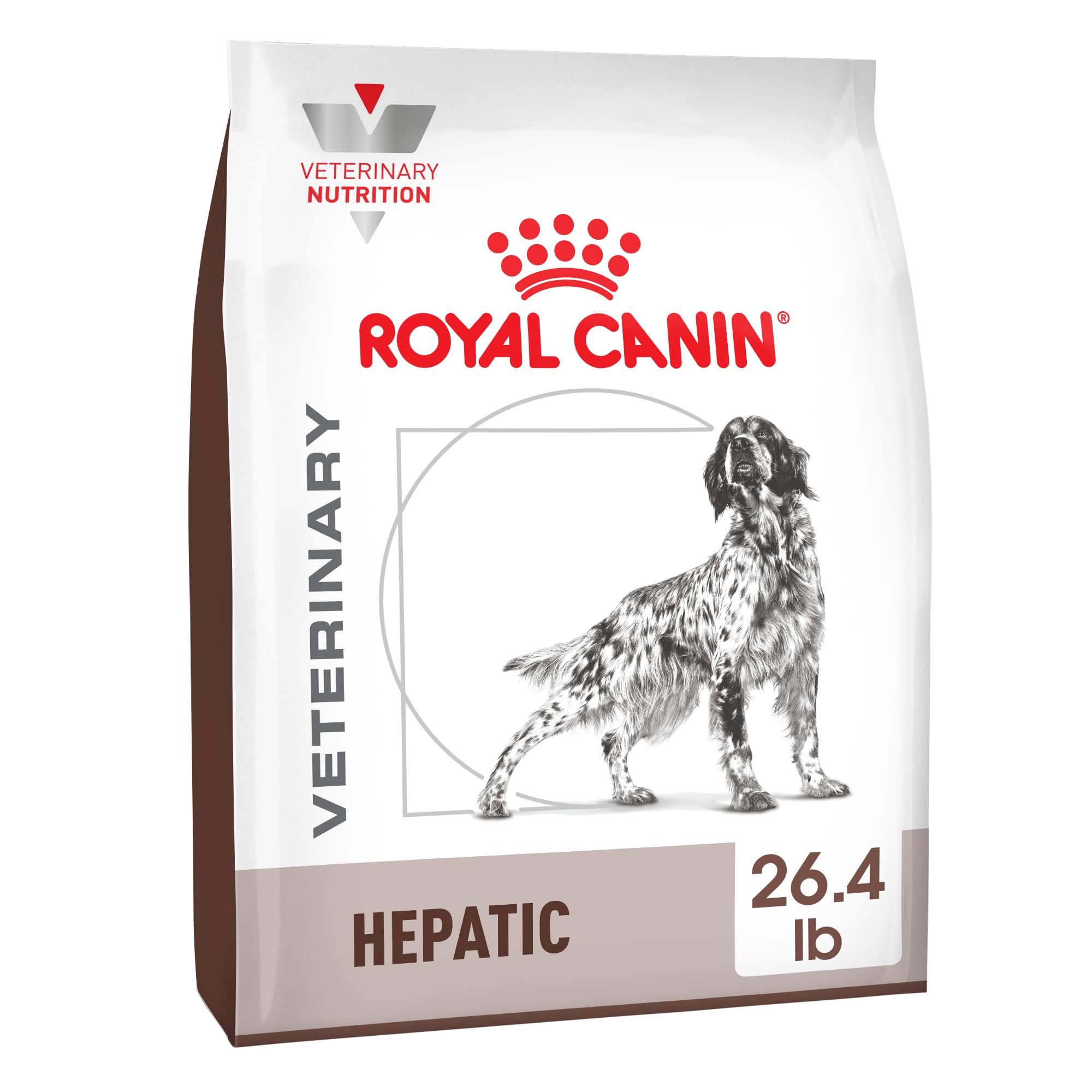
Royal Canin’s Hepatic formula takes a distinctly different approach from Hill’s by using soy protein isolate as its primary protein source, which is one of the most digestible vegetable proteins available. This choice produces less ammonia during digestion than animal-based proteins, directly benefiting dogs with portosystemic shunts who struggle to detoxify nitrogenous wastes. The copper level is notably low — owners dealing specifically with copper storage disease or copper-associated hepatitis often prefer this formula over other brands.
The kibble size is slightly larger than Hill’s l/d, approximately 8–10 mm in diameter, which some owners of toy breeds find challenging. A common workaround is soaking the kibble in warm water for a few minutes to soften it before feeding. The formula also includes a precise prebiotic fiber blend that supports a healthy gastrointestinal microbiome, further reducing colonic ammonia production. The 26.4-pound bag yields roughly 131 cups of food, making it the most cost-efficient option on a per-cup basis among the premium veterinary diets.
Dog owners report that even picky eaters tend to accept this food readily, often treating the kibble like a reward rather than a medicine. One reviewer noted their small dog with copper storage issues thrived after switching from Hill’s l/d, which had higher copper levels. While the prescription requirement can be an extra step, it ensures that the dog’s diagnosis is confirmed through blood work before committing to a long-term dietary plan.
Why we love it
- Soy protein isolate generates less ammonia than animal proteins
- Lowest copper concentration in its class
- Large bag offers excellent value per cup
Good to know
- Kibble may be too large for very small breeds without soaking
- Requires veterinary prescription for purchase
3. Dave’s Pet Food Kidney Care Dog Food (Tuna Pate)
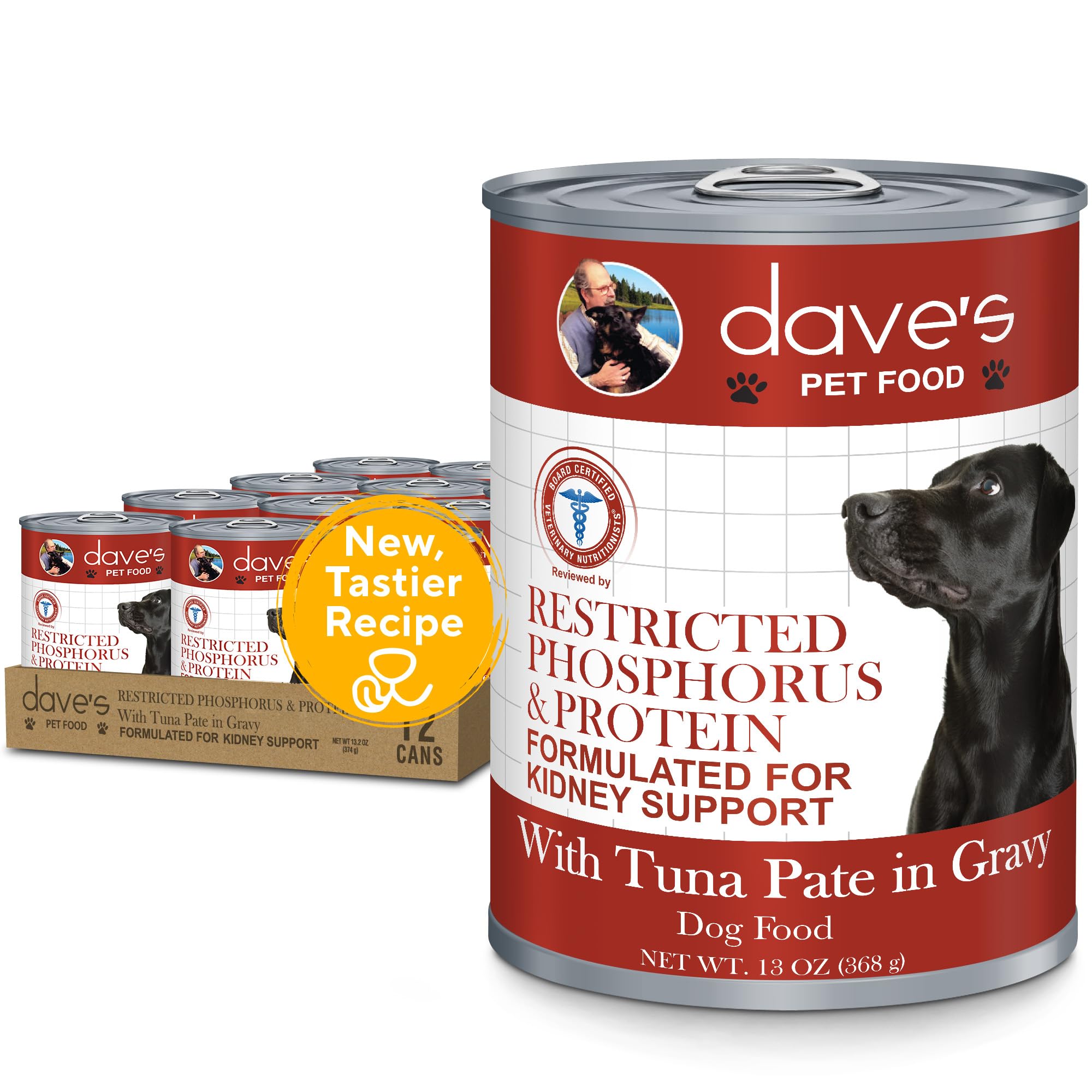
While primarily formulated for kidney support, Dave’s Kidney Care wet food shares several nutritional characteristics beneficial for liver shunt management — primarily its low phosphorus content (0.08% max) and reduced protein levels. The tuna pate texture in gravy is designed for palatability, making it an excellent option for dogs that are transitioning from a standard diet or refusing dry kibble due to nausea, a common issue in dogs with hepatic encephalopathy. The formula is crafted by board-certified veterinary nutritionists and does not require a prescription.
However, owner experiences with palatability are mixed. Some senior dogs eagerly consume the tuna flavor, while others reject the pate texture entirely. One reviewer described the consistency as pink sludge, and their dogs refused it. This variability makes the 12-pack a safer purchase for homes where the dog has already shown willingness to eat pate-style foods. The 13-ounce cans are a generous serving size — roughly two meals for a 20-pound dog, or one meal for a 40-pound dog. Because this is a wet food, it also provides additional hydration, which supports kidney function concurrently.
The product is supplemented with omega-3 fatty acids (EPA and DHA) and B-complex vitamins to replenish nutrients lost through increased urination — a benefit for dogs managing both renal and hepatic challenges simultaneously. It’s important to note this is not a true hepatic diet; the copper level is not specifically controlled for liver shunt dogs. Use this as a transitional or supplemental food rather than a standalone hepatic protocol.
Why we love it
- Low phosphorus and low protein support renal and hepatic function
- No prescription required for purchase
- High moisture content aids hydration
Good to know
- Texture may be unappealing to some dogs
- Copper level not controlled for liver shunt specifically
4. PawVital Milk Thistle for Dogs – Max Strength Liver Support Chews
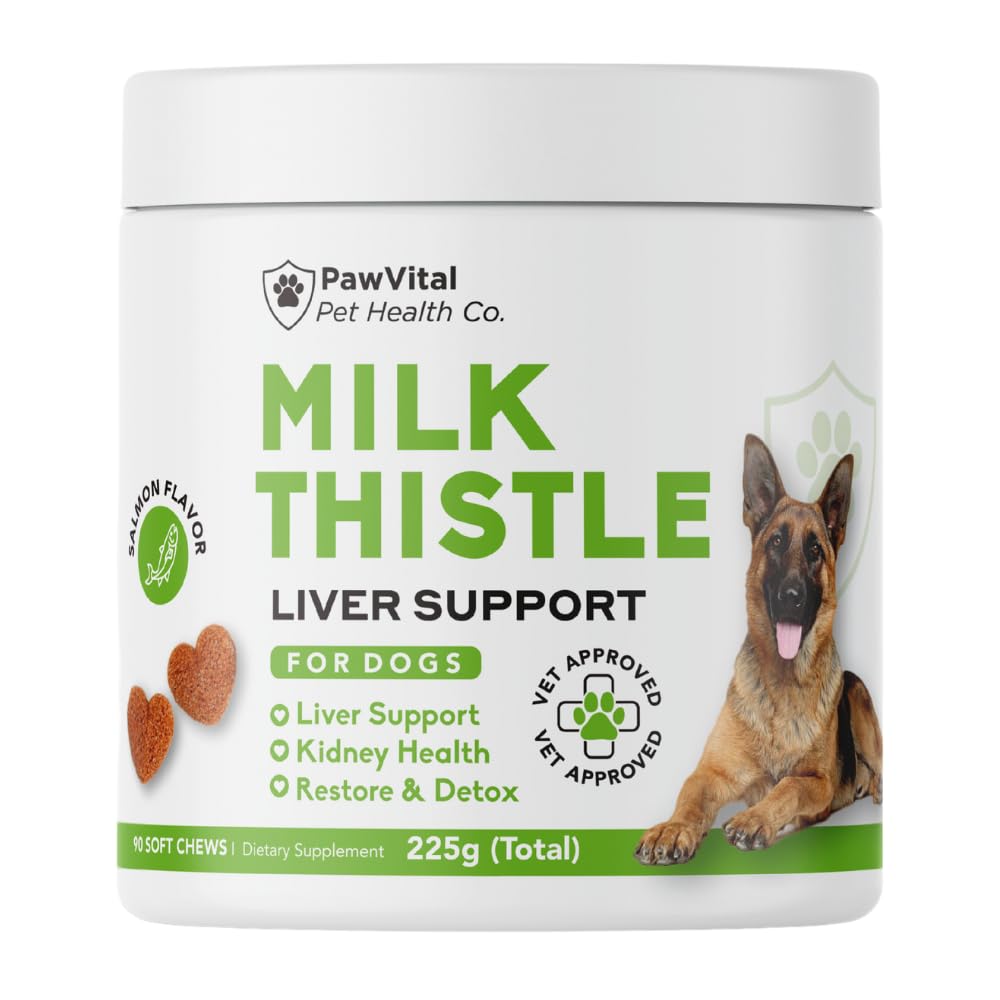
PawVital’s milk thistle chews provide a convenient, mess-free way to supplement a veterinary hepatic diet with additional liver-protective compounds. Each chew contains 285 mg of milk thistle extract standardized for silymarin, the active flavonoid complex that supports hepatocyte regeneration and reduces oxidative stress. The formula also includes N-Acetyl Cysteine (NAC), curcumin, choline, and dandelion root powder — a multi-ingredient approach that supports both liver detoxification and kidney flush. The real chicken base makes these highly palatable, often accepted as a daily treat.
Owner feedback is consistently positive: multiple reviewers report improved liver enzyme values after adding these chews to their dog’s routine, with one noting their dog’s liver enzymes returned to normal range. The 90-count bottle provides a roughly three-month supply for a 30-pound dog at the standard dosage. Because these are soft chews rather than capsules or liquids, dosing is easier and more accurate — no spilled liquid or measuring required. The added Bioperine (black pepper extract) enhances absorption of curcumin, which is naturally poorly bioavailable on its own.
It’s critical to understand that these chews are a supplement, not a complete diet. They should be used alongside a veterinary-prescribed hepatic food, not as a replacement. Always consult with your veterinarian before adding any supplement to a liver shunt protocol, as certain herbs can interact with medications or be contraindicated in advanced liver disease.
Why we love it
- Milk thistle + NAC + curcumin provide multi-target liver support
- Highly palatable real chicken base easy to administer
- No mess or spills with accurate dosing per chew
Good to know
- Supplement only — not a complete diet replacement
- Consult vet before adding to any hepatic treatment plan
5. Rx Vitamins Hepato Support for Dogs & Cats
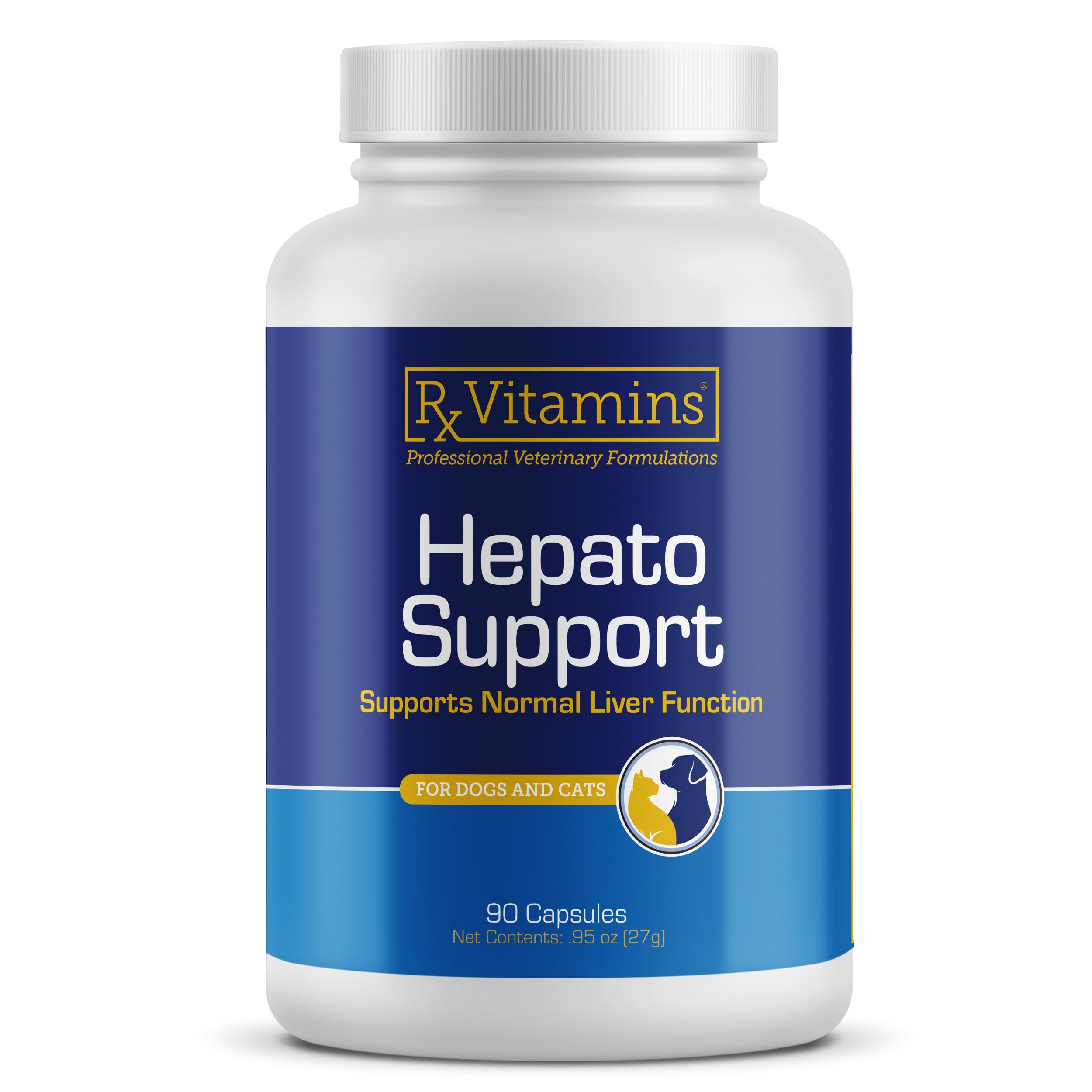
Rx Vitamins Hepato Support offers a straightforward, unflavored capsule format that can be added directly to any dog’s food, making it ideal for pet owners who already have a preferred kibble but need to enhance its liver-supportive properties. Each capsule delivers milk thistle extract alongside vitamin B2 (riboflavin), which plays a crucial role in hepatic energy metabolism and detoxification pathways. The unflavored design means it won’t affect the taste of the food, which is helpful for dogs who are sensitive to new flavors or already picky eaters.
The formula is tailored for senior pets, addressing the increased oxidative stress and declining liver function common in older dogs. The capsule can be opened and the powder sprinkled over food for easier administration in small breeds or dogs that refuse pills. As a USA-manufactured product, the quality control standards are traceable. However, because this is a supplement and not a diet, there is no control over the dog’s copper or protein intake — that responsibility remains with the primary food choice.
This product pairs well with either Hill’s l/d or Royal Canin Hepatic, adding an extra layer of hepatic support without interfering with the prescription diet’s nutritional profile. Since there are no customer reviews available yet, owners should introduce this supplement gradually and monitor their dog’s response, particularly any changes in appetite or stool quality.
Why we love it
- Unflavored capsule won’t alter food taste
- Vet-formulated for senior hepatic support
- Can be opened and mixed into any kibble
Good to know
- Limited owner feedback available at launch
- Supplement only — must pair with a complete hepatic diet
FAQ
Can I feed a regular senior diet to a dog with a liver shunt?
How do I check the copper content in my dog’s current food?
Final Thoughts: The Verdict
For most dogs diagnosed with a liver shunt, the dry dog food for liver shunt winner is the Hill’s Prescription Diet l/d Liver Care because it combines low copper with clinically proven antioxidant levels and highly digestible chicken protein — all backed by decades of veterinary research. If your dog requires the absolute lowest copper load available, grab the Royal Canin Veterinary Hepatic with its soy protein isolate base. And for dogs that need a wet food transition or refuse dry kibble, nothing beats the Dave’s Pet Food Kidney Care Tuna Pate as a supplemental option to keep them eating while managing hepatic stress.