
Your bearded dragon’s health hinges on the calcium-to-phosphorus ratio of every single insect you drop in its tank. Cheap crickets from a pet store can be 40 percent phosphorus and almost zero calcium, which leaches bone density out of a growing dragon over time. The right feeder insects deliver a near-perfect 2:1 calcium-phosphorus balance, solid protein content, and a low-fat profile that prevents fatty liver disease — the leading diet-related killer in captive bearded dragons.
I’m Mo Mahin — the founder and writer behind Furric. I spend my weeks parsing veterinary nutritional data on captive reptile diets, comparing live feeder insect protein percentages and calcium-phosphorus ratios, and analyzing hundreds of verified owner experiences to separate marketing hype from feeding reality.
After cross-checking protein content, moisture levels, and live arrival rates across the top options, I’ve narrowed the field to the five insects for bearded dragons that deliver the most nutrition and reliability per dollar.
How To Choose The Best Insects For Bearded Dragons
Not every crawling insect is a proper feeder for your dragon. Wild-caught bugs carry parasites and pesticide residue. Even farm-raised options vary wildly in moisture, protein, and chitin content. The three specs that separate safe feeders from risky snacks are the calcium-to-phosphorus ratio, the protein-to-fat ratio, and the insect’s exoskeleton hardness relative to your dragon’s size.
Calcium-to-Phosphorus Ratio — The Bone Health Decider
A bearded dragon’s body cannot absorb calcium when phosphorus exceeds calcium in the diet. Black soldier fly larvae and Dubia roaches both land close to a 2:1 or better calcium-phosphorus ratio. Crickets and mealworms sit closer to 1:8 calcium-phosphorus — which means every cricket you feed requires dusting with a phosphorus-free calcium powder to avoid metabolic bone disease over time.
Protein vs. Fat — Adult Dragons Need Lean Feeders
Juvenile bearded dragons grow fast and need 50-80 percent protein in their feeder insects. Adult dragons slow down metabolically and develop fatty liver disease on high-fat insects like waxworms and superworms if fed too often. Dubia roaches sit at roughly 36 percent protein and 7 percent fat — a lean profile that suits both age groups without constant rotation.
Live Arrival Guarantee — The Real Cost of Dead Feeders
Feeder insects ship alive or they become waste. A seller that guarantees live arrival below 85°F and above 55°F is a seller that packs cooled insulation pads, proper ventilation, and minimal travel time. Without that written guarantee, you are paying full price for a bag of dead, dehydrated bugs that may have already started decomposing inside the packaging.
Quick Comparison
On smaller screens, swipe sideways to see the full table.
| Model | Category | Best For | Key Spec | Amazon |
|---|---|---|---|---|
| Adult Dubia Roaches 20F + 10M | Breeding Colony | Setting up a self-sustaining colony | 30 mixed-sex adults, size ~1.5″ | Amazon |
| 100 Medium Dubia Roaches Cup | Daily Feeders | Medium-sized dragons, easy portioning | 100 roaches in cup, medium size | Amazon |
| 200 Large Dubia Roaches Cloth Bag | Bulk Feeders | Large adult dragons, high-volume feeding | 200 large roaches, high protein | Amazon |
| Josh’s Frogs 1/2″ Banded Crickets 500 | Small Crickets | Baby and juvenile dragons | 500 count, 1/2″ size, baby-safe | Amazon |
| 100ct Large Superworms 1.75″-2″+ | Treat Feeders | Occasional treat, high-fat boost | 100 superworms, 1.75″-2″+ long | Amazon |
In‑Depth Reviews
1. Adult Dubia Roaches 20 Females & 10 Males

This 30-count package of 20 adult female and 10 male Dubia roaches is designed for keepers who want to establish a breeding colony rather than buy feeders weekly. The females arrive fully mature and ready to produce nymphs within days — one female can drop 20 to 40 nymphs per month at optimal temperatures. Owner reports consistently mention roaches arriving at roughly 1.5 inches long, which is a safe size for adult bearded dragons and avoids the choking risk of smaller feeders.
The calcium-to-phosphorus ratio in Dubia roaches sits right around 1.25:1 naturally, which is dramatically better than mealworms or crickets. Multiple verified buyers note single-digit mortality rates during transit — one dead male out of 30 is the most commonly reported loss. The seller explicitly excludes shipping to Florida, Hawaii, and Alaska due to state agricultural restrictions on non-native roach species.
For keepers feeding multiple dragons or wanting to reduce long-term feeder costs, this breeding starter pays for itself within two months. The roaches are clean, odorless, and do not climb smooth surfaces, so they cannot escape the enclosure when feeding. Dust the adults with calcium powder before each feeding to push the ratio closer to 2:1 for adult dragons.
Why we love it
- Mature females produce nymphs within days; colony self-sustains long-term
- Very low transit mortality — consistently arrives with 1–2 dead max
- Full 1.5-inch size is ideal for adult dragons, no escape risk
Good to know
- Cannot ship to Florida, Hawaii, or Alaska due to state laws
- Adult Dubias take 6–8 months to reach full size from nymph stage
2. 100 Medium Dubia Roaches in Cup

This 100-count cup of medium Dubia roaches targets keepers feeding one or two dragons who want a ready-to-feed supply without managing a colony. The medium size is appropriate for bearded dragons roughly 8 to 14 inches in total length — young adults and subadults that have outgrown small crickets but are not yet ready for full-size adult roaches. Each cup arrives with sufficient substrate and ventilation for short-term storage.
Dubia roaches are widely considered the nutritional gold standard among feeder insects, offering roughly 36 percent protein and only 7 percent fat. That lean profile makes them suitable for daily feeding without causing obesity issues in captive dragons. The manufacturer highlights that these roaches cannot fly, cannot climb smooth plastic or glass walls, and make no audible noise — a practical advantage over crickets for owners who keep enclosures in bedrooms or shared living spaces.
The single drawback is that medium roaches are not sexually mature, so you cannot use this cup to start a breeding colony. The roaches will remain medium-sized until they are fed off. For owners who just want a month’s worth of high-protein feeders with zero escape or noise problems, this cup delivers consistent nutrition per insect.
Why we love it
- High protein percentage paired with low fat content — safe for daily feeding
- Medium size fits the gap between baby crickets and adult roaches
- No climbing or flying ability means zero escape incidents
Good to know
- Medium roaches are not mature — cannot be used to start a breeding colony
- 100-count cup feeds an adult dragon roughly 2–3 weeks if fed daily
3. 200 Live Large Dubia Roaches Cloth Bag

DBDPet’s 200-count bag of large Dubia roaches is the highest-volume pure-feeder option on this list, designed for keepers with multiple adult dragons or a single large adult that eats 8 to 12 roaches per feeding. Large Dubias measure roughly 1.25 to 1.5 inches, which is the ideal size class for adult bearded dragons — large enough to trigger a feeding response but not so large that they risk impaction if the dragon chews properly.
The protein content in these roaches aligns with the broader Dubia profile at 36 percent, but the large size means each insect delivers more usable mass per feeding session than smaller nymphs. The manufacturer ships in breathable cloth bags rather than sealed plastic containers, which reduces moisture buildup and ammonia odors during transit. The live arrival guarantee is explicitly stated, though buyers outside of Florida and Hawaii face no shipping restrictions.
One consideration is that large Dubias have thicker exoskeletons than medium or small roaches. Juvenile dragons under six months old may struggle to properly break down the chitin, leading to undigested exoskeleton pieces in stool. This bag is best used for dragons over 12 inches in total length with fully developed jaw strength and digestive capability.
Why we love it
- 200 large roaches offer high mass per feeder — fewer bugs per feeding session
- Breathable cloth bag shipping reduces moisture and odor during transit
- Live arrival guarantee gives confidence for bulk orders
Good to know
- Large size has thicker chitin — not suitable for dragons under six months
- Cannot ship to Florida or Hawaii due to state restrictions
4. Josh’s Frogs 1/2″ Banded Crickets (500 Count)
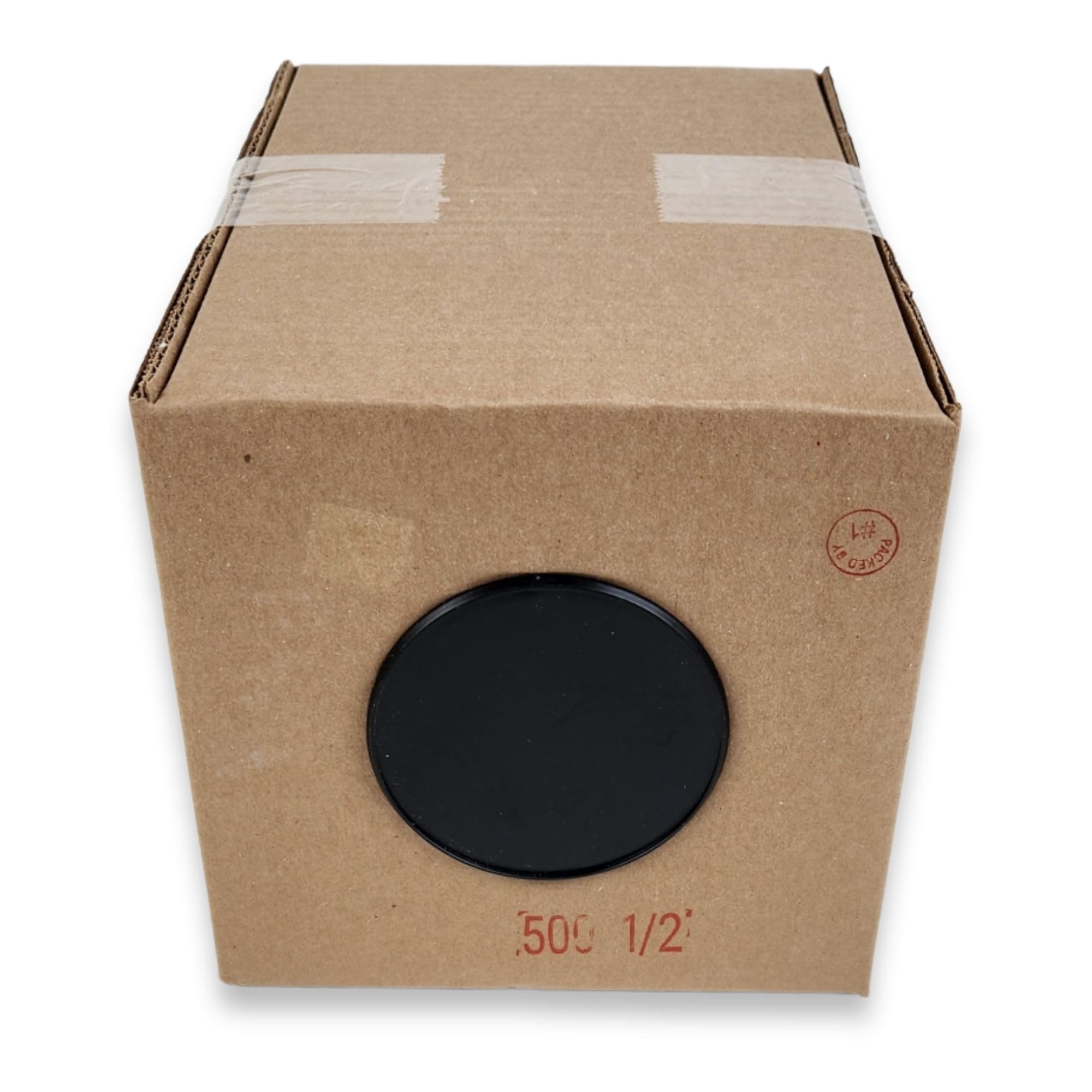
Banded crickets from Josh’s Frogs are the only cricket option on this list, and they earn their spot because of the 1/2-inch size class. Baby bearded dragons under six weeks old need feeders no larger than the space between their eyes — roughly 3/16 to 1/4 inch — and these half-inch banded crickets are appropriate for dragons that are 4 to 6 weeks old and above. The manufacturer packs a generous overcount in each carton to compensate for any transit losses.
Banded crickets have a slightly softer exoskeleton compared to common house crickets, which makes them easier for young dragons to digest. The protein content is lower than Dubia roaches at roughly 21 percent, and the calcium-phosphorus ratio sits at about 1:8, meaning every cricket must be dusted with a phosphorus-free calcium supplement before feeding. The upside is that crickets stimulate a stronger hunting response in baby dragons than roaches do — the movement triggers feeding instincts that ensure adequate food intake during rapid growth phases.
The major drawback is the noise and smell. Five hundred live crickets produce audible chirping and a distinct odor within 48 hours unless stored in a well-ventilated container with egg crate and consistent temperatures below 75°F. This carton is best used within 10 to 14 days of arrival to avoid significant die-off and odor buildup.
Why we love it
- 1/2-inch size fits young dragons transitioning from pinhead crickets
- Banded crickets have softer chitin than common house crickets
- Generous overcount provides buffer against transit losses
Good to know
- Calcium-phosphorus ratio is roughly 1:8 — calcium dusting is mandatory
- Loud chirping and noticeable odor develop after 48 hours without proper ventilation
5. 100ct Live Superworms Large 1.75″-2″+ (100)

This 100-count bag of large superworms from Superworm CO delivers insects measuring 1.75 to 2 inches in length, making them the physically largest feeder on the list. Superworms are not the same as mealworms — they are a separate species with a noticeably higher fat content and a harder exoskeleton. For adult bearded dragons, two superworms once per week function as a high-fat treat that helps maintain body condition during cooler months or post-brumation recovery.
The nutritional profile of superworms sits at roughly 19 percent protein and 14 to 17 percent fat, which is roughly double the fat content of Dubia roaches. That fat density makes them inappropriate as a staple feeder for dragons that already eat a low-activity diet. However, that same fat density makes superworms an excellent choice for gravid females that need extra energy reserves or for dragons recovering from illness where weight gain is the goal.
The live arrival guarantee applies when temperatures stay between 55°F and 85°F during shipping. The seller offers a hold-for-pickup option at local USPS locations when extreme temperatures are forecast — a feature that indicates the seller understands thermal limits for live insect shipping. The bag contains 100 worms, which at two per week provides roughly a year’s worth of occasional treats for a single adult dragon.
Why we love it
- 1.75-2 inch size is ideal for large adult dragons seeking a treat
- High fat content supports weight gain for gravid or recovering dragons
- Hold-for-pickup option prevents heat-related die-off in extreme weather
Good to know
- Fat content is double that of Dubia roaches — not a daily feeder
- Harder exoskeleton may cause impaction in dragons under one year old
FAQ
Can bearded dragons eat superworms every day?
Why do Dubia roaches have a better calcium-phosphorus ratio than crickets?
How do I select the right feeder insect size for my bearded dragon?
Is it safe to start a Dubia roach colony from a mixed-sex adult package?
Final Thoughts: The Verdict
For most keepers, the insects for bearded dragons winner is the Adult Dubia Roaches 20 Females & 10 Males because it gives you a self-sustaining colony that eliminates weekly feeder store runs and provides the highest natural calcium-phosphorus ratio available. If you need a ready-to-feed supply without managing a colony, grab the 100 Medium Dubia Roaches in Cup. And for baby dragons that need movement-triggered feeding stimulation, nothing beats the Josh’s Frogs 1/2″ Banded Crickets (500 Count) for jump-starting a young dragon’s appetite during the critical first three months of growth.