
Australian Cattle Dogs are a high-energy, working breed with a genetic predisposition for joint dysplasia and a need for lean muscle mass that generic kibble simply cannot sustain. Choosing a diet that delivers a precise protein-to-fat ratio, species-appropriate probiotics, and controlled calcium levels is not a luxury—it is a requirement for avoiding lifelong hip and elbow issues in this breed.
I’m Mo Mahin — the founder and writer behind Furric. I’ve spent years analyzing canine nutritional science, cross-referencing AAFCO nutrient profiles against real-world owner feedback, and breaking down how specific ingredient panels impact the unique physiology of herding breeds like the ACD.
This guide cuts through the marketing fluff to deliver a targeted, spec-driven analysis of the top contenders for best dog food for australian cattle dog, focusing on digestibility, muscle maintenance, and long-term skeletal health.
How To Choose The Best Dog Food For Australian Cattle Dog
Australian Cattle Dogs are not low-maintenance eaters. They require a diet that supports high stamina, dense muscle, and robust joint cartilage without causing weight gain or digestive upset. Here are the three non-negotiable factors to evaluate before buying.
Protein Percentage and Fat Balance
Aim for a guaranteed analysis with at least 30% crude protein to sustain lean muscle and support recovery after intense activity. The fat content should sit between 15% and 18% — enough for energy but not so high that it encourages obesity in a breed prone to packing on pounds when under-exercised. A 30/18 ratio is the sweet spot for adult working ACDs.
Glucosamine, Chondroitin, and Calcium Levels
Hip and elbow dysplasia are the leading orthopedic concerns in the breed. A diet that includes at least 400 mg/kg of glucosamine and 200 mg/kg of chondroitin per dry matter basis can delay cartilage breakdown. For growing ACD puppies, the calcium content must stay below 1.5% on a dry matter basis to avoid skeletal deformities during rapid growth phases.
Probiotic Strains and Digestive Stability
ACDs often have sensitive stomachs that react poorly to sudden ingredient shifts. A food that includes species-specific probiotics (such as K9 Strain or Enterococcus faecium) and prebiotic fiber (like dried chicory root or beet pulp) helps maintain a stable gut microbiome, reduces gas, and improves nutrient absorption from every meal.
Quick Comparison
On smaller screens, swipe sideways to see the full table.
| Model | Category | Best For | Key Spec | Amazon |
|---|---|---|---|---|
| Taste of the Wild High Prairie | Premium | High-energy adult ACDs | 32% Protein, 18% Fat, K9 Probiotics | Amazon |
| Wag Grain-Free Beef & Lentil | Mid-Range | Grain-sensitive ACDs | 40% Protein, 17% Fat, Probiotic Blend | Amazon |
| IAMS Proactive Health Lamb & Rice | Mid-Range | Budget-friendly digestion support | 22% Protein, 12% Fat, Prebiotic Fiber | Amazon |
| Purina Pro Plan Sport 30/18 | Premium | Performance puppies and young adults | 30% Protein, 18% Fat, Glucosamine included | Amazon |
| Hill’s Science Diet Large Breed Puppy | Premium | Large-breed ACD puppies | 24% Protein, 14% Fat, DHA + Fish Oil | Amazon |
In‑Depth Reviews
1. Taste of the Wild High Prairie Grain-Free
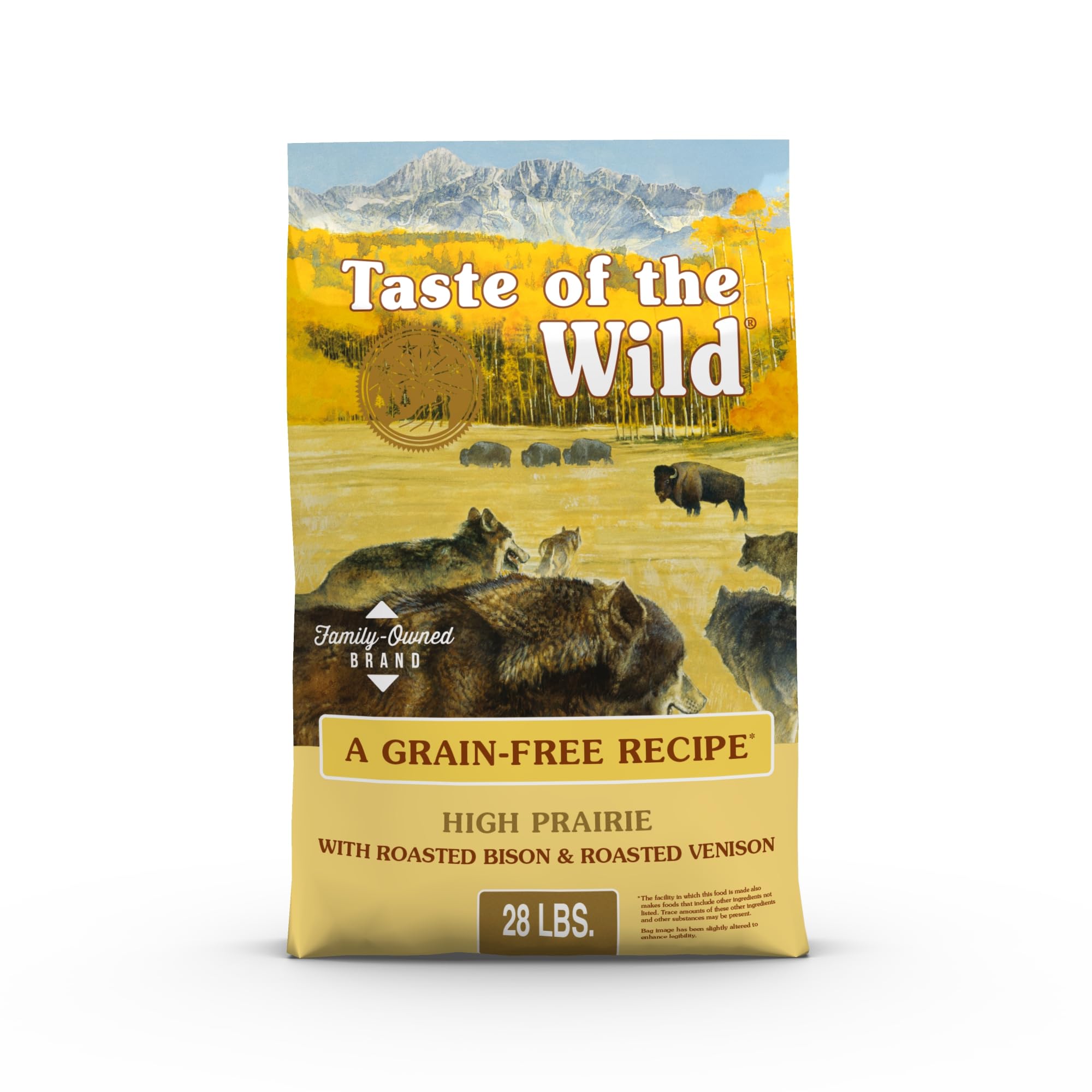
The Taste of the Wild High Prairie recipe delivers a 32% protein profile anchored by roasted bison and venison as the primary meat sources. This is a critical advantage for Australian Cattle Dogs because novel proteins like bison and venison reduce the risk of building a food sensitivity over time—a common issue with chicken-heavy diets. The 18% fat content provides ample caloric density for an ACD’s high work drive without tipping into obesity territory.
Each serving includes the K9 Strain proprietary probiotics, a blend designed specifically for canine gastrointestinal flora. For a breed prone to loose stools during stress or activity changes, this stabilizes digestion and improves stool quality within a week. The inclusion of blueberries and raspberries supplies antioxidant support that helps mitigate oxidative stress from intense physical work.
The kibble size is medium and moderately dense, which encourages chewing without being so large that it discourages smaller-framed ACD females from eating at a normal pace. Owners report consistent energy levels and a noticeably shinier coat within two to three weeks of switching to this formula. The bag is family-owned and made in the USA.
Why we love it
- Novel bison and venison proteins minimize allergy risk
- 32% protein supports lean muscle without excess weight gain
- Species-specific probiotics stabilize sensitive digestion
Good to know
- Grain-free formula may not suit ACDs without grain sensitivities
- Some owners report the bag seal is less durable than premium alternatives
2. Wag Grain-Free Beef & Lentil

The Wag Grain-Free Beef & Lentil recipe pushes protein to 40%, which is higher than many competitors in this price tier. For an Australian Cattle Dog that maintains a rigorous exercise schedule—trail running, herding trials, or agility—that extra protein margin helps with muscle repair and sustained performance. The beef and lentil base avoids chicken and corn, two common allergens that trigger itching and ear infections in the breed.
This formula includes wild boar as a supplemental protein, providing another novel source that diversifies the amino acid profile. Salmon oil and flaxseed supply omega-3 fatty acids for skin and coat health, which is particularly beneficial for ACDs that spend significant time outdoors in dry or dusty environments. The probiotic blend and high fiber content from lentils promote regular bowel movements.
DogFoodAdvisor rates this recipe at 4.5 out of 5 stars, citing its alignment with FDA nutritional standards and its favorable protein-to-carbohydrate ratio. The kibble is a standard round pellet that transitions easily from other foods. Gradual transition over 7–10 days is recommended to avoid temporary digestive upset.
Why we love it
- Exceptional 40% protein for active working dogs
- Chicken-free and grain-free reduces allergy triggers
- High rating on independent pet food review platforms
Good to know
- Some picky ACDs may need a topper to accept the initial transition
- Carbohydrate content from lentils may not suit dogs with pancreatic sensitivity
3. IAMS Proactive Health Lamb & Rice
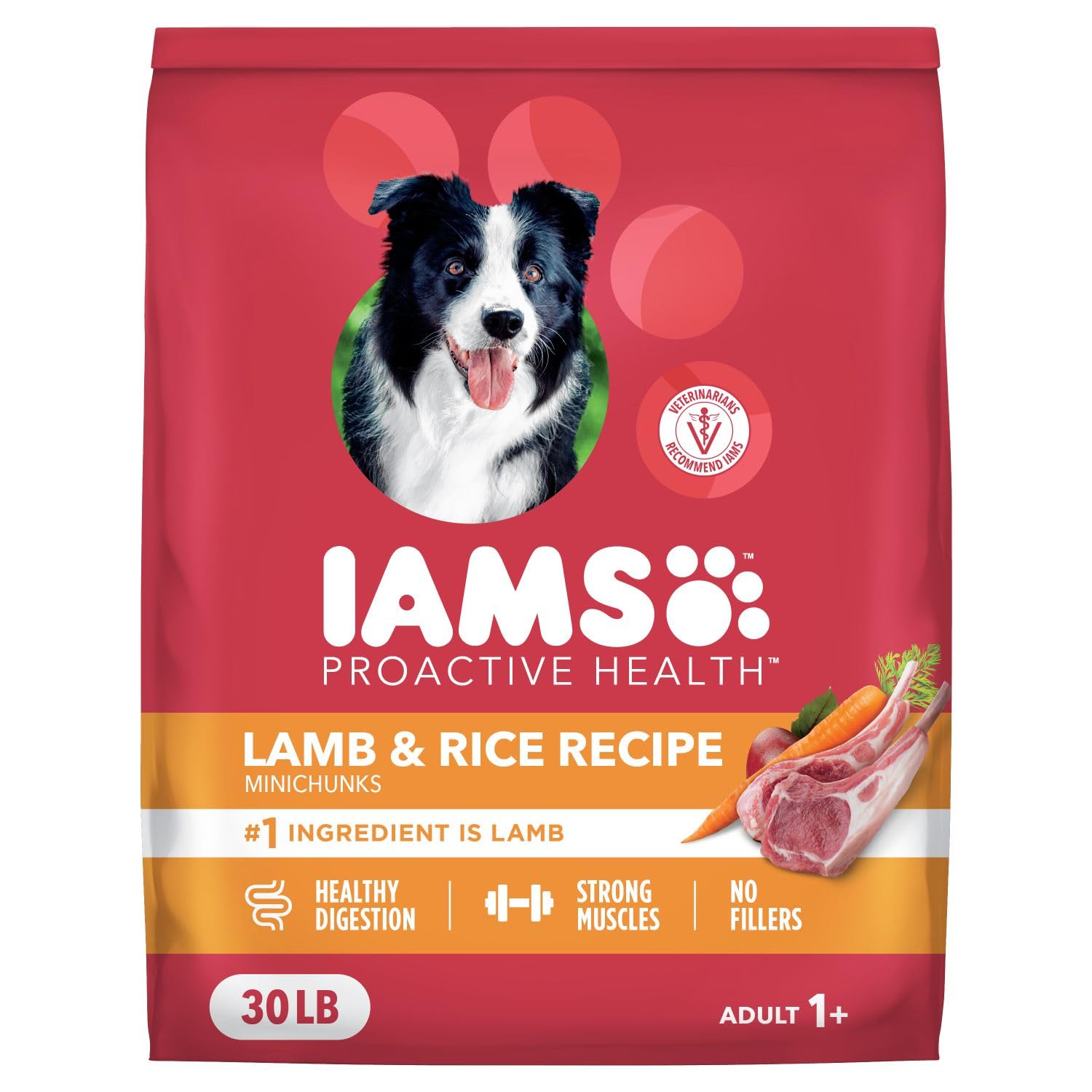
IAMS Proactive Health Lamb & Rice is a solid entry-level option for owners who need consistent nutrition without the premium price tag. The 22% protein and 12% fat levels are modest compared to high-performance alternatives, but they are sufficient for Australian Cattle Dogs with moderate daily activity or those prone to weight gain. The lamb and rice formula is a classic low-allergen profile that minimizes itching and gastrointestinal irritation.
The inclusion of prebiotic fiber supports healthy digestion and nutrient absorption, which is particularly helpful for older ACDs whose digestive efficiency declines with age. Omega-6 fatty acids contribute to skin barrier health, reducing the frequency of hot spots in dogs that work in brush or humid conditions. The kibble size is smaller than the IAMS Mini chunks format, making it easier for senior dogs with dental wear to chew comfortably.
Owner feedback consistently highlights improved stool quality and reduced flatulence after switching to this recipe. While the protein level is too low for athletic working trials, it provides adequate maintenance for a family companion ACD with a daily walk and play session. The 30-pound bag extends feeding intervals for multi-dog households.
Why we love it
- Lamb and rice is gentle on sensitive stomachs
- Prebiotic fiber improves stool quality and reduces gas
- Very strong value for multi-dog homes
Good to know
- 22% protein is insufficient for high-intensity working dogs
- Contains grains, which may not suit ACDs with grain allergies
4. Purina Pro Plan Sport 30/18 Large Breed Puppy
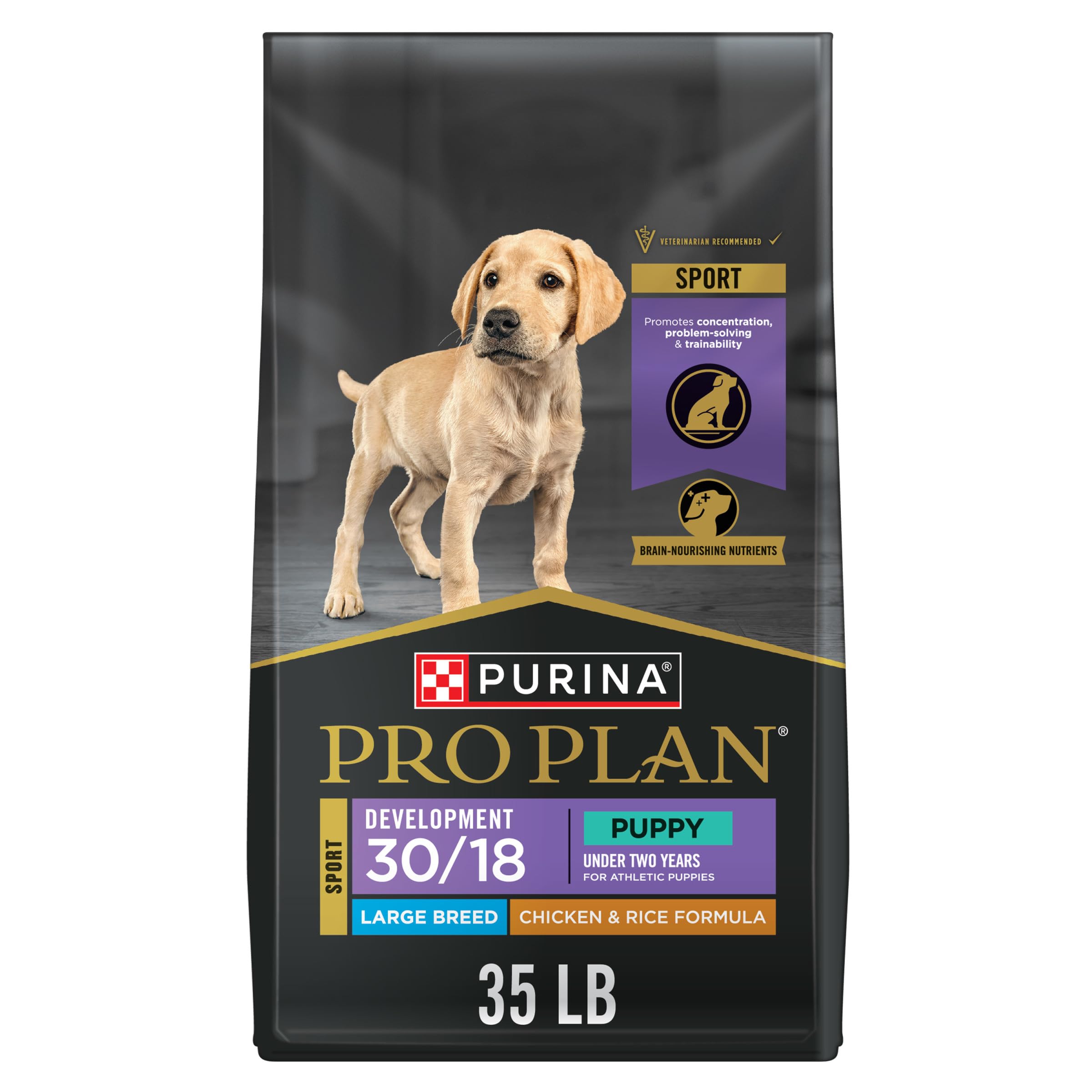
Purina Pro Plan Sport Development 30/18 is engineered for athletic puppies and young adult dogs. The 30% protein from real chicken fuels lean muscle growth, while the 18% fat provides dense energy for puppies undergoing rapid growth spurts. This formula includes glucosamine to support developing joints—a critical spec for Australian Cattle Dog puppies whose breed is predisposed to hip dysplasia.
The calcium and phosphorus levels are calibrated to promote healthy bone growth without accelerating the closure of growth plates, which is the primary mechanism behind angular limb deformities in large-breed puppies. The inclusion of DHA from fish oil supports cognitive development, improving trainability and problem-solving skills in a breed known for its sharp intelligence.
Owners of working-line ACD puppies report that this food maintains consistent energy levels throughout the day without the energy crashes associated with lower-protein puppy foods. The kibble size is appropriately small for a puppy’s mouth but dense enough to encourage chewing. Transitioning from this formula to an adult maintenance food at around 12–18 months is recommended to avoid excess weight gain.
Why we love it
- 30/18 ratio is ideal for growing athletic puppies
- Glucosamine supports early joint health
- DHA from fish oil boosts cognitive development
Good to know
- Chicken as the primary protein may trigger sensitivities in some lines
- Higher fat content requires careful portion control to prevent obesity
5. Hill’s Science Diet Large Breed Puppy Lamb Meal & Brown Rice

Hill’s Science Diet Large Breed Puppy Lamb Meal & Brown Rice is the most veterinarian-recommended brand in the US, and this recipe is tailored for puppies expected to reach 55 pounds or more as adults. The 24% protein and 14% fat profile is moderate but precisely balanced for controlled growth rates. For Australian Cattle Dog puppies, this slower growth trajectory reduces stress on developing joints and helps prevent hip dysplasia.
The formula features DHA from fish oil for healthy brain and eye development, an antioxidant blend to support the developing immune system, and balanced minerals for growing bones and teeth. The lamb meal base provides high-quality protein without the common poultry allergens that can cause ear infections and skin issues in sensitive ACD puppies. The brown rice serves as a digestible carbohydrate source that provides steady energy without causing blood sugar spikes.
This kibble is noticeably larger than standard puppy formulas, encouraging chewing and slowing eating speed, which can help reduce the risk of bloat in deep-chested breeds like the ACD. The 30-pound bag offers a long feeding cycle for a single puppy, and the brand’s availability at most veterinary clinics makes it easy to maintain a consistent diet.
Why we love it
- Balanced growth rate protects developing joints
- Veterinarian recommended for large-breed development
- Lamb meal base avoids common poultry allergens
Good to know
- Lower protein percentage may not satisfy very active puppies
- Contains grain, which may not suit ACDs with confirmed grain sensitivities
FAQ
Is grain-free food better for Australian Cattle Dogs?
What protein level does a working ACD need?
Can I feed puppy food to my adult ACD?
How often should I feed a senior Australian Cattle Dog?
Final Thoughts: The Verdict
For most Australian Cattle Dog owners, the best dog food for australian cattle dog winner is the Taste of the Wild High Prairie because it delivers the exact protein-fat ratio and novel protein sources this breed needs for sustained performance and digestive health. If you need a budget-friendly option that still supports joint health, grab the IAMS Proactive Health Lamb & Rice. And for an ACD puppy destined for working trials, nothing beats the Purina Pro Plan Sport 30/18 for joint and cognitive development support.