
Feeding a Persian kitten is a specific challenge — their brachycephalic (flat-faced) jaw structure makes picking up and chewing standard kibble difficult, and their long, silky coat demands elevated levels of omega fatty acids from day one. A generic kitten chow simply won’t cut it.
I’m Mo Mahin — the founder and writer behind Furric. I’ve spent years comparing veterinary nutritional data, analyzing AAFCO growth profiles, and cross-referencing thousands of verified owner reports to identify which formulas truly support the unique digestive sensitivity and coat development of Persian kittens.
This guide breaks down the five most effective dry recipes for flat-faced kittens, evaluating kibble shape, protein source quality, and DHA levels so you can confidently choose the perfect food for persian kittens.
How To Choose The Best Food For Persian Kittens
Persian kittens are not miniature adult cats. Their rapid growth phase (0–12 months) requires a precise calcium-to-phosphorus ratio, elevated taurine for vision development, and a kibble size their flat muzzle can actually grasp. Here are the three factors that determine whether a bag earns a spot in your bowl.
Kibble Shape & Size
A Persian kitten’s dental arcade is shorter and wider than that of a typical domestic cat. Standard round kibble often rolls off the tongue or requires excessive jaw manipulation. Look for small, disc-shaped or star-shaped kibble — ideally 7–9mm in diameter — that fits the natural gap between a flat-faced kitten’s incisors and allows them to scoop food without dropping it.
Animal Protein Percentage & Source
Kittens need roughly 30–50% crude protein on a dry-matter basis. Persian coats, however, benefit most from animal-based proteins that provide essential sulfur-containing amino acids (methionine and cysteine) for keratin production. Recipes listing named meat meals — chicken meal, turkey meal, or salmon meal — as the first or second ingredient deliver concentrated protein without the water weight of whole meats.
DHA & Omega Fatty Acid Profile
Docosahexaenoic acid (DHA) from fish oil directly supports retinal and cortical development in rapidly growing brains. Persian kittens also require a higher linoleic acid level (minimum 1.5%) to maintain the moisture barrier of their dense, single-layer coat. A formula that includes salmon oil, menhaden fish meal, or flaxseed will reduce dander and static while sharpening cognitive response during training.
Quick Comparison
On smaller screens, swipe sideways to see the full table.
| Model | Category | Best For | Key Spec | Amazon |
|---|---|---|---|---|
| Wellness CORE Kitten | Mid-Range | High protein on a budget | 55% animal protein, DHA from salmon oil | Amazon |
| Purina Pro Plan Shredded Blend | Mid-Range | Digestive health with live probiotics | Shredded + crunchy pieces, live probiotics | Amazon |
| Blue Buffalo Freedom Indoor | Mid-Range | Indoor Persians needing grain-free | DHA + ARA, LifeSource Bits antioxidants | Amazon |
| Royal Canin Mother & Babycat | Premium | Weaning kittens 1–4 months | Rehydratable kibble, microbiome prebiotics | Amazon |
| ORIJEN Kitten Recipe | Premium | Maximum animal-protein nutrition | 90% animal ingredients, freeze-dried coating | Amazon |
In‑Depth Reviews
1. Wellness CORE Kitten Dry Cat Food

Wellness CORE hits the sweet spot between ingredient density and everyday affordability for Persian kitten owners. The 55% animal protein benchmark — sourced from turkey meal, chicken meal, and salmon oil — provides the methionine load needed for dense coat growth without relying on plant-based protein isolates that can trigger loose stools in flat-faced breeds. The kibble measures roughly 8mm in diameter, small enough for brachycephalic jaws to pick up without the frustrating roll-away that larger kibble causes.
DHA fortification from actual salmon oil (not synthetic ethyl esters) ensures the omega-3 fatty acids bond directly to neural tissues, supporting the visual acuity Persian cats need for their famously sharp tracking behavior. The non-GMO ingredient list and gluten-free certification give peace of mind for owners whose kittens show early signs of grain sensitivity. Probiotics in the formula help maintain the short digestive tract of a growing kitten, reducing gas and bloating common with lower-quality protein meals.
Transitioning to this food should take a full 10 days because the protein density is significantly higher than supermarket-brand chows. Owners report firmer stools within one week and a visible reduction in tear staining around the eyes, likely due to the removal of common fillers that contribute to porphyrin buildup. The 5-lb bag size is ideal for testing before committing to larger volumes.
Why we love it
- High animal-protein concentration suitable for Persian coat density
- Kibble size works well for flat-faced jaw mechanics
- DHA from natural salmon oil supports brain and eye development
Good to know
- Transition period requires 10+ days due to protein density
- Not designed specifically for the 1–4 month weaning phase
2. Purina Pro Plan Kitten Shredded Blend
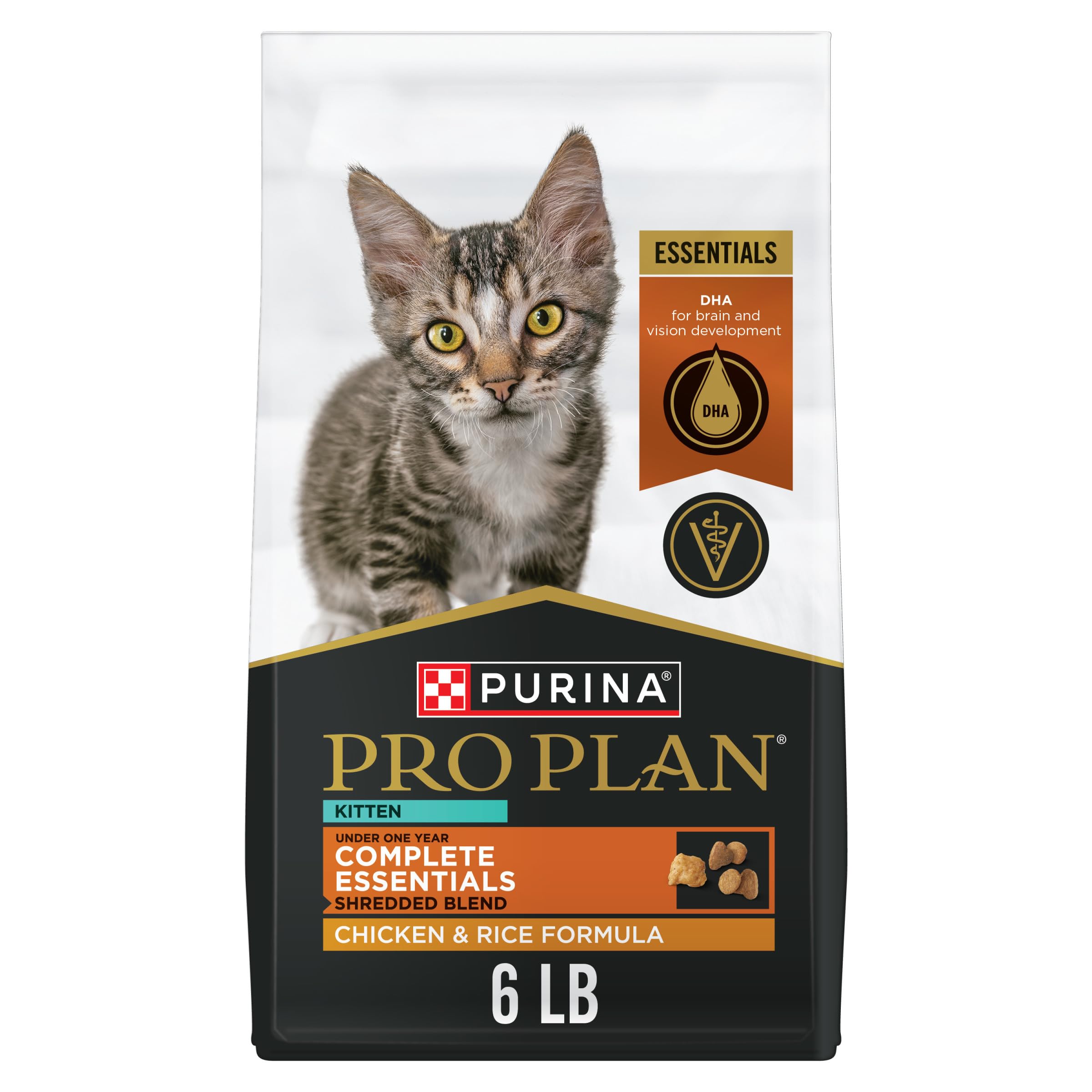
Purina Pro Plan differentiates itself with a dual-texture approach — crunchy kibble interspersed with tender, shredded pieces. For Persian kittens who may be picky about uniform textures, this variety encourages acceptance during the critical weaning-to-solid-food transition. Real chicken is the first ingredient, providing a bioavailable amino acid profile that mirrors the protein composition of feline maternal milk more closely than fish-based alternatives.
The live probiotic guarantee — a minimum of colony-forming units per pound — directly addresses the digestive sensitivity common in brachycephalic breeds. Persian kittens have a higher incidence of Helicobacter and inflammatory bowel conditions, and a robust gut microbiome helps regulate stool consistency and reduce vomiting. DHA from fish oil is included at levels shown to improve cognitive performance in object-recognition testing among young kittens.
The shredded component does create more surface dust at the bottom of the bag compared to fully extruded kibble. Owners should sift out fines before each meal to prevent respiratory irritation in a breed already prone to narrowed nasal passages. The 6-lb bag offers slightly more volume than the 5-lb competitors, making it a practical choice for multi-kitten households.
Why we love it
- Live probiotics directly support Persian-sensitive digestion
- Dual texture appeals to picky eaters during weaning
- Chicken as first ingredient provides high biological value protein
Good to know
- Shredded pieces create fine dust that needs sifting
- Not grain-free — may not suit kittens with grain allergies
3. Blue Buffalo Freedom Indoor Dry Kitten Food

Blue Buffalo Freedom positions itself as the grain-free indoor specialist, and for Persian kittens that spend most of their early months in controlled environments, this matters. The recipe uses real deboned chicken as the primary ingredient, followed by chicken meal for concentrated protein, and avoids corn, wheat, soy, and poultry by-product meals — common triggers for the facial pruritus that causes Persian cats to overgroom their cheeks.
The inclusion of both DHA and ARA (arachidonic acid) provides a dual-brain-development strategy. ARA is a long-chain omega-6 fatty acid that is limited in most kitten foods, yet it is critical for neural membrane fluidity and retinal signaling in flat-faced breeds. The LifeSource Bits — a cold-processed blend of antioxidants including vitamins C and E — are designed to survive the extrusion process without degradation, ensuring immune support reaches the kitten intact.
Some Persian owners report that the kibble is slightly larger than ideal for 8-week-old kittens, requiring a brief soak in warm water to soften the exterior for the first two weeks. Once the kitten reaches 12 weeks, the crunch factor becomes beneficial for dental scraping. The 5-lb bag is a manageable trial size, but the brand’s return policy is less flexible than Purina’s, so purchase from a retailer with a satisfaction guarantee.
Why we love it
- Grain-free formulation reduces facial itching in sensitive Persians
- ARA + DHA combination supports comprehensive neural development
- LifeSource Bits retain antioxidant potency through processing
Good to know
- Kibble may need softening for kittens under 12 weeks old
- Brand return policy is stricter than major competitors
4. Royal Canin Mother & Babycat Dry Cat Food
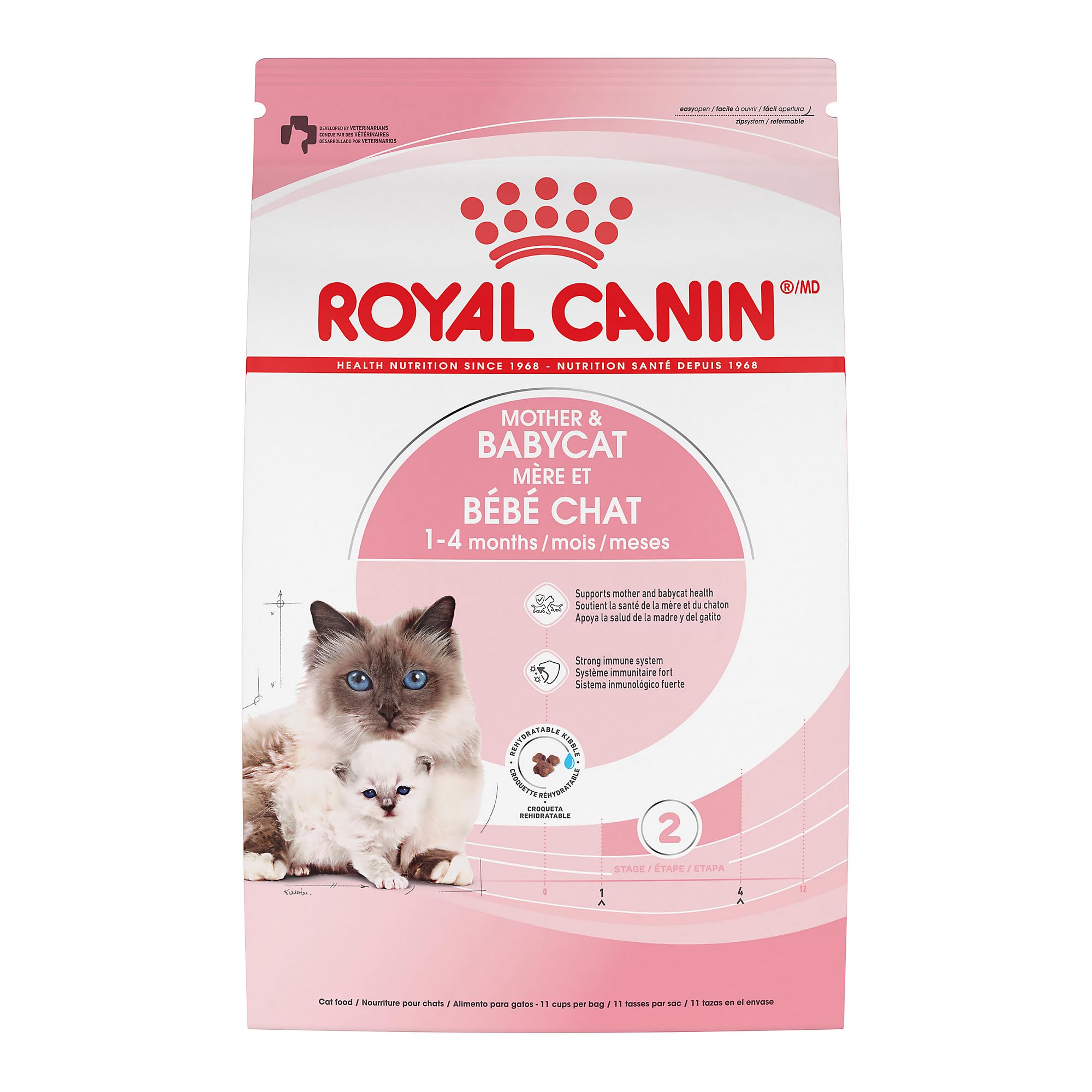
Royal Canin designed this formula specifically for the weaning window (1–4 months), making it the only entry on this list optimized for the youngest Persian kittens. The kibble is deliberately small — approximately 6mm in diameter — and rehydratable: adding warm water turns each piece into a soft, porridge-like texture that mimics the consistency of wet food while retaining the dental benefits of dry kibble. This feature is critical for brachycephalic kittens whose deciduous teeth may not align properly to fracture standard crunchy pieces.
The prebiotic blend — fructooligosaccharides and mannanoligosaccharides — selectively feeds Bifidobacterium and Lactobacillus strains in the hindgut, reducing the fermentation byproducts that cause flatulence and loose stool. The addition of clinically proven antioxidants (vitamins E and C) at levels that have been shown in peer-reviewed studies to improve immunoglobulin G response in kittens under 16 weeks provides an immune boost during the high-risk post-weaning gap when maternal antibodies wane.
This is not a food for kittens older than 4 months — the calcium and phosphorus levels are calibrated for the explosive growth phase of the first 120 days. Persian kitten owners should plan to transition to a different formula at the 16-week mark. The 3-lb bag is intentionally small because the feeding window is narrow, and the price per pound is higher than any other option reviewed here.
Why we love it
- Rehydratable kibble solves the flat-faced eating challenge during weaning
- Prebiotics support the delicate gut microbiome of young Persians
- Clinically tested antioxidant blend boosts early immunity
Good to know
- Only suitable for kittens 1–4 months old; must switch formula afterward
- Higher price per pound than most mid-range kitten foods
5. ORIJEN Kitten Recipe Dry Cat Food

ORIJEN takes the high-protein philosophy to its logical extreme: 90% of the ingredient list is animal-based, with the first five ingredients being fresh or raw chicken, turkey, wild-caught salmon, whole herring, and chicken liver. For a Persian kitten, this means an uninterrupted supply of taurine, carnitine, and arginine — amino acids that are heat-sensitive and often degraded during the double-extrusion process used by lower-tier brands.
The kibble shape is a disc roughly 7.5 x 3.5mm — small enough for flat-faced kittens to pick up, but thick enough to provide mechanical abrasion against plaque. The freeze-dried coating process applies a layer of raw liver digest to the exterior of each piece, enhancing palatability without adding artificial flavor sprays that can cause allergic dermatitis in sensitive Persian coats. The inclusion of whole prey ingredients (organs, cartilage, and bone meal in correct proportions) mirrors the nutrient profile a kitten would consume in nature, with a calcium-to-phosphorus ratio of approximately 1.2:1, ideal for skeletal development.
The protein level — roughly 42% on a dry-matter basis — can be too rich for kittens transitioning from a lower-protein diet. Sudden introduction may cause loose stool for the first 48 hours. Owners should mix with the previous food at a 25:75 ratio for the first five days. ORIJEN also sources some ingredients from international suppliers, which may concern owners seeking a fully domestic supply chain.
Why we love it
- Highest animal-protein concentration for optimal Persian coat condition
- Freeze-dried coating increases acceptance without artificial additives
- Whole prey ratios provide a biologically appropriate calcium-phosphorus balance
Good to know
- Very high protein requires slow transition to avoid digestive upset
- Some ingredients sourced internationally rather than exclusively domestic
FAQ
Can Persian kittens eat regular kitten food or do they need a specialized formula?
How do I know if my Persian kitten’s food is causing tear staining?
Is wet food better than dry food for Persian kitten digestion?
At what age should I switch my Persian kitten from weaning food to regular kitten food?
Final Thoughts: The Verdict
For most Persian kitten owners, the food for persian kittens winner is the Wellness CORE Kitten because it delivers high animal-protein density in a flat-face-friendly kibble size without breaking the weekly pet budget. If you need a weaning-specific solution for a kitten under 4 months old, grab the Royal Canin Mother & Babycat for its rehydratable kibble and clinically tested immunity support. And for premium protein that fuels spectacular coat development, nothing beats the ORIJEN Kitten Recipe.