
Walking into a room to find your robot vacuum stuck on a sock or the dustbin overflowing mid-cycle is the exact frustration a mapping and self-emptying robot is designed to eliminate. These two features transform a standard cleaner into a truly autonomous home assistant that learns your floorplan and disposes of its own debris for weeks at a time, freeing you from daily maintenance. Choosing the right model means deciding between navigation precision, suction power, and how long the base station keeps your hands clean.
I’m Mo Mahin — the founder and writer behind Furric. For years, I’ve been analyzing the engineering of robotic vacuum platforms, comparing LiDAR versus camera-based navigation systems, measuring bin capacity and suction at the nozzle, and tracking owner-reported reliability across every major brand on the market.
After evaluating dozens of models that can both map a home and empty themselves, these seven stand out for their ability to handle real-world pet hair, edge debris, and daily recharges without manual intervention. Here is my detailed analysis of the best robot vacuum with mapping and self empty for actually saving you time.
How To Choose The Best Robot Vacuum With Mapping And Self Empty
Three core systems determine whether a robot vacuum actually delivers on the promise of hands-free cleaning: navigation technology that builds reliable maps, suction power paired with brush design that picks up debris, and a self-emptying base with enough capacity to match your cleaning frequency. Understanding these three pillars helps you match a model to your home’s floor plan, floor types, and pet situation without overpaying for features you will not use.
Mapping and Navigation Technology
The difference between a robot that cleans methodically row-by-row and one that bounces around randomly is its mapping system. LiDAR-based robots use a spinning laser to measure distances and create an accurate floorplan, working flawlessly in the dark. Camera-based systems often offer visible object recognition but can struggle in low light. 3D structured light, used in high-end models, projects infrared patterns to detect obstacles down to a charging cable or a pet bowl. For homes with complex furniture or multiple rooms, LiDAR or 3D light is the clear winner for precision and reliability.
Suction Power and Brush Design
Measured in Pascals (Pa), suction power determines how deeply the robot cleans carpets and how effectively it pulls debris from hard floor crevices. Entry-level models sit around 2,000-4,000Pa, while premium units exceed 20,000Pa. However, suction alone is useless without the right brush system. Dual rubber brushes, like those from iRobot and MOVA, are superior for pet hair because they resist tangling. Side brushes with extendable arms, like the DREAME SideReach, clean baseboards and furniture legs that the main brush cannot reach.
Self-Emptying Base Capacity
The self-emptying base is the key to true autonomy. Base capacity varies from holding 30 days of debris to 60 or even 90 days on premium models with larger dust bags. A bagless base saves ongoing costs but requires you to empty a bin every few weeks, while bagged bases contain allergens more effectively since you seal the bag when replacing it. HEPA filtration on the base is critical for allergy sufferers, ensuring fine dust is trapped rather than kicked back into the air during emptying.
Quick Comparison
On smaller screens, swipe sideways to see the full table.
| Model | Category | Best For | Key Spec | Amazon |
|---|---|---|---|---|
| DREAME X40 Ultra | Premium | Mopping & deep cleaning | 12,000Pa suction, 6,400mAh battery | Amazon |
| MOVA V50 Ultra Complete | Premium | Obstacle climbing & anti-tangle | 24,000Pa suction, 220 min battery | Amazon |
| DREAME L50 Ultra | Premium | High suction with detangling | 19,500Pa suction, HyperStream DuoBrush | Amazon |
| iRobot Roomba Max 705 | Premium | LiDAR precision & pet hair | Dual rubber brushes, LiDAR nav | Amazon |
| Shark PowerDetect | Mid-Range | Bagless base & never-stuck | 110 min run, HEPA filtration | Amazon |
| iRobot Roomba i3+ EVO | Mid-Range | Voice control & brand trust | 60-day base, 10x suction | Amazon |
| Shark IQ RV2302AE | Mid-Range | Budget-friendly LiDAR mapping | 60-day bagless base, 110 min run | Amazon |
In-Depth Reviews
1. DREAME X40 Ultra

The DREAME X40 Ultra packs a 12,000Pa suction that pulls deeply embedded dirt from carpets while its removable and liftable mop ensures rugs stay dry — the mop lifts to 10.5mm when it detects carpet, so you get wet cleaning on hard floors without soaking your area rugs. Its OmniDirt detection system identifies tough messes and triggers a concentrated scrubbing pattern for stubborn spots under furniture and along baseboards.
The self-cleaning base uses 158°F hot water to wash both the mop and washboard, then dries them, preventing the musty odors that plague lesser mopping robots. With a 6,400mAh battery, you get up to 180 minutes of runtime on a single charge, and the robot automatically returns to base and resumes cleaning exactly where it left off. The SideReach extendable side brush tackles wall corners and furniture legs that standard brushes miss entirely.
A 3D structured light system paired with an onboard camera and LED light gives the X40 Ultra precise obstacle detection around the clock. You can set pet zones, customize mopping levels, and manage all modes through the app with a single tap. This is the most complete hands-free package available for homes that need both serious vacuuming and mopping on a single platform.
Why we love it
- Removable liftable mop protects carpets from moisture
- Hot water mop self-cleaning prevents odor buildup
- Long 180-minute runtime covers large homes in one go
Good to know
- Premium price point requires a significant upfront investment
- Only supports 2.4GHz WiFi networks
2. MOVA V50 Ultra Complete
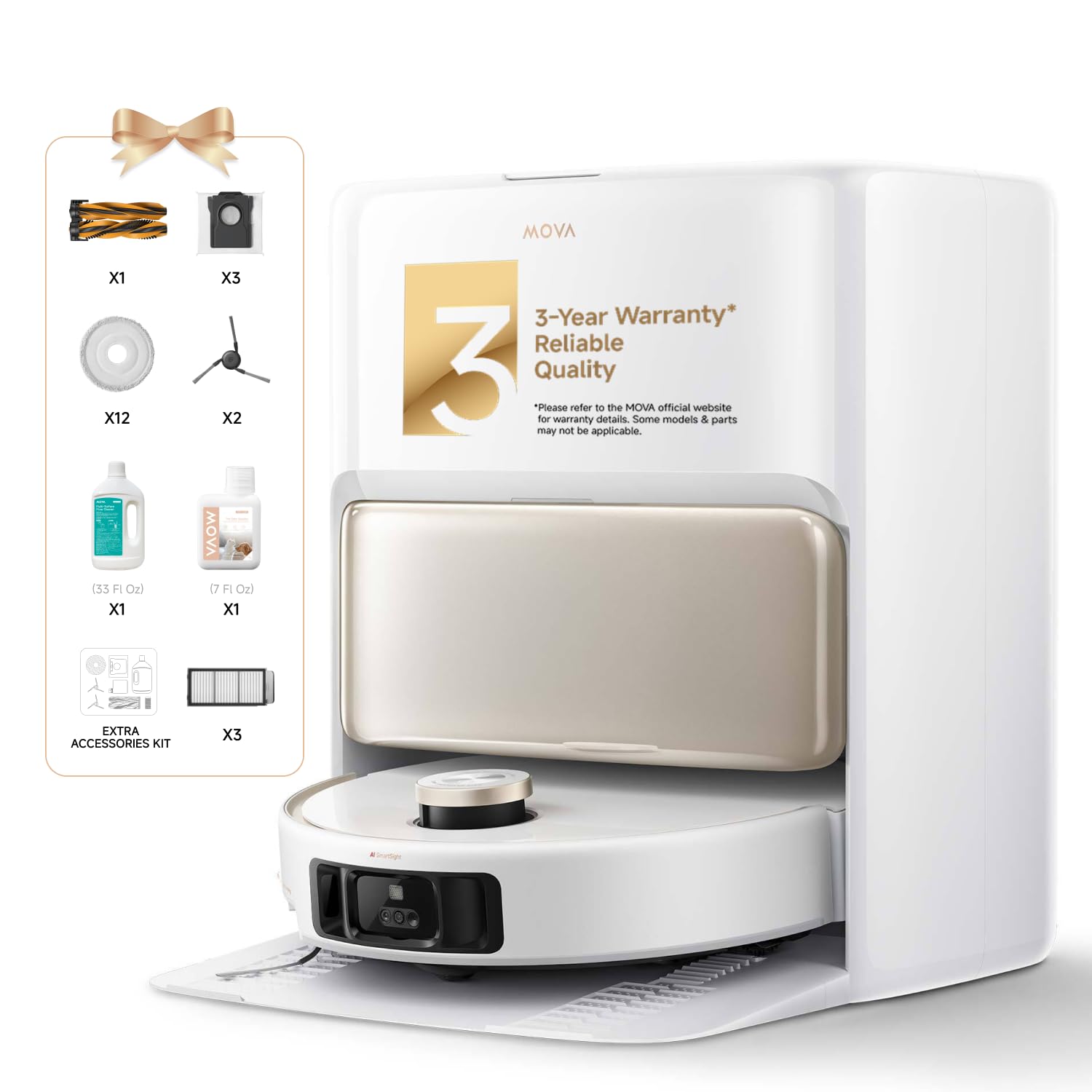
At 24,000Pa of suction, the MOVA V50 Ultra Complete leads this list in raw cleaning power, making it the best choice for deep-pile carpets and high-traffic areas that accumulate embedded debris. Its TroboWave DuoBrush uses a three-stage anti-tangle mechanism that prevents hair from wrapping around the brush roll — a massive time-saver for homes with long-haired humans or shedding pets.
The FlexiRise Navigation system retracts its LDS sensor when it detects narrow spaces like under a sofa, allowing the robot to drop to a more compact height for better clearance. In open areas, the sensor extends for precise mapping and route planning. The StepMaster system goes further, lifting the entire device on extendable wheels to overcome obstacles like thresholds and U-shaped furniture legs up to 2.36 inches tall.
The DuoSolution system delivers warm-water mopping with a choice between an all-purpose cleaning solution or a pet odor removal agent, both automatically dispensed onto the mop. The JetSpray Dryboard features 20 spray nozzles that evenly distribute water for thorough washboard cleaning, and the entire system drains used water to minimize stains and odors even after extended use.
Why we love it
- Class-leading 24,000Pa suction for deep carpet cleaning
- Four-stage anti-tangle system eliminates brush hair wrap
- Climbs thresholds and obstacles up to 2.36 inches high
Good to know
- Base station is bulky at 53 pounds total weight
- Premium-tier investment best for large, complex homes
3. DREAME L50 Ultra
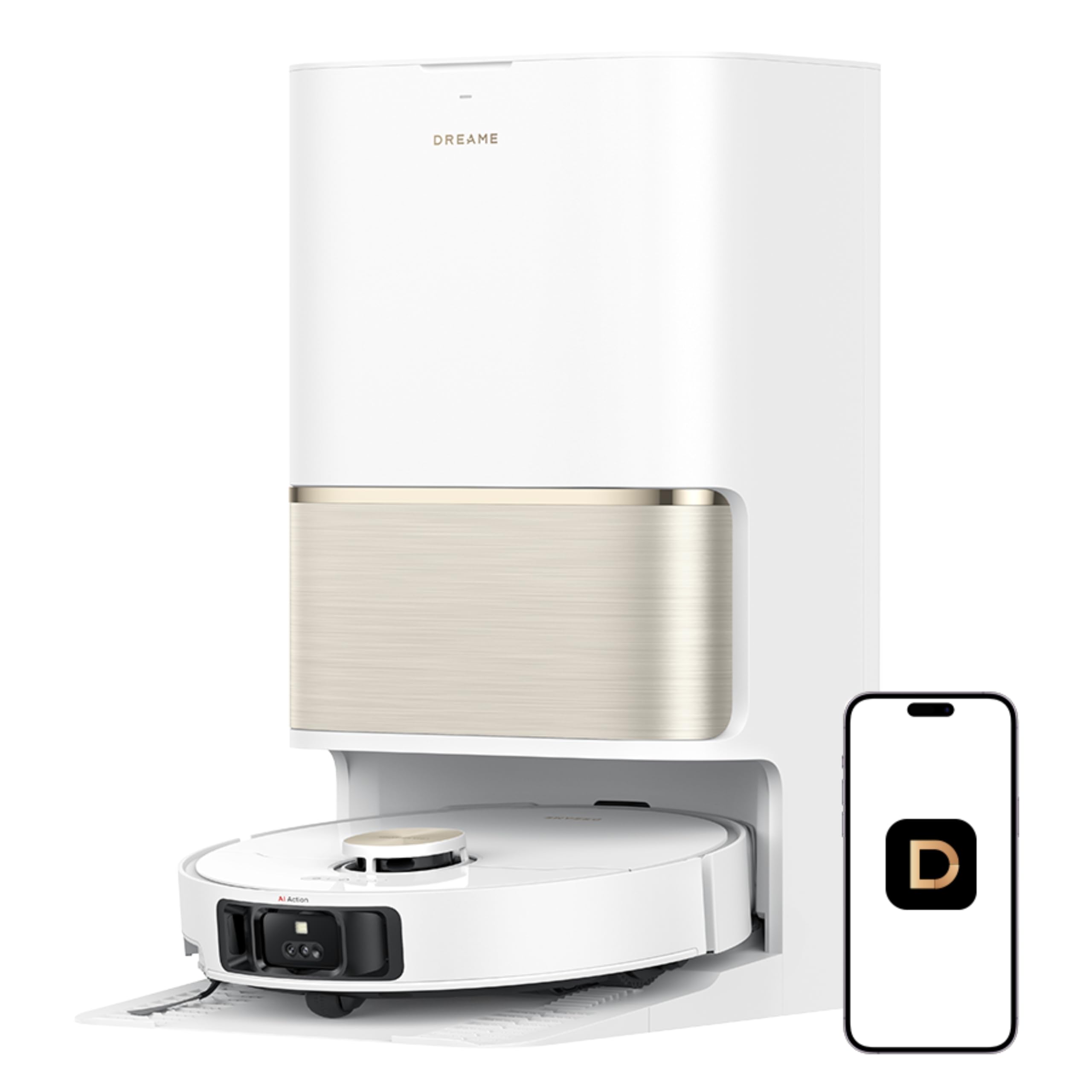
The DREAME L50 Ultra delivers 19,500Pa of suction that competes directly with high-end models while incorporating the HyperStream Detangling DuoBrush — an engineered brush system designed to channel hair directly into the suction path without wrapping around the bristles. This makes it a strong option for households where long hair or pet fur is the primary cleaning challenge.
Its precise obstacle avoidance system uses advanced sensors to navigate around furniture legs, toys, and charging cables without bumping or scattering items. The auto-empty and mop self-cleaning base handles maintenance automatically, so you can run multiple cleaning cycles without touching the machine. The base also dries the mop pad to prevent bacterial growth and odor.
Mapping is handled by a LiDAR navigation system that builds accurate floorplans even in complete darkness, and the app allows you to set no-go zones, adjust suction power per room, and schedule cleanings around your daily routine. The 19,500Pa figure is measured at the nozzle, ensuring real-world pick-up performance on both low-pile carpets and sealed hardwood floors.
Why we love it
- HyperStream DuoBrush prevents hair tangling during operation
- LiDAR navigation works flawlessly in low-light conditions
- Auto-empty base with mop cleaning and drying functions
Good to know
- Premium pricing, though slightly below top-tier competitors
- Some users report the app interface could be more intuitive
4. iRobot Roomba Max 705
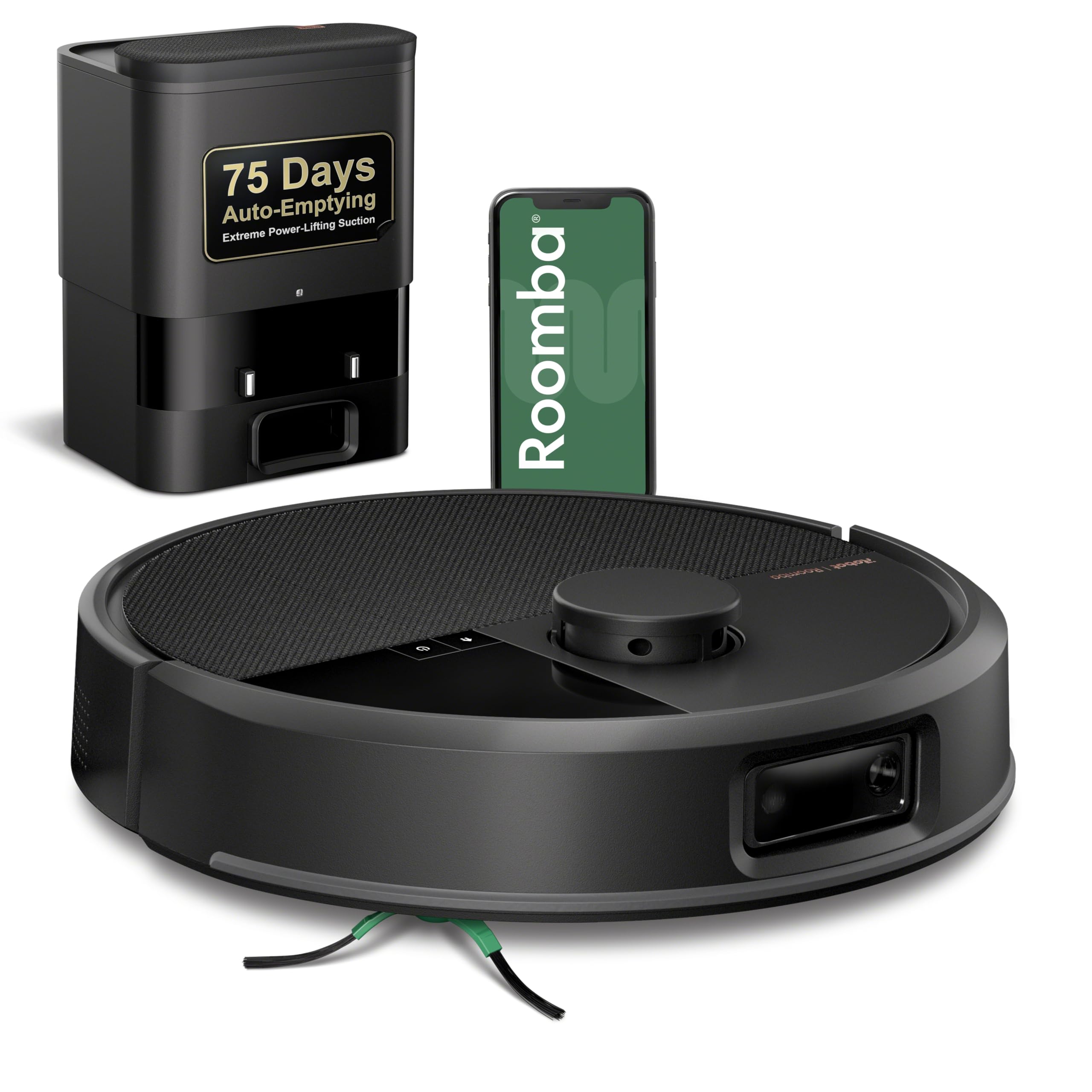
The iRobot Roomba Max 705 brings the brand’s proven dual rubber brush system together with LiDAR navigation for the first time in a single package. These counter-rotating rubber brushes flex to maintain constant contact with carpets and hard floors, and their non-bristle design means pet hair wraps less frequently compared to traditional brush rolls. When hair does collect, it is easy to wipe off without cutting anything.
The AutoEmpty dock holds weeks of debris in sealed bags, and the robot uses a camera combined with LiDAR to build accurate maps and detect obstacles — including anti-fall sensors that prevent tumbles down stairs. The Max 705 is designed for homes with a mix of carpet and hard flooring, automatically adjusting suction and brush speed based on the surface it senses.
iRobot’s Home App provides personalized scheduling suggestions based on your cleaning patterns, seasonal recommendations, and the ability to start cleaning with voice commands through Alexa or Google Assistant. The dual rubber brushes and powerful suction make this a reliable choice for pet owners who prioritize consistent, tangle-free operation over the absolute highest suction numbers.
Why we love it
- Dual rubber brushes resist pet hair tangles effectively
- LiDAR plus camera navigation for precise mapping
- Proven iRobot reliability and accessory ecosystem
Good to know
- No mop function included — vacuum-only
- Premium pricing reflects the brand name and ecosystem
5. Shark PowerDetect AV2820S

The Shark PowerDetect uses three detection technologies — DirtDetect, FloorDetect, and EdgeDetect — to automatically boost suction on hidden debris, optimize brushroll engagement based on floor type, and blast air into corners to dislodge dirt. The result is up to 50% better debris pickup compared to previous Shark models, with a specific focus on edges and carpet-to-hard-floor transitions.
Its NeverStuck Technology is the standout feature here: the robot lifts and lowers itself to maneuver over thresholds, low-profile furniture, and area rug edges, reducing the need to rescue it from spots where lesser robots stall. The bagless self-emptying base holds 30 days of dust and debris without requiring disposable bags, saving you recurring costs and the hassle of buying refills.
The 3D Object Detection system scans for objects both high and low to the ground, allowing the robot to see and avoid items like pet bowls, toys, and charging cables. You can set schedules, map zones, create no-go areas, and spot-clean specific rooms through the Shark Clean app. With 110 minutes of battery life, it covers most average-sized homes in a single cycle.
Why we love it
- NeverStuck Technology lifts over thresholds and obstacles
- Bagless base eliminates ongoing bag replacement costs
- HEPA filtration captures 99.97% of allergens down to 0.3 microns
Good to know
- Battery life of 110 minutes is adequate but not class-leading
- Edge cleaning works well but is not as thorough as extendable side brushes
6. iRobot Roomba i3+ EVO 3550
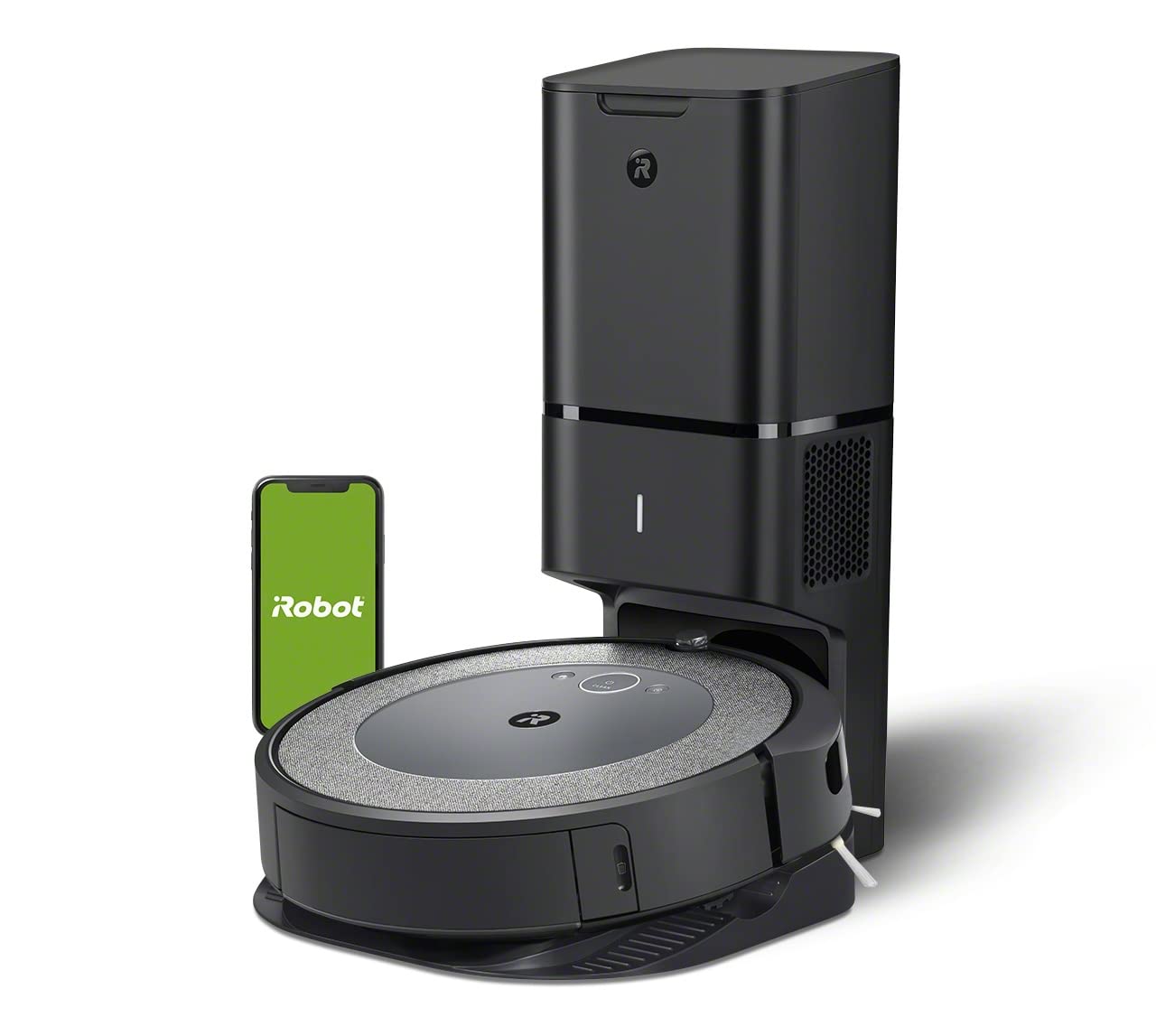
The Roomba i3+ EVO brings iRobot’s Clean Base Automatic Dirt Disposal to a more accessible price point, allowing the robot to empty itself for up to 60 days before you need to swap the bag. Its Premium 3-Stage Cleaning System works in tandem with 10x the Power-Lifting Suction compared to Roomba 600-series models, pulling stubborn dirt from both carpets and hard floors in a systematic row-by-row pattern.
Patented Dirt Detect Technology identifies high-traffic areas and spots that accumulate more debris, then cleans them more thoroughly — which is the primary reason this robot outperforms cheaper alternatives despite its 75-minute battery running time. The mapping system learns your home’s layout over multiple cleaning runs and saves the floorplan for future targeted cleaning sessions through the iRobot Home App.
Voice control via Alexa or Google Assistant, along with seasonal scheduling suggestions and pollen alerts from the app, make the i3+ EVO a set-and-forget solution. The brush design uses a single multi-surface brush plus a side brush, which works well for general debris but does not offer the tangle resistance of dual rubber brushes found on higher-end iRobot models.
Why we love it
- 60-day self-emptying base reduces maintenance drastically
- iRobot app provides personalized scheduling and seasonal suggestions
- Dirt Detect Technology focuses extra cleaning on high-traffic areas
Good to know
- 75-minute battery may require mid-cycle recharging in larger homes
- Single brush roll more prone to hair tangling than dual-roller models
7. Shark IQ RV2302AE

The Shark IQ RV2302AE is the most budget-friendly entry in this list that still delivers true LiDAR-based mapping combined with a bagless self-emptying base. Its 360° LiDAR Vision system maps your entire home in a single pass, allowing the robot to clean methodically room-by-room and avoid obstacles with precision. The bagless base holds 60 days of dirt without requiring any disposable bags, a significant cost saving over competitors that force you to buy proprietary bag refills.
With 110 minutes of battery life and a recharge-and-resume function, this robot can handle multi-room cleaning sessions without leaving any spot uncleaned. The multi-surface brush roll combs and pulls debris from both carpets and hard floors, and the powerful suction effectively captures pet hair and dander. The Matrix Clean feature uses a precision grid pattern to take multiple passes over dirt and debris for thorough coverage.
Through the Shark Clean app, you can edit your home map, select specific areas for on-demand cleaning, set no-go zones, and schedule cleanings from anywhere. The object detection system adapts to everyday changes in the home layout, so rearranged furniture does not confuse its navigation. For shoppers who want LiDAR accuracy and self-emptying convenience at a lower entry point, this model delivers the essential features without compromise.
Why we love it
- 60-day bagless base eliminates ongoing bag costs
- LiDAR mapping provides precise home navigation
- Matrix Clean grid pattern ensures thorough coverage
Good to know
- Object detection is functional but less advanced than 3D light systems
- Multi-surface brush roll may tangle with long hair over time
FAQ
How does LiDAR mapping differ from camera-based navigation in a robot vacuum?
What capacity self-emptying base should I choose for a home with pets?
Can a robot vacuum with mapping and self-empty handle thick high-pile carpets?
How often should I replace the dust bag on a bagged self-emptying robot base?
What does recharge and resume mean and why does it matter?
Final Thoughts: The Verdict
For most households, the best robot vacuum with mapping and self empty winner is the DREAME X40 Ultra because it combines 12,000Pa suction, a removable liftable mop that protects carpets, and a self-cleaning base that washes and dries the mop with 158°F hot water — all managed through 3D structured light mapping for precise navigation. If you need maximum suction for deep-pile carpets and the ability to climb high obstacles, grab the MOVA V50 Ultra Complete with its 24,000Pa suction and StepMaster obstacle system. And for a budget-friendly entry point into LiDAR mapping with a bagless base, nothing beats the Shark IQ RV2302AE.