
A dog’s relentless scratching, licking, or digestive upset isn’t just exhausting for them—it wears on you too. Between food sensitivities, chronic pancreatitis, and stubborn weight gain, the line between maintenance and actual relief blurs fast. That’s where veterinary-exclusive formulas step in, delivering precise nutrient profiles designed to address conditions standard over-the-counter foods simply aren’t built for.
I’m Mo Mahin — the founder and writer behind Furric. I’ve spent years comparing therapeutic ingredient profiles, parsing veterinary clinical studies, and cross-referencing owner-reported outcomes across prescription-grade canine nutrition to find the formulas that deliver measurable results.
Whether your dog battles environmental allergies, a finicky GI tract, or metabolic slowdown that makes weight loss feel impossible, choosing the right vet dog food can mean the difference between symptom management and actual transformation in under a month.
How To Choose The Best Vet Dog Food
Not all therapeutic diets are interchangeable. A dog with a sensitive stomach needs a different fat ceiling and fiber profile than a dog with atopic dermatitis. These are the core specs that separate effective formulas from expensive kibble that just sits in the bowl.
Fat Content and Digestibility
For dogs with pancreatitis or fat-responsive conditions, total fat content often defines whether the food triggers or soothes. Low-fat veterinary formulas typically hover around 8–12% dry matter, while weight-management diets may sit slightly higher but include L-carnitine to shift metabolism. The gastro formulas from Royal Canin and Purina EN both use highly digestible protein sources and a prebiotic fiber network to minimize undigested residue reaching the colon—a primary cause of loose stool.
Protein Source and Allergen Profile
Environmental and food sensitivity diets rely on a limited novel protein or a hydrolyzed protein that the immune system fails to recognize as an allergen. The Hill’s Derm Complete uses rice and egg, a protein not commonly fed in standard maintenance diets, which reduces the chance of cross-reactivity. Owners of dogs with confirmed chicken allergies should avoid formulas where chicken fat or liver appears outside the trace disclosure.
Fiber Blend and Microbiome Support
The rise of gut-skin axis research has pushed prebiotic blends like Hill’s ActivBiome+ and Royal Canin’s dietary fiber cocktail into the spotlight. These aren’t generic beet pulp inclusions; they’re proprietary ratios of short-chain fructooligosaccharides and psyllium husk designed to feed a specific class of gut bacteria that reduce inflammation markers. A formula with a single-source fiber is less likely to produce systemic effects than one with a multi-synergistic blend.
Quick Comparison
On smaller screens, swipe sideways to see the full table.
| Model | Category | Best For | Key Spec | Amazon |
|---|---|---|---|---|
| K9 Natural Beef Freeze Dried | Freeze-Dried Raw | High-protein raw feeding | 98% meat, organs, bone | Amazon |
| Pro Plan Veterinary Diets Purina EN | Wet Prescription | GI upset & nutrient absorption | MCT oil and prebiotic fiber | Amazon |
| Hill’s Prescription Diet i/d | Wet Prescription | Digestive care & microbiome | ActivBiome+ prebiotic blend | Amazon |
| Nulo FreeStyle Adult Trim | Grain-Free Dry | Weight management & muscle tone | 74% animal protein + L-Carnitine | Amazon |
| Hill’s Prescription Diet Derm Complete | Dry Prescription | Environmental/food sensitivities | Rice & egg novel protein | Amazon |
| Royal Canin Gastrointestinal Low Fat | Dry Prescription | Low-fat digestive support | Dietary fibers + prebiotics | Amazon |
| Hill’s Prescription Diet Metabolic + Mobility | Dry Prescription | Weight loss & joint health | Synergistic metabolic + omega-3s | Amazon |
In‑Depth Reviews
1. Hill’s Prescription Diet Metabolic + Mobility

This formula is uniquely positioned at the intersection of weight management and joint support, a dual-action approach that Hill’s delivers through a proprietary synergistic blend of ingredients rather than stacking two separate nutrient profiles. Dogs in an at-home feeding study lost weight within two months while simultaneously showing improved mobility scores, according to the brand’s controlled feeding data.
The kibble includes high levels of omega-3 fatty acids sourced from fish oil, which directly supports synovial fluid health, and a specific fiber blend designed to maintain satiety between meals. It’s not a low-fat food in the strictest sense—it manages calories through nutrient density and metabolic interaction rather than simple fat restriction, which is critical for dogs whose metabolism has slowed with age.
Dog owners report a noticeable reduction in post-meal begging within the first week, and vets frequently point to this as the go-to option when a dog needs to drop weight without losing muscle mass. The 24-pound bag lasts roughly two months for a 50-pound dog, making it the most cost-efficient per-kilogram premium formula in this comparison.
Why we love it
- Dual-action metabolism and joint formula eliminates need for separate supplements
- High palatability reduces picky-eater resistance during diet transitions
- Weight regain prevention characteristics built into the ingredient matrix
Good to know
- Requires a veterinary prescription for purchase
- Chicken-based protein may not suit confirmed chicken allergy patients
2. Hill’s Prescription Diet Derm Complete

This is the most targeted therapeutic approach for dogs suffering from both environmental allergies and adverse food reactions—a dual-sensitivity formula using a single novel protein (egg) and rice carbohydrate base. An open-label clinical study showed visible skin healing in as little as 21 days, with 82% of pet parents reporting less itching in adult dogs after the dietary switch.
What sets this apart from general limited-ingredient diets is the inclusion of both an optimized lipid profile for skin barrier reinforcement and a calculated fiber matrix that minimizes fermentation in the hindgut—reducing the itch-scratch cycle from both systemic and gut-mediated pathways. Owners who previously spent months cycling through over-the-counter fish-and-potato formulas often see relief within the first bag.
The kibble size and texture are designed to encourage chewing, which helps with oral health without adding caloric density. It’s a dry formula, so dogs prone to dehydration on high-fiber diets benefit from wet-to-dry meal mixing, but the 14.3-pound bag requires careful transition for sensitive stomachs.
Why we love it
- Novel egg protein avoids the most common canine allergens found in chicken and beef
- Clinically documented reduction in night scratching improves sleep for both dog and owner
- Fish oil omega-3s deliver a visible coat quality improvement within 4 weeks
Good to know
- Egg-allergic dogs are rare but do exist—monitor for first-week reaction
- Prescription-only purchase adds a vet visit requirement for new patients
3. Royal Canin Veterinary Diet Gastrointestinal Low Fat
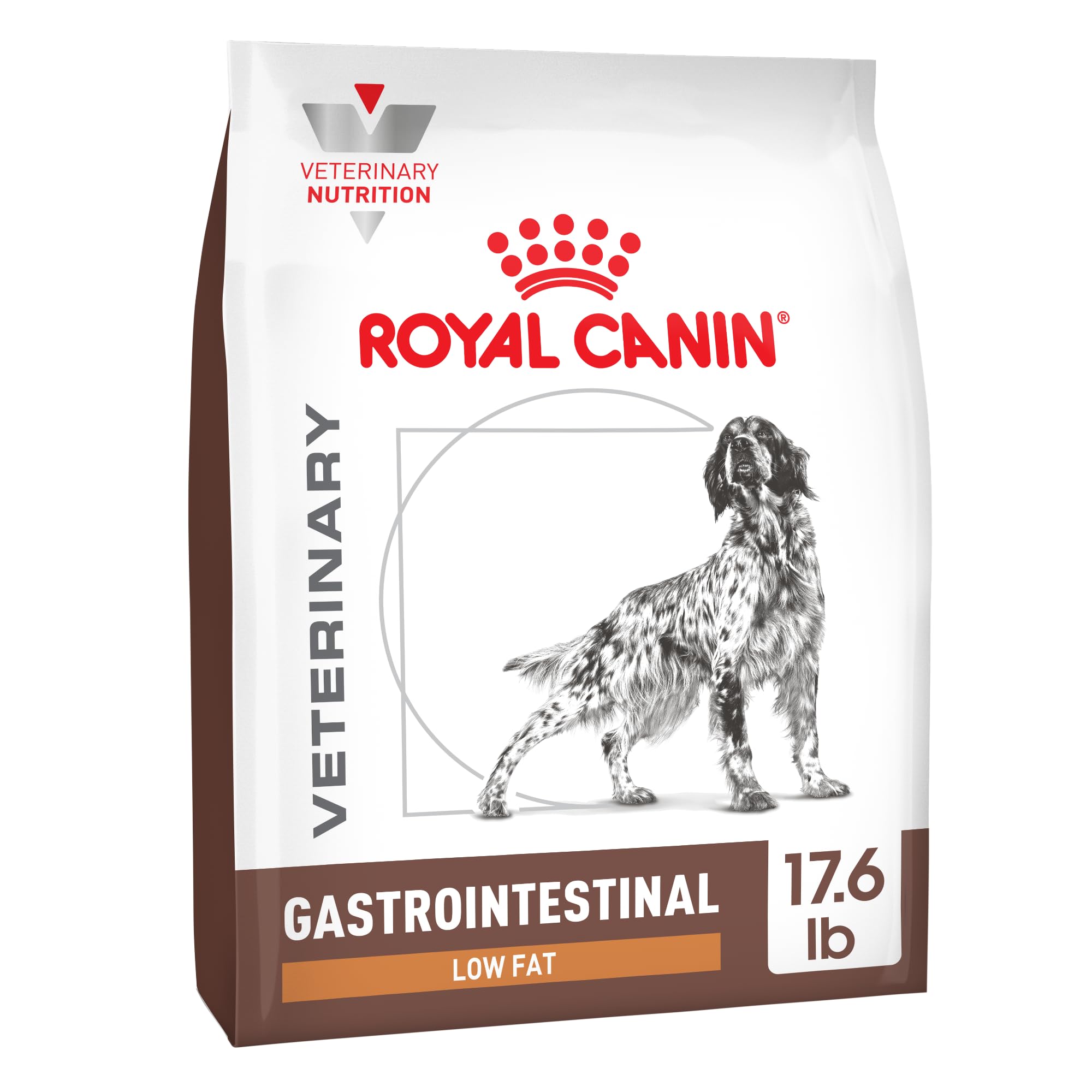
For dogs with a clinical history of pancreatitis, hyperlipidemia, or fat-responsive enteropathy, the fat ceiling on this formula is the most restrictive among the dry foods in this list. Royal Canin engineered this kibble to deliver adequate caloric density for active dogs while keeping the total fat low enough to avoid triggering pancreatic enzyme oversecretion.
The inclusion of prebiotics—specifically MOS and FOS—works alongside a blend of soluble and insoluble fibers that regulate intestinal transit time without causing the loose stools sometimes seen with single-fiber supplements. The kibble is also highly flavor-coated using a poultry digest that appeals to dogs with reduced appetite, a common comorbidity during GI flare-ups.
At 17.6 pounds, the bag is priced in the premium tier, but owners managing chronic pancreatitis often find that this formula reduces emergency vet visits enough to offset the cost. Veterinarians typically recommend this as a lifelong feeding solution rather than a temporary elimination diet, meaning the total cost of care may decrease over time.
Why we love it
- Extremely low fat % suitable for pancreatitis-prone breeds like Miniature Schnauzers
- Highly digestible protein minimizes undigested residue reaching the colon
- Palatability enhancement encourages eating during recovery from GI episodes
Good to know
- Chicken is the primary protein; dogs with poultry allergies will need a different option
- Requires a prescription and consistent vet monitoring for fat-sensitive conditions
4. Hill’s Prescription Diet i/d Digestive Care

Hill’s proprietary ActivBiome+ technology is the headline feature here—a multi-prebiotic fiber blend designed to feed specific strains of beneficial gut bacteria that produce short-chain fatty acids, which in turn reduce inflammation throughout the GI tract. The stew format is a departure from traditional pâté, offering shredded chicken and vegetable pieces that improve hydration in dogs that don’t drink enough water.
This formula includes elevated B vitamins to replenish nutrients lost during diarrhea episodes and added electrolytes for rapid rehydration support. The S+OXSHIELD technology also reduces urine cristal risk, a dual-benefit feature that vets appreciate when managing dogs with chronic loose stools who also have a history of urinary crystals.
With a 12-count case of 12.5-ounce cans, this is a mid-range wet food option that serves both as a full meal for small-to-medium breeds and as a high-moisture topper for larger dogs on the Derm Complete or Metabolic formulas. Owners report stool normalization within three to five days of exclusive feeding during active GI upset.
Why we love it
- ActivBiome+ consistently shows faster gut microbial recovery compared to single-prebiotic formulas
- High moisture content supports hydration during diarrhea recovery
- Stew texture encourages consumption in dogs with reduced appetite from nausea
Good to know
- Wet food has a shorter shelf life once opened and requires refrigeration
- Chicken-based stew excludes dogs with poultry protein sensitivities
5. Pro Plan Veterinary Diets Purina EN

Purina’s EN formula uses medium-chain triglyceride (MCT) oil from coconut oil as a readily absorbable energy source that bypasses the need for pancreatic lipase activity, making it ideal for dogs recovering from pancreatitis or exocrine pancreatic insufficiency. The ground-and-loaf texture is less chunky than Hill’s stew, which helps dogs with severe mouth pain or missing teeth eat without discomfort.
The prebiotic fiber in this formula is specifically fructooligosaccharide, which has a well-documented effect on Bifidobacteria and Lactobacillus populations in the canine gut. While it doesn’t carry the multi-strain approach of Hill’s ActivBiome+, it delivers consistent stool firming in dogs with stress-induced colitis or dietary indiscretion.
At 12 cans per case at 13.4 ounces each, this is a mid-range-priced option that competes directly with Hill’s i/d in the wet prescription GI category. Owners who have tried both often pick Purina EN for its smoother texture and faster stool-firming timeline, though some report less enthusiastic eating compared to the stew format.
Why we love it
- MCT oil provides fast-absorbing energy without taxing the pancreas
- Smooth pâté texture is easier for dental-issue dogs to consume completely
- Firm stool results often observed within 48 hours of starting the diet
Good to know
- Loaf form can be less palatable to dogs accustomed to chunky wet food
- Single prebiotic source may offer less diversity in microbiome support
6. K9 Natural Beef Freeze Dried
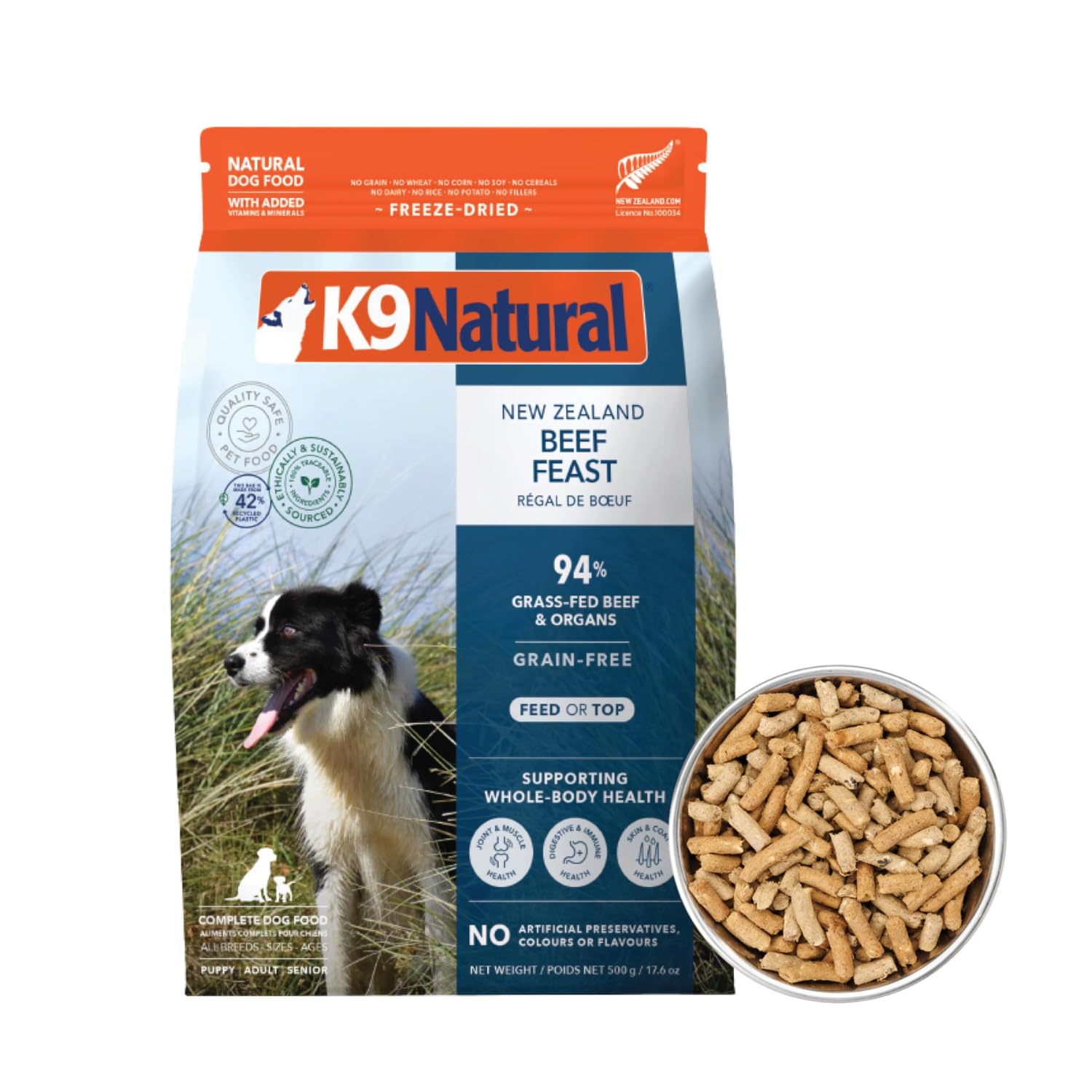
This is the only non-prescription, fully raw option in the comparison, using 98% grass-fed beef, organs, and bone from New Zealand with no grains, soy, gluten, or artificial additives. It’s formulated as a complete meal or a potent topper, delivering a protein and fat profile that mirrors what canids evolved eating, but with the convenience of a freeze-dried wafer that rehydrates in minutes.
For owners who distrust kibble-based therapeutic diets, K9 Natural offers a wholefood approach that still meets AAFCO standards for all life stages. The high-meat content means it’s naturally lower in carbohydrates than any dry prescription option, which can help stabilize blood glucose and reduce inflammation in some dogs with metabolic disorders.
The 17.6-ounce bag is small—roughly one week of food for a 30-pound dog—which makes it expensive as a standalone diet. Most owners use it as a 25-30% topper on a prescription base diet to boost protein without upsetting the therapeutic balance. The resealable bag keeps it fresh without refrigeration, a major convenience over frozen raw.
Why we love it
- Single-source grass-fed beef protein avoids allergy cross-reactivity from chicken or grains
- Freeze-drying preserves enzyme content absent in high-heat extruded kibble
- No synthetic vitamin premix; nutrients are derived from whole organs and bone
Good to know
- Not a veterinary prescription diet; lacks specific therapeutic nutrient modulation
- Small bag size makes it an expensive option for large breed dogs as a complete meal
7. Nulo FreeStyle Adult Trim
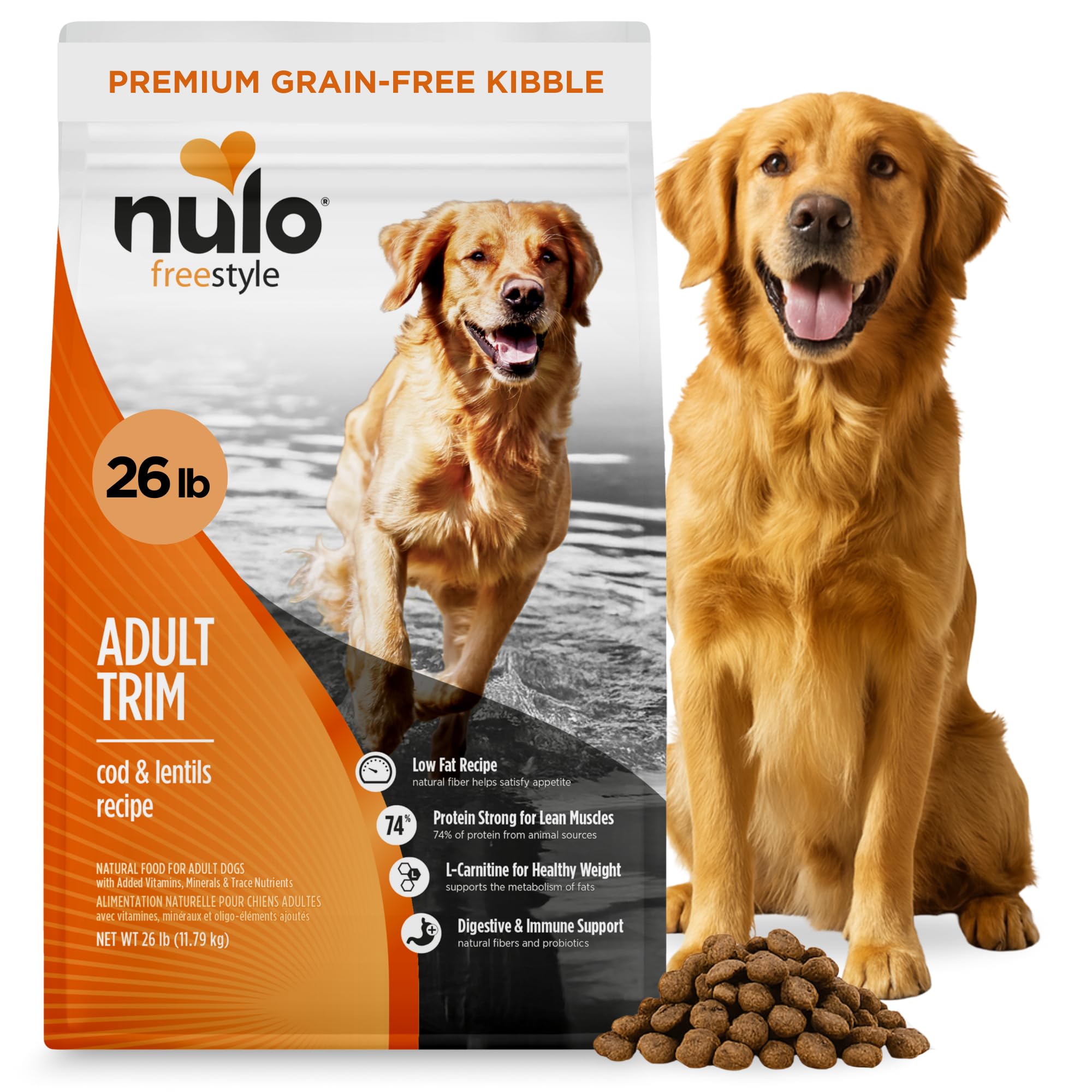
The Nulo FreeStyle Adult Trim formula targets weight management through a different mechanism than the Hill’s metabolic formula—it maximizes protein percentage (74% animal-based) while simultaneously restricting fat and boosting fiber from lentils and chickpeas. L-carnitine is added at a therapeutic level to support mitochondrial fat transport, helping dogs utilize stored body fat more efficiently during caloric restriction.
This is not a veterinary prescription diet, but it’s often recommended by vets as a non-prescription alternative for dogs who need weight loss without underlying metabolic disease. The inclusion of GanedenBC30 probiotic strains ensures that the high-protein, high-fiber profile doesn’t cause digestive upset during the transition from a lower-protein maintenance diet.
The 26-pound bag is the largest by weight in this comparison, offering the lowest cost per pound among the dry options. It’s grain-free, which eliminates corn, wheat, and soy—but also excludes rice and tapioca, making it suitable for dogs with broad carbohydrate sensitivities. Owners of less active breeds like Bulldogs often find this formula maintains muscle tone while reducing fat storage.
Why we love it
- Very high animal protein percentage supports lean muscle preservation during weight loss
- Large bag size offers exceptional value for grain-free, high-protein nutrition
- BC30 probiotic strain is shelf-stable and survives the manufacturing process intact
Good to know
- Not appropriate for dogs with pancreatitis or fat-responsive metabolic diseases
- Grain-free formulation may not suit dogs without carbohydrate sensitivities
FAQ
Can I feed my dog a prescription diet without a vet diagnosis?
How fast should I see improvement with a hydrolyzed protein diet?
What is the difference between “prescription diet” and “over-the-counter limited ingredient diet”?
Can I mix a prescription dry food with a non-prescription wet topper?
Final Thoughts: The Verdict
For most dogs needing a reliable therapeutic approach to weight and joint health, the vet dog food winner is the Hill’s Prescription Diet Metabolic + Mobility because it combines dual-condition support into one proven formula, eliminating the need for separate supplements and delivering measurable weight loss alongside improved movement. If your dog’s primary struggle is relentless itching from environmental or food sensitivities, grab the Hill’s Prescription Diet Derm Complete for its clinically proven 21-day skin healing timeline. And for managing chronic pancreatitis or fat-responsive GI conditions, nothing beats the targeted low-fat precision of the Royal Canin Veterinary Diet Gastrointestinal Low Fat.