
Sheet stains operate on their own cruel timeline — what looks like a minor juice splash at midnight becomes a stubborn yellow crescent by morning, and the protein-based stains from sweat or bodily fluids can lock into cotton fibers within hours. Common laundry detergents lack the enzymatic reach to break these bonds, which is why that shadow often survives a normal wash cycle.
I’m Mo Mahin — the founder and writer behind Furric. I’ve spent years analyzing the soil science and textile chemistry that determine whether a cleaning formula lifts biological residue or merely pushes it deeper into the weave.
For this guide I pulled five stain removers that handle everything from red wine to mattress-side coffee spills, comparing enzyme profiles, surface compatibility, and application methods to help you pick a stain remover for bed sheets that actually finishes the job in one pass.
How To Choose The Best Stain Remover For Bed Sheets
Bed sheet stains fall into three chemical categories — lipid-based (oils, makeup, lotion), protein-based (sweat, blood, bodily fluids), and tannin-based (coffee, red wine, fruit juice). Each requires a different enzyme or oxidizer to break the molecular bond without damaging the fabric’s tensile strength. Ignoring the stain type leads to setting the mark deeper into the weave with heat or friction.
Enzyme Profile — Protease vs Amylase vs Lipase
Protease digests protein fragments found in sweat and blood; lipase handles the sebum and fabric softener buildup that leaves grayish stains near the pillow area; amylase tackles starch-based food spills. A remover that lists a triple-enzyme blend covers the widest range of sheet-specific stains without needing separate pre-treatments for each category.
Dwell Time vs Mechanical Action
Sheet fabric — especially high-thread-count cotton or microfiber — is more delicate than denim or kitchen towels. Agitating aggressively with a brush can distort the weave or cause pilling. The most effective sheet stain removers rely on a 5–15 minute dwell time that lets enzymes penetrate the fiber, followed by a cold-water rinse before the warm wash cycle (heat sets protein stains permanently).
Residue and Rinse Profile
Heavy surfactants or optical brighteners that cling to cotton can cause skin irritation or trap bacteria overnight. A low-residue formula (often labeled “free and clear” or “fragrance-free”) minimizes overnight skin contact while still providing the oxidative lift needed to remove yellowed underarm marks and old perspiration rings from pillowcases.
Quick Comparison
On smaller screens, swipe sideways to see the full table.
| Model | Category | Best For | Key Spec | Amazon |
|---|---|---|---|---|
| OxiClean Triple Action White Revive | Oxygen Powder | Whitening white bedding | 4 lb pouch, 3x whitener load | Amazon |
| Miss Mouth’s Messy Eater Spray | Enzyme Spray | Fresh baby & food stains | EPA Safer Choice certified | Amazon |
| The Laundress Stain Solution | Bio-Enzyme Pretreat | Premium delicates & silk | Fragrance-free triple enzyme | Amazon |
| Eco Strong Cat Stain Remover | Enzymatic Spray | Pet urine on bedding | 32 oz professional strength | Amazon |
| Grandma’s Secret Spot Remover | Concentrated Gel | Set-in rust & blood marks | 2 oz pack of 2, no chlorine | Amazon |
In‑Depth Reviews
1. OxiClean Triple Action White Revive Laundry Whitener and Stain Remover Powder
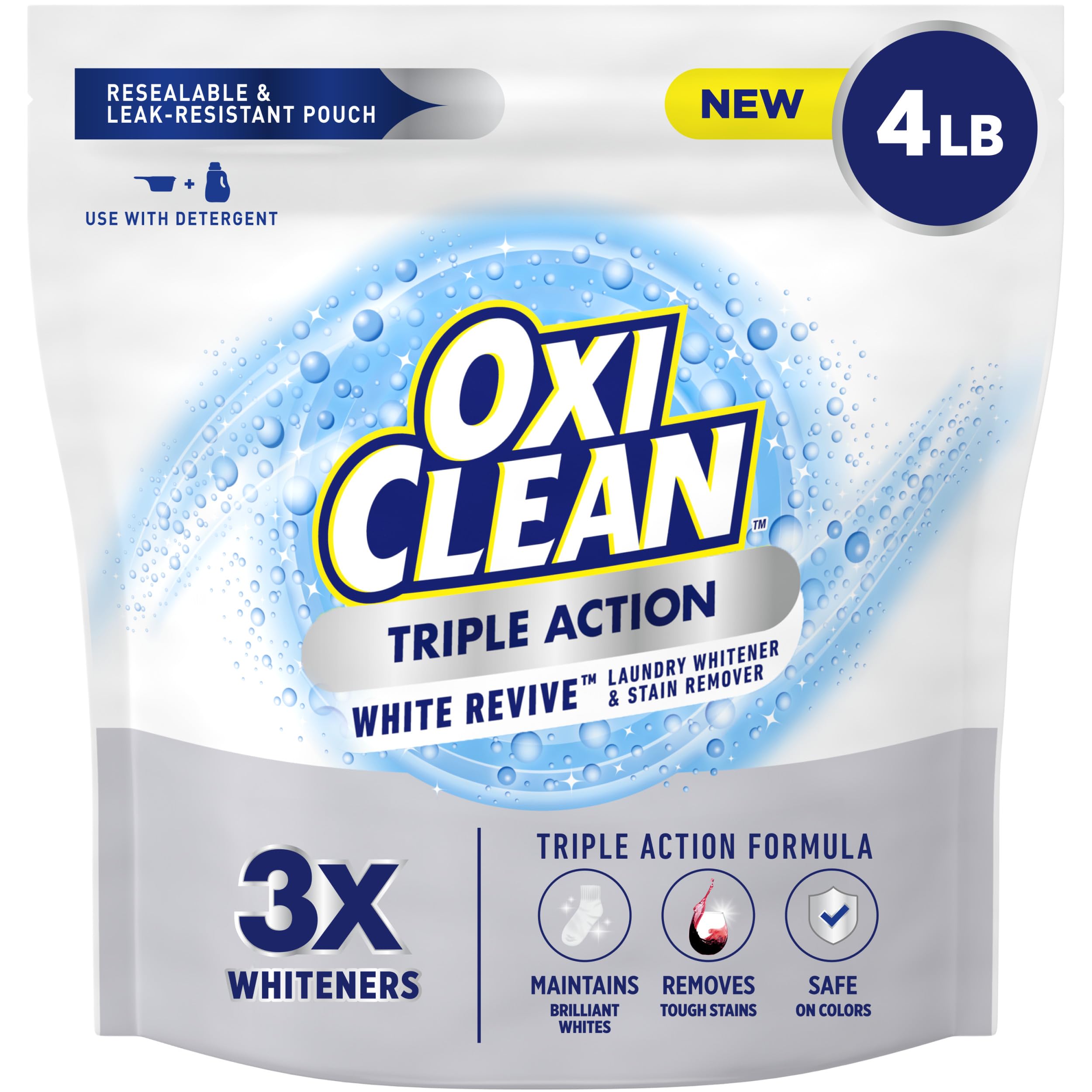
The OxiClean Triple Action White Revive delivers a 4-pound pouch of oxygen-powered sodium percarbonate that generates hydrogen peroxide when mixed with water. This mechanism breaks the chromophores in coffee, wine, and berry stains without chlorine, which means it won’t yellow protein-based silk or wool blends — a common issue with bleach-based whiteners on high-end sheet sets.
The resealable leak-resistant pouch includes enough powder for roughly 32 full loads of bedding when used as a laundry additive (one scoop per load). The 3x whitener concentration refers to the optical brightener blend alongside the percarbonate core, making it particularly effective for restoring the original brightness of cotton sateen and percale sheets that have accumulated grayish detergent residue over repeated hot washes.
For set-in sheet stains, the manufacturer recommends a pre-soak of 1 scoop dissolved in warm water for 1–6 hours before the main cycle. Cold-water compatibility means this powder works in both standard and HE washers at any temperature, though the oxygen release is most vigorous in water above 85°F. The chlorine-free formula is safe for colored bed linens as long as they are labeled washable.
Why we love it
- Large 4 lb quantity covers many loads without repurchase
- Oxygen action lifts stains without chlorine damage to delicate weaves
- Resealable packaging stays dry between uses
Good to know
- Best results require pre-soak for heavy-set stains
- Not a spot treatment — must be used in a wash or soak process
2. Miss Mouth’s Messy Eater Stain Treater Spray 2-Pack
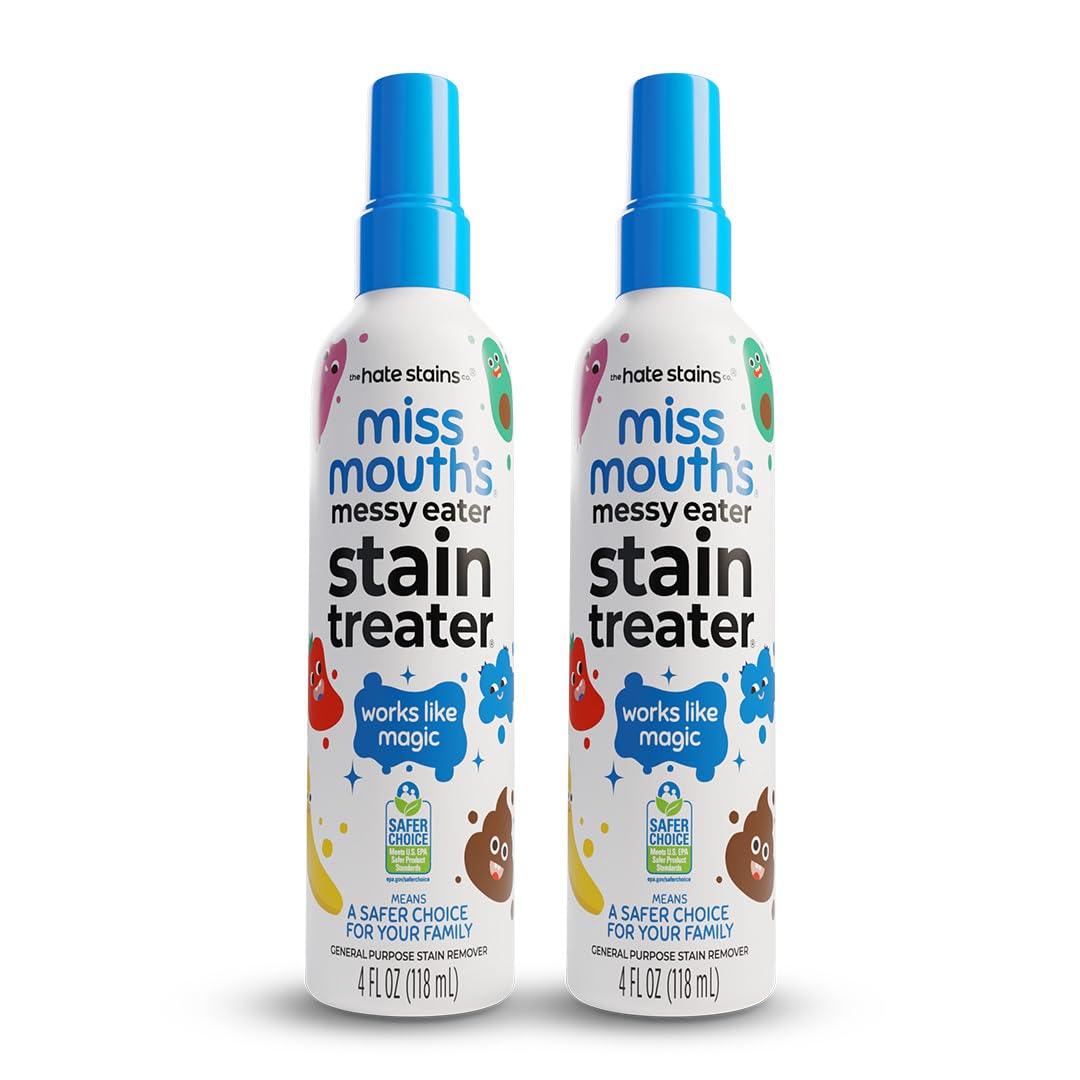
Miss Mouth’s Messy Eater uses a proprietary surfactant blend that works by reducing the surface tension of the liquid stain, allowing the formula to penetrate deep into the cotton fibers before the wash cycle. The EPA Safer Choice certification indicates the formula excludes the phthalates, nonylphenol ethoxylates, and optical brighteners that can irritate sensitive skin — a critical factor for bedding that spends eight hours against the face and neck.
The 2-pack of 4-ounce spray bottles covers roughly 60 spot treatments each. The spray head delivers a concentrated mist that wets the stain without oversaturating the mattress pad underneath. Application instructions advise damping dry stains with water first, then spraying and rubbing gently before tossing into a cold wash — a process designed for the fast turnarounds parents need between midnight sheet changes and daytime nap schedules.
Field performance on fruit juice, baby formula, ketchup, and blowout stains is strong because the formula targets the organic compounds in those foods without requiring a long soak. However, it is less effective on set-in oil-based stains like lotion or makeup foundation, which demand a lipase enzyme that this particular spray does not list in its active profile.
Why we love it
- EPA Safer Choice certified for worry-free use on baby bedding
- Works as a quick spray without needing hot water
- Two-pack format offers backup bottle for different rooms
Good to know
- Less effective on set-in oil or makeup stains
- Small 4 oz bottles require frequent repurchase with heavy use
3. The Laundress Stain Solution

The Laundress Stain Solution differentiates itself through a fragrance-free triple-enzyme blend (protease, amylase, lipase) that targets the full spectrum of biological and food-based sheet stains without masking odors with synthetic perfume. This matters for white sheets that develop yellow pits after repeated sweat contact, as the protease component specifically cleaves the keratin protein bonds that standard detergents leave behind.
The 16-ounce bottle is designed as a pre-treatment pour — for old stains the instructions recommend pouring directly onto the fabric, rubbing gently, and allowing a dwell time of 5–15 minutes before laundering. The liquid consistency is thinner than gel-based removers, which helps it wick into tight-weave cotton percale without leaving a sticky residue that attracts lint during the drying cycle. The brand recommends testing on an inconspicuous area first, especially for silk or linen sheets where enzyme concentrations can cause color shift if left too long.
Its real strength lies in high-end garment care: red wine, coffee, grass, and makeup stains respond well because the three enzymes attack the stain from different molecular angles simultaneously. The trade-off is comparison cost — the per-ounce rate places it in the premium bracket, and for heavy household stain loads the OxiClean powder offers more volume for the same investment.
Why we love it
- Triple-enzyme blend handles sweat, food, and oil on one pass
- Fragrance-free formula suits sensitive skin and allergies
- Thin liquid penetrates high-thread-count weaves effectively
Good to know
- Higher cost per ounce than powder alternatives
- Requires pre-testing on delicate or colored fabrics
4. Eco Strong Cat Stain And Odor Remover
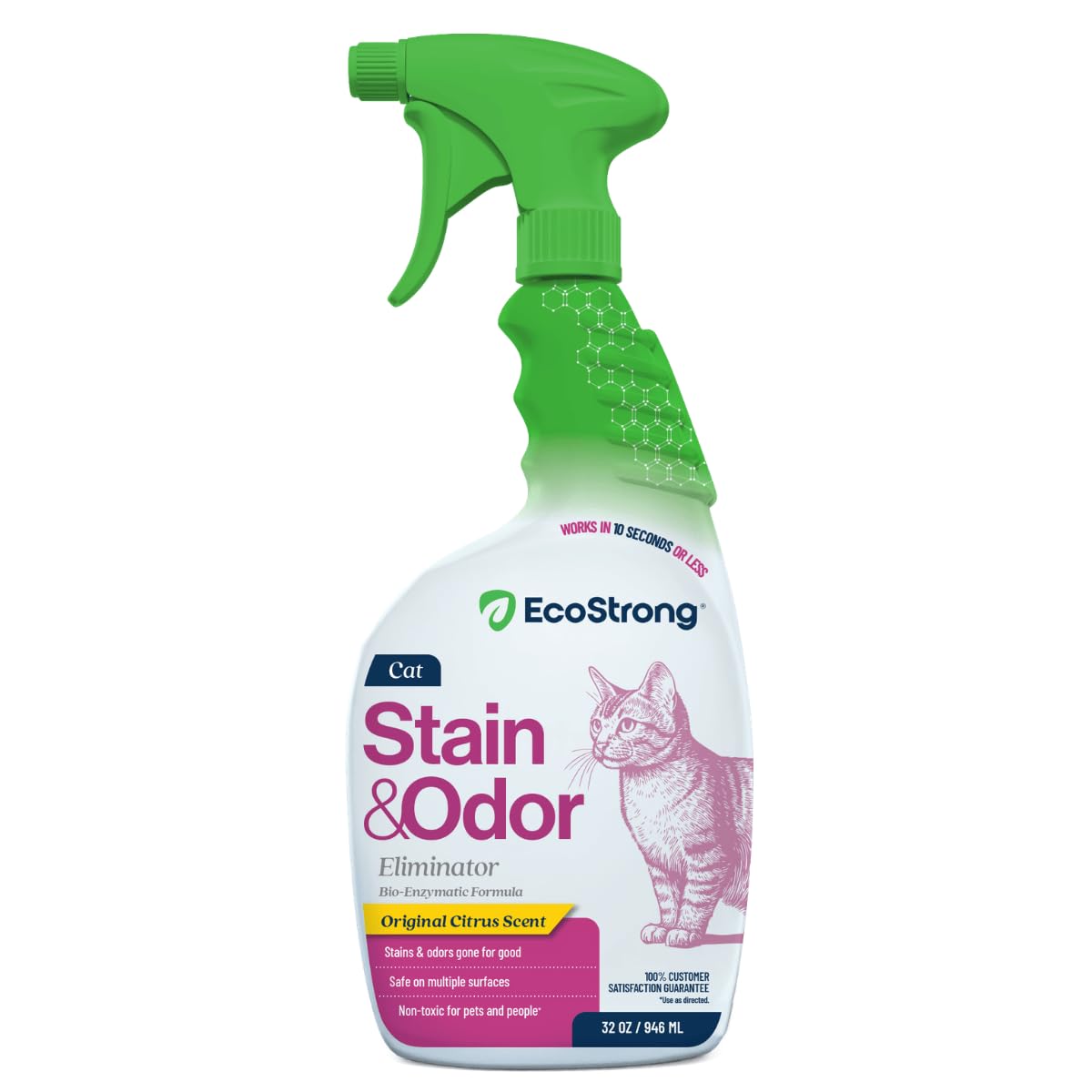
Eco Strong’s bio-enzymatic formula uses live bacterial cultures that produce enzymes specifically calibrated to consume uric acid crystals — the components in cat urine that standard detergents cannot dissolve and that re-emit odor when humidity rises. For sheets that have been peed on, this remover breaks down both the visible stain and the volatile ammonia compounds that trigger cats to re-mark the same spot.
The 32-ounce spray bottle offers professional-grade coverage per application. The instructions recommend saturating the affected area, allowing 10–15 minutes of dwell time for the enzymes to consume the residue, then washing as usual with Eco Strong added to the wash cycle for embedded odors. The citrus scent is added after the enzymatic breakdown is complete — the active phase is fragrance-free so the bacteria can work without interference from essential oils that can inhibit microbial activity.
Multi-surface compatibility extends beyond bedding to mattress protectors, carpet, and tile, making it a practical single-bottle solution for households where pet accidents occur across multiple surfaces. The non-toxic formulation means it is safe around infants who crawl on treated carpets, though the manufacturer advises keeping fabric wet enough during dwell time to prevent the enzymes from drying out mid-action.
Why we love it
- Enzymatic action eliminates uric acid crystals, not just masks odor
- Large 32 oz bottle provides many applications per purchase
- Safe for use in the washing machine on pet-soiled bedding
Good to know
- Citrus scent may not suit fragrance-sensitive sleepers
- Requires consistent dwell time to activate enzymes fully
5. Grandma’s Secret Spot Remover for Clothes 2-Pack
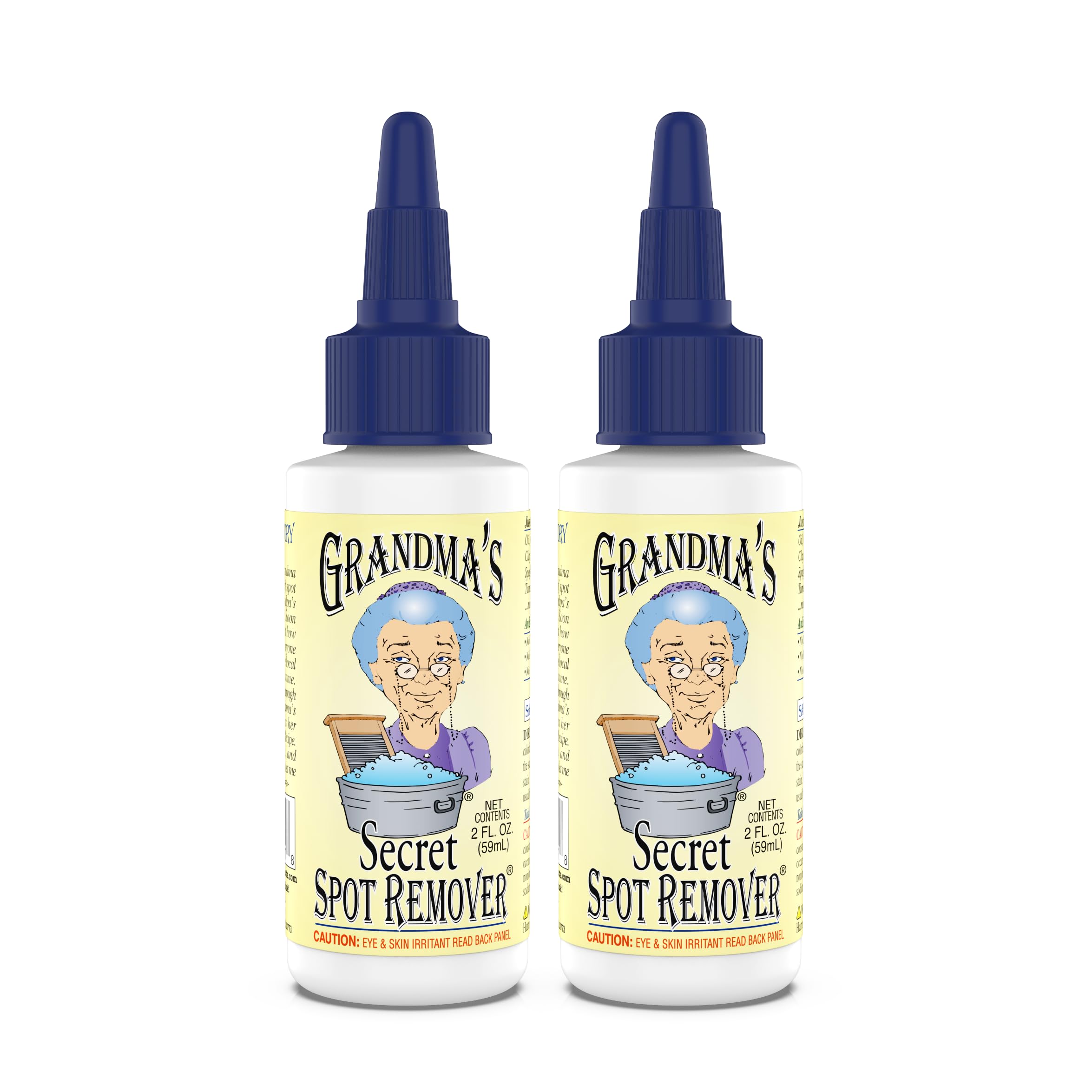
Grandma’s Secret Spot Remover packs a concentrated gel formulation into a 2-ounce tube — small enough to keep in a nightstand drawer for immediate treatment of breakfast-in-bed coffee spills or midnight nosebleeds. The gel’s viscosity allows it to cling to vertical fabric surfaces (a pillowcase hanging off the bed) without dripping through to the mattress, and the citrus fragrance is mild enough to avoid competing with fabric softener scents.
The manufacturer claims compatibility with blood, food, grass, pet stains, iodine, beverages, crayon, uncured latex paint, chocolate, candle wax, heavy grime, ketchup, grease, oil stains, and shoe polish — a wide range for a compact product. For set-in stains that have already been heat-set by a dryer cycle, the gel can be applied, agitated with a soft toothbrush, and left for up to 30 minutes before a cold-water rinse. The no-bleach, no-chlorine, no-phosphate composition means it won’t yellow white sheets or fade colored patterns.
The trade-off is volume: each tube contains only 2 ounces, and heavy stains may require multiple applications per tube. The 2-pack extends the usable life, but for households that treat stains weekly, the powder format (like the OxiClean) delivers more stain-fighting chemistry per dollar. The formula is most effective when used fresh rather than stored for long periods — the gel can thicken or crystallize if the cap is left loose.
Why we love it
- Gel format clings to vertical fabric without dripping
- Wide compatibility with many stain types in one product
- No chlorine or phosphates safe for colored sheets
Good to know
- Small tube size requires frequent replacement for heavy use
- Gel may thicken if cap is not sealed tightly after use
FAQ
Can I use oxygen-based stain remover on colored sheets without fading them?
Why does my sheet stain reappear after I wash and dry it?
How do I remove old yellow sweat stains from white pillowcases?
Final Thoughts: The Verdict
For most households, the stain remover for bed sheets that offers the best balance of power, volume, and safety is the OxiClean Triple Action White Revive because its oxygen-powder format handles common coffee, wine, and sweat stains while being color-safe and chlorine-free. If you prefer a spray that targets fresh baby and food spills without harsh chemicals, grab the Miss Mouth’s Messy Eater Stain Treater. And for pet urine odors that linger in the bedding fibers, nothing beats the enzymatic breakdown of the Eco Strong Cat Stain And Odor Remover.