
The reddish-brown trails under a Maltese’s eyes can feel like a permanent stain on their beautiful white coat—and your confidence as an owner. While genetics and grooming play a role, the single most impactful lever you can pull is the food in their bowl. The wrong ingredients fuel the yeast and bacteria responsible for those unsightly marks, while a precise diet can stop them at the source.
I’m Mo Mahin — the founder and writer behind Furric. I’ve spent years cross-referencing ingredient panels, veterinary nutritional data, and aggregate owner feedback to pinpoint exactly which formulas break the tear-stain cycle for this specific breed.
This guide cuts through the marketing noise to give you a clear, actionable path. Whether you are battling persistent redness or looking to prevent it, selecting the right food for maltese tear stains is the most effective long-term strategy for keeping your companion’s face clean and comfortable.
How To Choose The Best Food For Maltese Tear Stains
Not all dog foods are created equal when your goal is minimizing facial discoloration. A Maltese’s small size, sensitive digestive tract, and white coat make certain spec decisions critical. Here are the three pillars that separate a stain-reducing diet from a stain-causing one.
Protein Source: The Stain Trigger
The primary culprit behind tear stains is porphyrin—an iron-containing molecule excreted through tears that turns reddish-brown when exposed to air. Some proteins, particularly red meats like beef, contain higher levels of iron and can worsen staining. A novel, highly digestible protein like salmon or chicken is less likely to trigger excess porphyrin production. Look for a single, named animal protein as the first ingredient.
Kibble Geometry and Digestive Support
A Maltese has a small mouth and a sensitive stomach. Kibble that is too large encourages gulping, which bypasses saliva enzymes and can lead to poor digestion—a gateway to tear-stain-triggering inflammation. A pellet diameter around 0.2 to 0.3 inches is ideal. Additionally, formulas with added probiotics and prebiotic fibers help maintain a balanced gut microbiome, directly reducing the bacterial load that contributes to facial staining.
The Yeast and Allergy Connection
Many tear stains are worsened by a secondary yeast (Malassezia) infection in the tear ducts or facial folds. Grains like corn and wheat can be inflammatory for some dogs and feed yeast growth. A grain-free or limited-ingredient formula reduces this risk. Also, avoid artificial colors, flavors, and common fillers. A clean, short ingredient list is your best defense against the allergic cascade that ends with watery, staining eyes.
Quick Comparison
On smaller screens, swipe sideways to see the full table.
| Model | Category | Best For | Key Spec | Amazon |
|---|---|---|---|---|
| Nature’s Protection Salmon | Grain-Free Kibble | Stain reduction + coat brightness | 0.2 – 0.3 inch kibble size | Amazon |
| Purina Pro Plan Shredded Blend | Balanced Kibble | Digestive health + high protein | Contains guaranteed live probiotics | Amazon |
| Hill’s Science Diet Small & Mini | Veterinary Diet | Sensitive stomach + picky eaters | Includes pumpkin for digestion | Amazon |
| Royal Canin Small Adult | Precise Nutrition | Bone health + energy management | Prebiotic fibers for microbiome | Amazon |
| Ocu-GLO Canine Vision Gel Caps | Vision Supplement | Eye health + reducing eye gunk | 12 antioxidants + grape seed extract | Amazon |
In‑Depth Reviews
1. Nature’s Protection Salmon Puppy & Small Breed

This formula is the most category-specific weapon we found against tear stains. It uses a single, highly digestible salmon protein that is naturally lower in the porphyrin-triggering iron compared to beef or lamb. The 0.2 to 0.3 inch kibble is engineered specifically for small mouths, encouraging proper chewing and slowing down gulping that can disrupt digestion and worsen staining.
Owner reports confirm its effectiveness: multiple verified reviews mention “no more tear stains” and a “softer and brighter coat.” The grain-free formulation strikes a smart balance—removing common inflammatory grains while still providing DHA and calcium for a puppy’s development. It is a complete, one-bag solution that targets the root cause of staining rather than just masking the symptoms.
At a 22-pound bag, the value is exceptional for a targeted anti-stain diet. The pellet size is frequently praised by Maltese owners for being easy to chew, which reduces the mess around the face. If you want a food that actively works against discoloration while supporting overall health, this is the top pick.
Why we love it
- Salmon as #1 ingredient reduces porphyrin load.
- Small pellet size perfect for Maltese mouths.
- Owner-verified reduction in tear stain appearance.
Good to know
- Formulated for puppies 3-12 months; check adult options.
- Grain-free may not suit dogs with certain digestibility issues.
2. Purina Pro Plan Shredded Blend Chicken & Rice

Tear stains are often a downstream symptom of an unbalanced gut. Purina Pro Plan directly addresses this with guaranteed live probiotics, which help crowd out the bacteria that can overpopulate and exacerbate staining. The shredded blend texture adds variety that picky Maltese love, making it easier to transition them off a stain-causing diet.
The bite-sized kibble is appropriate for small breeds, and the high-protein formula (real chicken first) supports lean muscle without overloading the system with fillers. Multiple Maltese owners report that their dogs became more excited about mealtime and maintained higher energy levels on this food. The absence of artificial colors is a plus—those additives can be a hidden irritant for sensitive dogs.
This is not a dedicated anti-stain formula, but its probiotic-driven approach to digestive wellness makes it a formidable indirect weapon. If your Maltese’s stains are paired with loose stools or gas, this is the most strategic choice. It tackles the root of the issue from the inside out.
Why we love it
- Guaranteed live probiotics support gut health and reduce staining.
- Shredded blend encourages picky eaters to finish meals.
- High-protein recipe supports coat and overall vitality.
Good to know
- Chicken protein may be less ideal for some stain-prone dogs than salmon.
- Larger bag sizes needed for cost efficiency over time.
3. Hill’s Science Diet Small & Mini Chicken & Brown Rice

Hill’s Science Diet is the #1 veterinarian-recommended brand, and this Small & Mini formula delivers precisely what a sensitive Maltese needs: easy-to-digest ingredients including pumpkin for fiber. This gentle approach minimizes gastrointestinal upset, a common trigger for stress-induced tear production and the staining that follows.
Owners of Maltese consistently report that this is “the only food my Maltese will eat.” The kibble size is ideal for tiny mouths, and the chicken and brown rice flavor is palatable without being rich. The formula is designed to support lean muscle and ideal body weight, which is crucial because obesity in small breeds can exacerbate facial fold moisture and staining.
While it doesn’t have a dedicated anti-stain marketing claim, its track record of solving “sensitive stomach” and “burps/poop problems” in real-world Maltese households makes it a reliable choice. If your dog has a history of food sensitivities, this is the safest baseline to start from before moving to more specialized diets.
Why we love it
- Vet #1 recommended brand with research backing.
- Pumpkin fiber aids gentle digestion and reduces inflammation.
- Consistently praised by Maltese owners for picky eaters.
Good to know
- Contains chicken; some stain-prone dogs do better on fish protein.
- Small bag size requires frequent reordering.
4. Ocu-GLO Canine Vision Supplement for Small Dogs
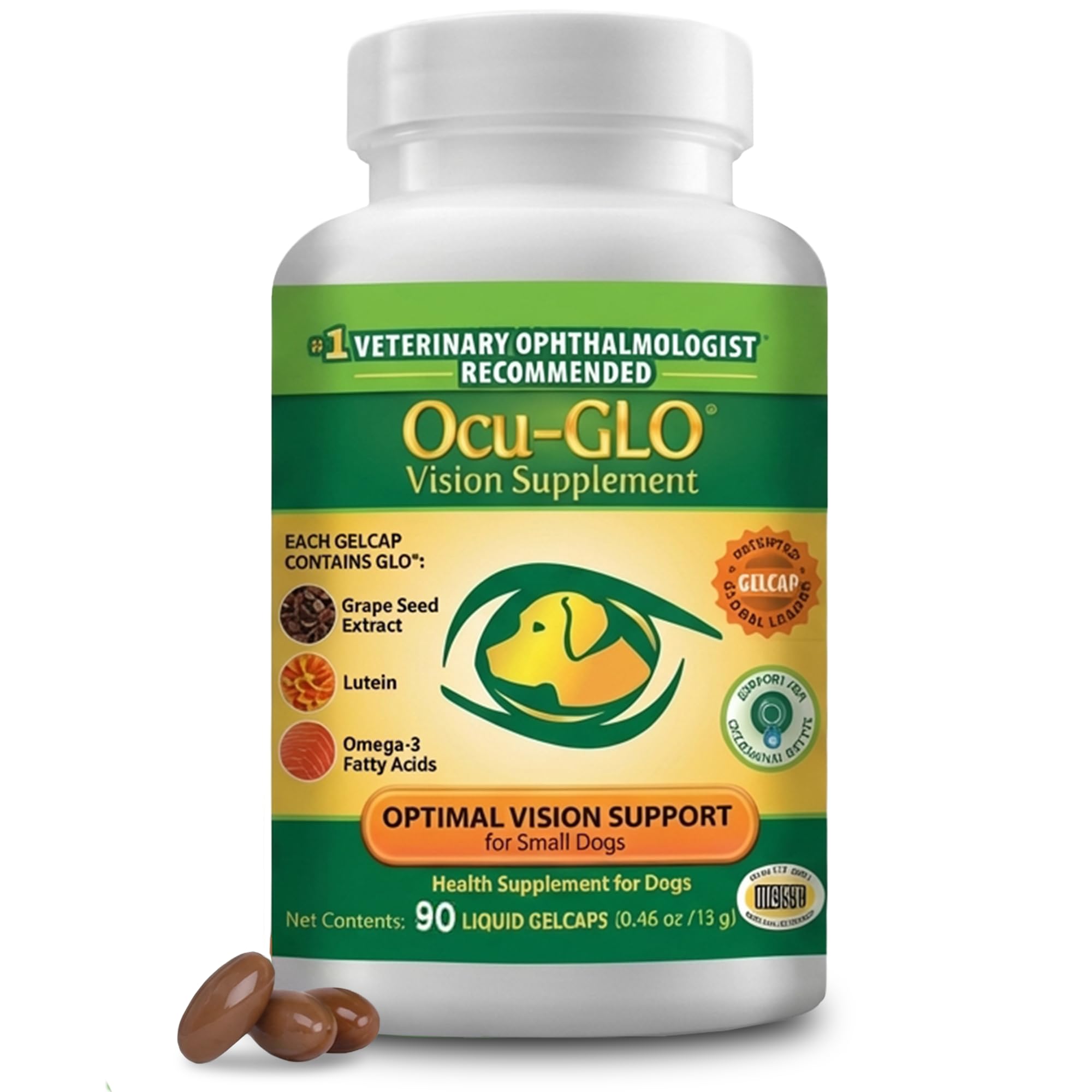
Sometimes the food is right, but the eye itself needs direct support. Ocu-GLO is a veterinarian-recommended supplement that delivers 12 antioxidants, including grape seed extract and zinc, to combat oxidative stress in the tear ducts. This is not a food, but a targeted tool that works alongside your kibble choice to reduce the “gunk” that turns into stains.
Real-world results are striking: owners report that the product “cleared up her cataract” and “helped my furry baby a lot with the gunk in her eyes that used to get stuck to her skin.” The liquid gel caps can be snipped open and added to wet food, making administration straightforward even for a finicky Maltese. It directly targets the ocular environment where staining begins.
If you have already optimized your dog’s diet but still see persistent stains, this supplement addresses the physiological root—excess tear production and oxidation. It is a higher upfront investment but often cheaper than repeated vet visits for eye issues.
Why we love it
- Vet-recommended formula targeting eye health directly.
- 12 antioxidant complex reduces oxidative tear staining.
- Easy to administer by snipping gel cap into food.
Good to know
- Not a standalone food; must be used alongside kibble.
- Results may take several weeks to become visible.
5. Royal Canin Size Health Nutrition Small Adult
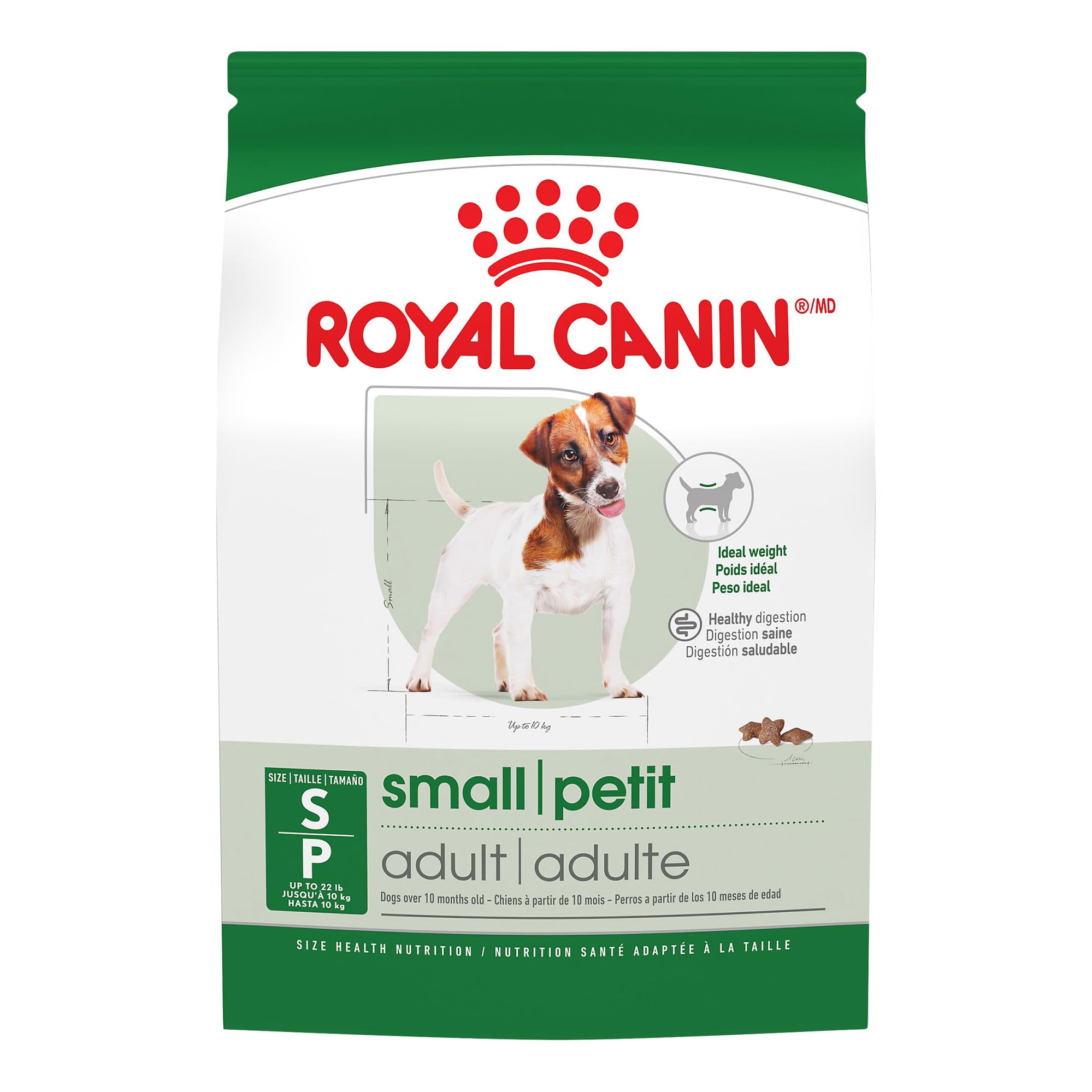
Royal Canin approaches the tear-stain problem through precise, breed-agnostic size nutrition. The kibble is designed for dogs 9 to 22 lbs, with a texture that encourages chewing and slows down eating. This is a mechanical defense against staining—less frantic eating means less tear production from swallowing air and disrupting digestion.
The formula includes a precise blend of calcium and phosphorus for strong bones, and prebiotic fibers to support a healthy microbiome. Owners report that picky eaters “eat it readily,” and that it leads to “improved energy, digestion, and coat shine.” Royal Canin’s reputation for quality control is a major factor here; consistency in the bag prevents the digestive upsets that can spike staining.
While it does not have a dedicated anti-stain marketing angle, its focus on digestive regularity and kibble physics makes it a smart entry-level choice. For a Maltese that already has minimal staining, this is an excellent maintenance diet that prevents flare-ups without breaking the bank.
Why we love it
- Prebiotic fibers support balanced gut microbiome.
- Kibble texture encourages slower, healthier eating.
- Strong quality control ensures formula consistency.
Good to know
- Contains chicken and fish/wheat allergens per label.
- Not a targeted anti-stain formula; best as a preventative.
FAQ
Can switching to salmon-based food really stop tear stains?
How quickly will I see results after changing my Maltese’s food?
Is grain-free food always better for tear stains?
Final Thoughts: The Verdict
For most Maltese owners fighting persistent tear stains, the food for maltese tear stains winner is the Nature’s Protection Salmon because it combines a low-porphyrin salmon protein with the ideal 0.2-inch kibble size and owner-verified stain reduction. If your dog needs a gut-focused approach with proven probiotics, grab the Purina Pro Plan Shredded Blend. And for those whose stains persist despite a good diet, nothing targets the ocular root cause like the Ocu-GLO supplement.