
Walking into a stable and catching that sharp ammonia burn in your throat means your current bedding strategy is failing. The difference between a fresh, healthy stall and a respiratory hazard comes down to the material you choose, its absorption rate, and how often you’re willing to muck. Whether you manage a single horse or a full barn, the right bedding saves your lungs, your horse’s airways, and your back.
I’m Mo Mahin — the founder and writer behind Furric. Over the past fifteen years, I’ve analyzed thousands of product specifications, studied agricultural extension data on ammonia control, and cross-referenced owner feedback to separate marketing claims from real-world performance in equine and livestock bedding.
After comparing absorption rates, dust particle counts, composting profiles, and cost-per-use across dozens of formulations, I’ve narrowed the field to the seven most effective options. This guide delivers an honest, spec-level breakdown of the best bedding for horse stalls available today, so you can choose with clarity.
How To Choose The Best Bedding For Horse Stalls
Horses spend up to 18 hours a day in their stalls. The bedding you choose directly impacts their respiratory health, hoof condition, and joint comfort. Three factors matter most: material absorption capacity, dust content, and disposal logistics.
Absorption Rate and Ammonia Control
The primary job of any stall bedding is to lock away urine moisture and trap ammonia gas before it volatilizes. Kiln-dried pine pellets absorb roughly 3–4 times their weight in liquid and expand into a fluffy mat. Hemp shavings absorb similarly but wick moisture sideways rather than just straight down. Straw and paper bedding absorb less per square inch, requiring thicker layers or more frequent replacement to keep ammonia levels low.
Dust Content and Respiratory Health
Equine Recurrent Airway Obstruction (RAO) is directly linked to airborne particulate matter in stalls. Hemp bedding consistently tests with the lowest dust output — often 99% dust-free. Kiln-dried pellets produce minimal dust upon application but can generate fines as they break down under hoof traffic. Chopped straw tends to harbor mold spores and dust unless stored bone-dry, making it the riskiest choice for horses with known respiratory sensitivities.
Deep Litter Compatibility and Composting Value
If you prefer the deep litter method — layering fresh bedding atop soiled material and mucking fully once or twice a year — you need a bedding that composts aerobically without souring. Hemp shavings excel here because they break down into rich, finished compost without needing additional turning. Pine pellets also compost well but form a denser mat. Paper bedding compacts too tightly, while straw degrades unevenly and can introduce weed seeds into your compost pile.
Quick Comparison
On smaller screens, swipe sideways to see the full table.
| Model | Category | Best For | Key Spec | Amazon |
|---|---|---|---|---|
| Aubiose French Hemp Bedding | Hemp Shavings | Deep litter / sensitive airways | 44lb per bag; 99% dust-free | Amazon |
| Progressive Planet Stall Dry Pellets | Pelletized Pine | Maximum urine absorption | 35lb bag; expands 3x on contact | Amazon |
| Small Pet Select Pine Pellet | Pelletized Pine | Odor control for stall rest | 40lb; triple-screened low dust | Amazon |
| Hurdz Hemp Bedding | Hemp Shavings | Long-lasting coop/stall bedding | 33lb / 300 liter equivalent | Amazon |
| Kaytee Clean & Cozy Paper | Paper Flakes | Foaling stalls / soft footing | 100L per bag (pack of 2) | Amazon |
| Standlee Chopped Straw | Barley/Wheat Straw | Budget-friendly conventional stalls | 25lb; 4-inch chop length | Amazon |
In‑Depth Reviews
1. Aubiose French Hemp Bedding 44lb
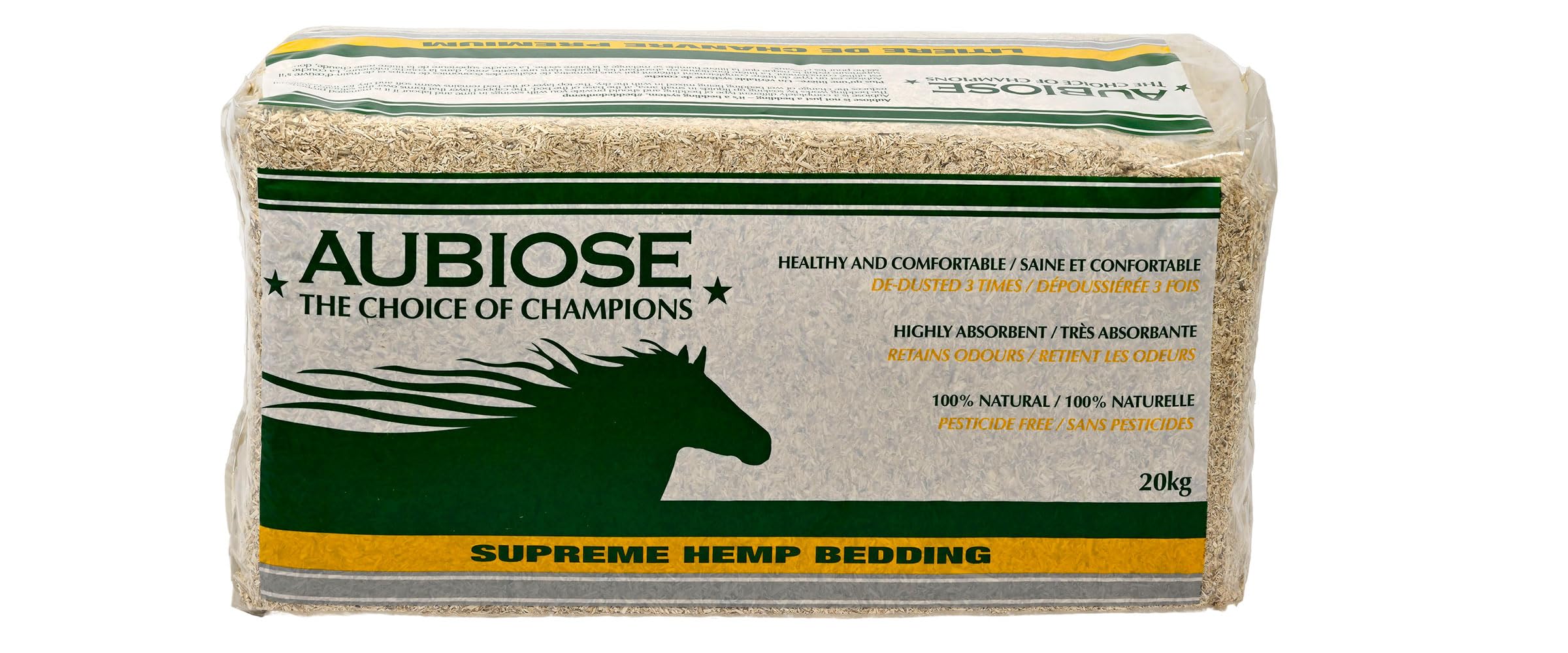
Aubiose sets the standard for premium stall bedding. This 44lb jumbo bag of French hemp shavings contains some of the lowest dust levels on the market — measurably lower than pine, aspen, or even other hemp brands. For horses with RAO or other airway sensitivities, that alone justifies the investment. The fluffy, fibrous texture wicks moisture sideways rather than pooling, keeping the stall surface dry even during deep litter cycles.
One bag covers roughly half a stall per week with daily spot-mucking, but the real efficiency comes with deep litter method management. Users report a full coop clean-out once or twice a year, with the spent bedding ready to compost directly into garden soil. The fiber holds ammonia exceptionally well, maintaining a fresh environment even in hot, humid weather. Growers in France have produced this same consistent formula for over 50 years.
If you manage multiple stalls and value low maintenance, Aubiose reduces labor significantly. The larger flake size compared to finer hemp brands means less dust and less tracking. It costs more upfront than pine shavings, but the extended use cycle and superior compost value make it the most cost-effective premium option for serious horse owners.
Why we love it
- Exceptionally low dust — best for equine respiratory health
- Deep litter method reduces full mucking to once or twice per year
- Spent bedding becomes premium finished compost
Good to know
- Higher upfront price per bag compared to pine shavings
- Larger flakes may not suit handlers who prefer fine-textured bedding
2. Progressive Planet Stall Dry Premium Equine Bedding Pellets 35lb
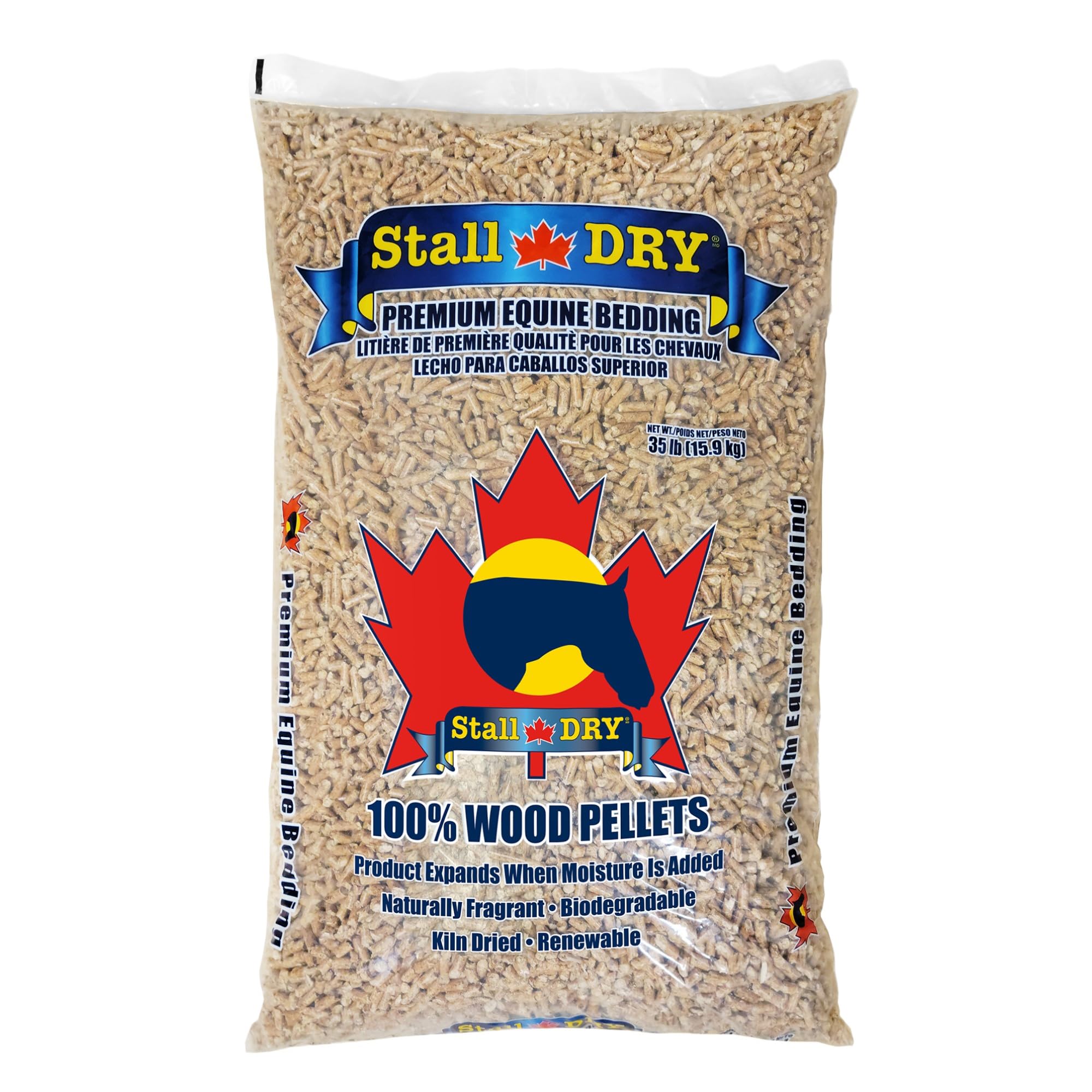
Stall Dry Pellets are built for one job: locking down urine before it turns into ammonia fumes. These 100% natural kiln-dried pine pellets expand dramatically on contact with liquid, turning into a soft sawdust mat that holds moisture deep in the bedding column. The natural pine aroma actively neutralizes odors rather than just masking them, and the pellets contain no synthetic perfumes or clumping agents.
The 35lb bag is practical for single-horse owners who prefer a tidy, easy-to-fork bedding. Because the pellets expand into a dense mat, daily spot-mucking is straightforward — you remove only the saturated areas and leave the dry pellets for reuse. The compressed form means storage footprint is minimal, and the low dust output keeps air quality acceptable during stall cleaning.
Experienced owners note that these pellets are identical to some tractor-supply store brands but delivered to your door. For barn managers who want the absorption power of pelletized pine without the commitment to a deep litter routine, this is a solid mid-range pick that performs reliably stall after stall.
Why we love it
- Absorbs roughly 3x its weight on contact with urine
- Natural pine scent neutralizes ammonia without chemicals
- Compact storage — 35lb bag takes minimal barn space
Good to know
- Pellets break down into fine dust under heavy hoof traffic
- Identical product available cheaper at local farm stores
3. Small Pet Select Pine Pellet Bedding 40lb
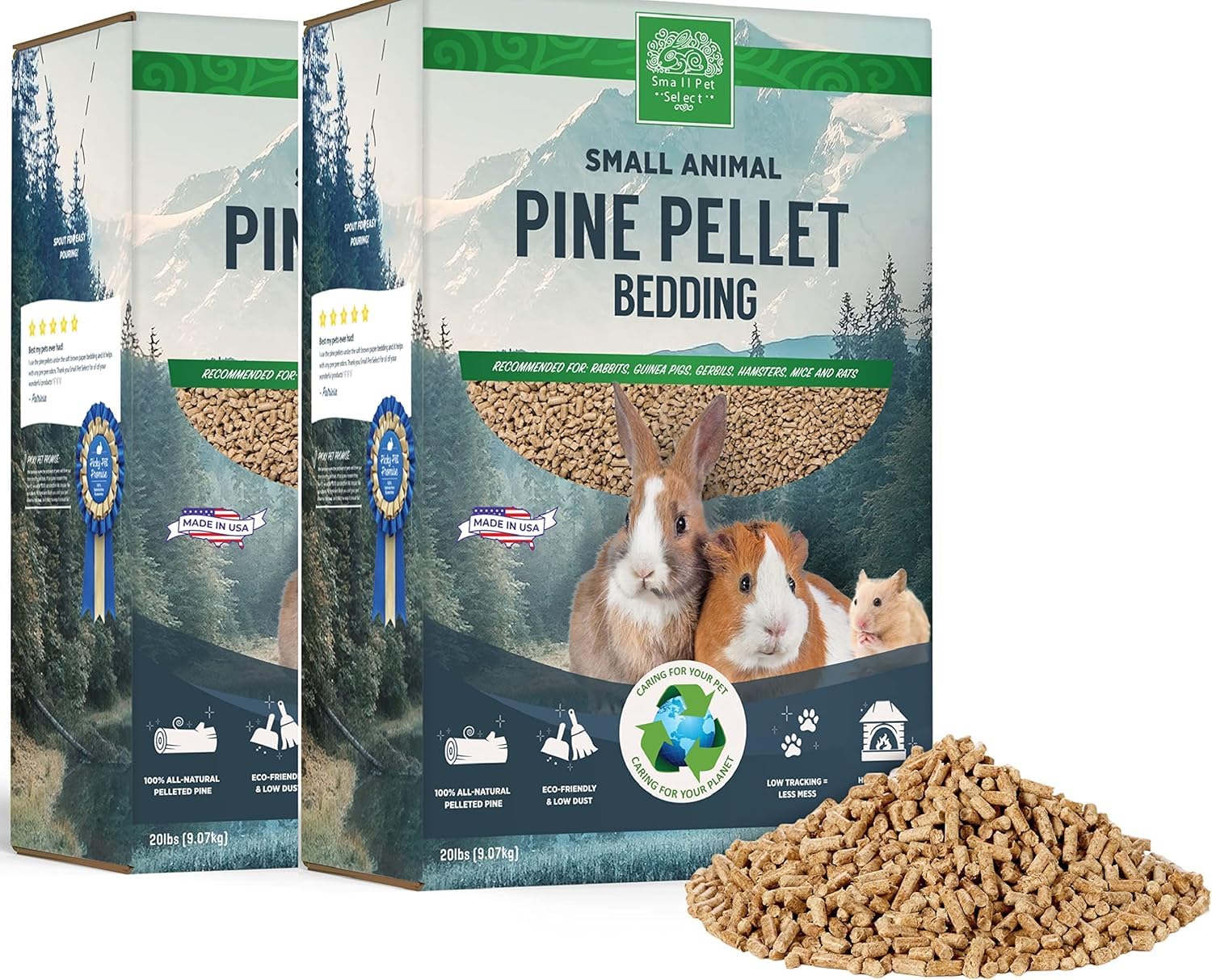
Small Pet Select offers a 40lb bag of sustainably sourced kiln-dried pine pellets that rival Stall Dry in absorption but edge ahead in dust control. The triple-screening process ensures 99% dust-free output, which matters for horses confined to stall rest during injury recovery. The pellets are made from already-downed trees with no added dyes, chemicals, or artificial scents — just raw kiln-dried pine.
In the stall, these pellets expand into a soft, uniform surface that discourages hock sores and provides decent cushioning for horses lying down. The absorption capacity is high enough that one bag can handle a 12×12 stall for several days before needing a full reset, depending on the horse’s hydration and output. Spot-cleaning is simple because the wet pellets clump without sticking to hoof walls or fetlocks.
While marketed primarily for small animals, horse owners have adopted these pellets for light-use stalls and foaling pens because of the consistent low-dust profile. The 40lb bag is manageable for one person to lift and pour, and the composted bedding breaks down completely within a single garden season. For a budget-conscious owner who prioritizes air quality, this is a strong daily-use option.
Why we love it
- Triple-screened for minimal dust — ideal for stall rest
- Pellets clump for easy spot removal without tracking
- Sustainably sourced from already-downed trees
Good to know
- Same pellet formula available cheaper at farm supply retailers
- Best suited for light-use or foaling stalls, not deep litter
4. Hurdz Hemp Bedding for Chickens 33lb

Hurdz Hemp delivers 33 pounds of material that fluffs up to the equivalent of 300 liters — a huge volume-to-weight ratio that makes this one of the most economical hemp options per cubic foot of coverage. The coarse hemp fiber absorbs moisture quickly while allowing airflow through the bedding column, which prevents the sour, anaerobic smell that plagues deep straw beds during wet weather.
In a horse stall, Hurdz works best when layered 4–6 inches deep. The hemp fibers lock ammonia in place without releasing it back into the air, and the natural scent is mild and pleasant — no chemical cover-ups. Users running the deep litter method report that one bag lasts noticeably longer than pine shavings because the hemp doesn’t compact into a wet, heavy mat as quickly. The bedding is also less acidic than pine, making it a kinder surface for horses with sensitive skin or thin soles.
One caveat: Hurdz is grown and processed in North America but formulated primarily for small animals and poultry. Horse owners should expect to order multiple bags per stall cycle. Despite the higher per-bag price compared to raw pine shavings, the extended use cycle and superior ammonia control make it a worthwhile investment for owners targeting respiratory health.
Why we love it
- 300-liter equivalent volume per 33lb bag — excellent coverage
- Less acidic than pine, ideal for sensitive skin or hooves
- Ammonia locked in naturally without synthetic additives
Good to know
- Designed for poultry/small animals; horse stalls need multiple bags
- Higher cost per bag than traditional pine shavings
5. Kaytee Clean & Cozy White Paper Bedding 100L (Pack of 2)

Kaytee Clean & Cozy is the outlier on this list — a fragrance-free, 99% dust-free paper bedding designed for small animals but adopted by horse owners for very specific scenarios. The ultra-soft white paper absorbs up to six times its weight in liquid, making it a strong contender for foaling stalls where newborns need a gentle, clean surface. The material contains no harmful chemicals or by-products, which matters when a foal begins nuzzling and tasting everything in sight.
In a standard horse stall, paper bedding performs best as a top layer over a more absorbent base. On its own, the paper compacts quickly under a 1,200-pound horse, losing its fluff and absorbency within a day or two under heavy use. But for temporary confinement, isolation stalls, or short-term veterinary recovery pens, the dust-free profile and soft texture are unmatched.
The 100-liter bags (pack of 2) provide enough volume for a 10×10 foaling stall at a depth of 4–6 inches. Spot cleaning is straightforward because wet paper darkens visibly, and the remaining dry material fluffs back up with a quick rake. For the dedicated broodmare manager who prioritizes respiratory safety for both mare and foal, Kaytee is a specialized but effective tool.
Why we love it
- Extremely soft, dust-free surface ideal for foaling
- Absorbs up to 6x its weight, locking moisture fast
- Fragrance-free and chemical-free for sensitive newborns
Good to know
- Compacts quickly under full-size horses in daily use
- Best as a foaling pen solution, not a general stall bedding
6. Standlee Hay Company Chopped Straw 25lb

Standlee Chopped Straw is exactly what it says: naturally sun-cured premium barley or wheat straw chopped into approximately 4-inch pieces. This is the traditional choice for horse bedding — cheap, widely available, and familiar to every barn manager who grew up mucking with a pitchfork. The 25lb compressed bag fluffs up significantly when opened, providing enough volume for a single stall reset at a modest depth.
Straw’s biggest advantage is its drainage profile. Unlike pellets or paper, straw allows urine to pass through the top layer and settle at the base, keeping the surface relatively dry for the horse to lie on. The downside is that straw absorbs minimal moisture itself — the liquid pools underneath, requiring removal of the wet bottom layer during daily mucking. Without a drainage base or frequent turnover, ammonia builds up fast.
This bag is certified noxious weed free, which reduces the risk of introducing invasive plants into your property when composting. However, the included barley or wheat seeds may still germinate if the bedding is used outdoors or in a garden. For the budget-focused horse owner who doesn’t mind the extra daily labor of sorting wet straw from dry, this remains a reliable, low-cost staple that gets the job done.
Why we love it
- Lowest upfront cost per bag for traditional straw bedding
- Certified noxious weed free for safe composting
- Surface stays relatively dry — urine drains through
Good to know
- Absorbs minimal moisture; ammonia builds quickly if not mucked daily
- Seeds may germinate if used in gardens or outdoor runs
FAQ
How often should I fully strip a horse stall with pellet bedding?
Can pine pellet bedding cause respiratory issues in horses?
Is hemp bedding worth the higher price compared to straw?
Final Thoughts: The Verdict
For most horse owners, the bedding for horse stalls winner is the Aubiose French Hemp Bedding because it offers the lowest dust output on the market, exceptional ammonia control, and deep litter compatibility that slashes labor time. If you want the absorption power of pelletized pine with convenient spot-cleaning, grab the Progressive Planet Stall Dry Pellets. And for a budget-friendly traditional approach that keeps stall costs low, nothing beats the Standlee Chopped Straw.