
Betta fish need a calm, shaded surface to feel secure, and floating plants deliver that cover while actively scrubbing ammonia from the water column. The wrong species, though, will either melt under your tank lights or grow so dense your betta cannot reach the surface for air.
I’m Mo Mahin — the founder and writer behind Furric. I have spent hundreds of hours comparing water-column nutrient uptake rates, leaf morphology, and root-structure impacts on betta labrynth organs across the most popular floater species on Amazon.
After analysing growth rates, root length, lighting tolerances, and pest-free arrival data from verified owners, I built this guide to help you choose the best floating plants for betta fish that actually thrive in your tank without becoming a maintenance nightmare.
How To Choose The Best Floating Plants For Betta Fish
Not every floater is betta-safe. Long, flowing roots can entangle delicate fins, while species with waxy leaves may block light so completely that lower plants die off. Focus on three variables: root structure, growth rate, and lighting tolerance.
Root Structure and Fin Safety
Betta splendens carry long, heavy fins that snag easily. Species like water lettuce produce thick, dangling root systems that a curious betta might rub against but seldom get trapped in. Avoid any floater with sharp or thread-like roots—red root floaters have soft, feathery roots that are ideal.
Growth Rate and Nutrient Competition
Fast multipliers like salvinia minima and giant duckweed consume nitrates rapidly, starving green algae before it can bloom. The trade-off is frequent thinning—you will be scooping out handfuls every week. Slower species like dwarf water lettuce require less maintenance but leave more nutrients available for algae.
Lighting Compatibility
Bettas prefer dimmer environments, but floating plants still need adequate light to photosynthesise. Full-shade-tolerant species (giant duckweed) work under low-light hoods, while red root floaters demand moderate to high light to develop their signature red pigment. Match the plant’s light requirement to your tank’s actual output.
Quick Comparison
On smaller screens, swipe sideways to see the full table.
| Model | Category | Best For | Key Spec | Amazon |
|---|---|---|---|---|
| Midnight Glo Red Root Floater | Premium | Low-light tanks with shrimp | 80+ leaves, 1cm height | Amazon |
| Aquarigram Floating Plant Combo Pack | Variety Pack | Hobbyists wanting 4 species in one order | 4 species included | Amazon |
| Water Spangles 60+ Leaves | Entry-Level | Fast nitrate control | 60+ leaves, compact mat | Amazon |
| Aquarigram Giant Duckweed | Budget | Low-cost rapid coverage | 60+ leaves, full shade tolerant | Amazon |
| Aquarigram Dwarf Water Lettuce | Mid-Range | Visual statement with long roots | 12+ leaves, 4-6 inch roots | Amazon |
In‑Depth Reviews
1. Midnight Glo Live Red Root Floater (80+ Leaves)
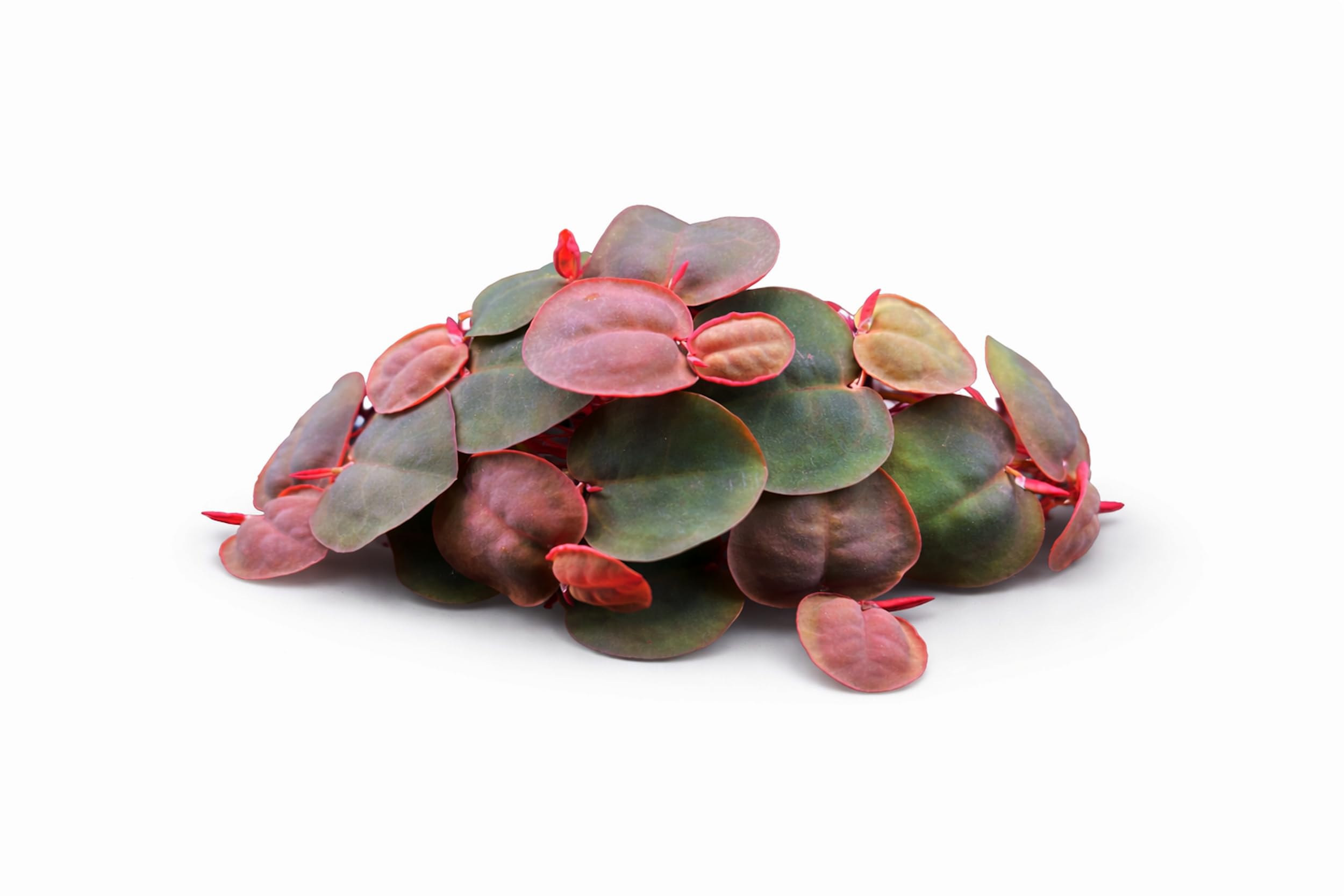
The Red Root Floater from Midnight Glo arrives with vibrant red roots that immediately add colour contrast against green leaves. At 80+ leaves per portion, you get enough biomass to cover a 10-gallon surface without waiting weeks for propagation. The roots are soft and feathery, making them completely safe for betta fins—no sharp threads to snag on.
Verified owners consistently praise the packaging quality; shipments from California to South Carolina arrived with bright, undamaged foliage. The plant thrives under low to moderate light, but cranking up the intensity deepens the red hue significantly. It is also snail-free, so you avoid unwanted hitchhikers that plague some live plant orders.
The growth rate is moderate compared to salvinia—you will not need to thin it every week, but it still multiplies fast enough to outcompete algae once established. The 1cm leaf height keeps the surface open for your betta to reach air. A small number of buyers reported receiving fewer leaves than advertised, but the majority confirm the count is accurate.
Why we love it
- Vibrant red roots create striking visual contrast
- Soft, feathery roots are betta-fin safe
- Snail-free packaging with live-arrival guarantee
Good to know
- Needs moderate to high light for deep red colour
- Leaf count may vary slightly from listing
2. Aquarigram Floating Plant Combo Pack

This combo pack bundles Amazon Frogbit, Red Root Floater, Dwarf Water Lettuce, and Water Spangles into a single order, giving you a head start on a diverse surface ecosystem. Each species offers a different root structure and leaf shape, so you can observe which one your betta interacts with most before committing to a full tank of one type.
Bulk buyers appreciate the convenience of getting four proven floaters without placing separate orders. The plants arrived healthy in nearly all reported cases, with no snails or pest algae attached. The Frogbit has the longest drooping roots (up to 6 inches), which some bettas love to swim through, while the Water Spangles form a tighter mat for maximum surface coverage.
The main trade-off is quantity per species—you receive just 2-3 portions of each, which is enough to start a 5-gallon but may feel skimpy for larger tanks. A few buyers noted that the Water Lettuce melted quickly after arrival, likely from shipping stress, though the other three species usually recover.
Why we love it
- Four species in one order for surface diversity
- Snail-free and pest-free on arrival
- Self-multiplying plants spread without replanting
Good to know
- Only 2-3 portions per species
- Water Lettuce may melt during shipping
3. 60+ Leaves Water Spangles (Salvinia Minima)
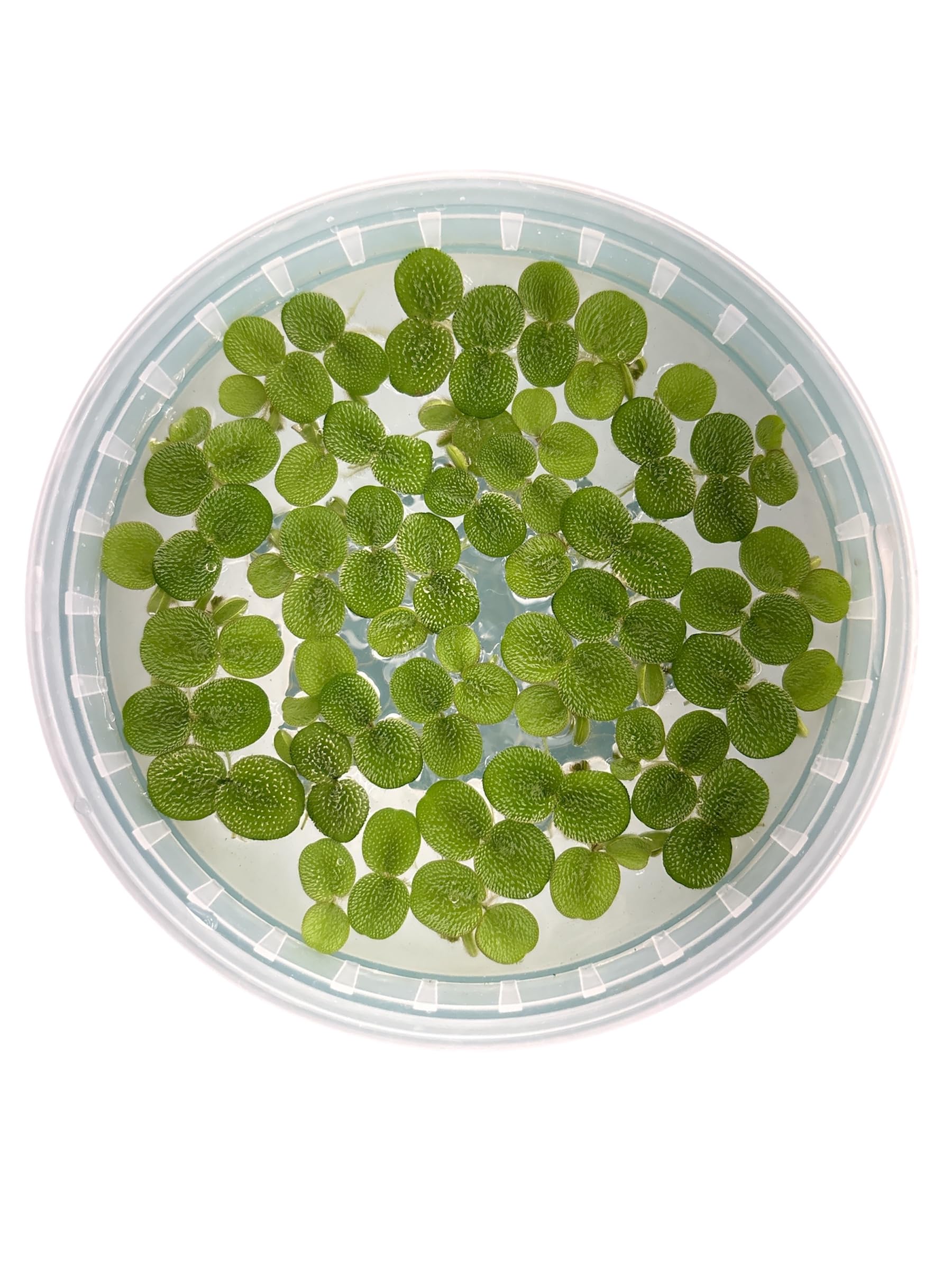
Salvinia Minima, sold as Water Spangles, forms a dense, low-profile mat that sits flush against the water surface. The tiny round leaves cluster together, blocking light penetration so effectively that green algae struggles to establish. This is the plant to choose if your betta tank suffers from chronic hair algae blooms.
Verified owners consistently report healthy, pest-free arrivals with visible new growth within five days. The plant tolerates both freshwater and brackish setups, making it adaptable if you ever switch tank conditions. Its compact size means it won’t overshadow hardscape or stem plants—it stays low and uniform.
The primary maintenance requirement is weekly thinning; Salvinia multiplies so aggressively that it can cover the entire surface in two weeks. You must leave open gaps for your betta to breathe. Some buyers noted that extreme summer heat (above 90°F) during shipping caused rot, so check local temperatures before ordering.
Why we love it
- Dense mat starves out green algae effectively
- Arrives clean, green, and snail-free
- Thrives in medium to high lighting
Good to know
- Requires weekly thinning to prevent full coverage
- Heat-sensitive during shipping above 90°F
4. Aquarigram Giant Duckweed (60+ Leaves)

Giant Duckweed (Spirodela polyrhiza) is the fastest-growing floater in this lineup, capable of doubling its biomass in under a week under moderate light. Each 60+ leaf portion expands rapidly, making it the cheapest way to achieve near-total surface coverage in a betta tank. The bonus mystery plant adds a little variety to your order.
Many verified owners report the plants arrived green, healthy, and free of yellowing, with strong root development within days. The full-shade tolerance means it works under low-light hoods where other floaters would stretch and pale. It also absorbs ammonia and nitrates aggressively, keeping your water parameters stable.
The downside is inconsistency: some shipments arrive with minimal roots and broken leaves, and a small number of buyers reported complete die-off within a week. Duckweed is also notorious for being impossible to remove once established—every tiny fragment can regrow. If you decide later you want an open surface, eradicating it is a project.
Why we love it
- Fastest multiplication for nitrate absorption
- Tolerates full shade and low-light tanks
- Budget-friendly with a bonus plant included
Good to know
- Inconsistent arrival quality from shipping stress
- Extremely difficult to remove once established
5. Aquarigram Dwarf Water Lettuce (12+ Leaves)

Dwarf Water Lettuce (Pistia stratiotes) produces rosettes of velvety light green leaves with long, flowing roots that hang 4-6 inches into the water column. These roots create natural hiding spots for bettas and provide grazing surfaces for shrimp. The plant handles full sun exposure well, making it suitable for tanks positioned near windows.
Buyers frequently note that the plants arrive in good condition even during cold shipping, with most recovering quickly after a few days in the tank. The self-multiplying nature means a 12-leaf starter can cover a 10-gallon surface within a month under moderate light. The roots also trap fine particles, acting as a mechanical filter.
The main complaints revolve around quantity inconsistency—some orders contained only 8 leaves instead of 12, and a few arrived with no roots at all. Water Lettuce is also sensitive to high current; if your filter outflow is strong, the leaves may cup and tilt, preventing proper nutrient uptake.
Why we love it
- 4-6 inch roots create excellent betta cover
- Velvety leaf texture adds visual depth
- Tolerates full sun for window-side tanks
Good to know
- Quantity may arrive slightly below advertised
- Sensitive to strong water current
FAQ
Will floating plants block too much light for my other aquarium plants?
Why are my floating plants turning yellow or melting after arrival?
Can I put floating plants in a betta tank with a strong filter?
Final Thoughts: The Verdict
For most betta keepers, the best floating plants for betta fish winner is the Midnight Glo Red Root Floater because its soft, vibrant roots are completely fin-safe and it thrives under low light while still developing striking red colour. If you want maximum nitrate control with minimal cost, grab the Water Spangles. And for hobbyists who love surface diversity, nothing beats the Aquarigram Combo Pack for getting four species established in one shot.