
Adding a liquid fat source to your horse’s diet is one of the fastest ways to influence coat condition, joint comfort, and body condition score, but the wrong oil can create more inflammation than it cures. Selecting a supplement that delivers a proper ratio of Omega-3 fatty acids—without tipping the scales toward pro-inflammatory Omega-6s—is the critical difference between a dull, brittle coat and a deep, dappled shine.
I’m Mo Mahin — the founder and writer behind Furric. My approach to ranking equine oils involves cross-referencing fatty acid profiles, analyzing palatability reports from large owner communities, and checking for third-party certifications that validate purity and freshness.
After sorting through the top commercial options, I’ve put together a practical guide to the most effective oil for horses that prioritizes real results in coat quality, digestive ease, and overall metabolic health.
How To Choose The Best Oil For Horses
Not all oils are created equal when it comes to equine digestion and coat response. The key is understanding which fatty acids your horse actually needs, how the oil was processed, and whether it includes protective antioxidants to prevent spoilage.
Fatty acid profile — Omega-3 vs. Omega-6
Horses evolved on a diet of fresh grass, which is rich in Omega-3s. Commercial grain-based feeds are heavy in Omega-6s, creating an imbalance that can drive systemic inflammation. A top-tier oil should have a high concentration of Omega-3 (especially EPA and DHA) and a low concentration of Omega-6. Camelina, salmon, and flax-based oils score well here, while straight corn oil is essentially pure Omega-6 and should be avoided for long-term health.
Processing method — cold-pressed vs. solvent-extracted
Cold-pressed oils retain more of their natural antioxidants and fatty acid integrity because they are not exposed to high heat or chemical solvents. Solvent-extracted oils, common in cheap bulk vegetable oils, often arrive already oxidized. Look for terms like “expeller-pressed,” “cold-pressed,” or “unrefined” on the label. If the oil smells like old cooking grease or fish that’s past its prime, it is already rancid and can cause more harm than good.
Added vitamin E — a non-negotiable stabilizer
Polyunsaturated oils oxidize quickly. Without adequate natural or added vitamin E (tocopherols), the oil becomes pro-inflammatory inside the horse’s body. The best equine-specific oils include vitamin E as a preservative and a nutritional booster. This is especially important for horses on hay-only diets, which are naturally low in vitamin E, making the oil’s E content a meaningful contribution to hoof strength and muscle recovery.
Quick Comparison
On smaller screens, swipe sideways to see the full table.
| Model | Category | Best For | Key Spec | Amazon |
|---|---|---|---|---|
| SmartEquine CocoSoya Oil | Liquid Oil | Overall coat shine & weight gain | Omega 3,6,9 blend + added Vitamin E | Amazon |
| Pets Purest Salmon Oil | Liquid Oil | High Omega-3 DHA/EPA content | 100% Wild Salmon Oil + Vitamin E | Amazon |
| Canpressco Camelina Oil | Liquid Oil | Balanced Omega 3-6-9 for joint & skin | Cold-pressed Camelina, 500 ml | Amazon |
| Manna Pro Sho-Glo Supplement | Pellet | Complete vitamin/mineral + coat support | 5 lb pellet, NASC Certified | Amazon |
| Farnam Rain Maker Hoof Moisturizer | Topical | Hoof hydration & crack prevention | 32 oz, Neatsfoot Oil base | Amazon |
In‑Depth Reviews
1. SmartEquine CocoSoya Oil
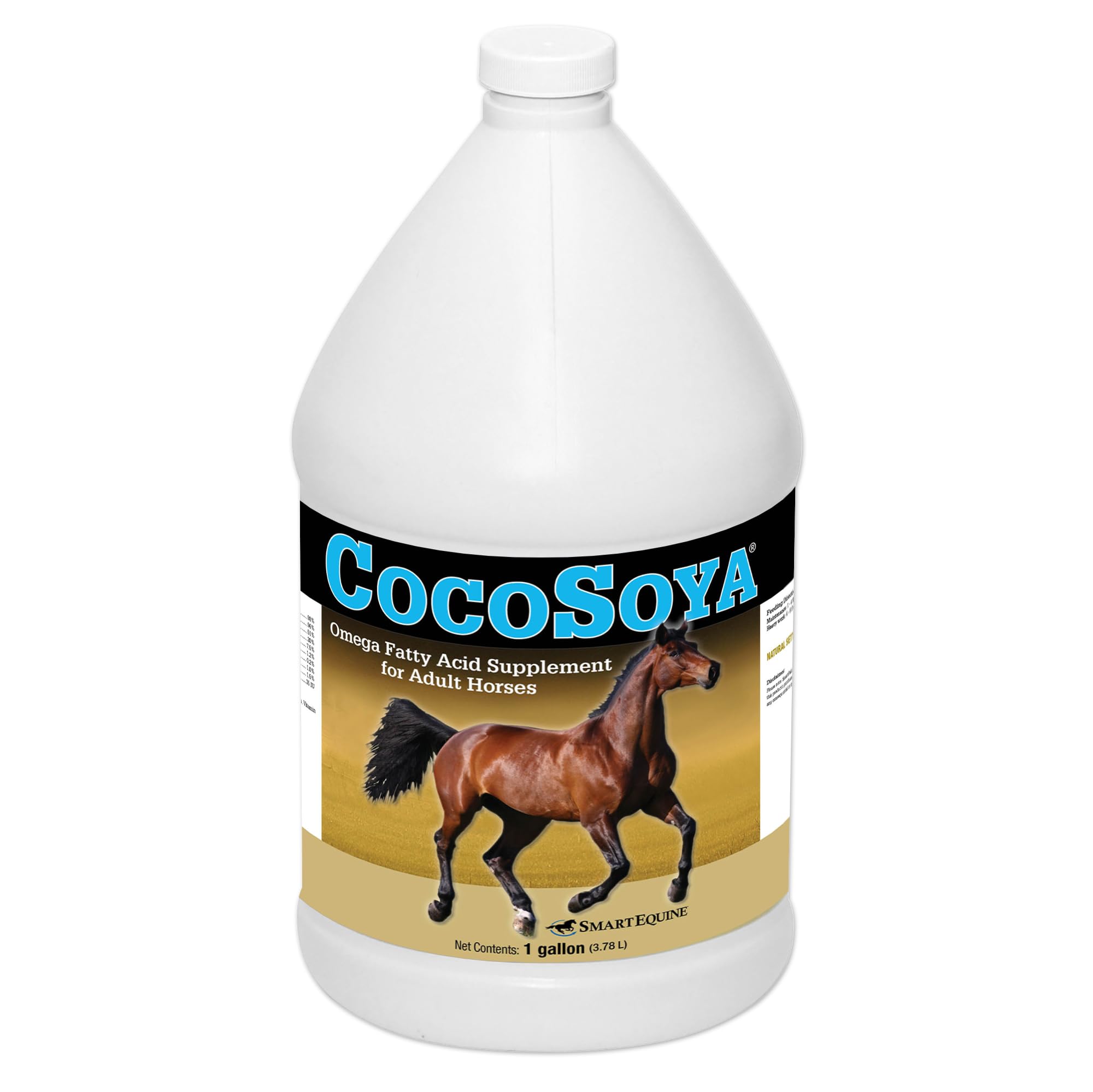
This one-gallon jug has built a loyal following among show riders and breeders for a simple reason: it reliably produces deep dapples and a mirror-like shine within weeks. The unique blend of soybean and coconut oils delivers a balanced fatty acid profile of Omega 3, 6, and 9, with added vitamin E acting as a stabilizer and a metabolic booster. At 4 ounces per day, a single jug provides roughly a month of supplementation for a 1,200-pound horse.
Owner reviews highlight that picky eaters accept CocoSoya readily—a crucial advantage when you need to maintain weight on a hard keeper or mask oral medications. The coconut oil component also appears to soothe sensitive digestive tracts, with several owners reporting less gassiness and more consistent manure quality compared to straight soybean or corn oil. The thick consistency settles less at the bottom of the jug than cheaper store brands, meaning less waste per container.
One Warmblood owner on a low-hay region noted the added vitamin E was a major perk, as their local forage tested deficient in the vitamin. While the price per gallon is higher than generic vegetable oil, the palatability and coat response make it a premium option that delivers visible returns. For owners aiming at show-ring condition or rapid weight improvement, this is the most consistent performer in the lineup.
Why we love it
- Produces rapid coat shine and dapples
- High palatability even for fussy horses
- Vitamin E content supports hoof health
Good to know
- One-gallon jug is heavy to pour
- Higher price per ounce than single-source oils
2. Pets Purest Salmon Oil

This salmon oil delivers the highest concentration of EPA and DHA among the oils reviewed here—the two long-chain Omega-3s most directly responsible for reducing systemic inflammation. For horses with arthritis, heaves, or skin allergies, this translates into measurable relief. The 32-ounce bottle is marketed primarily for dogs and cats, but the ingredient list is 100% pure wild salmon oil with natural tocopherols, making it safe and effective for equine use at appropriate doses (typically 2–4 ounces per day).
Multiple dog and horse owners report that the strong sardine-tuna odor tells you the oil is fresh, not rancid, and that their animals lick it from the bowl before touching the rest of the meal. One reviewer noted a Corgi’s fur softened within days, which aligns with the rapid Omega-3 absorption seen in monogastric animals. For horses specifically, the anti-inflammatory benefits are most noticeable in older animals stiff after turnout or those with dry, flaky skin along the mane and tail.
The pump dispenser is convenient for measuring but inconsistent—some owners report it spits or clogs. Given the affordable price per ounce compared to many equine-labeled salmon oils, this is a smart budget-friendly way to inject high-quality marine Omega-3s into your horse’s diet. Just be prepared to transfer the oil to a sturdy glass container if the plastic bottle’s pump becomes unreliable over time.
Why we love it
- Exceptionally high EPA/DHA content
- Low price per ounce for real salmon oil
- Added vitamin E preserves freshness
Good to know
- Pump dispenser can be messy and inconsistent
- Strong fish smell may be off-putting to some owners
3. Canpressco Camelina Oil
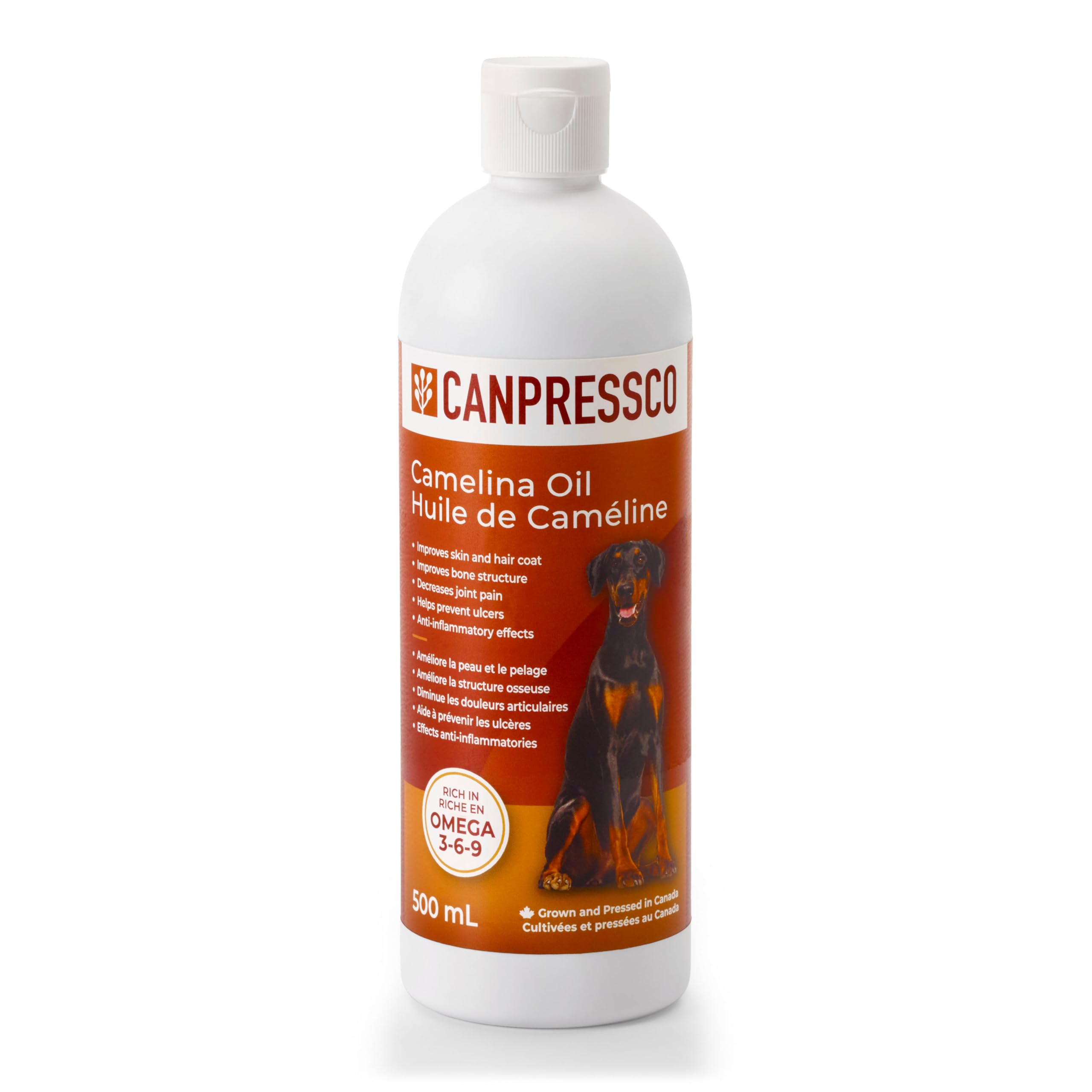
Camelina oil is one of the few plant-based oils that naturally achieves an excellent Omega-3 to Omega-6 ratio—roughly 2:1 in favor of Omega-3. That makes it a compelling alternative to fish oil for owners who want to avoid marine sources or who need an oil with a longer shelf life. Canpressco sources and presses their camelina in Canada, and the 500 ml bottle includes natural vitamin E, which the brand claims supports a two-year shelf life.
Owner feedback is consistent: reduced scratching in dogs and horses, softer fur or coat texture, and improved joint comfort in older animals. One rat terrier owner described a coarse coat turning soft and glossy, and a pony owner saw weight gain and condition improvement in a 30-year-old animal within weeks. For horses specifically, camelina’s anti-inflammatory effects on arthritic joints are comparable to flax oil, but with a milder taste that animals accept more readily.
The main drawback is the bottle design—several reviews mention oil leaking from the cap threads during shipping or storage. The 500 ml size is also small for daily equine use; you’ll need to buy multiple bottles per month for a full-sized horse. If you’re looking for a pure, cold-pressed, land-based oil for a smaller equine or a pony, this is an excellent option, but be prepared to store the bottle upright and consider decanting into a leak-proof container.
Why we love it
- Excellent Omega-3 to Omega-6 ratio
- Long shelf life with natural vitamin E
- Mild taste, high palatability
Good to know
- Small bottle size for equine daily dose
- Cap design prone to leaking
4. Manna Pro Sho-Glo Supplement
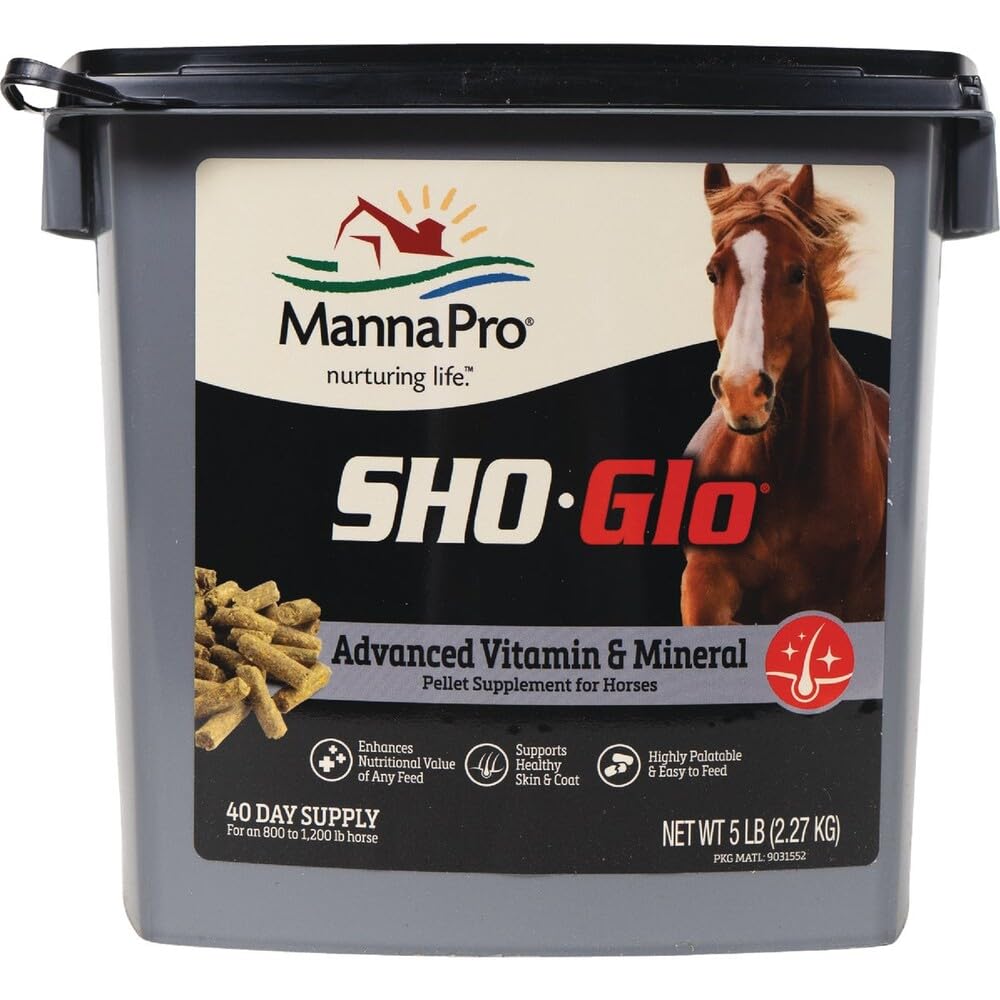
This product takes a fundamentally different approach: rather than adding pure fat, it provides a complete vitamin and mineral pellet designed to support coat health from the inside out. At 5 pounds, it’s not an oil in the traditional sense, but it belongs on this list because it addresses the underlying nutritional gaps—biotin, zinc, copper, and methionine—that control hair follicle strength and hoof quality. The NASC certification adds a layer of quality assurance that many straight oils lack.
Long-term users report noticeable improvements in hoof density and sole thickness, with one owner stating that a horse who lost condition after illness regained weight and had significantly stronger hooves within two months. Picky eaters accept the pellets readily, often by hand, and the formula works synergistically with biotin supplements for horses prone to cracked hooves or shelly walls. The winter coat quality improvement is consistent across reviews, with horses displaying a healthier, less static-y shine.
The primary drawback is the lid design—it pops off easily during shipping, and several reviewers received their container with pellets spilled inside the box. The pellets also don’t stick well to dry grain, so soaking them briefly or mixing with a moist feed is recommended to avoid waste. For owners who prefer a non-liquid supplement or want a multi-mineral approach alongside a separate oil, this is a reliable mid-range workhorse.
Why we love it
- Comprehensive vitamin/mineral profile
- NASC certified for quality control
- Improves both coat and hoof condition
Good to know
- Lid can pop open during shipping
- Pellets may need soaking to reduce waste
5. Farnam Rain Maker Triple Action Hoof Moisturizer
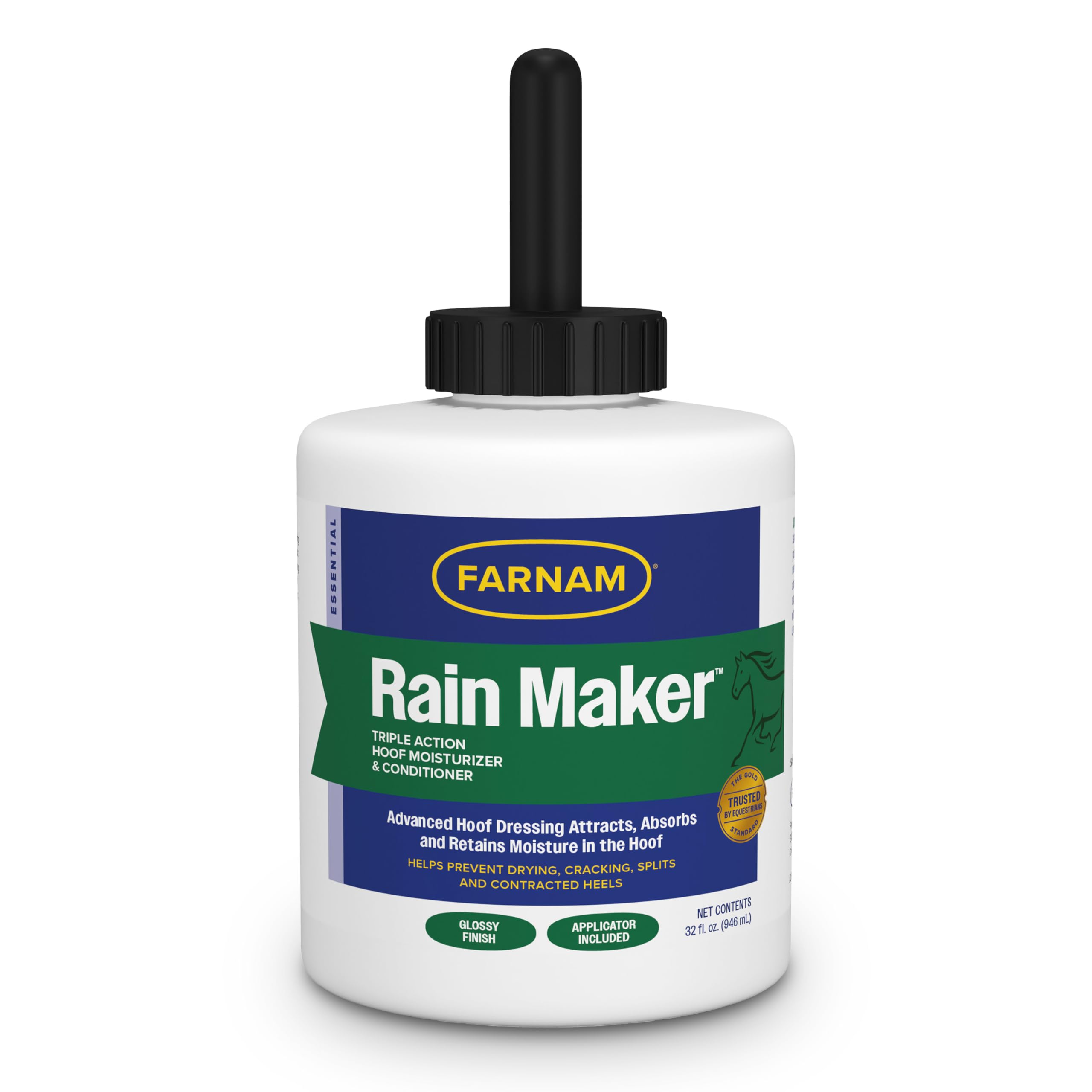
This is the only non-ingestible product in the lineup, but it addresses a critical aspect of equine oil use: topical hoof hydration. The triple-action blend of neatsfoot oil, petrolatum, and glycerine works to attract, absorb, and retain moisture in the hoof wall, preventing the cracks, splits, and contracted heels that plague horses in dry climates or dusty paddocks. The built-in brush makes application straightforward—just brush on as needed after cleaning the hoof.
Equine podiatrists frequently recommend this product for horses recovering from hoof punctures or abscesses, as it helps restore moisture balance without trapping bacteria. One review noted that mud slides right off treated hooves after rinsing, which is a practical advantage during wet turnout. The consistency is thick and stays in place, but it becomes too stiff to spread easily at temperatures below 40°F—store it in a heated tack room during winter.
The pine-like scent is traditional and familiar to longtime horse owners, though a few reviewers found it strong. For maximum effectiveness, apply after soaking the hoof in water to lock the moisture in. It won’t fix a nutritional deficiency, but for horses whose hooves look dry, chipped, or brittle despite a good diet, this topical treatment provides immediate cosmetic and structural improvement. It’s a complementary product, not a replacement for internal oil supplementation.
Why we love it
- Vet-recommended for hoof moisture balance
- Thick consistency stays on the hoof wall
- Built-in brush for easy application
Good to know
- Too thick to apply below 40°F
- Strong traditional scent, not for scent-sensitive owners
FAQ
Can I feed my horse straight corn oil for a shiny coat?
What is the maximum daily dose of oil for an adult horse?
Can I use a topical hoof oil like Farnam Rain Maker on a cracked hoof?
Do pellet supplements like Manna Pro Sho-Glo work if I already feed oil?
How quickly will I see a change in my horse’s coat after adding oil?
Final Thoughts: The Verdict
For most owners, the oil for horses winner is the SmartEquine CocoSoya Oil because it delivers the most reliable coat shine and weight gain across a wide range of breeds and diets, with excellent palatability. If you want the highest Omega-3 dose for an older horse with joint stiffness or allergies, grab the Pets Purest Salmon Oil. And for a land-based, cold-pressed option with a long shelf life that works well for ponies or sensitive stomachs, nothing beats the Canpressco Camelina Oil.