
Cheap birdseed mixes are often packed with red milo, cracked corn, and wheat that ducks simply refuse to eat, leaving you with a soggy, moldy mess on the ground and a flock that flies past your feeder. The secret to keeping ducks healthy and coming back is a single-ingredient, high-protein grain they actually digest: white proso millet.
I’m Mo Mahin — the founder and writer behind Furric. I’ve spent years dissecting the nutritional profiles of wild bird feeds, cross-referencing customer reliability reports, and studying how different grains impact waterfowl foraging behavior to build this guide.
Whether you’re raising domestic flocks or managing a pond, the best millet for ducks delivers the protein and fiber waterfowl need without the fillers that waste your money and pollute the habitat.
How To Choose The Best Millet For Ducks
Ducks are foraging birds that prefer a small, round grain they can swallow whole and digest quickly. White proso millet fits that bill perfectly, but not all bags of millet are created equal. Stick to these criteria when selecting a bag for your flock.
Look for White Proso Over Red Millet
Red millet has a tougher hull that many ducks find unappealing or difficult to digest, leading to a pile of wasted seed under the feeder. White proso millet has a thinner husk, higher palatability, and a protein content around 12%, making it the preferred choice for waterfowl. If the bag doesn’t specify “White Proso,” consider it a risky gamble.
Check for Contaminants and Fillers
Bulk millet can arrive with stems, chaff, dirt, or even insect casings. Quality producers vacuum-clean or screen their seed to remove this debris. A clean bag means less waste in your feeder and fewer foreign materials entering a duck’s digestive tract. Customer reviews frequently note whether a product arrives “dust-free” or “full of debris.”
Prioritize Resealable Packaging for Moisture Control
Millet is a dry grain that spoils quickly when exposed to humidity or rain. A resealable bag helps maintain low moisture levels between refills, preventing mold growth that can make ducks sick. If you buy in bulk, plan to transfer the seed to a sealed metal or heavy-duty plastic container stored in a cool, dry shed.
Quick Comparison
On smaller screens, swipe sideways to see the full table.
| Model | Category | Best For | Key Spec | Amazon |
|---|---|---|---|---|
| Valley Farms White Millet | Mid-Range | Millet purity & painted buntings | 12% protein, 8% fiber | Amazon |
| KAYSO INC White Proso Millet | Mid-Range | Bulk value & mushroom growers | 10 lb, naturally grown | Amazon |
| Ernst Grain Wildlife Mix | Mid-Range | Multi-species feeding | 5 grain blend | Amazon |
| prdseed White Proso Millet | Premium | Duck-specific feeding | 10 lb, additive-free | Amazon |
| Olympus Myco White Proso Millet | Premium | Freshness & resealability | 10 lb, resealable bag | Amazon |
In‑Depth Reviews
1. Valley Farms White Millet Wild Bird Seed
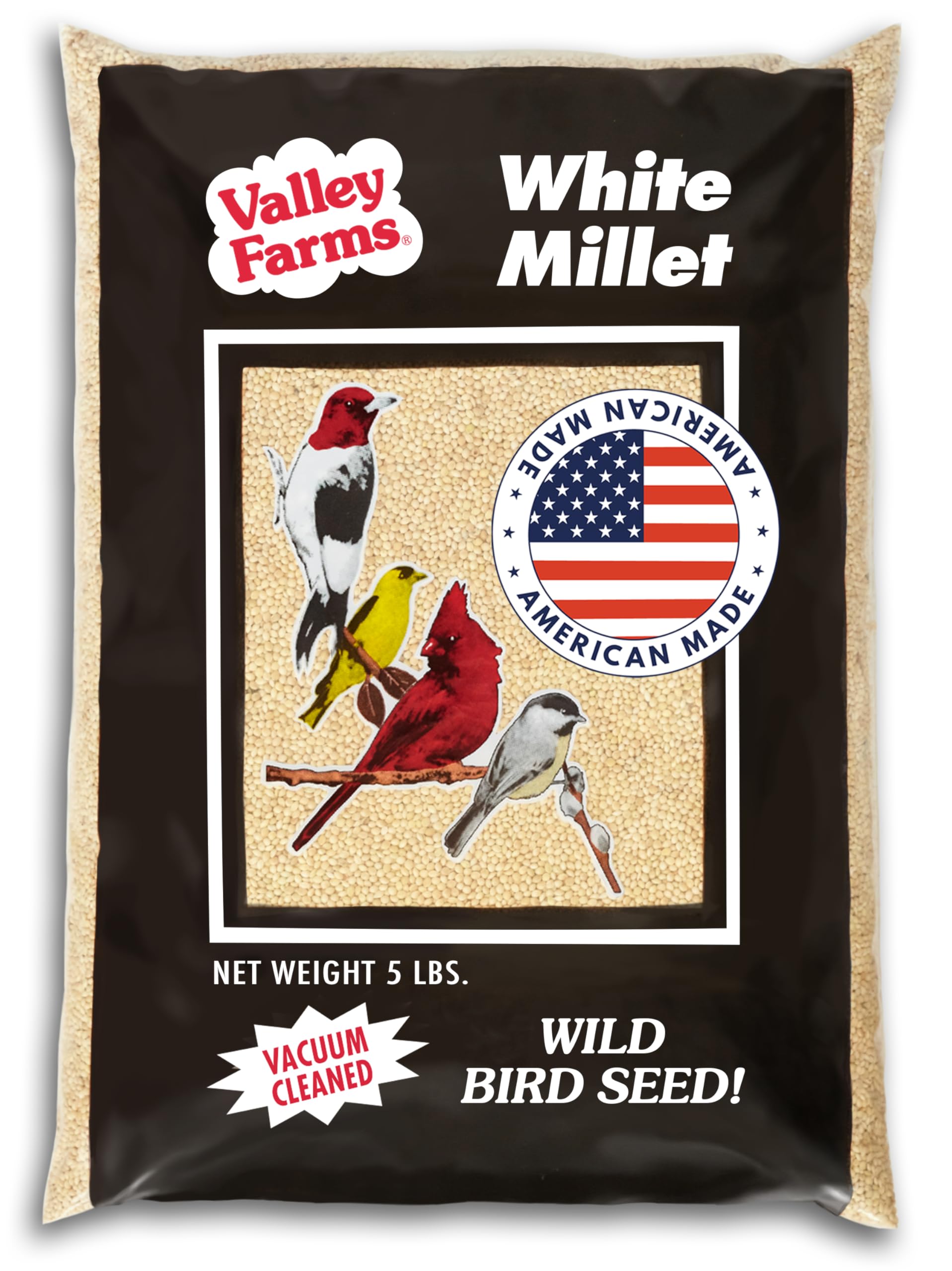
Valley Farms hits the exact nutritional sweet spot for ducks with 12% protein and 8% fiber in a vacuum-cleaned white millet that produces very little hull debris. Customer reviews consistently praise the lack of stems or dirt — one buyer noted it was “clean, no fillers like milo,” a common contaminant ducks avoid. The 5-pound bag is a manageable size for a small home flock or a pond-side feeder that doesn’t get used daily.
The thin husks of this white proso millet blow away easily in the wind, which means less rot and mold accumulation on wet ground where ducks typically feed. This is a family-owned operation based in the USA, so you’re supporting a small business while getting a single-ingredient grain that waterfowl digest readily. A reviewer trying to attract painted buntings reported that even when buntings didn’t show, “a lot of starlings and other small birds” devoured the seed quickly.
The only downside noted by a few buyers is the per-pound cost, which runs higher than bagged mixes from big-box retailers. However, the lack of filler weight (no milo, no corn) means every bite that comes out of the bag is edible to ducks. If you want a pure, reliable white millet that keeps your flock eating clean with zero filler waste, this is the pick.
Why we love it
- Vacuum-cleaned for minimal dust and debris
- High 12% protein content supports healthy duck growth
- Thin hulls reduce ground mess and mold risk
Good to know
- 5-pound bag runs out fast with a large flock
- Pricier per pound than multi-grain mixes
2. KAYSO INC Premium White Proso Millet Bird Seed Feed

KAYSO INC delivers a 10-pound bulk bag of all-natural white proso millet grown and harvested in the United States with no preservatives or additive agents. At 10 pounds, this is the point where bulk-buy savings start to outweigh the convenience of smaller bags — a practical choice for duck owners who go through seed quickly. Customer reviews confirm the seed is fresh and free of contaminants like stems or bugs, with one buyer calling it “consistently high quality over multiple purchases.”
The bag is tailored to attract indigo buntings, quail, pheasants, doves, and finches, but the same single-grain purity works perfectly for ducks. A reviewer who uses it for mushroom grain spawn reported “extremely clean millet” that hydrated evenly, which is a strong testament to the absence of debris that would normally interfere with moisture absorption. Birds appear to agree — multiple buyers mention their feeders empty faster with this seed than with store-brand mixes.
The main caution is that the bag is not resealable, so you’ll want to transfer the seed to an airtight container immediately after opening to prevent moisture intrusion in humid climates. A handful of buyers reported that some birds initially ignored the seed, but that could be due to feeder placement rather than seed quality. For sheer quantity of clean millet per dollar, KAYSO INC is a volume-friendly workhorse.
Why we love it
- Generous 10-pound bag at a competitive per-pound cost
- Consistently clean with no fillers or stems
- Grown and inspected in the USA
Good to know
- Bag lacks a resealable zipper closure
- Some flocks may need time to adapt to a new grain
3. Ernst Grain & Livestock Bird and Wildlife Feed
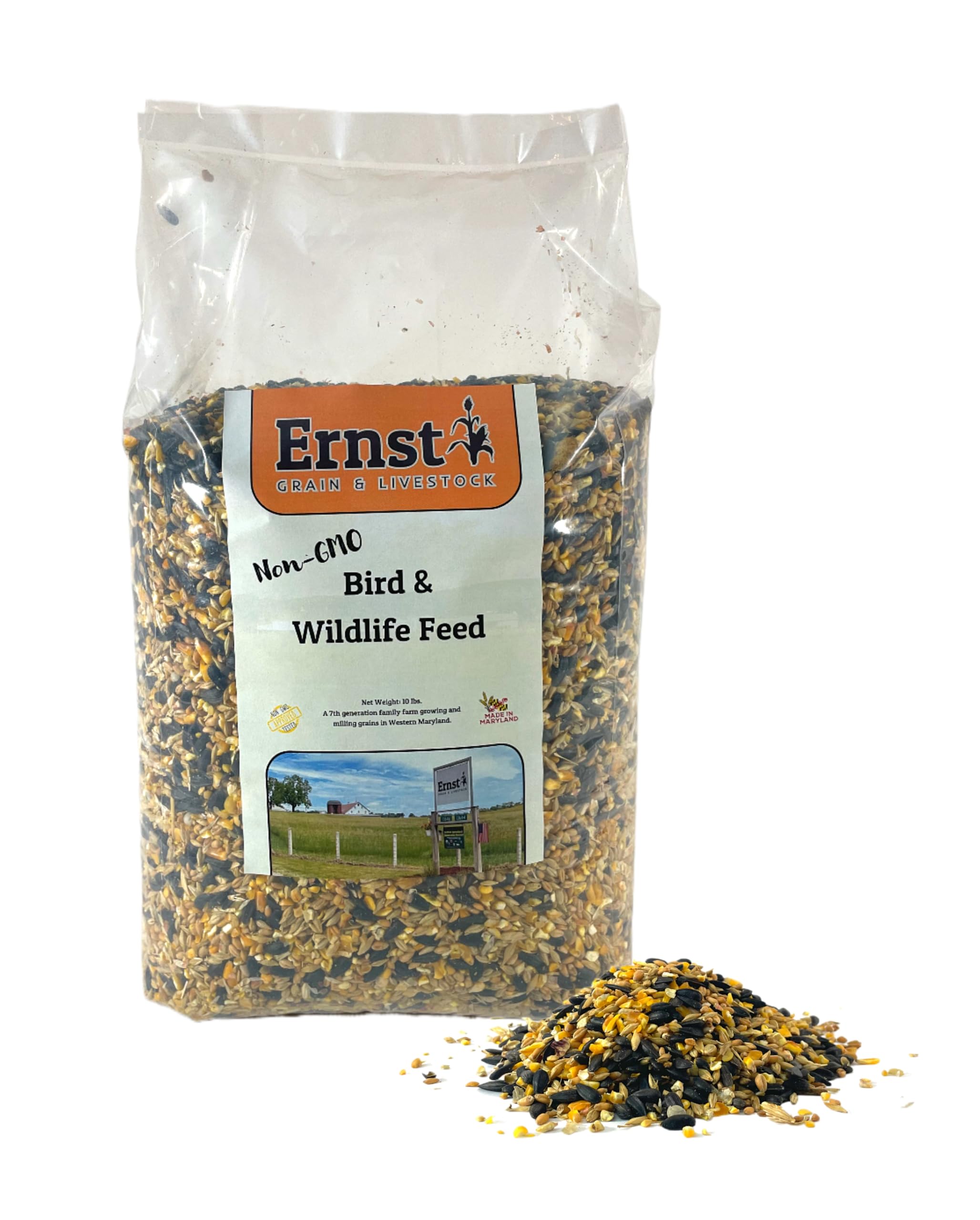
Ernst Grain’s blend combines corn, barley, wheat, black oil sunflowers, and roasted soybeans, making it a broader multi-species feed rather than a pure millet product. Ducks will happily pick out the smaller grains, especially the wheat and barley, but the whole-kernel corn and large sunflower seeds may be left behind if your flock prefers softer, smaller seeds. That said, buyers report that deer “prefer this over other brands” and that birds, squirrels, and turkeys all visit the same pile.
The 10-pound bag is formulated with Non-GMO ingredients and is designed for ground piles or open feeders — exactly the feeding style ducks favor. One long-time buyer noted it has “minimal corn” compared to Tractor Supply blends, which is a plus for duck owners because whole corn can pass through a duck undigested, providing little nutritional value. The roasted soybeans add a protein boost that helps offset the lower millet content.
If your goal is specifically a pure millet diet for ducks, this blend introduces too many variable grains to control what the flock actually consumes. However, if you manage a pond with a mixture of ducks, geese, turkeys, and deer, this is the most versatile option on the list. Customer satisfaction is strong overall, though a few buyers reported missing bags during shipping, so factor in potential delivery reliability concerns.
Why we love it
- Attracts ducks, deer, turkeys, and songbirds simultaneously
- Minimal corn content reduces undigested waste
- Non-GMO grain blend with roasted soybeans for protein
Good to know
- Not a pure millet product; ducks may avoid larger kernels
- Occasional shipping issues with missing bags reported
4. prdseed White Proso Millet Bird Seed

prdseed specializes in pure, single-ingredient white proso millet with no additives, no fillers, and no artificial treatments. The 10-pound bag is specifically advertised for small-breed birds — finches, sparrows, doves, and buntings — but the small grain size and soft hull make it equally ideal for ducks, who lap it up off the ground without issue. Customers note that the seed feels consistently fresh across multiple orders, with one buyer stating “no dust in the bag when you open it.”
The millet is sourced from American farms and packaged in-house, which gives it a shorter supply chain and fresher product compared to imported grain. A reviewer targeting painted buntings confirmed the birds flocked to it, suggesting the grain has high palatability across species. The main drawback is that the bag is not resealable, so you’ll need to store it in a sealed bin to avoid moisture spoilage, especially if you feed ducks near damp pond banks.
Some customers considered the price slightly elevated compared to local feed stores (/lb vs. /lb in one account), but they also noted the quality justified the premium. If you want a pristine, lab-tested-level white millet that ducks will clean up without leaving a pile of untouched grain, this is the premium choice.
Why we love it
- Absolutely pure white proso millet, no filler grains
- Minimal dust or hull debris upon opening
- Consistent quality across multiple purchases
Good to know
- Bag lacks a resealable closure
- Higher per-pound price than bulk store brands
5. Olympus Myco White Proso Millet Seed
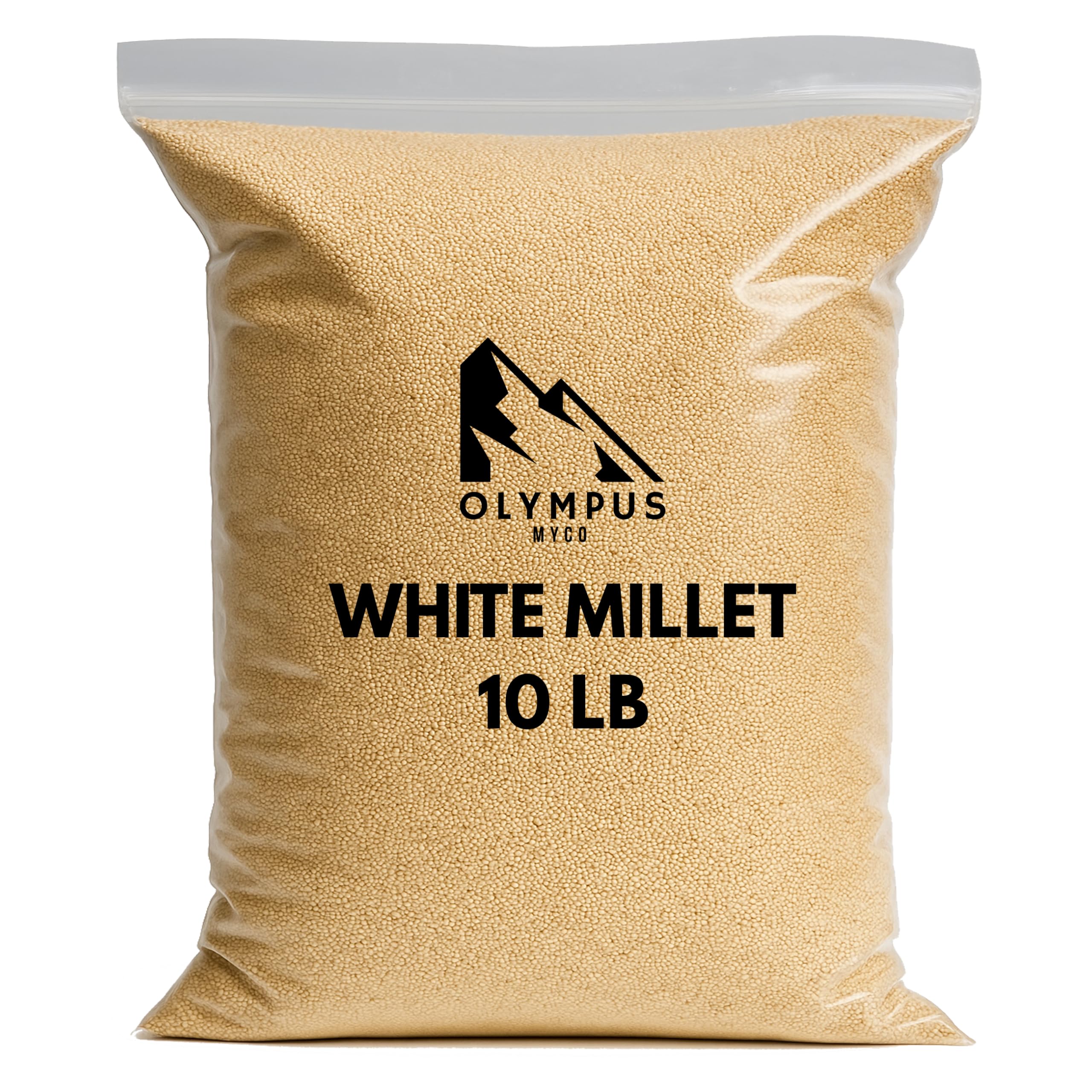
Olympus Myco markets this white proso millet for bird feed and mushroom grain spawn, which means it undergoes an extra level of scrutiny for cleanliness that directly benefits duck owners. The 10-pound bag is the only one on this list with resealable packaging, a small detail that makes a big difference for keeping the grain dry in humid environments. Ducks, cardinals, bluebirds, and buntings all reportedly go through it quickly, with one customer saying “the flying creatures do not throw this” — an indication of minimal waste.
The seed is naturally sourced from US farms, additive-free, and labeled gluten-free, so there’s no risk of cross-contamination with grains ducks shouldn’t eat. A buyer using it for mycology noted that the bag contained “hulled sunflower seeds and stems,” making it not 100% pure millet as advertised, though this appears to be an occasional quality variance rather than a consistent complaint. Most bird feeders report excellent grazing behavior and high palatability.
If you keep your feed in a damp shed or near a pond where humidity seeps into paper bags, the resealable feature alone makes this the smart buy. The minor inconsistency with stray hulled seeds is a trade-off for the convenience and freshness control. For duck owners who prioritize bag hygiene and ease of use, Olympus Myco is the most thoughtful packaging option on the market.
Why we love it
- Resealable bag protects against moisture and pests
- Gluten-free and additive-free for sensitive flocks
- High palatability reported across multiple bird species
Good to know
- Occasional batch includes stray hulled seeds or stems
- Not guaranteed 100% pure millet every bag
FAQ
Can ducks survive on just white proso millet?
Why does my duck refuse red millet but eat white millet?
How often should I replace millet in a ground feeder for ducks?
Final Thoughts: The Verdict
For most gardeners, the best millet for ducks winner is the Valley Farms White Millet because it offers a perfect balance of 12% protein, vacuum-cleaned purity, and thin hulls that leave almost no waste on your property. If you want pure bulk volume for a large flock, grab the KAYSO INC 10-pound bag. And for a moisture-protected resealable bag that stays fresh near damp ponds, nothing beats the Olympus Myco White Proso Millet.