
That sharp ammonia smell hitting you every time you open the coop door isn’t just unpleasant — it signals moisture and waste chemistry that, left unchecked, creates respiratory stress for your flock. Lime is the traditional pro-grade answer, but choosing the wrong type (hydrated vs. agricultural vs. dolomitic) directly impacts how fast it works, how often you reapply, and whether it actually neutralizes the nitrogen compounds causing the burn.
I’m Mo Mahin — the founder and writer behind Furric. I’ve spent hundreds of hours cross-referencing chemical composition data, application rates, and verified owner reports specific to poultry-house sanitation so you get the exact product that solves the coop ammonia problem without adding unnecessary dust or handling hazards.
Whether you’re freshening a small backyard hen house or managing a larger layer operation, the right best lime for chicken coops keeps bedding dry, bacteria in check, and your birds breathing easier season after season.
How To Choose The Best Lime For Chicken Coops
Picking the wrong lime type is the most common mistake new flock keepers make. Hydrated lime (“quicklime”) is caustic and must be used sparingly, while agricultural (calcitic) lime is slow but safe for direct contact with bedding. Dolomitic lime boosts magnesium along with calcium. Your choice depends on whether your priority is fast odor knockdown or gentle long-term pH maintenance inside the coop environment.
Hydrated Lime vs. Agricultural Lime vs. Dolomitic Lime
Hydrated lime is a high-calcium hydroxide powder that reacts fast with moisture and ammonia, delivering near-instant odor reduction — but it’s alkaline enough to irritate skin and lungs, so it requires careful dust control during application. Agricultural lime (calcitic limestone) works slower, is non-caustic, and is the safer daily-use option for deep litter systems. Dolomitic lime sits in the middle: slower than hydrated but adds magnesium, which is helpful if your forage or feed is already calcium-heavy but magnesium-poor.
Particle Size and Dust Generation
Fine powders disperse quickly and cover more surface area per pound, but they create airborne dust that can trigger respiratory issues in confined coops. Pelletized limes reduce airborne particles considerably, making them the better choice for small, enclosed spaces. If your coop has poor ventilation, prioritize a coarse granule or pellet form over a flour-like powder.
Application Method and Frequency
Dry sprinkling works for quick top-dressing of wet spots, while mixing lime directly into fresh bedding (or stirring it into the deep litter layer) provides even pH distribution. Expect to reapply hydrated lime every 7–14 days in active coops, agricultural lime every 3–6 weeks, and dolomitic lime roughly every 4–8 weeks depending on moisture and bird density.
Quick Comparison
On smaller screens, swipe sideways to see the full table.
| Model | Category | Best For | Key Spec | Amazon |
|---|---|---|---|---|
| Calcitic Lime 10lb Bag | Premium | Large coops, odor control + composting | 10 lb bulk, fine powder | Amazon |
| Bonide Hydrated Lime 5 lb | Mid-Range | Fast ammonia knockdown, egg preservation | 5 lb hydrated granules | Amazon |
| Walt’s Dolomite Lime 10 lb | Mid-Range | Soil pH correction, calcium+mag boost | 10 lb powder, high magnesium | Amazon |
| Encap Fast Acting Lime 2.5 lb | Budget | Small coops, spot treatment | 2.5 lb granules, 400 sq ft | Amazon |
| SouthernGRO Fast Acting Lime 4 lb | Budget | Small coop corners, lawn use | 4 lb pellets, 800 sq ft | Amazon |
In‑Depth Reviews
1. Calcitic Lime 10lb Bag

This 10-pound bag of micronized calcitic lime is the go-to for keepers who want a single product that handles both coop ammonia management and composting acceleration. The fine powder distributes easily across deep litter bedding, and its high calcium carbonate content (no added magnesium) makes it the safest choice for daily use without raising bedding pH to caustic levels. One bag covers a typical 6 × 8 foot coop through several application cycles.
Owner reports consistently highlight two real-world advantages: it breaks down leaf and manure layers in compost bins faster than untreated piles, and it keeps coop odors noticeably lower for three to four weeks between applications. The professionally sealed bag prevents moisture clumping during storage, which is critical because calcitic lime absorbs ambient humidity and loses effectiveness if left open.
Because the particle size is fine enough to cling to bedding fibers but not so fine that it floats heavily in the air, respiratory irritation during spreading is minimal compared to flour-like hydrated limes. For keepers practicing the deep litter method, this product provides the ideal balance of moisture wicking and pH buffering without overdosing on magnesium that might unbalance feed ratios.
Why we love it
- Large 10 lb bag provides great value for regular reapplication
- Non-caustic formula safe for direct contact with bedding and birds
- Accelerates composting of manure-soiled litter
Good to know
- Powder form can clump if stored in humid conditions
- Not as fast-acting as hydrated lime for immediate ammonia spikes
2. Bonide (BND978) Hydrated Lime Granules 5 lb

Bonide’s hydrated lime is the heavy lifter for coop owners dealing with a sudden ammonia surge or a wet spot that won’t dry. The granules react chemically with moisture and nitrogen compounds much faster than agricultural limestone — within 24 hours you typically notice a measurable drop in sharp odor. This formula also doubles as a traditional egg preservative mixture (water glassing) for keepers who want to extend fresh egg storage without refrigeration.
The 5-pound bag is sized realistically for a small to medium flock (around 6–12 birds) and goes a long way when sprinkled lightly over wet bedding rather than dumped. Because hydrated lime is more alkaline than calcitic lime, you should wear a dust mask during application and avoid letting birds walk through visible white powder piles. Spread evenly and then stir into the top inch of bedding for best results.
Multiple verified reviewers have successfully used this product for painting fruit tree trunks to deter pests, which speaks to its strong alkaline reactivity. For coop use, the granular form produces significantly less airborne dust than powder versions, making it the smarter choice for confined spaces where ventilation is limited.
Why we love it
- Neutralizes ammonia odors within 24 hours
- Granular form reduces airborne dust during application
- Versatile — also works for egg preservation
Good to know
- Caustic — must wear mask and keep birds away during spreading
- Needs reapplication more frequently (every 7–14 days)
3. Walt’s Dolomite Lime Powder 10 lb
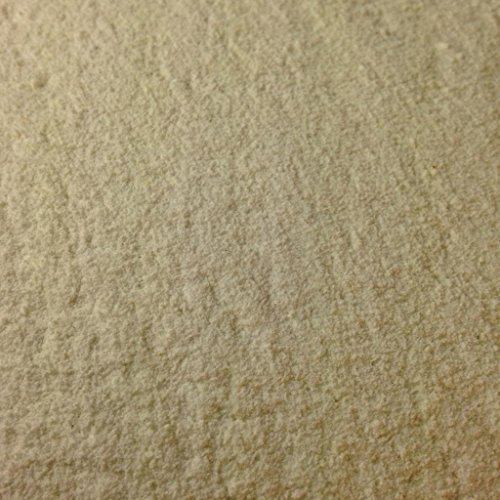
Walt’s Dolomite Lime stands apart because it delivers both calcium and magnesium carbonate, which makes it useful for keepers whose bedding pH is low but whose feed already provides adequate calcium. The flour-like consistency means it dissolves slowly into the bedding layer, offering sustained pH correction over several weeks rather than a single sharp spike. One tablespoon raised pH to 8.5 in a 65-gallon aquarium test, confirming its potency even in small ratios.
For coop application, the 10-pound bag is cost-effective for larger flocks or multiple coops, and the fine powder clings well to straw and pine shavings. Because dolomitic lime is less aggressive than hydrated lime, you can work it directly into the deep litter without worrying about caustic burns. Keepers who use this product typically report a steady reduction in ammonia smell over the first week rather than an instant knockout.
The magnesium content is a double-edged sword: beneficial if your soil or forage is magnesium-deficient, but unnecessary if your birds already receive balanced layer feed. Reviewers note that the powder clouds visibly during scooping, so a dust mask is still recommended, but the chemical safety profile is far gentler than hydrated options.
Why we love it
- 10 lb bag gives excellent longevity per application
- Slow-release action prevents pH overshoot
- Adds both calcium and magnesium to bedding ecology
Good to know
- Powder form creates visible dust — wear a mask
- Not ideal if you only need calcium (magnesium is extra)
4. Encap Fast Acting Lime 2.5 lb Pouch
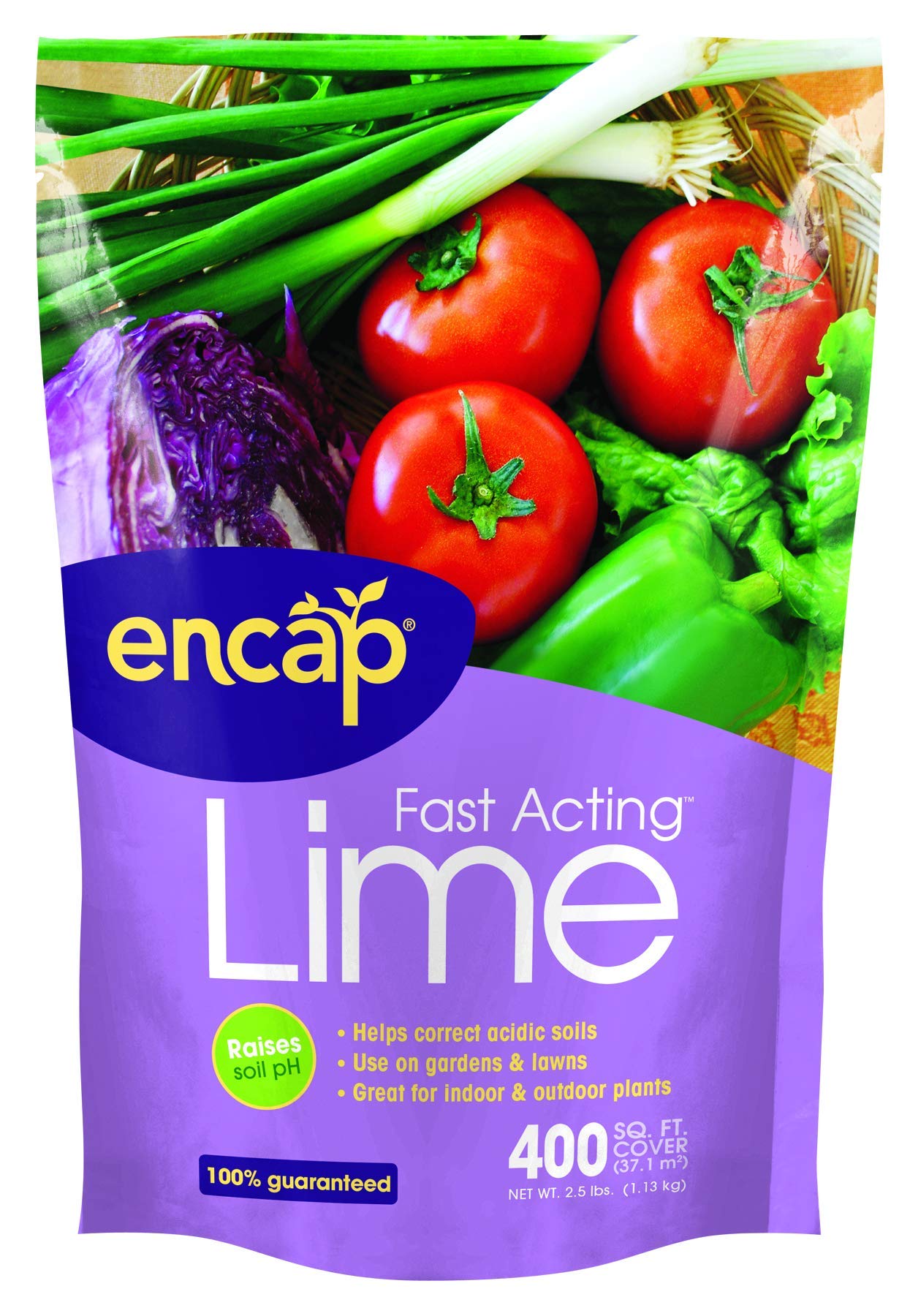
The Encap Fast Acting Lime is designed for small-scale use — the 2.5-pound pouch covers roughly 400 square feet, which matches a compact backyard coop or a dedicated run corner prone to wet spots. Its small, uniform granule size works quickly and provides more consistent coverage than coarser pellets, and you can apply directly from the pouch without a separate spreader. This makes it a practical entry-level choice for keepers with 3–5 birds.
Although it’s marketed as a lawn and garden lime for correcting soil pH and repairing urine spots, the same calcium carbonate chemistry works effectively on coop bedding. Several reviewers have used it to stop blossom-end rot in tomatoes and to accelerate pepper growth, confirming the calcium is bioavailable. For coop use, expect it to neutralize mild ammonia smells within days, though you’ll need to reapply more frequently than with a bulk bag.
The drawback is purely economic: per pound, the small pouch costs more than buying a 10-pound bag of generic agricultural lime. But for someone who wants a grab-and-go solution without storing a large open bag, the convenience and consistent granule size are worth the trade-off.
Why we love it
- Pouch format is easy to handle and store for small coops
- Uniform granules spread evenly without clumping
- Works faster than standard agricultural lime
Good to know
- Higher cost per pound compared to bulk bags
- 2.5 lb covers only a small area — frequent repurchase needed
5. SouthernGRO Fast Acting Lime 4lb Bag
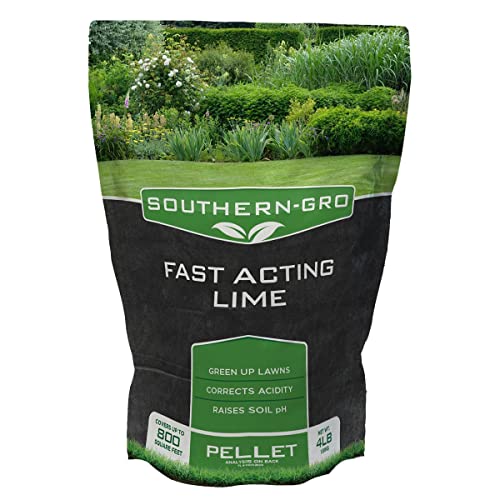
The SouthernGRO Fast Acting Lime comes in a 4-pound bag of pellets designed primarily for lawn greening and soil acidity correction, but its coverage capacity (800 square feet) makes it a functional option for keepers who want to treat a small coop and its run simultaneously. The pellet form produces almost no airborne dust, which is a major advantage when working inside a confined chicken house.
Because this is a calcitic lime (NPK ratio 1:0:0), it’s safe to use around birds without the caustic risk of hydrated products. Reviewers note it greens up grass quickly, which confirms the calcium is bioavailable and the pH shift is real. For coop use, sprinkle pellets directly over damp bedding and let moisture break them down over a few days — the slow dissolution means less shock to the bedding microbiome.
The main limitation is that the pellets are formulated for lawns, not specifically for high-moisture, high-ammonia environments, so you may need to apply more generously than with a specialized coop lime. For established deep litter systems where you just need a mild pH nudge, this bag gets the job done with minimal fuss and zero dust hazard.
Why we love it
- Pellet form eliminates airborne dust completely
- Large coverage (800 sq ft) per 4 lb bag
- Non-caustic and safe around birds
Good to know
- Pellets dissolve slowly — not for emergency odor control
- Lawn formulation may require higher application rates in coops
FAQ
Can I use any lime product inside a chicken coop?
How often should I reapply lime to coop bedding?
Will lime hurt my chickens if they eat it off the ground?
Final Thoughts: The Verdict
For most keepers, the best lime for chicken coops winner is the Calcitic Lime 10lb Bag because it delivers enough bulk for regular reapplication, works safely with deep litter systems, and accelerates composting of spent bedding. If you need fast ammonia knockdown after a wet spell, grab the Bonide Hydrated Lime. And for a small coop where you want to avoid dust entirely, nothing beats the low-fuss SouthernGRO Fast Acting Lime pellets.