
When a cat suffers from malabsorption, every meal becomes a gamble — the body fails to pull essential proteins, fats, and vitamins from the food, leading to chronic weight loss, poor coat quality, and relentless diarrhea. Standard grocery-store kibble only worsens the cycle by overwhelming an already compromised gut with indigestible fillers and complex carbohydrate chains. The right nutritional intervention hinges on highly digestible protein sources, controlled fiber levels, and prebiotic support that actually nourishes the intestinal lining rather than irritating it.
I’m Mo Mahin — the founder and writer behind Furric. I’ve spent years analyzing veterinary nutritional data, cross-referencing ingredient bioavailability studies, and tracking unsuppressed owner feedback across dozens of therapeutic diets to identify which formulations genuinely reverse the metabolic drain of feline malabsorption.
This guide breaks down the specific caloric density, fiber mechanics, and protein source profiles that matter most for cats with compromised digestive tracts, so you can confidently pick the best cat food for malabsorption without falling for clever marketing language that masks low-grade ingredients.
How To Choose The Best Cat Food For Malabsorption
Malabsorption is not a single disease — it stems from chronic enteropathy, exocrine pancreatic insufficiency (EPI), small intestinal bacterial overgrowth (SIBO), or inflammatory bowel disease (IBD). Each condition demands a slightly different ratio of soluble fiber, fat restriction, and protein hydrolysis. The following criteria help you match the food to the underlying digestive failure mode.
Identify the primary protein source and hydrolysis level
For malabsorption, the protein must be either a single novel meat (rabbit, venison, duck) or partially hydrolyzed to bypass immune recognition in the gut wall. Whole chicken or beef meals are common triggers that perpetuate inflammation. Check the ingredient panel for phrases like “hydrolyzed soy protein isolate” or named single-source animal protein without by-products. Diets scoring high in this area often produce firmer stool within 10 to 14 days.
Caloric density dictates meal volume
Malabsorption cats often can’t consume large volumes without vomiting or flooding the bowel. Look for a metabolizable energy value of at least 3,800 kcal/kg for dry foods and 950-1,200 kcal/kg for canned. A calorie-dense formula lets you feed smaller portions that are fully utilized, reducing the mechanical stress on a weakened digestive tract.
Fiber type and quantity
Mixed fiber sources — prebiotics (inulin, fructooligosaccharides) combined with moderate insoluble fiber (psyllium, beet pulp) — help normalize stool transit. Too much insoluble fiber can bind minerals and accelerate transit, worsening diarrhea in some cats. For constipation-predominant malabsorption (common in megacolon cases), psyllium-enhanced formulas at 6-8% crude fiber are ideal. For diarrhea-dominant cases, stick to 2-4% crude fiber with high prebiotic content.
Omega-3 fatty acid concentration
EPA and DHA from fish oil directly reduce intestinal inflammation at the cellular level. Aim for a diet with at least 0.2% EPA + DHA on a dry matter basis. This is especially critical for IBD-driven malabsorption where the gut lining is chronically inflamed and unable to form tight junctions between enterocytes.
Quick Comparison
On smaller screens, swipe sideways to see the full table.
| Model | Category | Best For | Key Spec | Amazon |
|---|---|---|---|---|
| Tiki Cat Solutions Digestion Mousse | Wet Mousse | Picky eaters, oral pain, hydration | 38% protein, pumpkin + prebiotics | Amazon |
| Royal Canin Digestive Care Dry | Dry Kibble | Vomiting, fast eaters, sensitive stomachs | Ring-shaped kibble, prebiotic blend | Amazon |
| Purina Pro Plan EN Gastroenteric Dry | Veterinary Dry | Nutrient absorption, GI conditions | 4.0 kcal/g ME, omega-3 fortified | Amazon |
| Hill’s i/d Digestive Care Wet | Prescription Wet | Acute digestive upset, stool quality | ActivBiome+, B vitamins, electrolytes | Amazon |
| Hill’s GI Biome Stress Dry | Veterinary Dry | IBD, stress-linked diarrhea, regular stool | ActivBiome+, hydrolyzed casein, high DHA | Amazon |
| Royal Canin GI Fiber Response Dry | Veterinary Dry | Constipation, megacolon, stool transit | Psyllium 8%, prebiotics, S/O Index | Amazon |
In‑Depth Reviews
1. Purina Pro Plan Veterinary Diets EN Gastroenteric Feline Formula Dry Cat Food
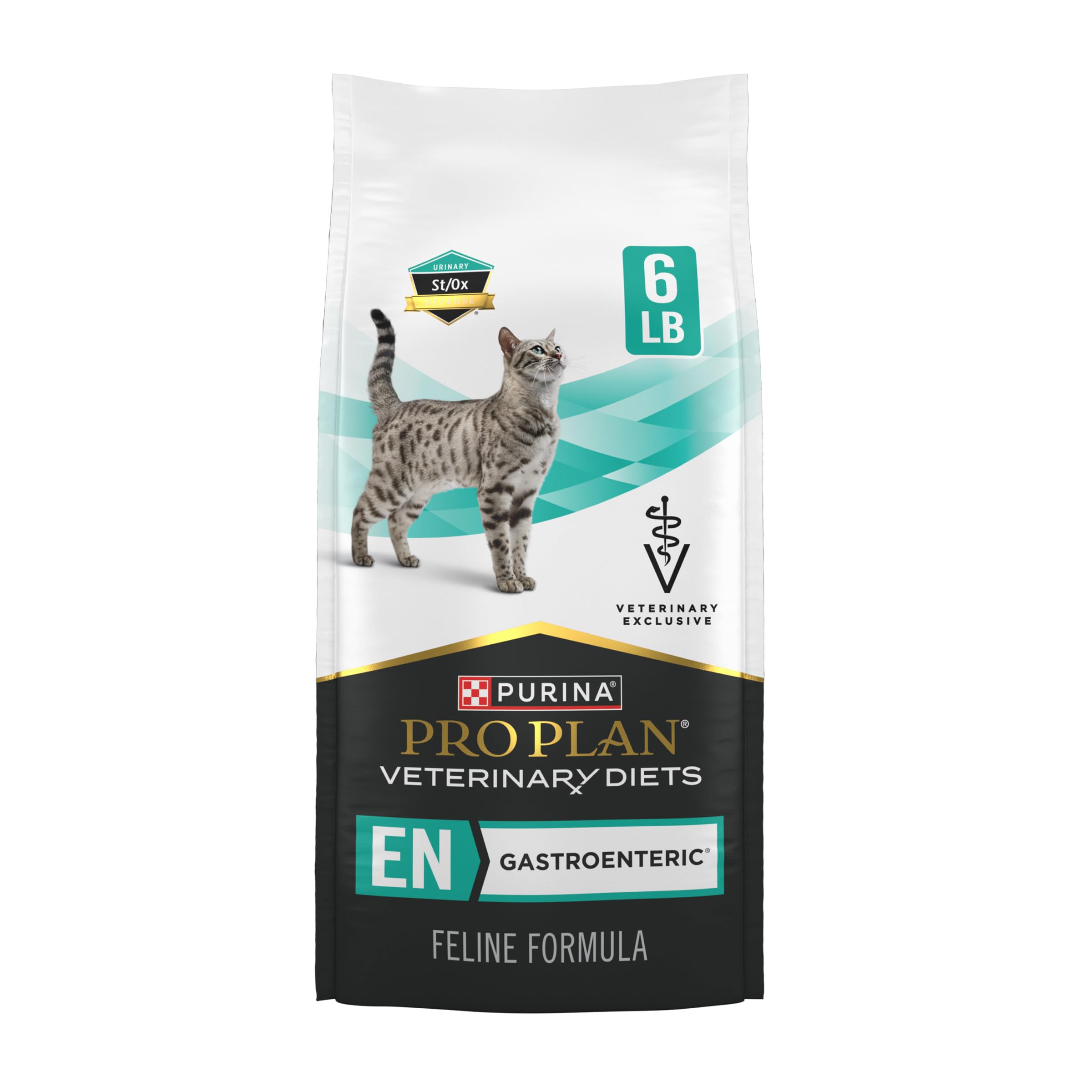
Purina Pro Plan Veterinary Diets EN Gastroenteric delivers 4.0 kcal/g metabolizable energy, making it one of the most calorie-dense options available for cats that cannot physically handle large meal volumes. This energy concentration means your cat receives sufficient fuel from smaller portions, directly reducing stool volume and gastrointestinal transit stress. The inclusion of soy protein isolate and dried colostrum provides a highly digestible protein base that is less likely to trigger inflammatory cascades in the intestinal mucosa compared to whole-meat formulations.
Owner reports consistently note dramatic reductions in diarrhea frequency and vomiting episodes within the first two weeks, with several reviews mentioning successful management of IBD and megacolon symptoms. The omega-3 fatty acids from fish oil and added B-complex vitamins support gut lining repair and energy metabolism simultaneously. Unlike some prescription diets that require strict veterinary authorization, this formula is often recommended by veterinarians but remains more accessible than the premium-tier competitors in terms of cost per pound.
The kibble size is moderate — not ring-shaped like the Royal Canin competitor — so fast eaters may still regurgitate if they inhale it. Some owners express frustration that the largest bag available is only 6 pounds, requiring more frequent reordering for multi-cat households. For cats with extreme protein sensitivities, the soy protein isolate can be a minor concern despite its high digestibility rating.
Why we love it
- Highest caloric density in this list — 4.0 kcal/g means smaller meals
- Proven results for IBD, megacolon, and chronic diarrhea from verified owner feedback
- Omega-3 EPA/DHA plus B-complex support gut lining and energy levels
Good to know
- Only available in 6 lb bag size — multi-cat homes need frequent restocking
- Standard kibble shape; fast eaters may still vomit without slow-feeder intervention
- Contains soy protein isolate — not suitable for cats with confirmed soy allergy
2. Hill’s Prescription Diet i/d Digestive Care Wet Cat Food, Chicken & Vegetable Stew

Hill’s ActivBiome+ technology is the standout feature here — a proprietary blend of prebiotic fibers that rapidly activates beneficial gut bacteria to restore microbiome balance. In a cat with malabsorption, the gut microbiome is often dysbiotic, meaning pathogenic bacteria dominate and interfere with nutrient uptake. The prebiotic fibers in this stew specifically feed Bifidobacteria and Lactobacillus species, crowding out the problematic flora and reducing inflammatory toxins that damage the intestinal villi.
The stew format with visible vegetable bits and rice pieces offers a texture that differs from standard pate — useful for cats that refuse smooth formulas. Owners of Maine Coons and senior cats with chronic GI issues report a marked improvement in stool consistency, shifting from explosive, foul-smelling diarrhea to formed logs within days. The added electrolytes and B vitamins are critical during acute malabsorption flare-ups when the body is losing water-soluble nutrients faster than it can absorb them.
The main drawback is the small 2.9 oz can size; a 24-pack supplies only 69.6 oz total, which for a 10-pound cat at maintenance may last barely two weeks as a sole food source. The prescription requirement adds a layer of friction — Amazon’s authorization process can take up to a week. Several owners note that veterinary clinics sometimes sell it for roughly half the price due to bulk purchasing power, making the Amazon route less competitive for this specific formula.
Why we love it
- ActivBiome+ prebiotic technology specifically targets microbiome dysbiosis
- Added electrolytes and B vitamins replenish nutrients lost during diarrhea
- Visible food texture appeals to cats that reject homogenous pates
Good to know
- Small 2.9 oz cans require frequent feeding and reordering
- Requires veterinary prescription — processing delays possible
- Vet clinics may undercut Amazon pricing with bulk discounts
3. Hill’s Prescription Diet Gastrointestinal Biome Stress Digestive/Fiber Care Dry Cat Food

Hill’s GI Biome Stress Dry takes a dual-mechanism approach to malabsorption: ActivBiome+ prebiotics repair the gut microbiome while hydrolyzed casein and L-tryptophan reduce stress-related cortisol spikes that exacerbate gut inflammation. For cats whose malabsorption is triggered or worsened by environmental stress — common in multi-cat households or post-rescue scenarios — this combination directly addresses the brain-gut axis that standard digestive diets ignore.
The clinical nutrition is formulated to produce regular, healthy stool in as little as 24 hours, a claim backed by multiple owner reports of immediate firming after switching from other prescription diets. Sphynx cat owners in particular report resolution of chronic diarrhea within the first three days, with improvements in demeanor and coat quality following. The proprietary prebiotic blend promotes slow fermentation in the colon, which generates short-chain fatty acids that serve as direct fuel for colonocytes — the cells lining the large intestine.
The price point sits firmly in the premium tier, and the 8.5 lb bag, while larger than some competitors, still commands a significant per-pound cost. The chicken-based formula may be problematic for cats with confirmed poultry allergies. Some owners report that the kibble is harder than average, which can be an issue for senior cats with dental sensitivity.
Why we love it
- Dual-action: ActivBiome+ prebiotics plus stress-reducing hydrolyzed casein
- Proven 24-hour stool normalization in clinical use and owner reports
- High DHA/EPA from fish oil supports anti-inflammatory gut environment
Good to know
- Premium pricing — higher cost per pound than many veterinary diets
- Chicken primary protein not suitable for confirmed poultry allergies
- Hard kibble texture may challenge senior cats with dental issues
4. Royal Canin Veterinary Diet Gastrointestinal Fiber Response Dry Cat Food
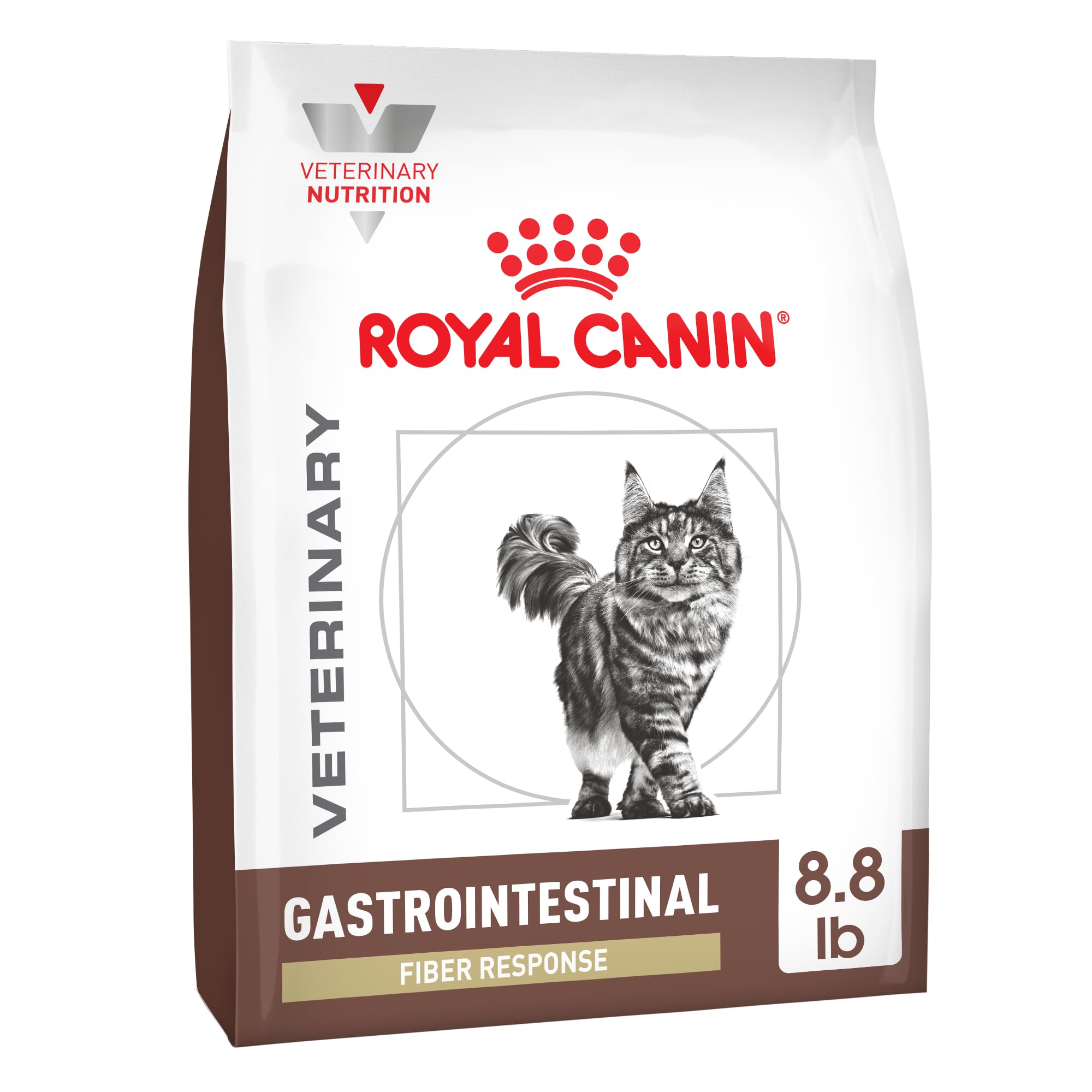
Royal Canin GI Fiber Response is the undisputed specialist for constipation-predominant malabsorption, particularly megacolon cases. The 8% psyllium husk content provides soluble fiber that absorbs water in the gut to form a gel-like matrix, softening hard stool and promoting regular transit without irritating the colon. For cats that have been dependent on cisapride, Miralax, or enema protocols, this diet has been documented by owners to eliminate the need for pharmaceutical intervention entirely.
The psyllium is supplemented with selected prebiotics that support the microbiome, plus enhanced omega-3 fatty acids at levels that reduce colonic inflammation. The S/O Index creates a urinary environment unfavorable to struvite and calcium oxalate crystal formation, a thoughtful addition since many megacolon cats are older and predisposed to urinary issues. Owner feedback spans over a decade of use, with numerous verified reviews reporting daily bowel movements in cats that previously strained for days between eliminations.
The trade-off is a relatively lower protein content than some other veterinary diets, which may be a concern for cats that also need muscle mass support. Some owners note flatulence as a side effect during the transition period as the gut adjusts to high psyllium. The 8.8 lb bag lasts about two months for a single cat, but the per-pound cost places it firmly in the premium bracket.
Why we love it
- 8% psyllium husk clinically proven to resolve megacolon and chronic constipation
- Eliminates need for cisapride, Miralax, and enema protocols in many cases
- S/O Index simultaneously protects against urinary crystal formation
Good to know
- Lower protein content than other veterinary gastrointestinal diets
- Transition period may cause increased flatulence
- Premium pricing — budget-conscious owners should compare per-pound costs
5. Tiki Cat Solutions Digestion Mousse, Chicken & Egg Recipe
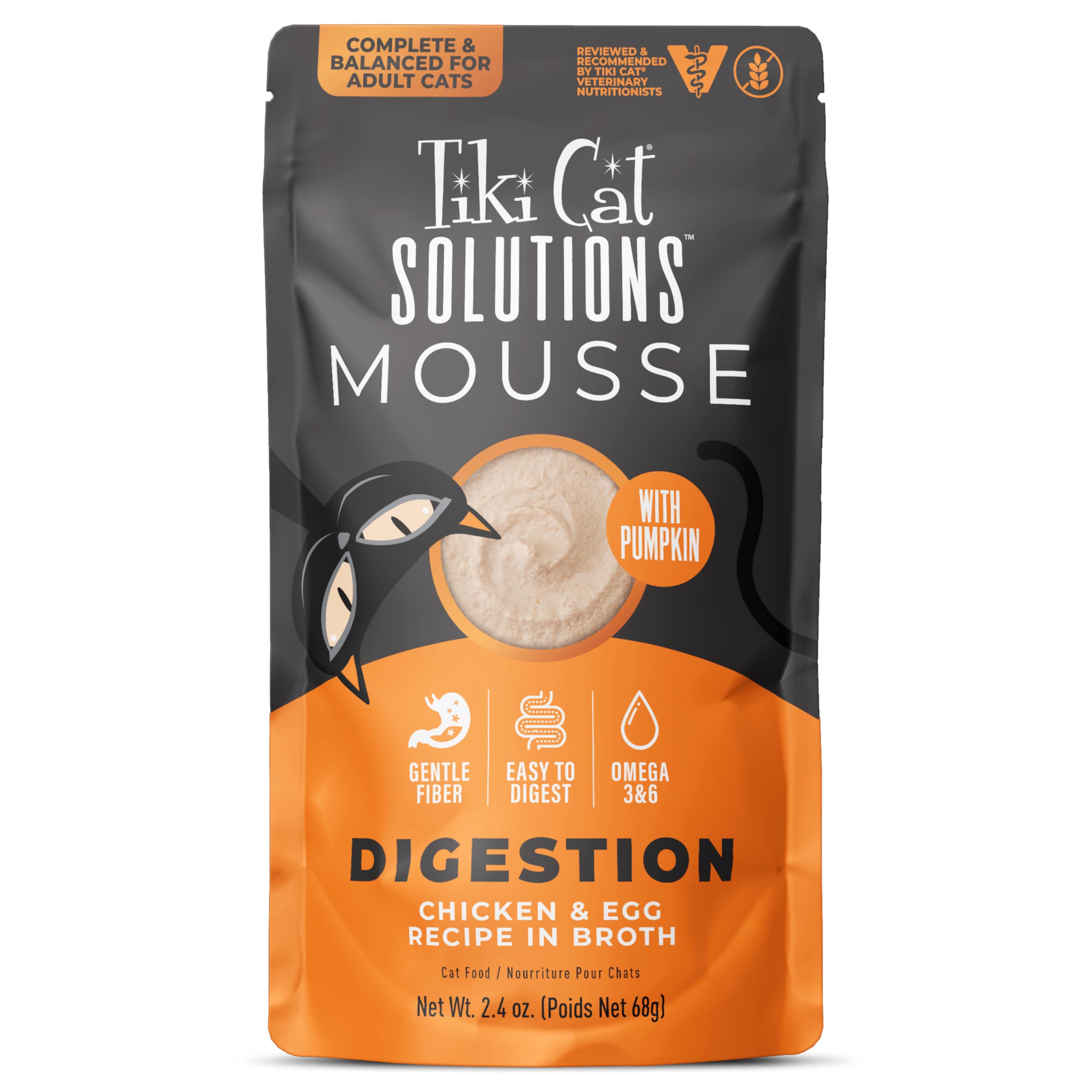
Tiki Cat Solutions Digestion Mousse is the only non-prescription option on this list that genuinely competes with veterinary diets for malabsorption support. The unique mousse texture — described by owners as “meat pudding” — allows cats with stomatitis, missing teeth, or oral pain to eat without discomfort, a critical factor since pain-induced food refusal accelerates malabsorption wasting. The formula includes fiber-rich pumpkin and prebiotics to support digestive health, while the high moisture content (around 78%) provides supplemental hydration that aids nutrient transit.
Owner reports highlight a rapid cessation of vomiting in cats that had been chronically regurgitating whole meals, particularly in senior cats around 10-11 years old with sensitive stomach histories. The high protein content (38% on a dry matter basis) with real chicken and egg provides easily digestible amino acids that bypass compromised digestive enzymes. The 2.4 oz pouch size is portion-friendly for cats that need multiple small meals throughout the day rather than two large feedings.
The primary limitation is inconsistency in palatability across individual cats — some reviews note complete refusal after initial acceptance, even from non-picky cats. The 12-count pack at this price point is significantly more expensive per ounce than standard wet foods, making it less practical as a long-term exclusive diet. It also lacks the S/O Index or urinary crystal protection found in prescription competitors.
Why we love it
- Mousse texture is ideal for cats with oral pain, no teeth, or stomatitis
- 38% protein with easily digestible chicken and egg sources
- High moisture content supports hydration and nutrient transit
Good to know
- Palatability can be inconsistent — some cats reject after initial acceptance
- Expensive per ounce compared to standard non-prescription wet foods
- No urinary crystal protection (S/O Index) like veterinary diets include
6. Royal Canin Feline Care Nutrition Digestive Care Adult Dry Cat Food

Royal Canin Digestive Care Dry is engineered around a specific mechanical problem: fast eating that triggers regurgitation before digestion even begins. The exclusive ring-shaped kibble forces cats to chew rather than inhale, slowing intake by 30-40% compared to standard round kibble. For malabsorption cats that vomit immediately after meals due to gulping, this physical intervention alone can reduce regurgitation frequency by over 50%, independent of the nutritional formula.
The nutritional side is equally targeted — an optimal blend of prebiotics and dietary fiber promotes healthy digestion and is clinically proven to produce over 95% healthy stool quality within 10 days according to Royal Canin’s internal studies. Owner feedback overwhelmingly confirms this timeline, with many reporting their cats stopped vomiting entirely after switching. The donut shape also provides a surface for dental scraping, reducing tartar accumulation. This formula pairs well with Royal Canin Digestive Care wet food for mixed feeding protocols.
The lower caloric density compared to the Purina EN formula (333 vs. 455 kcal/cup) means cats with severe malabsorption may need larger portions to meet energy requirements, partially defeating the slow-eating benefit. Some owners report that the donut hole occasionally traps a cat’s tooth, causing momentary panic. The product is not veterinary-exclusive, which means it may lack the higher levels of therapeutic ingredients (like hydrolyzed protein or psyllium) that severe cases require.
Why we love it
- Ring-shaped kibble mechanically slows eating by 30-40%, reducing regurgitation
- Clinically proven 95%+ healthy stool quality within 10 days
- Non-prescription — easier to access than veterinary-exclusive diets
Good to know
- Lower caloric density (333 kcal/cup) — larger portions needed for severe cases
- Donut hole can occasionally trap a cat’s tooth during chewing
- Not formulated with hydrolyzed protein or therapeutic-level psyllium
FAQ
How can I tell if my cat has malabsorption rather than just a sensitive stomach?
Should I choose a hydrolyzed protein diet for my cat with malabsorption?
Can I mix wet and dry food from different brands for malabsorption?
How long before I see improvement in stool quality after switching?
Final Thoughts: The Verdict
For most cats with malabsorption, the best cat food for malabsorption winner is the Purina Pro Plan Veterinary Diets EN Gastroenteric Feline Formula because its high caloric density (4.0 kcal/g) delivers maximum nutrition in minimal volume, reducing the digestive workload while supporting nutrient absorption. If your cat needs simultaneous stress reduction and microbiome repair, grab the Hill’s GI Biome Stress Dry. And for constipation-dominant malabsorption or megacolon, nothing beats the Royal Canin GI Fiber Response with its 8% psyllium content.