
Nothing slows a productive flock like an invisible parasite load. Worms rob your birds of nutrients, tank egg production, and leave droppings loose and foul-smelling. Finding the right treatment means understanding what kills the specific worms troubling your chickens without forcing an egg withdrawal period that wastes weeks of production.
I’m Mo Mahin — the founder and writer behind Furric. I spend my days comparing veterinary-grade formulations against natural botanical blends, studying parasitology data for poultry-specific pathogens like Ascaridia galli and Heterakis gallinarum, and analyzing aggregated owner feedback to separate effective treatments from marketing fluff.
This guide breaks down the best options for clearing your flock of internal parasites, from potent chemical pastes to gentle daily supplements. Whether you are treating a visible outbreak or setting up a prevention schedule, the right poultry wormer keeps your hens healthy and your egg basket full without interruption.
How To Choose The Best Poultry Wormer
Picking the right wormer starts with knowing what you are treating and what your flock can tolerate. The biggest mistakes come from guessing the parasite type or ignoring egg withdrawal requirements. Focus on these three factors before you order.
Active Ingredient vs. Natural Botanicals
Ivermectin-based pastes (like the 1.87% horse formulation) kill a broad range of internal parasites — strongyles, roundworms, pinworms — and are widely used off-label in poultry. However, these are chemical drugs with meat and egg withdrawal periods that vary by country. Natural blends using garlic, pumpkin seed, artemisia annua, and sophora flavescens work more gently and allow zero egg withdrawal, but they require consistent dosing over several days. For a heavy outbreak, chemical treatment is faster. For regular prevention, natural formulas are safer and simpler.
Egg Withdrawal Period
If you eat your hens’ eggs, this is the single most important spec to check. Many chemical wormers require you to discard eggs for 7 to 14 days after treatment — that is a lot of lost breakfasts. Every natural formula in this guide is designed so eggs remain safe to eat during and after treatment. Always confirm the label’s statement on egg safety, especially if you sell eggs to others.
Ease of Administration
Your birds have to actually consume the full dose for the wormer to work. Pastes from a syringe are the most precise but require handling each bird individually. Tablets can be crushed into feed or dissolved in water, which works well for flocks that eat or drink consistently. Powders mixed into wet mash or treats are the easiest for shy birds but make it harder to track individual dosage. Match the method to your flock’s temperament and your comfort level with catching and dosing each hen.
Quick Comparison
On smaller screens, swipe sideways to see the full table.
| Model | Category | Best For | Key Spec | Amazon |
|---|---|---|---|---|
| Roosty’s Naturals De-Wormer | Natural Capsule | Vet-approved daily prevention | 120 count, odorless garlic base | Amazon |
| CanineGluca Chicken De-wormer | Natural Tablet | Safe egg consumption during use | 120 tablets, all-natural formula | Amazon |
| Baszy Chicken Dewormer | Natural Tablet | Multi-herb broad-spectrum treatment | 8 active botanicals per tablet | Amazon |
| Dechra Ivermectin Paste 1.87% | Chemical Paste | Heavy parasite outbreaks, rapid kill | 1.87% ivermectin, apple flavor | Amazon |
| The Poultry Store Original De-Wormer | Herbal Powder | Herbal digestive support plus deworming | 5 oz, no flax seed formula | Amazon |
In‑Depth Reviews
1. Roosty’s Naturals De-Wormer for Chickens
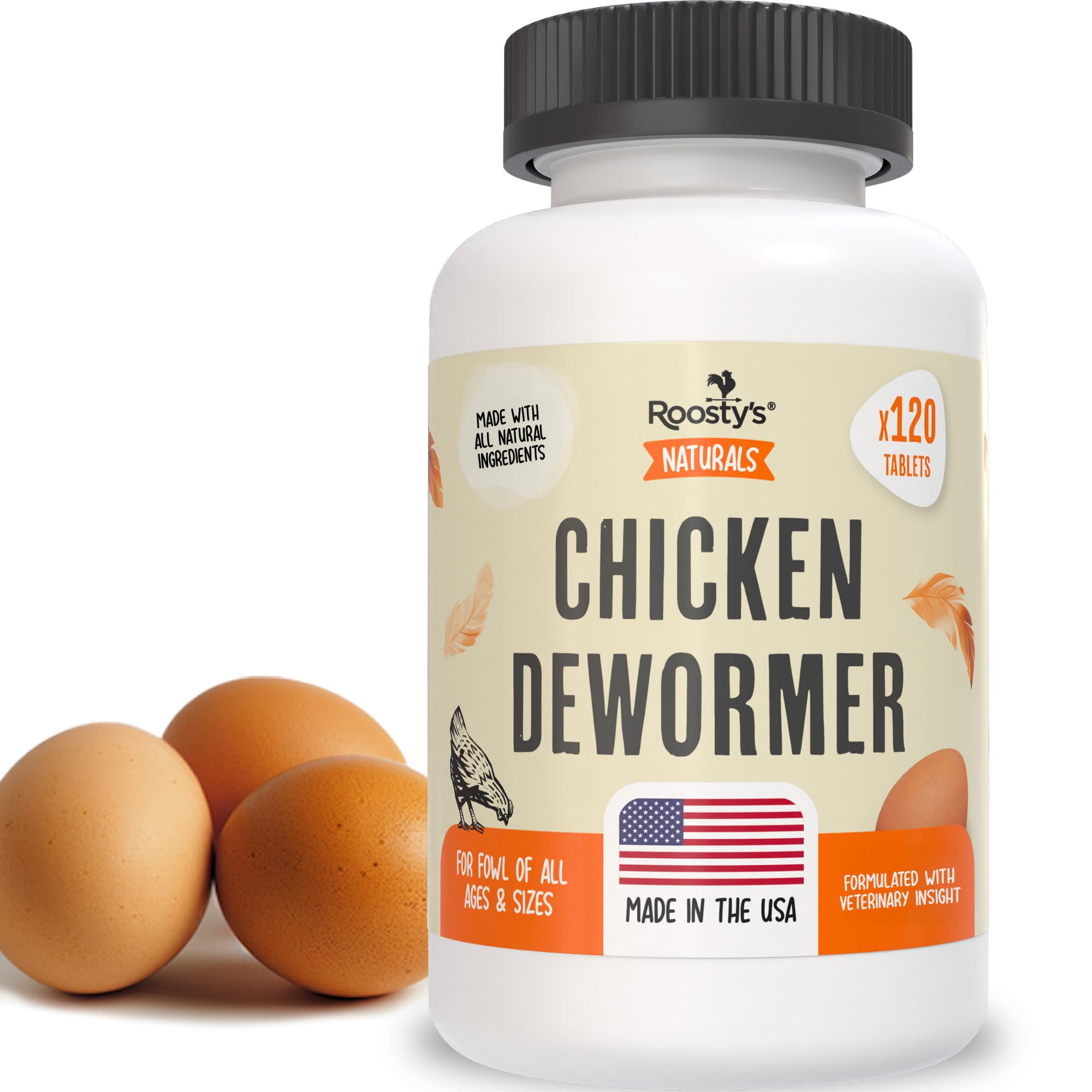
Roosty’s positions itself as a premium preventive solution made in a GMP-certified and FDA-registered facility in Florida. Each capsule contains an all-natural blend with odorless garlic as the key active, which makes mixing into feed or water virtually undetectable to picky eaters. The 120-count bottle gives you enough for a medium-sized flock’s monthly rotation for several cycles.
Customer reports show consistent success in preventing worm reinfestation during high-risk periods like free-range summer months. The capsule form can be given directly, crushed into wet feed, or dissolved in water — flexibility matters when you have a mix of broody hens and skittish pullets. Users note that direct oral dosing becomes easy after the first day of handling.
This is not a rapid-response treatment for a heavy worm burden. The natural formula works best as a regular preventative or for mild cases. For active outbreaks with visible worms in droppings, you may need a faster-acting chemical option first, then switch to Roosty’s for maintenance.
Why we love it
- Vet-approved formula adds credibility for cautious flock owners
- Odorless garlic avoids feed refusal common with other botanicals
- No egg withdrawal required at any stage
Good to know
- Capsules must be opened or crushed for water administration
- Best suited for prevention, not acute heavy infestations
2. CanineGluca Chicken De-wormer

CanineGluca delivers a solid mid-range natural tablet that prioritizes egg safety above all else. The 120-count bottle is priced competitively for its tablet count, and the all-natural formula is marketed specifically for laying hens with zero egg withdrawal. Adult birds get one tablet; chicks get half a tablet, with a repeat dose after six days to break the worm life cycle.
Owner feedback highlights the versatility of administration — tablets dissolve acceptably in water, crush into feed, or hide inside treats like blueberries. A recurring note is that the printed instructions are extremely small, making the dosage chart hard to read without a magnifying glass. Several users resolved this by crushing tablets into their chickens’ wet mash instead of trying to read fine print.
Reports of visible dead worms in droppings within a week confirm efficacy against common roundworms and cecal worms. Increased egg production followed treatment in multiple cases, suggesting the worm burden was heavy enough to suppress laying before dosing. This is a dependable workhorse for the price-sensitive flock owner who wants natural ingredients.
Why we love it
- Proven egg safety with no withdrawal period
- Visible results reported within one week of treatment
- Flexible dosing method suits different flock behaviors
Good to know
- Instruction label is printed very small, hard to read
- Cold water slows tablet dissolution significantly
3. Baszy Chicken Dewormer

Baszy packs eight active botanicals into each small tablet — garlic, artemisia annua, sophora flavescens, pumpkin seeds, stemona root, chinaberry skin, sichuan pepper, and astragalus torreya — creating one of the broadest natural parasite-targeting blends on this list. The formula is manufactured in GMP-certified US facilities and the tablets are notably small, making oral dosing easy without crumbling or breaking.
Users report rapid results for runny droppings and decreased egg production. The standard protocol — one tablet per chicken, repeat after six days — resolved symptoms within a few days for most flocks. Several owners noted their chickens actively drank the medicated water, indicating the botanical blend is palatable rather than repellent.
The multi-herb approach covers more potential parasite species than single-botanical formulas, but the trade-off is that you cannot identify which specific ingredient is doing the work if your flock has a reaction. The herbal content also gives the tablets a distinct earthy smell that some handlers find unpleasant.
Why we love it
- Eight active botanicals offer comprehensive coverage
- Small tablet size simplifies direct oral administration
- Chickens willingly consume treated water
Good to know
- Strong herbal scent may be off-putting to handlers
- Cannot isolate specific ingredients if sensitivity occurs
4. Dechra Ivermectin Paste 1.87%
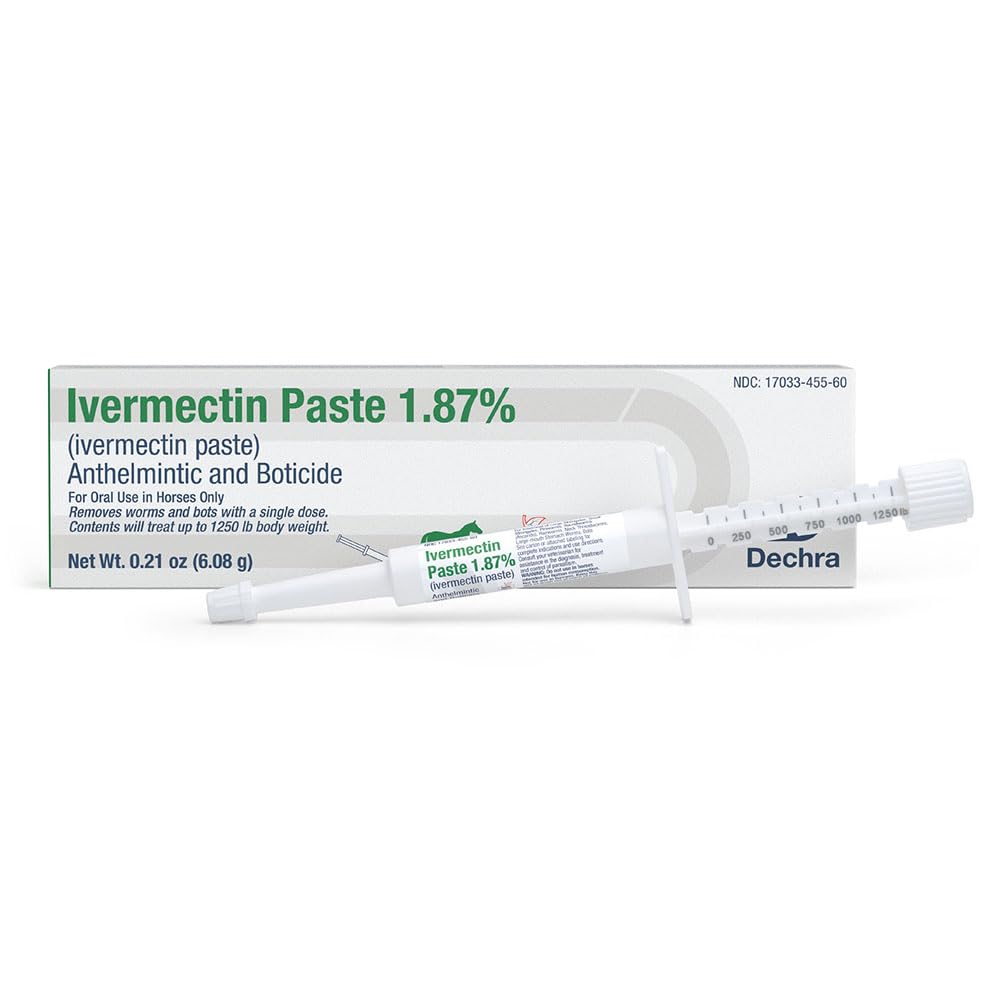
Dechra’s ivermectin paste is the chemical heavy-hitter on this list, formulated for horses but widely used off-label in poultry for its potent broad-spectrum activity against strongyles, roundworms, pinworms, and external parasites like mites. The 1.87% concentration is significantly stronger than natural alternatives, and the syringe-based delivery allows precise weight-based dosing down to the notch.
The apple flavoring helps with administration, though poultry owners typically apply a rice-grain-sized dab to the bird’s skin or beak rather than the full horse dose. Customer reports confirm its effectiveness against mites in rats and internal parasites in chickens, but the off-label use means you must calculate the poultry dose yourself — the packaging only provides horse dosing instructions.
This is not a product for casual use. Ivermectin has withdrawal periods for eggs and meat that vary by jurisdiction, and improper dosing can harm small birds. Use it only for confirmed heavy infestations where natural treatments have failed, and always research your local egg withdrawal requirements before treating laying hens.
Why we love it
- Rapid, reliable kill of a wide range of internal and external parasites
- Syringe markings allow precise dosing by weight
- Apple flavor improves palatability for difficult birds
Good to know
- No poultry-specific dosing instructions on the label
- Egg withdrawal period required — check local regulations
5. The Poultry Store Original De-Wormer
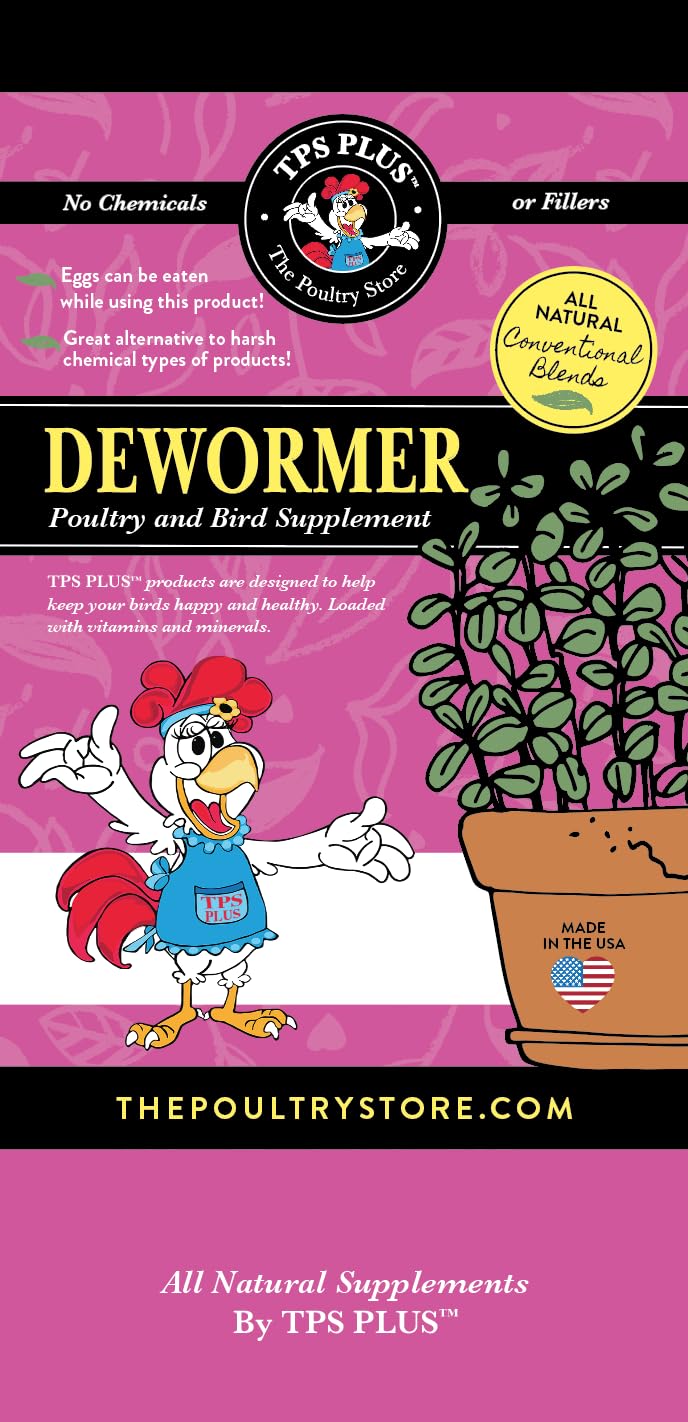
The Poultry Store takes a unique approach with a powdered herbal blend intentionally formulated without flax seed — which the manufacturer notes can cause liver issues in poultry with prolonged use. The 5-ounce container includes a small scoop for dosing, and the powder can be mixed into soaked pellets, scratch grains, or wet mash with minimal fuss.
Users who have stuck with this product for years report it outperforms conventional chemical dewormers while allowing continuous egg consumption. The blend smells strongly of chili powder and can irritate airways if inhaled during mixing, so a dust mask is advisable. Some chickens were initially hesitant about the taste, but mixing with high-value treats like watermelon overcame the resistance.
The powder format makes it ideal for flocks where individual handling is impractical — you simply sprinkle the daily dose over the group feed. However, the container size is relatively small for the price, and heavy users may find themselves reordering frequently. This is a premium herbal option best suited for owners who prioritize long-term digestive health over acute treatment speed.
Why we love it
- Formulated without flax seed for safer long-term use
- Powder format enables group treatment without handling each bird
- Visible improvement in comb color and energy levels within a week
Good to know
- Strong chili-powder smell can cause coughing if inhaled
- Container size is small relative to the price point
FAQ
Can I use horse ivermectin paste on my chickens safely?
How often should I worm my flock for prevention?
Will a natural wormer kill all types of poultry worms?
Can I eat eggs while treating my chickens with natural wormers?
Final Thoughts: The Verdict
For most flock owners, the poultry wormer winner is the Roosty’s Naturals De-Wormer because it offers vet-approved prevention in an easy capsule form with zero egg withdrawal. If you want a budget-friendly natural treatment that shows visible results fast, grab the CanineGluca Chicken De-wormer. And for a heavy parasite outbreak that natural blends cannot touch, nothing beats the rapid broad-spectrum kill of the Dechra Ivermectin Paste 1.87%.