
A chicken run is only as secure as the weakest wire panel. Raccoons can rip through small-gauge woven poultry netting in seconds, and thin welds fail at the first sign of stress. The difference between a safe coop and a nightmare usually comes down to mesh size, wire thickness, and how well the zinc coating holds up against rain and ground moisture.
I’m Mo Mahin — the founder and writer behind Furric. I’ve analyzed thousands of owner reports and spec sheets for galvanized fencing and hardware cloth, comparing gauge strength, weld quality, and corrosion resistance across dozens of brands to understand which rolls actually hold up after a full season of weather.
Whether you’re enclosing a new flock or reinforcing an existing coop, choosing the right wire for chicken run requires balancing mesh tightness against gauge weight and galvanization method.
How To Choose The Best Wire For Chicken Run
A chicken run faces three enemies: predators that pull or chew through wire, ground moisture that rusts unprotected steel, and the sheer weight of the roll when you try to install it yourself. Choosing the right product means understanding three primary specs before you click buy.
Mesh Size: The Predator Gate
Raccoons and weasels can reach through a 2-inch chicken wire gap and grab a bird by the leg. The safe standard for predator-proof runs is 1/2-inch or 1/4-inch mesh. A 1-inch mesh works if you have larger birds and no small mustelid pressure in your area, but the tighter the opening, the harder it is for a paw or jaw to reach or tear.
Wire Gauge: Strength vs. Workability
Lower gauge numbers mean thicker, stronger wire. A 16-gauge (about 1.6 mm) is rigid and holds shape well but requires bolt cutters for trimming. A 19-gauge (about 1.0 mm) balances strength with the ability to cut using standard tin snips. A 23-gauge (about 0.6 mm) is lighter and easier to shape but can be deformed by persistent predator pressure or accidental impact from tools or animals.
Galvanization Method: Rust Prevention
Standard electro-galvanized wire (a thin zinc coating) will start showing rust within a single rainy season if buried or in direct ground contact. Hot-dipped galvanization (HDG) leaves a thicker, more uniform zinc layer that resists corrosion for years, especially when the wire is buried underground to deter diggers. Vinyl-coated wire adds an extra polymer layer over galvanized steel, which helps in wet conditions and blends visually with the landscape.
Quick Comparison
On smaller screens, swipe sideways to see the full table.
| Model | Category | Best For | Key Spec | Amazon |
|---|---|---|---|---|
| Trenk 1/2in 48×100 | Premium | Long-term predator-proofing | 15% larger weld area, 20% more zinc | Amazon |
| Sanzeus 1/2in 48×100 | Premium | Large-scale runs | 48in height, double hot-dip | Amazon |
| GoldPeak 1in 36×100 | Mid-Range | Vinyl-coated visibility | 1in x 17-gauge, black PVC | Amazon |
| VEVOR 1/2in 36×100 Vinyl | Mid-Range | Covered runs & gardens | 19-gauge, PVC & powder coat | Amazon |
| VEVOR 1/2in 36×50 HDG | Mid-Range | Standard run security | 19-gauge hot-dipped | Amazon |
| YARDGARD 1/2×1 24×25 | Budget | Small coop repairs | 16-gauge, 24in height | Amazon |
| LAN JIA 1/4in 48×50 | Budget | Gopher & snake barrier | 23-gauge, 1/4in mesh | Amazon |
In‑Depth Reviews
1. Trenk Hardware Cloth 1/2 Inch 48″ x 100′ 19 Gauge
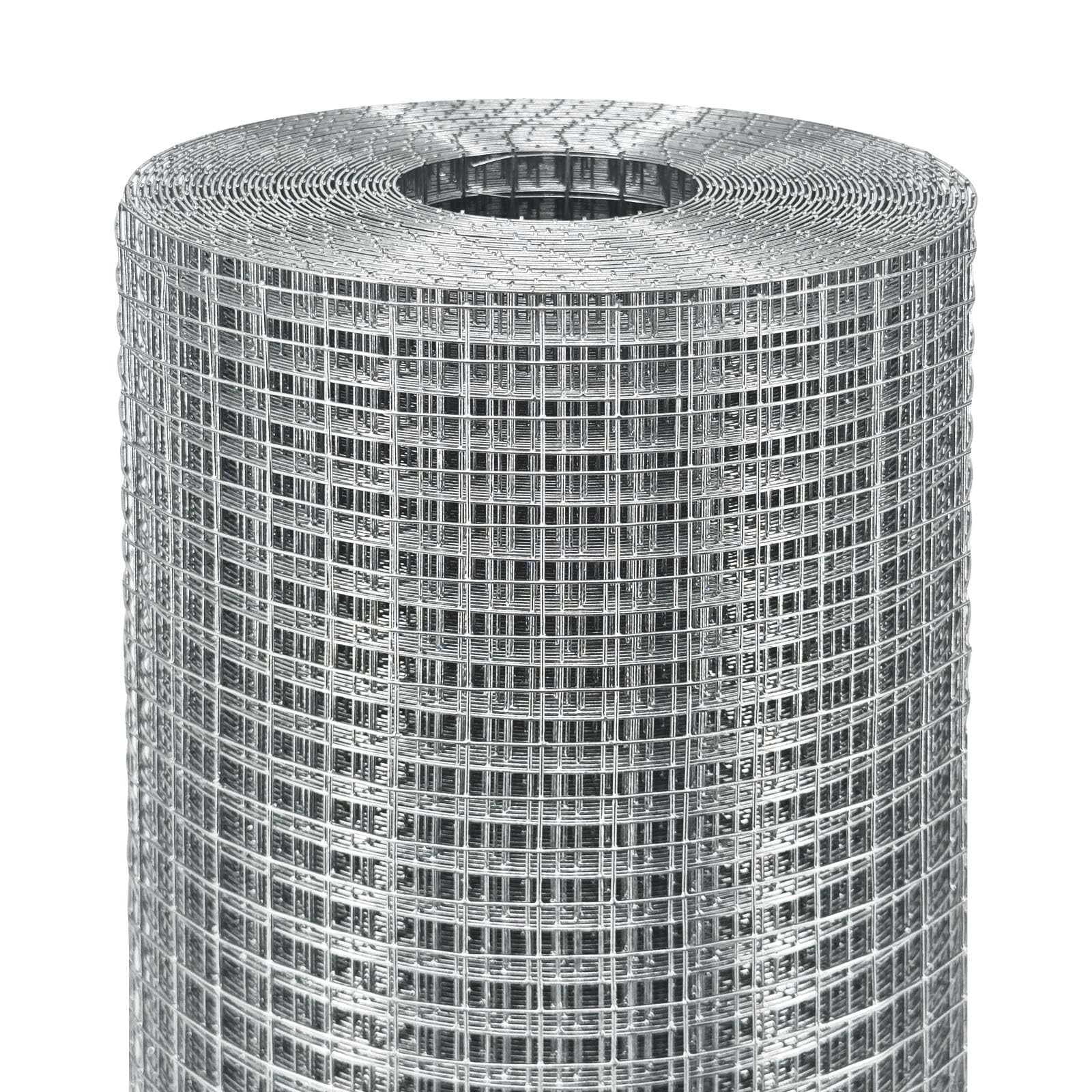
The Trenk roll stands apart because of deliberate manufacturing improvements that matter in the ground: a 15% larger weld area and a 20% increase in zinc coating compared to typical hardware cloth. For a chicken run that needs to last several seasons with the bottom edge buried, that extra zinc thickness directly translates to years before rust spots appear. The 19-gauge wire feels substantial but still cuts cleanly with quality snips, and the 48-inch height gives you enough material to trench six inches underground while leaving 42 inches of vertical barrier.
Owner feedback consistently highlights how flat the roll lays after unrolling — no kinks or warped sections that force you to wrestle against memory. Multiple buyers who built entire runs from this roll mention they have yet to see any weld failures after heavy rain and snow loads. The included work gloves are a practical bonus for handling the sharp edges after cutting, though you will still want your own heavy-duty pair for large installations.
One buyer noted a single roll had a few weak welds, which is the only reason this top-tier product doesn’t earn a flawless score. But the overwhelming pattern from five-star reviews is that this roll holds up against weather better than anything in its price band. For a run that needs to be built once and forgotten, this is the roll to anchor your list around.
Why we love it
- Extra zinc coating slows ground-contact rust significantly
- Enhanced weld area reduces separation at wire joints
- Lies perfectly flat for a professional-looking install
Good to know
- Roll weighs nearly 47 pounds — two-person job for large runs
- Rare but reported defective rolls with weak welds
2. Sanzeus Hardware Cloth 1/2″ 48×100 19 Gauge

The Sanzeus roll uses a double-layer hot-dip galvanization process, meaning the wire gets dipped after welding, ensuring every weld point receives full zinc coverage rather than leaving bare spots at the intersections. This extra step matters for runs built in damp climates or near shaded ground that never fully dries. The 1/2-inch mesh blocks weasels and snakes while remaining visible enough for you to easily spot birds from across the yard.
Buyers consistently describe this wire as easy to cut with standard tin snips and pliable enough to wrap around corners or tree guards without cracking the zinc layer. Several reviewers switched to this roll after poor experiences with big-box store poultry netting, noting that the Sanzeus mesh did not sag or detach at the welds after a full year of exposure. The 48-inch by 100-foot dimension gives you enough coverage for a sizable walk-in run with material left over for reinforcing the roof panels.
One trade-off is that the wire feels slightly lighter than a true 16-gauge product — it is still 19-gauge, which is standard for hardware cloth — but the double galvanization compensates with longer corrosion life. A few owners wish the roll came with a winding core that prevented the inner wraps from sticking, but the upgraded cardboard packaging keeps most rolls arriving undamaged.
Why we love it
- Double hot-dip covers every weld point with zinc
- Pliable enough to form curved shapes without cracking
- Great alternative to flimsy store-bought chicken wire
Good to know
- 19-gauge will flex under heavy pressure from large predators
- Inner layers of the roll can be tricky to separate initially
3. GoldPeak Black Hardware Cloth 1 Inch 36” x 100′ 17-Gauge
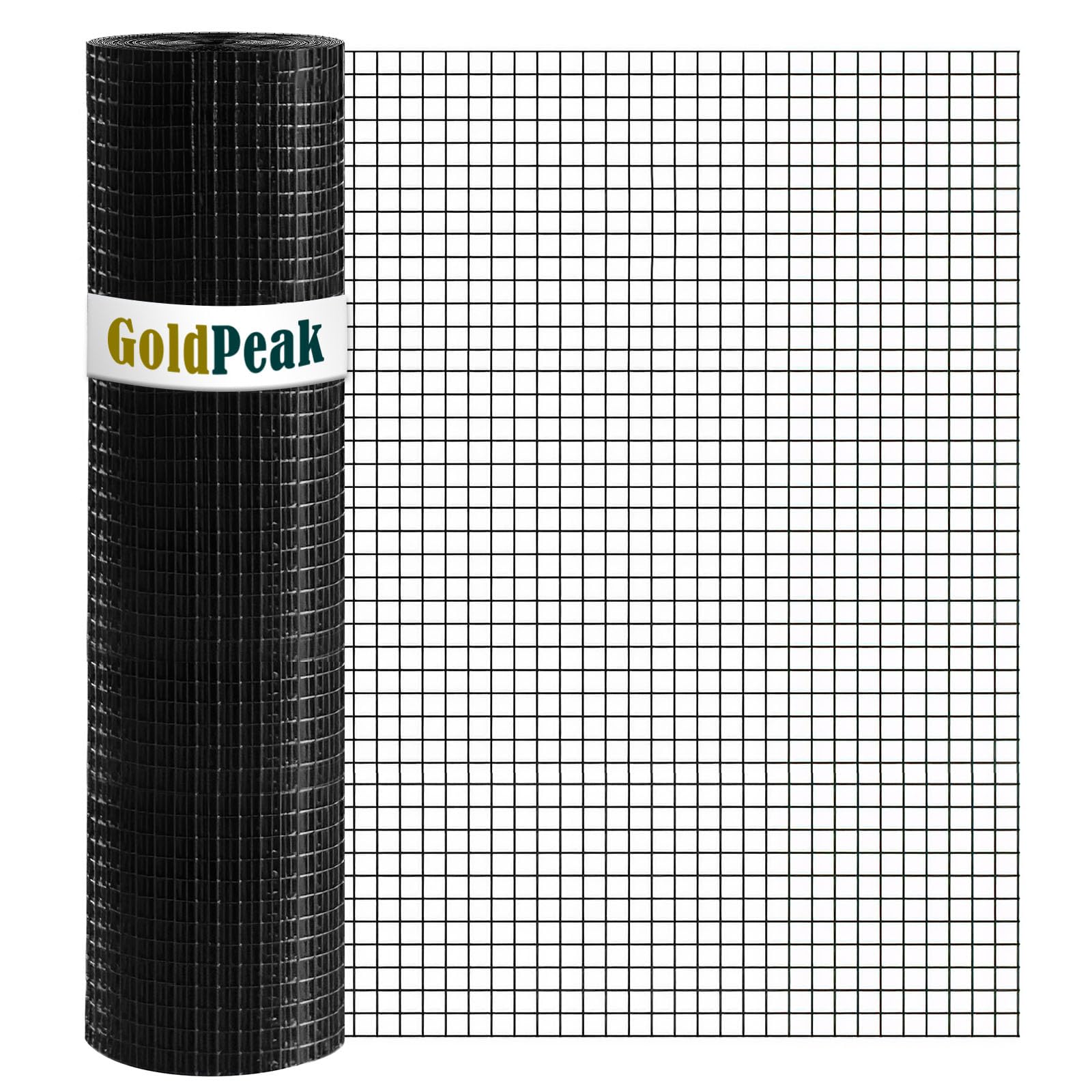
The GoldPeak roll trades the extra predator-proofing of a 1/2-inch mesh for a thicker 17-gauge wire that resists bending stubbornly. If your local predator threat is limited to stray dogs or hawks rather than raccoons and weasels, the 1-inch opening is acceptable and the thicker wire gives you a rigid structure that stands up to wind load and accidental bumps from tools or gates. The black vinyl coating makes the mesh nearly invisible against a dark fence line, which owners appreciate for curb appeal.
Buyers report the black coating holds up well against UV rays in full sun, with no peeling or chalking after one season. The 17-gauge wire requires bolt cutters or heavy-duty aviation snips — standard wire cutters will struggle — but once cut, the mesh installs flat without curling at the edges. Multiple reviewers used this for covering chicken runs and noted the black color made the wire much less visually intrusive than standard silver hardware cloth.
The 36-inch height means you cannot bury the base six inches and still have a 36-inch barrier; you will need to plan for that when calculating coverage. Additionally, the 1-inch mesh will not stop a determined rat or weasel, so this is best suited for runs guarding larger birds where the primary threat is daytime aerial or canine pressure rather than small nocturnal predators.
Why we love it
- 17-gauge is significantly stiffer than standard 19-gauge
- Black vinyl coating blends well with landscaping
- Flat mesh surface installs cleanly without curling
Good to know
- 1-inch mesh will not stop weasels or rats
- 36-inch height limits below-ground trenching depth
4. VEVOR Hardware Cloth 1/2″ 36” x 100′ Vinyl Coated

VEVOR’s 100-foot vinyl-coated roll packs a dual protection layer: an inner galvanized steel core with an outer ethylene coating and a powder top coat. That triple-layer barrier gives you strong resistance against corrosion in high-moisture climates without the higher price tag of premium hot-dipped products. The 1/2-inch mesh hits the predator-proof standard, and the black color helps the fence recede visually against dark wood or shadowed fence lines.
Customers consistently praise the included pliers and gloves, which speed up installation for a DIY run. The wire cuts cleanly with the provided tool, though you will want your own heavy-duty wire cutters for repeated cuts over 100 feet. Multiple owners who used this for enclosing run bottoms reported that the vinyl coating did not crack at the cut edges, which prevents rust from creeping up the wire from exposed tips.
One limitation is the 19-gauge wire feels thinner than the standard 16- or 17-gauge rolls from premium brands, so high-pressure framing like a run roof that must hold snow may require additional support. A few buyers also mentioned the roll has a strong industrial odor upon opening that dissipates after a day in the sun. For the price per linear foot, the corrosion protection is hard to beat.
Why we love it
- Triple-layer corrosion protection exceeds standard vinyl coating
- Includes pliers and gloves for immediate installation
- Black finish disappears against dark fence backdrops
Good to know
- 19-gauge wire may bow under heavy snow load
- Initial odor from coating material requires airing out
5. VEVOR Hardware Cloth 1/2″ 36in x 50 ft 19 Gauge Hot Dipped

This VEVOR hardware cloth uses a traditional hot-dipped galvanization bath rather than a sprayed-on coating, resulting in a uniform zinc layer that does not flake off during handling. The 50-foot length is a practical middle ground for smaller runs: enough to enclose a 6×8-foot run with some waste, but not so much material that you need a pickup truck to get it home. The 1/2-inch mesh blocks raccoon paws and snake heads while remaining open enough for airflow and light penetration.
Owner reports consistently highlight the galvanization quality — buyers who installed this two years ago in rainy climates report zero visible rust. The wire is stiff enough to hold shape across a wooden frame but flexible enough to bend around corners without cracking the zinc coating. A customer in Hawaii noted the price on this roll was a fraction of local hardware store options with identical quality, which tracks with VEVOR’s direct-to-consumer pricing model.
The downsides are common to the category: 19-gauge wire will not withstand repeated impact from heavy objects like falling branches, and the 36-inch height means you trade vertical barrier for easier handling. A few owners wished the roll came with gloves for handling the sharp cut edges, but that is a minor complaint against an otherwise reliable mid-range product.
Why we love it
- Uniform hot-dip galvanization resists rust for years
- 50-foot length is manageable for solo installations
- Much lower cost per foot than big-box store fencing
Good to know
- 19-gauge can deform under heavy point pressure
- 36-inch roll requires trenching plan for digger prevention
6. YARDGARD 1/2 in. x 1 in. Mesh 24 in. x 25 ft. 16-Gauge
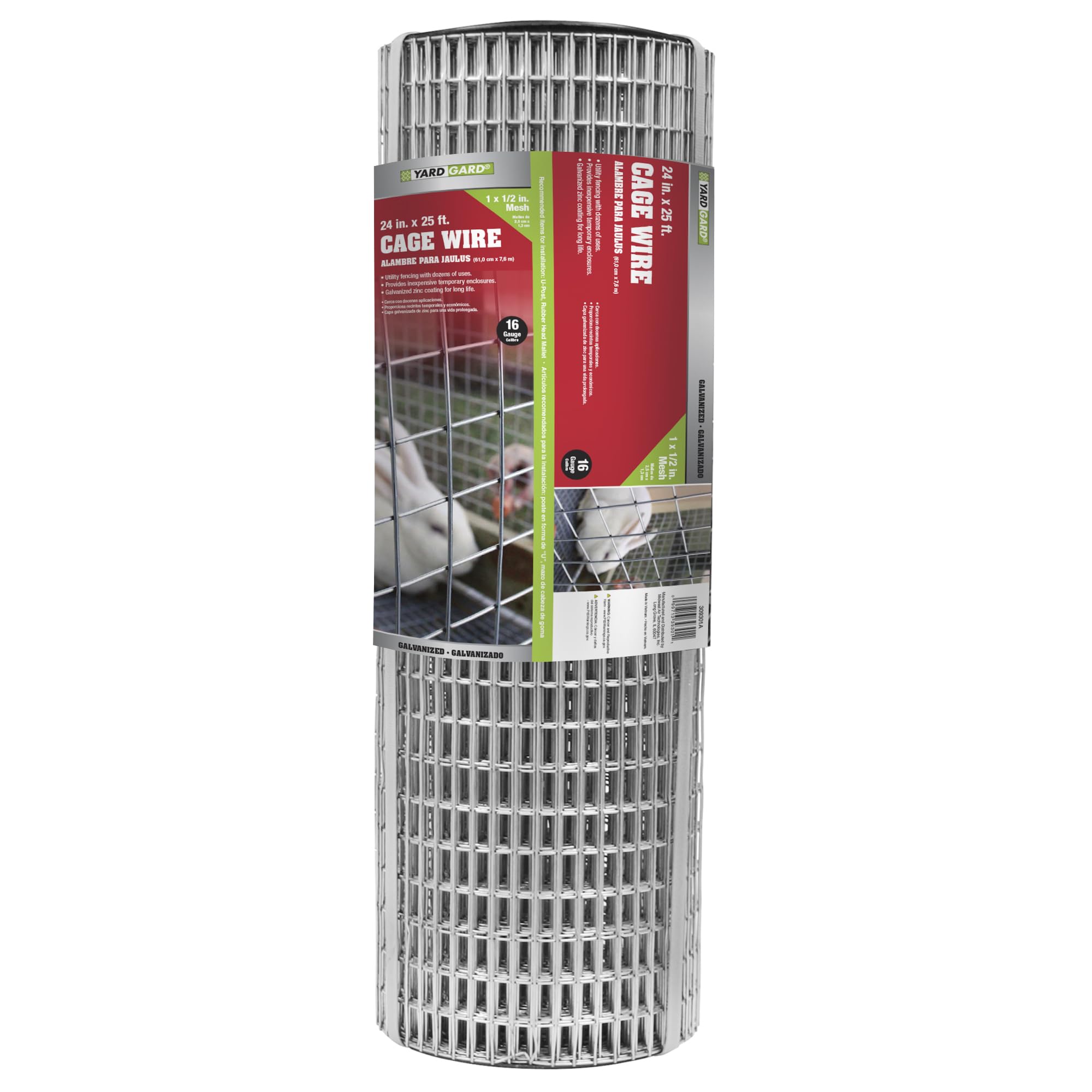
YARDGARD’s 24-inch tall roll uses a true 16-gauge wire, which is noticeably thicker than the 19-gauge standard used by most hardware cloth options. If your primary goal is reinforcing the lower 24 inches of a run against chewing predators or building a floor barrier for an elevated coop, this thickness offers genuine resistance to bending. The 1/2 x 1-inch mesh is tight enough to prevent chicks from escaping and blocks mice more effectively than standard chicken wire.
Owners who used this for rabbit cages and small coop repairs appreciated the stiff structure that does not sag between supports even on long spans. The galvanization holds up to outdoor exposure, though one reviewer noted occasional weld breakage when bending at the ends — a common issue with thicker wire that puts more stress on each weld point. Multiple buyers mentioned the roll is heavy for its size at nearly 19 pounds, but the weight reflects the thicker steel.
The biggest limitation is the 24-inch height and 25-foot length. You will need multiple rolls for anything larger than a small run repair or a single coop floor. And the short height puts the mesh too low to double as a side barrier unless you stack it on top of another material. For targeted reinforcement work, however, the 16-gauge thickness is a real advantage.
Why we love it
- 16-gauge is significantly stronger than typical hardware cloth
- Rigid mesh resists sagging between supports
- Tight 1/2-inch openings block mice and chicks
Good to know
- 24-inch roll is too short for full-height run walls
- Thick wire can snap welds when bent sharply
7. LAN JIA 1/4 inch Mesh 48×50 23 Gauge

The LAN JIA wire mesh offers the tightest openings on this list at 1/4-inch, which is specifically sized to block gophers, snakes, and even the smallest rodents from entering a run from below. The 48-inch height is generous enough to bury a foot underground and still provide a 36-inch barrier. The 23-gauge wire is lighter than any other product here, which makes it easy to cut with household scissors, but also means it has less structural strength against predators that push against the mesh.
Customer feedback is positive for low-stress applications: raised garden bed bottoms, gopher guards, and snake fences where the mesh is not subjected to animal weight or impact. Several buyers noted the wire arrived well-packaged in reinforced cardboard, a critical detail for thin-gauge rolls that can kink during shipping. The 8-year quality guarantee from the manufacturer is unusually generous for this price tier and suggests confidence in the galvanization process.
The thin wire is the clear trade-off. A raccoon or dog pressing against 23-gauge will deform the opening, potentially allowing entry or creating a gap. This roll works best as a secondary barrier (buried horizontally under the run floor or wrapped around the base of a larger mesh) rather than as the primary vertical wall material. For budget-conscious builders who already have a robust frame, this provides excellent small-pest exclusion at a low cost.
Why we love it
- 1/4-inch mesh blocks gophers, snakes, and mice completely
- 48-inch height allows deep trenching for digger defense
- 8-year guarantee shows manufacturer confidence
Good to know
- 23-gauge wire deforms under moderate predator pressure
- Too flimsy for primary run fencing without extra support
FAQ
What gauge wire should I use for a chicken run to keep raccoons out?
Can I use standard chicken wire from a hardware store for a permanent run?
Is vinyl-coated hardware cloth better than plain galvanized wire?
Do I need to bury the bottom of the wire to stop predators from digging under?
Final Thoughts: The Verdict
For most gardeners, the wire for chicken run winner is the Trenk 1/2in 48×100 because the increased zinc coating and larger weld area directly address the two most common failure modes for outdoor hardware cloth: rust and weld separation. If you want black vinyl-coated wire that blends with a dark fence, grab the GoldPeak 1-inch 36×100. And for small-pest exclusion at a budget entry point, nothing beats the LAN JIA 1/4-inch 48×50 for under-run gopher and snake barriers.