
When seizures strike, the immediate fear is for your dog’s safety, but the long-term anxiety centers on management — finding a diet that doesn’t spike blood sugar or introduce inflammatory triggers. The wrong kibble can destabilize your dog’s system within hours, while the right formulation builds a foundation of metabolic calm that, for many dogs, measurably reduces episode frequency and severity.
I’m Mo Mahin — the founder and writer behind Furric. I’ve spent years studying the interplay between canine neurology and nutrition, cross-referencing veterinary studies on ketogenic diets, MCT oil efficacy, and limited-ingredient protocols against thousands of owner-reported outcomes.
This guide breaks down the top-rated formulas for seizure-prone dogs, each chosen for its specific ability to stabilize blood glucose, minimize dietary antigens, or support brain cell function. Finding the right dog food for dogs with seizures means looking past marketing hype and understanding the metabolic triggers that affect your dog’s threshold.
How To Choose The Best Dog Food For Dogs With Seizures
Seizures in dogs are often metabolic in origin — blood sugar swings, dietary allergies, and gut-brain inflammation can all lower the seizure threshold. A food that stabilizes glucose, avoids common inflammatory ingredients, and provides steady energy from fat rather than carbohydrates is the primary goal. Here’s what matters most.
Carbohydrate and Glycemic Load
Dry kibble is typically 40-60% starch. For a dog prone to seizures, that starch spikes blood glucose post-meal, then drops it sharply a few hours later — a metabolic roller coaster that can provoke an episode. Look for formulas with less than 10-15% carbohydrate on a dry-matter basis. Recipes that use pumpkin, sweet potato, or legumes in place of white potato, rice, or corn have a lower glycemic impact and provide more stable energy release.
Protein Source and Limited Ingredients
A significant subset of seizure-predisposed dogs have undiagnosed food allergies or sensitivities. Chicken, beef, and grains are the top antigenic triggers. Switching to a novel protein — lamb, salmon, turkey, or kangaroo — within a limited-ingredient formula can eliminate low-grade inflammation that contributes to neurological instability. A single animal protein with fewer than 10 primary ingredients dramatically reduces the chance of a dietary trigger.
Fat Profile and MCT Content
Ketone bodies produced from medium-chain triglycerides (MCTs) are a direct fuel source for brain cells. MCT oil has shown anticonvulsant effects in both human and canine studies. A food that lists MCT vegetable oil or coconut oil high on its ingredient panel, alongside a total fat content of 15-20% on a dry-matter basis, provides the metabolic environment that helps stabilize neuron firing. Avoid foods high in omega-6 fatty acids from generic vegetable oils, which can be pro-inflammatory.
Quick Comparison
On smaller screens, swipe sideways to see the full table.
| Model | Category | Best For | Key Spec | Amazon |
|---|---|---|---|---|
| Pro Plan NC NeuroCare | Veterinary | Brain Support | MCT vegetable oil | Amazon |
| Ketona Salmon | Low-Carb | Blood Sugar Stability | < 6% carbohydrates | Amazon |
| Zignature Kangaroo | Limited Ingredient | Allergy Avoidance | Novel protein kangaroo | Amazon |
| Nulo FreeStyle Salmon | Limited Ingredient | Gut & Immunity | BC30 probiotic | Amazon |
| Farmina Lamb & Blueberry | Grain-Free | Sensitive Stomachs | Low-glycemic index | Amazon |
| ACANA Singles Beef & Pumpkin | Limited Ingredient | Single Protein | 65% beef ingredients | Amazon |
| NutriSource Pure Vita Turkey | Limited Ingredient | Value & Simplicity | Single-source turkey | Amazon |
In-Depth Reviews
1. Pro Plan Veterinary Diets NC NeuroCare

This is the only entry on this list that was designed specifically for cognitive and neurological function. The NC NeuroCare formula uses medium-chain triglyceride (MCT) vegetable oil as a primary fat source — MCTs are metabolized into ketones, which provide an alternative brain fuel that has been shown to reduce seizure frequency in dogs with idiopathic epilepsy. Chicken is the first ingredient, keeping the protein high and the carbohydrate load moderate.
Beyond seizure management, this formula also includes a high level of vitamin E along with EPA and DHA to support neural membrane health. It is formulated to create a urinary environment unfavorable to both struvite and calcium oxalate crystals, which matters because some anticonvulsant medications increase urinary pH and stone risk. Owners report noticeable improvements in canine cognitive dysfunction symptoms — confusion, disorientation, and pacing — within two weeks of switching.
The trade-off is that it requires a veterinary prescription, and the kibble texture is described as dense and hard, which can be challenging for older dogs with dental issues. Some dogs find the taste less appealing, but the functional benefits for seizure management are well-supported by clinical research and owner experience alike.
Why we love it
- Contains MCT oil directly shown to support brain stability
- Veterinary formulation with specific nutrient targets for neurology
- Helps prevent secondary urinary crystal formation
Good to know
- Requires a prescription from your veterinarian
- Dense, hard kibble may be difficult for seniors or dental patients
2. Ketona Salmon Recipe Adult Dry Dog Food

Ketona is arguably the most metabolically aggressive option for blood sugar control on this list. With less than 6% carbohydrate and 46% crude protein, it is designed around the principle that a dog’s ancestral diet was virtually carb-free. For a dog with seizures linked to insulin or glucose instability, this formulation removes the primary dietary trigger — large glycemic swings — by simply not providing enough starch to create them.
The calorie density comes overwhelmingly from animal fat and protein, which are metabolized slowly and do not provoke the rapid glucose spikes associated with kibble that relies on potatoes, rice, or legumes. Owners of diabetic dogs and dogs with idiopathic epilepsy have reported that after a two-week transition, their dogs showed steadier energy, fewer episodes of post-meal lethargy, and — critically — a reduction in seizure events. The salmon base provides omega-3 fatty acids that also lower systemic inflammation.
However, some recent batches have raised quality concerns after a brand acquisition; a few owners reported rancid-smelling bags. The kibble size is very small, which works well for picky eaters but may not satisfy dogs accustomed to larger nuggets. Transition to this food can be done quickly due to the low starch content, but the high protein load may not suit every dog’s kidney function.
Why we love it
- Extremely low carbohydrate content prevents blood sugar spikes
- High protein from salmon supports lean mass and reduces inflammation
- Fish-based omega-3s provide neurological and skin benefits
Good to know
- Recent quality consistency has been questioned after company buyout
- Very high protein may not be appropriate for dogs with renal issues
3. Zignature Kangaroo Limited Ingredient Formula

Kangaroo is one of the most novel proteins available in commercial dry dog food, making this Zignature formula a first-line choice for dogs whose seizures may be antigen-driven. Many dogs with chronic idiopathic epilepsy have undetected allergies to chicken or beef — the two most common veterinary kibble proteins. Switching to kangaroo effectively removes those antigenic triggers and allows the immune system to settle, which can directly raise the seizure threshold.
Zignature keeps the ingredient list minimal and avoids potatoes, corn, and wheat entirely. The kangaroo meat itself is very lean — low in saturated fat — and provides omega-3 fatty acids without the inflammatory load of high-omega-6 oils. The small-bite kibble size is specifically designed for smaller breeds and dogs that struggle with larger pieces, making this a good option for toy breeds prone to neurological issues.
The main consideration here is cost per pound, which runs higher than standard kibble due to the exotic protein source. Some owners report that their dogs initially need a slow transition because the new protein taste is unfamiliar. It is also worth noting that the kibble is quite small and dense, so a 40-pound dog may need slightly different portion sizes than broader kibble.
Why we love it
- Novel kangaroo protein eliminates common antigenic triggers
- Very low fat content reduces metabolic inflammation
- Small kibble ideal for toy breeds prone to seizures
Good to know
- Premium price due to the exotic protein source
- Unfamiliar taste may require slow introduction
4. Nulo FreeStyle Limited Ingredient Salmon Recipe
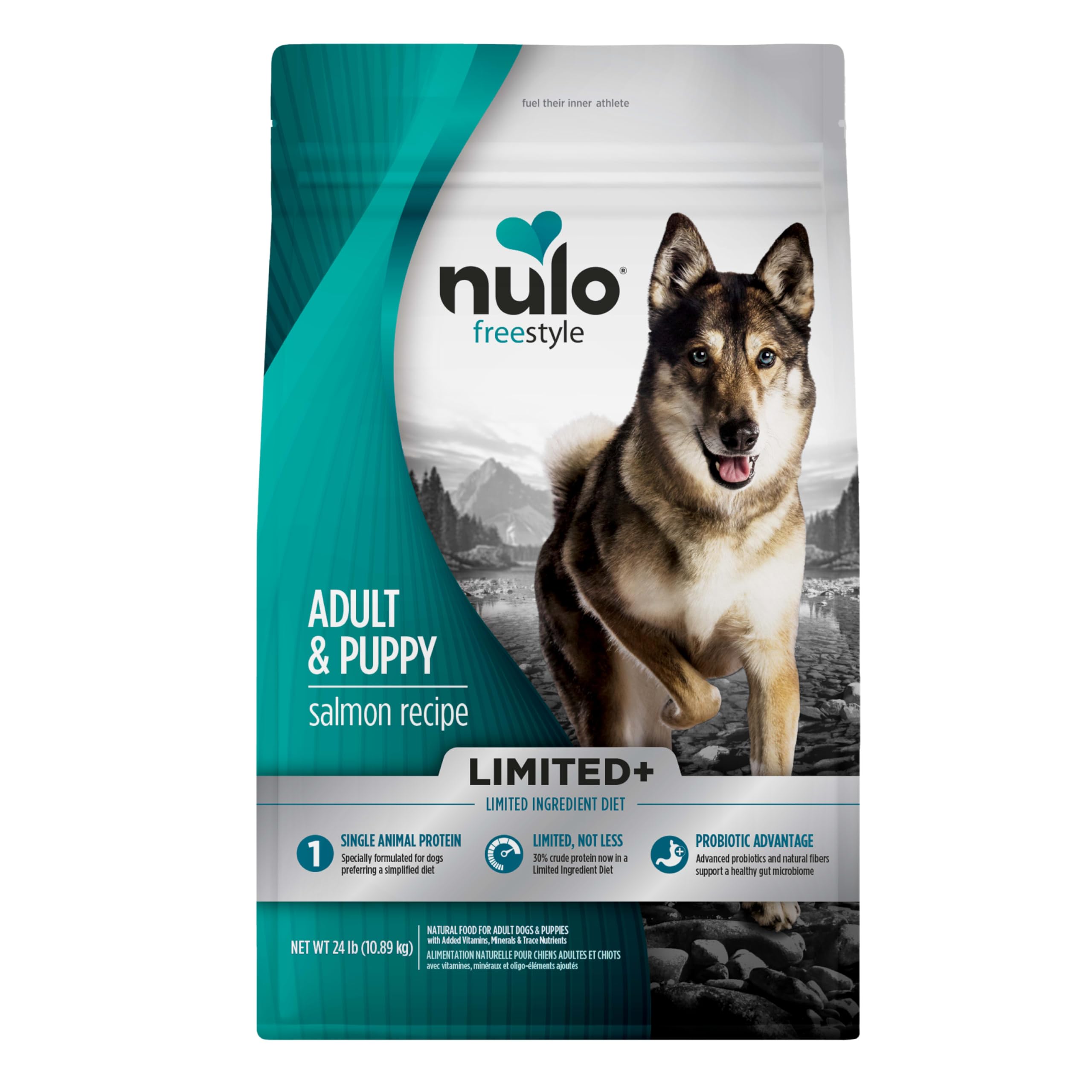
The gut-brain axis is increasingly recognized as central to neurological health, and Nulo addresses this directly by including patented BC30 probiotics alongside prebiotic fibers. For a seizure-prone dog, maintaining a healthy gut microbiome reduces systemic inflammation and antigen exposure that can trigger or worsen episodes. The salmon-first formula provides a single animal protein with no chicken, eggs, peas, or artificial additives.
This food delivers 30% crude protein and is fortified with salmon oil for omega-3 and omega-6 fatty acids, which are directly involved in maintaining neural cell membrane fluidity and reducing neuroinflammation. Vitamins C and E provide antioxidant support that protects brain tissue from oxidative damage, a known contributor to seizure recurrence. Owners of dogs with food sensitivities report that this formula resolves chronic diarrhea and scratching, which reduces overall stress on the body.
The bag size (24 pounds) offers better value per pound than many similar limited-ingredient foods, but the kibble size is medium, which may not suit very small breeds. A few isolated reports of mold have surfaced, so it is worth inspecting each bag upon arrival. The probiotic count is high enough to hold up through the kibble manufacturing process, but does not survive indefinitely — use within 30 days of opening.
Why we love it
- BC30 probiotic directly supports gut-health-immune-neurological axis
- Single salmon protein eliminates poultry sensitivity risk
- High omega-3 from salmon oil provides neural membrane support
Good to know
- Medium-sized kibble may be too large for small breeds
- Some quality control concerns with isolated bag inspections
5. Farmina N&D Lamb & Blueberry Grain Free

Farmina’s N&D line is produced in Italy under some of the most stringent pet food regulations in the world. The lamb and blueberry formula uses grass-fed lamb as the single protein source, paired with blueberries for antioxidant value. This combination is particularly relevant for seizure management because blueberries provide flavonoid antioxidants that cross the blood-brain barrier and reduce oxidative stress on neurons.
The formulation is grain-free and low-glycemic, avoiding legumes and peas that can alter glucose metabolism. It is also enriched with glucosamine and chondroitin, which is a secondary benefit for older dogs who may be on anticonvulsant medications that affect joint health. The kibble is small and gel-like in its coating, which helps with palatability for picky eaters — a common complaint among owners of seizure dogs.
At 2.5 kilograms (about 5.5 pounds), the bag is smaller than most competitors, which makes the per-pound cost high. The European production also means that supply can be inconsistent depending on import logistics. The caloric density is moderate, so portion sizes may be larger for big breeds.
Why we love it
- Blueberries provide neuron-protective flavonoid antioxidants
- European manufacturing standards offer ingredient transparency
- Small, palatable kibble format works for finicky eaters
Good to know
- Small bag size leads to higher cost per feeding
- Import supply can have intermittent availability
6. ACANA Singles Limited Ingredient Beef & Pumpkin
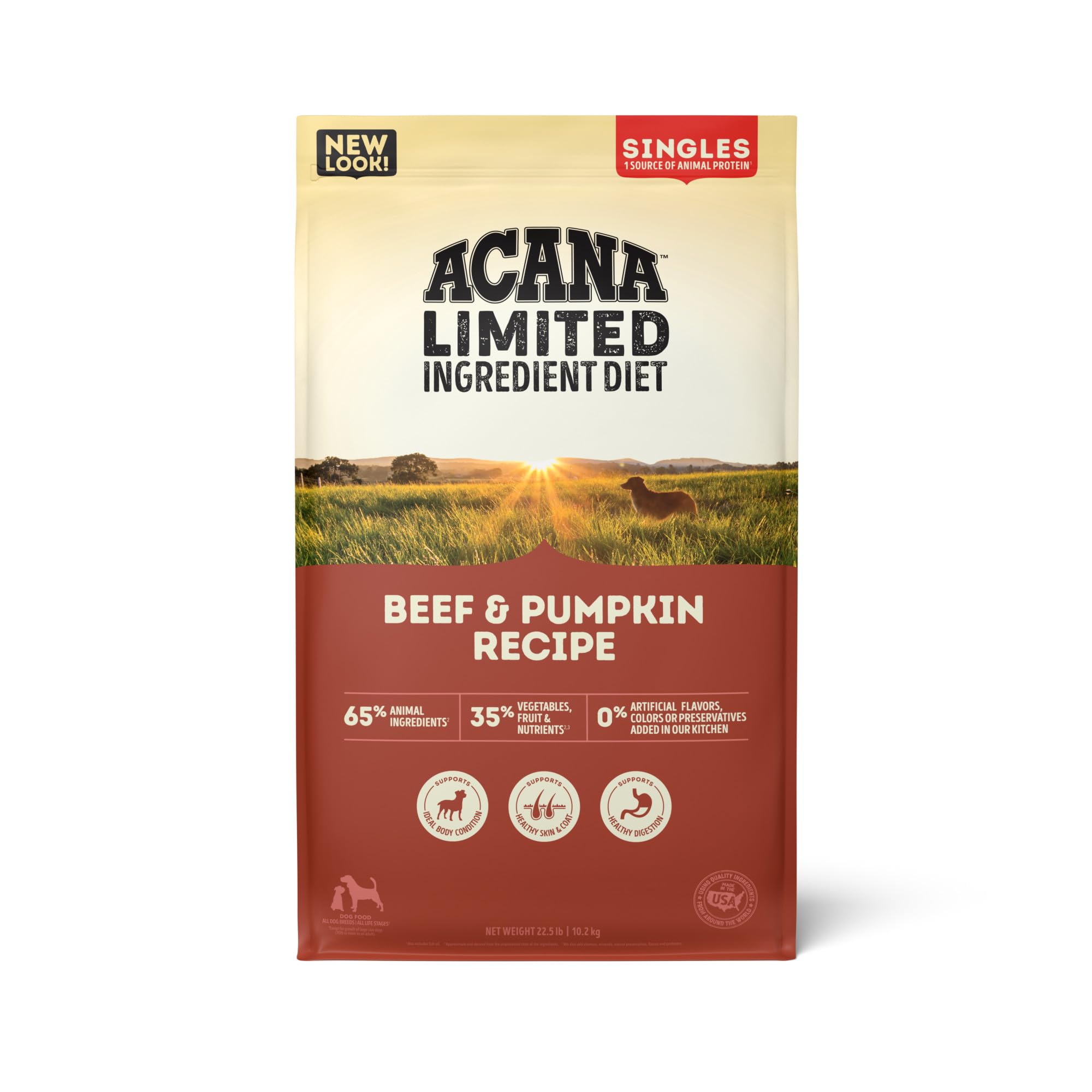
ACANA’s Singles line takes a limited-ingredient approach by featuring a single animal protein — in this case, beef — combined with pumpkin and sweet potato for fiber and prebiotic support. With 65% of the formula coming from beef ingredients, this is one of the highest meat-inclusion formulas available for dogs who tolerate red meat well. For seizure-prone dogs, the high protein and low starch approach helps maintain steady blood glucose between meals.
The freeze-dried coating on the kibble enhances palatability without the need for synthetic flavorings, which can sometimes be hidden triggers for dogs with chemical sensitivities. Pumpkin provides soluble fiber that slows gastric emptying and blunts the glucose response after eating, while sweet potato offers a lower-glycemic carbohydrate source than white rice or potatoes. The formula also includes added vitamin E for antioxidant protection of brain tissue.
Beef is a common allergen, so this food is only appropriate if your dog has already been shown to tolerate beef. The kibble texture is described as very hard — several owners reported that dogs with dental issues or soft gums struggled to chew the pieces. The bag is 22.5 pounds, providing good value, but the large kibble size and hardness limit its suitability for seniors or small breeds.
Why we love it
- Extremely high meat inclusion (65%) provides steady protein-energy
- Pumpkin and sweet potato offer low-glycemic fiber that stabilizes glucose
- Freeze-dried coating boosts palatability naturally
Good to know
- Very hard kibble texture difficult for dogs with dental problems
- Beef is a common allergen — only suitable if beef sensitivity is ruled out
7. NutriSource Pure Vita Turkey and Sweet Potato

NutriSource Pure Vita is the most accessible limited-ingredient formula on this list for owners working with a tighter budget. Turkey as the single animal protein avoids the chicken and beef trigger points that affect many seizure-prone dogs, and sweet potato provides a moderate-glycemic carbohydrate source with added fiber. The formula is grain-free and avoids artificial flavors and preservatives.
Prebiotics and probiotics are included to support digestive health — a key factor when dietary antigens can create systemic inflammation that lowers seizure threshold. L-carnitine and taurine are supplemented for heart health, which is relevant because some anticonvulsant medications can stress cardiac function over time. The kibble is small and softens easily with warm water, making it accessible for senior dogs or those with dental sensitivity.
This formula lacks the novel protein advantage of the kangaroo or salmon options, and the carbohydrate content — while lower than grocery-store brands — is not as aggressively low as Ketona or ACANA. For dogs with moderate seizure sensitivity where glucose instability is not the primary driver, this represents a solid middle-ground choice. It does not contain MCT oil or specific neurological-targeted ingredients.
Why we love it
- Single-source turkey avoids common chicken and beef allergens
- Softens well with water for senior and dental-sensitive dogs
- Includes probiotics and prebiotics for gut health support
Good to know
- No MCT oil or seizure-specific neurological support ingredients
- Carbohydrate content moderate compared to ultra-low-carb options
FAQ
How quickly can a dietary change affect seizure frequency?
Is grain-free necessary for seizure-prone dogs?
Can a high-protein diet worsen kidney function in a dog on seizure medication?
What role does MCT oil play in preventing canine seizures?
Final Thoughts: The Verdict
For most owners looking to manage their dog’s seizures through diet, the dog food for dogs with seizures winner is the Ketona Salmon Recipe because its ultralow carbohydrate content (<6%) directly addresses the blood glucose instability that triggers many episodes. If you prefer a veterinary-formulated option with MCT oil specifically designed for brain health, grab the Pro Plan NC NeuroCare. And for dogs with suspected protein allergies that may be lowering seizure thresholds, nothing beats the Zignature Kangaroo Limited Ingredient.