
Kittens explore the world with their noses and paws, so the litter you choose in those first months sets the foundation for a lifetime of good bathroom habits. The wrong texture, a cloud of dust, or a harsh chemical scent can send a young cat searching for alternative spots, turning litter box training into a daily battle.
I’m Mo Mahin — the founder and writer behind Furric. I’ve spent years studying feline behavior and analyzing litter material composition, absorption rates, and owner-reported data to pinpoint exactly what makes a litter safe and appealing for kittens.
After comparing dozens of formulas on safety, clump integrity, dust output, and texture, I’ve narrowed the field to the safest and most effective options. This guide covers the best cat litter for kittens available right now.
How To Choose The Best Cat Litter For Kittens
Kittens have more sensitive paws and nasal passages than adult cats. A litter that works fine for a three-year-old may cause your new kitten to sneeze excessively or refuse to step inside the box entirely. Here are the key factors to weigh before buying.
Dust and Respiratory Safety
A kitten’s lungs are still developing, and breathing in silica dust from clay-based litters can irritate their airways. Look for litters labeled 99% dust-free or vacuum-sieved. Plant-based formulas like pea husk or tofu naturally produce far less airborne dust than traditional clumping clay.
Clump Strength and Texture
Kittens dig and cover more vigorously than adult cats, so a weak clump that disintegrates under a paw or a scooper will quickly break into a cloudy mess. The best litters for kittens form firm clumps within a few seconds of contact with moisture. The particle size also matters — pellets that are smaller than 4mm feel gentler on tiny paw pads than large, rough granules.
Scent Profile and Material Safety
Strong artificial fragrances can overwhelm a kitten’s sensitive nose and even discourage box use. Unscented or lightly scented natural litters (lavender, vanilla, or pine) are safer. Also check the material — corn, wheat, tofu, pea husk, and reclaimed wood fibers are all non-toxic if ingested, which is important because kittens often taste their surroundings during the learning phase.
Quick Comparison
On smaller screens, swipe sideways to see the full table.
| Model | Category | Best For | Key Spec | Amazon |
|---|---|---|---|---|
| Catit Go Natural Pea Husk (Unscented) | Plant-Based | Asthmatic kittens / extreme dust sensitivity | 99% dust-free | Amazon |
| FUKUMARU Tofu Lavender | Plant-Based | Kittens that dislike coarse textures | 2mm pellets | Amazon |
| Catit Go Natural Hybrid | Hybrid | Transitioning from clay to natural litter | 70% pea husk / 30% clay | Amazon |
| Purina Tidy Cats Lightweight Glade | Clay | Multi-cat homes on a budget | 50% lighter than standard clay | Amazon |
| Catalyst Natural Soft Wood | Wood | Extended use / value-per-pound | 10lb bag lasts 1 month per cat | Amazon |
In‑Depth Reviews
1. Catit Go Natural Pea Husk Clumping Cat Litter – Unscented, 12.3 lbs
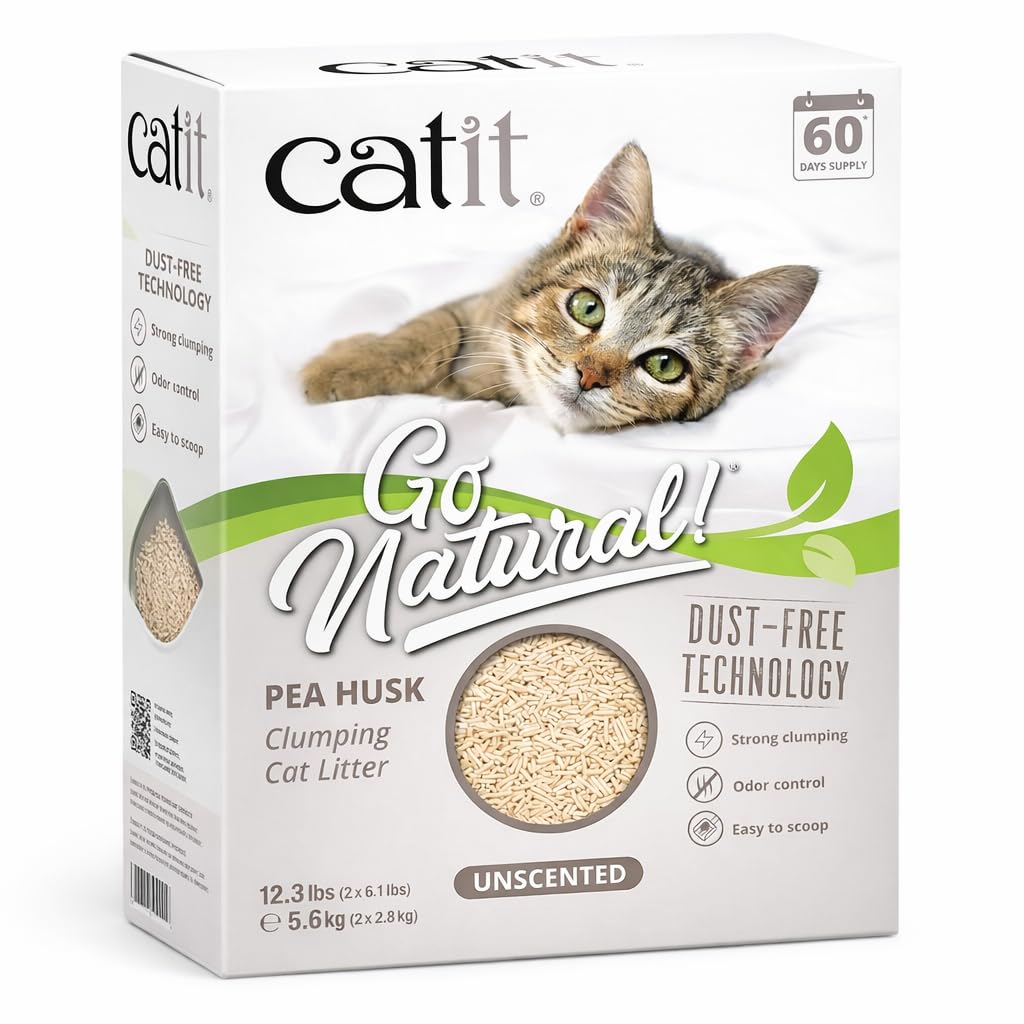
This pea-husk formula earns the top spot for one simple reason: it is completely unscented and practically dust-free, which eliminates the two biggest turn-offs for sensitive kittens. The recycled pea husk pellets absorb up to 300% of their weight in moisture, locking in ammonia odors without relying on a masking fragrance. The manufacturer also uses guar gum and corn powder as binders, so the clumps stay together during scooping without turning into a sticky paste.
Users report that the soft, rice-sized pellets create almost zero tracking outside the box. The texture feels gentle on tiny paw pads, and the absence of clay means your kitten won’t be exposed to crystalline silica dust. Owners of asthmatic cats specifically mention this product cleared up respiratory symptoms that clay litters had triggered.
The only practical catch is the 5.6 kg bag size — the manufacturer claims a 60-day supply, but many buyers with single kittens find it lasts closer to 30-35 days. The clumps also have a slight gumminess that can stick to plastic scoopers if you let them sit for more than 12 hours, though they release easily from the box walls.
Why we love it
- Truly unscented — no risk of overwhelming a kitten’s nose
- 99% dust-free, ideal for developing respiratory systems
- Soft pea-husk texture is gentle on tender paw pads
Good to know
- Bag size smaller than typical clay offerings; replace more frequently
- Clumps can feel gum-like if not scooped daily
- Higher per-pound cost than entry-level clay litters
2. FUKUMARU Tofu Cat Litter, 12lb – Lavender Scent
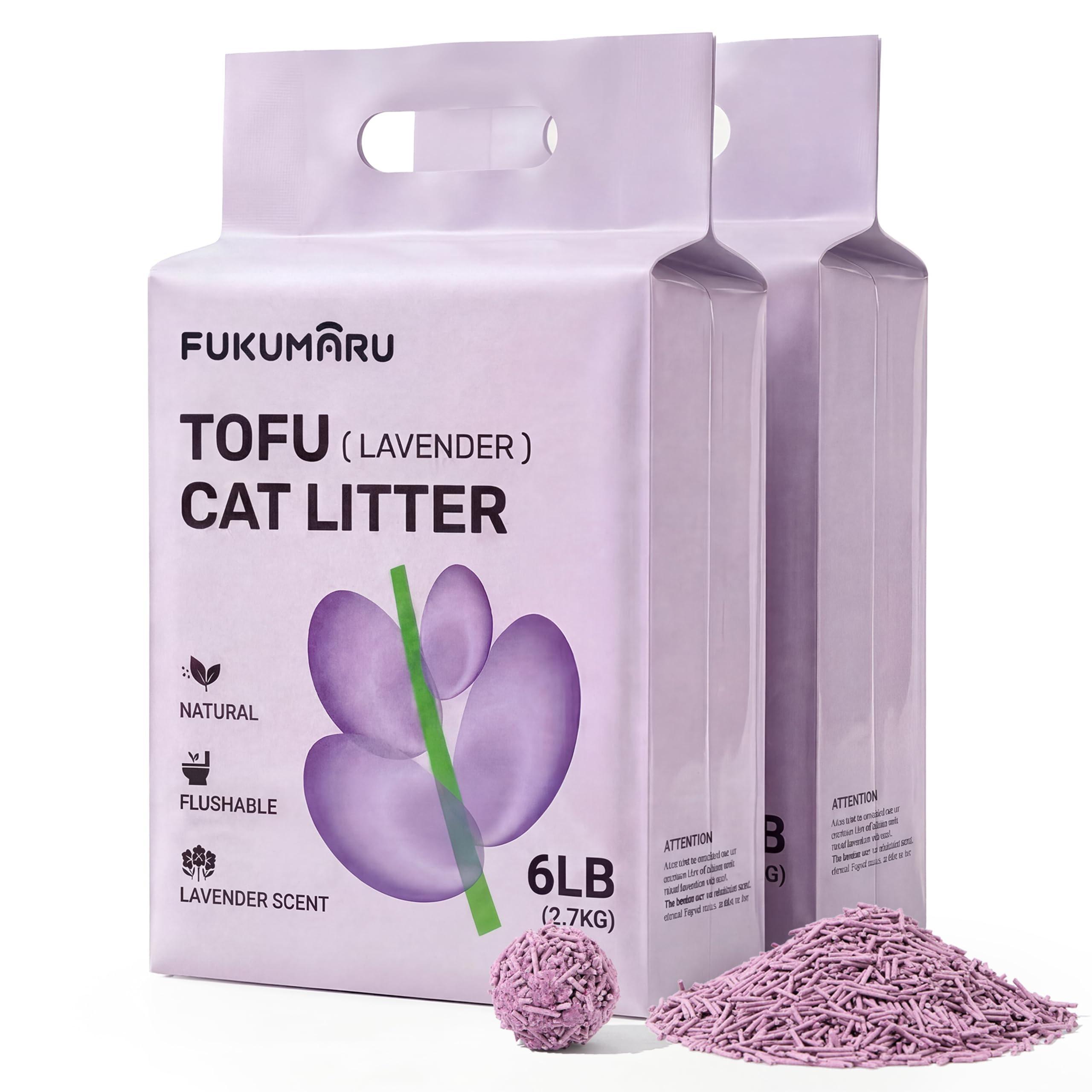
FUKUMARU uses a blend of soybean dregs, corn starch, and bamboo fibers to create some of the smallest pellets in this category — just 2mm in diameter. This fine particle size feels almost like soft sand under a kitten’s paws, which helps reluctant kittens step into the box without hesitation. The lavender scent is natural and light, not the sharp chemical perfume that often puts kittens off.
The clumping speed is genuinely impressive: the high-density plant fibers form solid, non-stick clumps within three seconds of contact with moisture. This means you can scoop immediately after your kitten uses the box without waiting for the clump to set. Users also note that the pellets soak up to four times their weight in liquid, so a single 12-pound bag lasts noticeably longer than a 14-pound clay bag in a single-kitten household.
A few buyers discovered that the formula is not reliably flushable — several reported clogged toilets despite the “flushable” claim on the packaging. The lavender scent, while light, may still be too much for extremely sensitive kittens, so monitor your cat’s reaction during the first week of use.
Why we love it
- Ultra-fine 2mm pellets are very gentle on kitten paws
- Clumps form in seconds for quick cleanup
- High absorbency means fewer bag changes per month
Good to know
- Flushable claim is unreliable; avoid flushing
- Natural lavender scent may still bother the most sensitive kittens
- Slippery texture can cause unsure footing on smooth box surfaces
3. Catit Go Natural Plant-Based Cat Litter – Vanilla
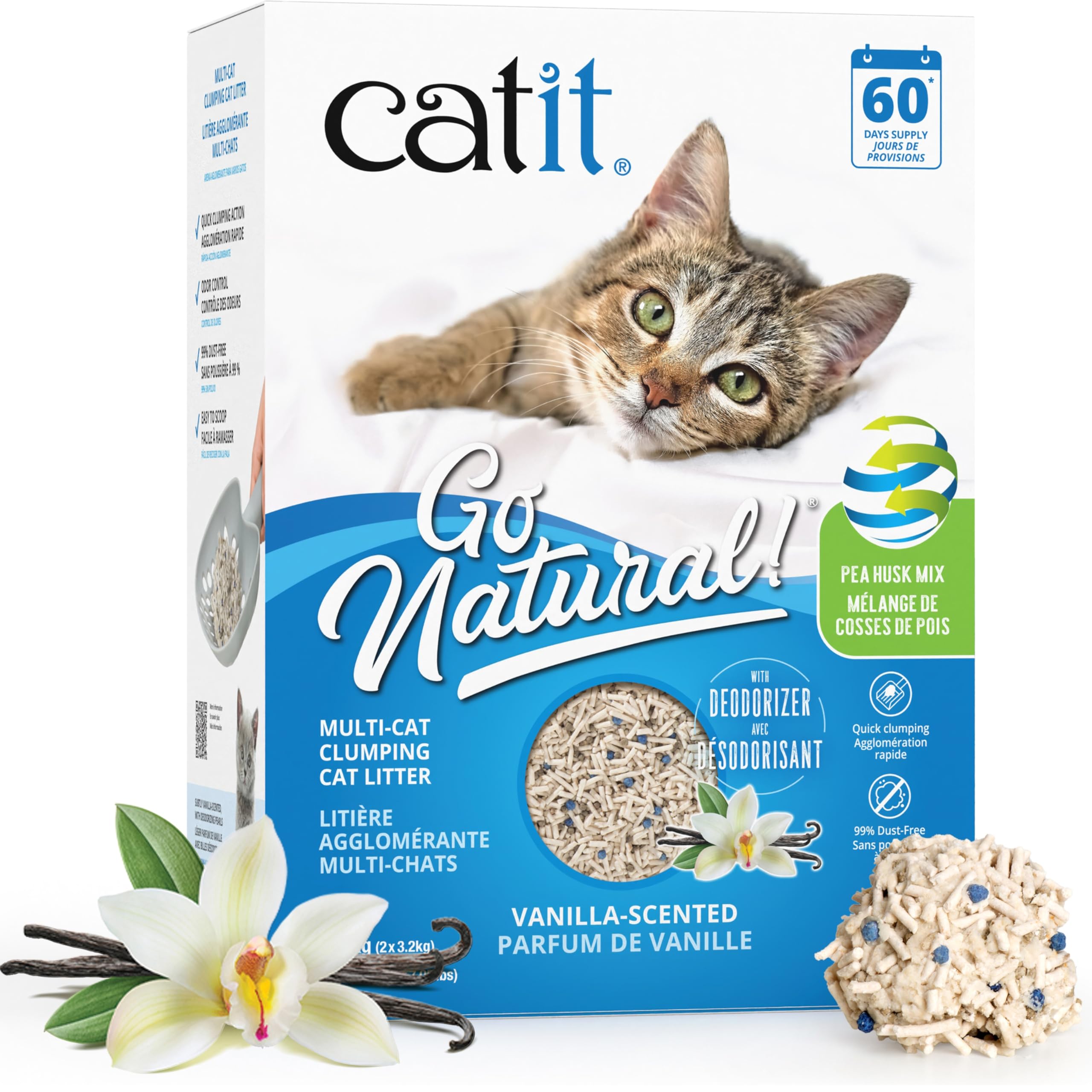
Catit’s hybrid formula splits the difference between the sustainability of plant-based litters and the clumping reliability of clay. It contains 70% pea husk and 30% bentonite clay — the clay component gives the clumps a dense, hard structure that clay loyalists trust, while the pea husk keeps the dust levels low. For a kitten whose previous home used traditional clay, this blend prevents the abrupt texture change that sometimes causes box avoidance.
Mixed-in deodorizing pearls and a mild vanilla fragrance work together to neutralize ammonia smells without laying on a heavy perfume layer. Users with multi-cat households report this formula handles three cats on a single-box schedule without the box smelling sour by day two. The 99% dust-free claim holds up well: the dust that does appear is mainly during the initial pour, not during digging or scooping.
The vanilla scent becomes noticeably less pleasant after a few days of use — several reviewers described it as “off-putting” once it mixes with waste. If your kitten has a history of respiratory sensitivity, the unscented pea husk option from the same brand is a safer bet. The hybrid also costs slightly more per pound than a straight clay litter, though most owners consider the clump quality worth the premium.
Why we love it
- Hybrid formula eases transition from clay to natural litters
- Firm, dense clumps that don’t crumble during scooping
- Excellent odor control even in multi-cat setups
Good to know
- Vanilla scent can become unpleasant after a few days
- Not ideal for kittens with strong scent aversions
- Higher per-pound cost than traditional clay options
4. Purina Tidy Cats Lightweight with Glade Clear Springs, 12 lb
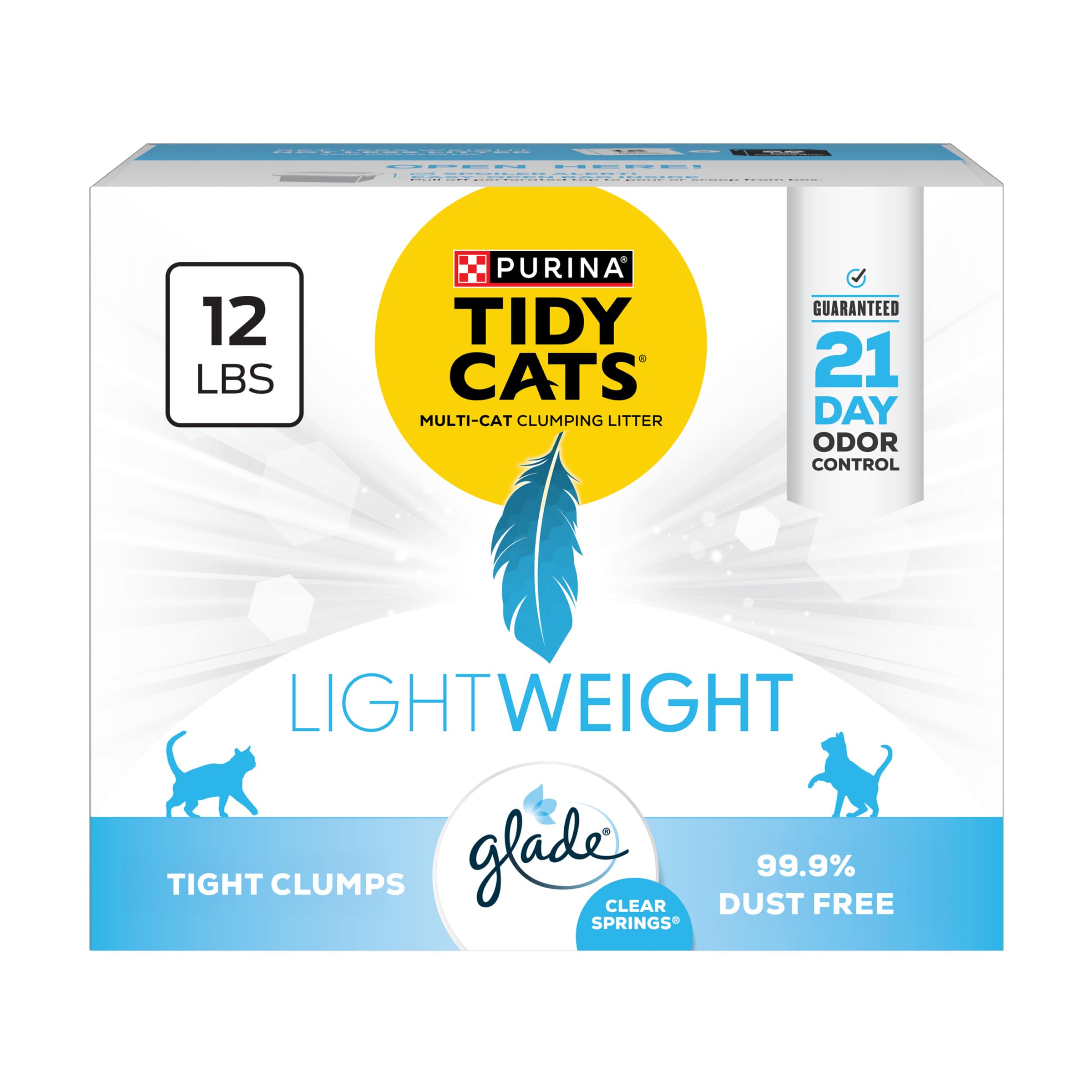
Purina’s lightweight clay formula is 50% lighter than standard clumping litter, which makes it easier to carry, pour, and store — a practical benefit for owners who manage the box daily. The Glade Clear Springs scent is designed to neutralize ammonia odors for up to 21 days, and the lightweight clay forms tight clumps that hold together well during scooping without dissolving into a soupy residue.
The 99.9% dust-free claim is impressive on paper, but in practice this clay formula still generates more visible airborne dust than any of the plant-based options on this list. Several user reviews noted tracking was noticeable — the lightweight particles cling to kitten fur and scatter beyond the box mat. For a robust, healthy older kitten, this is manageable, but for a very young kitten (under 8 weeks) this dust level may cause sneezing.
The scented formula is the main concern for kitten training. The Glade Clear Springs scent is pleasant to human noses but strong enough to put off a kitten that is still learning where the box is. If your kitten shows hesitation, try mixing this litter with an unscented clay gradually over a week rather than switching abruptly.
Why we love it
- Lightweight bag (50% lighter than standard clay) is easier to manage
- Strong clump formation holds up to vigorous digging
- Budget-friendly per-pound cost compared to plant-based alternatives
Good to know
- Still generates more dust than plant-based or wood litters
- Scented formula may discourage some kittens from using the box
- Tracking is noticeable on floors and furniture
5. Catalyst Natural Soft Wood Cat Litter (2 Pack, 10lb Bags)
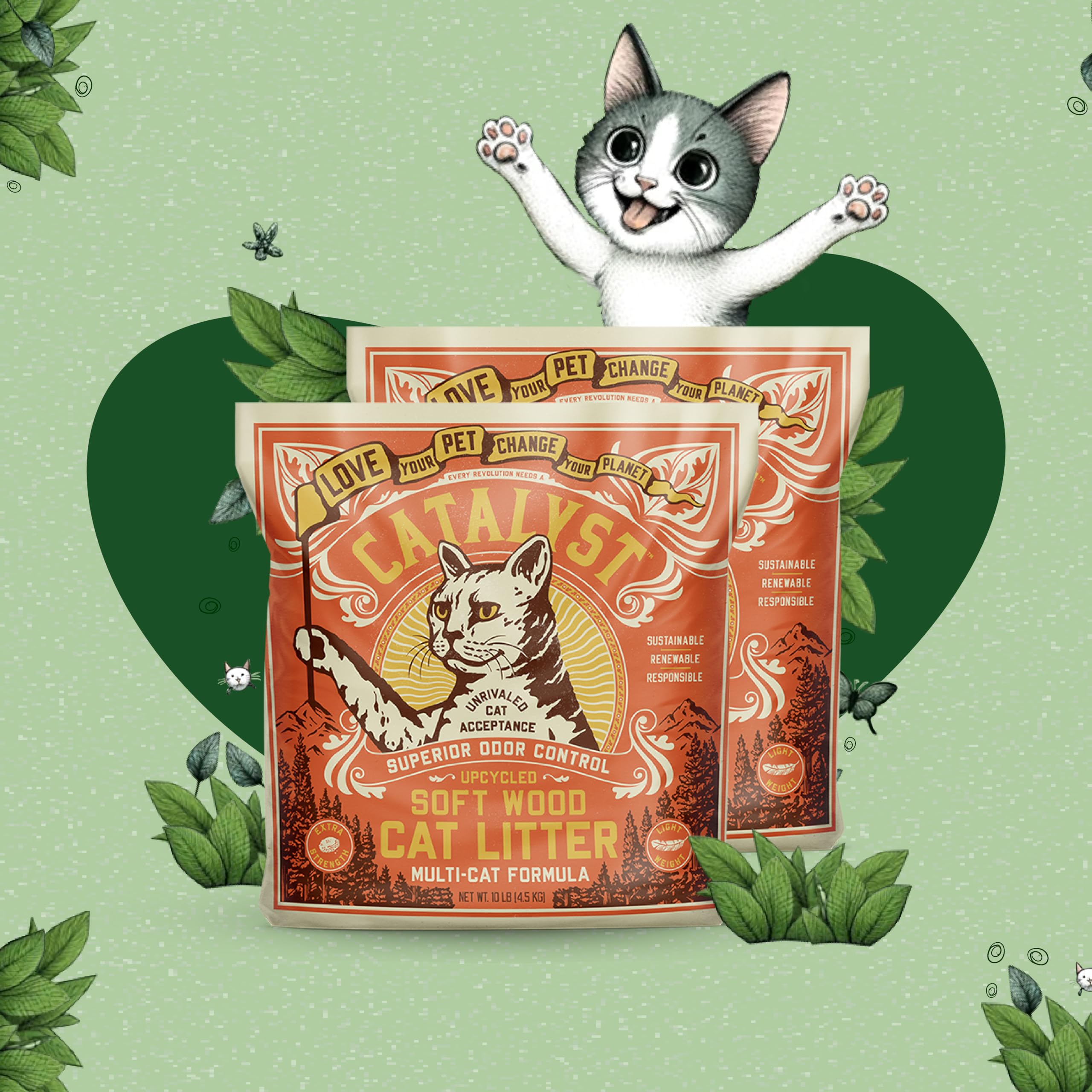
Catalyst turns reclaimed soft wood fibers from industrial waste into a lightweight, biodegradable litter that punches above its weight in longevity. Each 10lb bag is claimed to last a full month per cat, and the two-pack covers two months of use for a single kitten. The wood fiber technology creates clumps that are less concrete-like than clay but hold together firmly enough to scoop cleanly — they do not crumble into sawdust during removal.
The natural pine scent is mild and woody, not synthetic, and several users report it actually neutralizes ammonia smells better than scented litters that try to mask odors. The dust level is lower than clay but slightly higher than the pea husk or tofu options — the manufacturer calls it “virtually dust-free” rather than 99% dust-free. The soft wood texture is comfortable under paws, and the granules are lightweight enough that kittens can dig without resistance.
The main trade-off is clump firmness. Wood fiber clumps are softer and can fuse together at the bottom of the box if you go more than 24 hours without scooping. The bag-to-bag consistency has also been flagged — some batches produce noticeably finer particles that track more than others. Despite these quirks, the value-per-use calculation (roughly six cents per use) makes this an excellent long-term choice for owners who want sustainability without a premium price.
Why we love it
- One 10lb bag lasts an entire month for a single kitten
- Natural pine scent neutralizes odors without artificial fragrances
- Biodegradable and made from reclaimed wood waste
Good to know
- Softer clumps can fuse if not scooped daily
- Slightly more dust than pea husk or tofu alternatives
- Batch consistency varies — some bags produce finer particles
FAQ
What age is safe to use clumping cat litter for a kitten?
Is scented litter bad for kittens?
How do I know if my kitten dislikes the litter texture?
Final Thoughts: The Verdict
For most kitten owners, the best cat litter for kittens is the Catit Go Natural Pea Husk (Unscented) because it eliminates the two biggest risks — dust and fragrance — while providing absorbent, firm clumps that are easy to manage. If your kitten seems hesitant about pellet textures, the FUKUMARU Tofu Lavender offers the gentlest paw feel with near-instant clumping. And for owners who prioritize cost per use and sustainability, nothing beats the Catalyst Natural Soft Wood in the long run.