
Balancing a love for lush indoor greenery with the practical demands of cat ownership often feels like an impossible trade-off. Many popular houseplants are toxic to felines, forcing pet parents to choose between clean air and their companion’s safety — a dilemma that disappears when you select species verified as non-toxic.
I’m Mo Mahin — the founder and writer behind Furric. I have spent years analyzing market offerings, comparing botanical specifications against ASPCA toxic-plant lists, and cross-referencing owner-reported health outcomes to identify the safest, most effective living air filters for homes shared with cats.
This guide walks you through proven, pet-safe foliage that actively removes common indoor pollutants, so you can finally recommend the ideal best air purifying plants safe for cats with total confidence.
How To Choose The Best Air Purifying Plants Safe For Cats
Selecting a houseplant that both scrubs your air and poses zero risk to your cat requires focusing on more than just a pretty leaf. Three factors separate a genuinely safe, effective specimen from a decorative hazard.
ASPCA Verification Is Non-Negotiable
The American Society for the Prevention of Cruelty to Animals maintains a searchable database of plants classified as toxic, non-toxic, or containing irritants for cats, dogs, and horses. Any plant you bring into a feline-occupied home must appear on the “Non-Toxic to Cats” list. Genera such as Maranta, Spider (Chlorophytum), and Hoya consistently pass this test; many common favorites like lilies, pothos, and sago palm do not.
Foliage Surface Area vs. Transpiration Rate
A plant’s ability to remove volatile organic compounds (VOCs) like benzene and formaldehyde depends largely on total leaf surface area and the rate at which it transpires water vapor. Larger, broader leaves generally outperform narrow needles, but a single giant leaf is less efficient than many medium-sized leaves because gas exchange happens across the entire leaf surface. Look for plants with dense, multi-leaf growth habits — a trait shared by mature spider plants and well-branched prayer plants.
Growth Habit and Physical Safety
Cats are climbers, nibblers, and pawers. Plants with trailing vines, thin brittle stems, or sharp leaf edges (like many snake plants) pose physical risks even when chemically safe. Compact, low-growing rosettes or sturdy upright forms that can tolerate occasional curious investigation are ideal. The potting soil itself should also be free of systemic pesticides or slow-release chemical fertilizers that could be toxic if ingested along with a leaf.
Quick Comparison
On smaller screens, swipe sideways to see the full table.
| Model | Category | Best For | Key Spec | Amazon |
|---|---|---|---|---|
| Spider Plant Variety Pack | Premium | Multi-variety display and maximum air cleaning | 4 distinct cultivars, 28 in mature height | Amazon |
| Thorsen’s Prayer Plant | Premium | Compact desk or shelf specimen with nyctinastic leaves | Maranta leuconeura, 5-8 in tall at ship | Amazon |
| Hopewind Philodendron Brasil | Mid-Range | Low-maintenance trailing plant for bright indirect light | Philodendron hederaceum Brasil, 12 oz weight | Amazon |
| Hopewind Maranta Prayer Plant | Mid-Range | Vibrant lime-and-green pattern for tropical décor | Lemon Lime Maranta, 12-16 in height | Amazon |
| Prime Plants Hoya Publicalyx | Budget | Adaptable trailing vine with fragrant blooms | Hoya publicalyx splash, 0.5 ft height | Amazon |
In‑Depth Reviews
1. Spider Plant Variety Pack
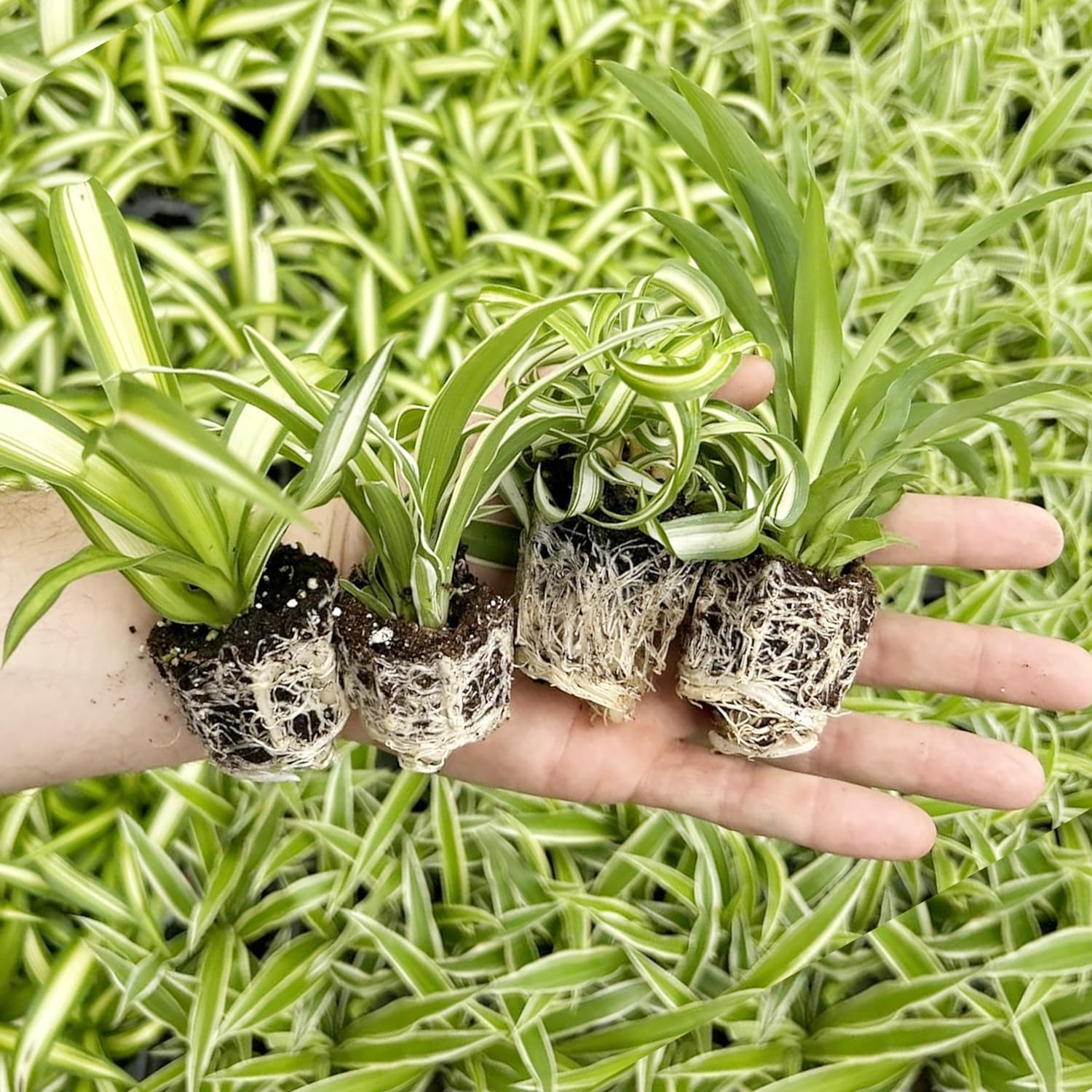
This premium four-pack bundles Ocean, Hawaiian, Green, and Bonnie Curly spider plants — each a distinct foliage type within the ASPCA-safe Chlorophytum genus. Spider plants are among the most effective NASA-documented air purifiers, and having four different cultivars in one order gives you a head start on dense, multi-leaf coverage across multiple rooms. The Bonnie Curly variety’s twisted leaves add visual texture that typical straight-leaf spider plants lack.
Buyers consistently report robust root systems that require immediate repotting into 4-inch pots, indicating the plants were well-established before shipping. The GMO-free designation and sandy-soil preference make these a straightforward choice for owners who want to avoid chemical-laden growing mediums. Mature height reaches 28 inches, making them suitable for floor stands or hanging baskets where cats can’t reach the soil.
Owner reviews highlight the healthy roots and excellent value relative to local nursery prices, though the plants arrive unlabeled — you’ll need to identify each cultivar yourself. The curly spider variety receives particular praise as a rare find in multi-packs. Quarantining new plants for a few days before introducing them to your permanent collection is a common practice mentioned by experienced owners.
Why we love it
- Four distinct spider cultivars for diverse air cleaning
- Well-established roots ready for immediate transplanting
- Drought-tolerant and forgiving for beginner plant owners
Good to know
- Plants arrive unlabeled — identification required
- Starter size needs repotting soon after arrival
2. Thorsen’s Greenhouse Lemon Lime Prayer Plant
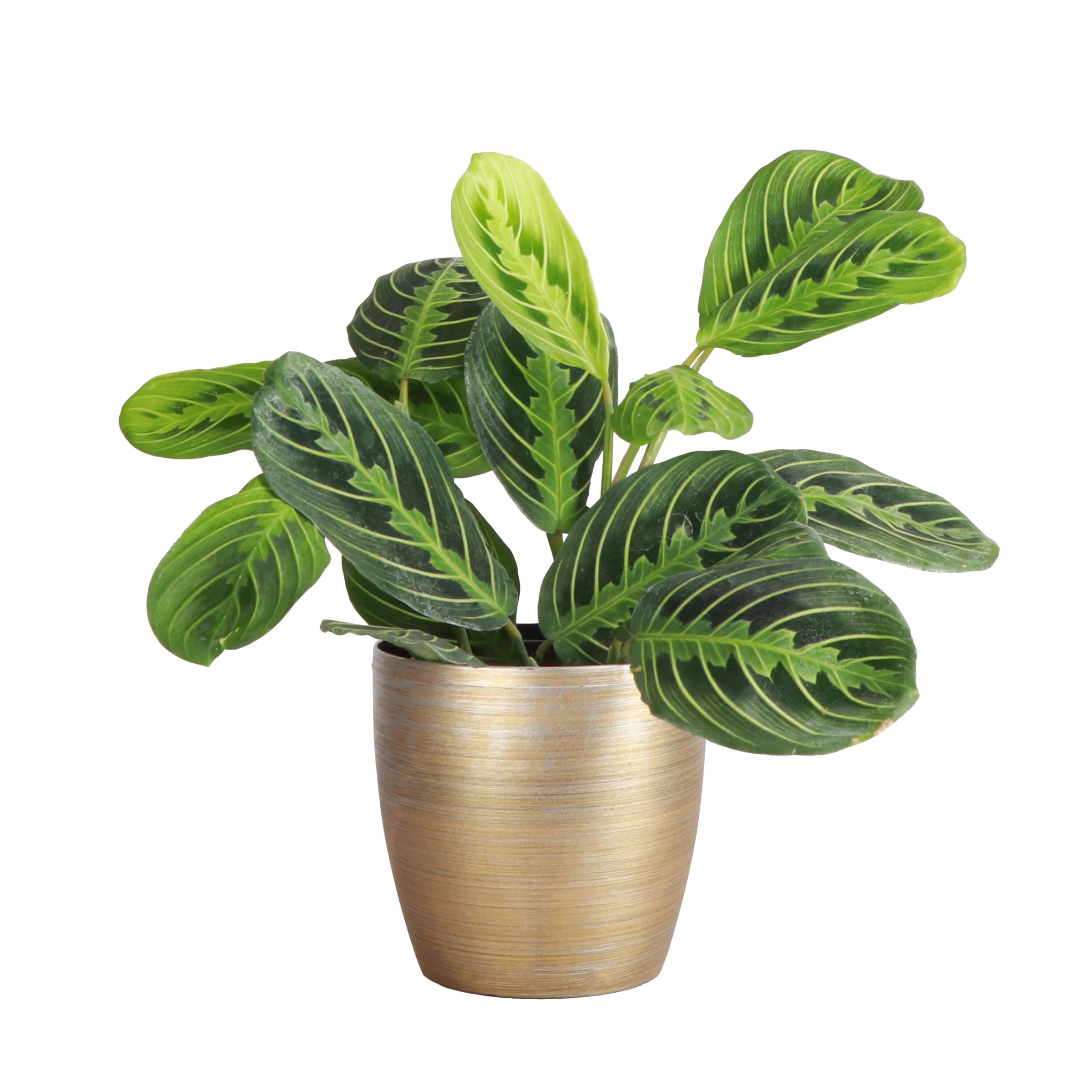
Thorsen’s Greenhouse offers a compact, pet-safe Maranta leuconeura that stands 5-8 inches tall at shipping — an ideal size for windowsills, end tables, or bookshelves where space is tight. The Lemon Lime variety displays bright green leaves with dark green stripes, and the plant exhibits nyctinastic leaf movement, folding upward at night like praying hands. This living rhythm gives cats visual stimulation without posing any toxic risk.
The sandy-soil recommendation and partial-sun preference make care predictable: water when the top inch feels dry and keep it in bright, indirect light. The plant’s sideways-growing habit makes it a natural candidate for hanging baskets, keeping the foliage safely above nose-level for most cats. Thorsen’s provides active customer support — multiple reviews mention replacement shipments issued quickly when initial orders had issues.
Customers report the plant arrives healthy, well-packed, and established enough to thrive even after shipping during frigid winters. The starter pot is small, so transferring to a wider container after the first week supports the sideways growth habit. At roughly the highest price point in this selection, the premium reflects Thorsen’s reliable packaging and responsive service rather than sheer leaf count.
Why we love it
- ASPCA-verified non-toxic with striking color variegation
- Nyctinastic leaf movement enriches home environment
- Responsive customer support with replacement guarantee
Good to know
- Starter pot is small — needs repotting within a week
- Sideways growth needs a wider pot, not a deeper one
3. Hopewind Philodendron Brasil

Hopewind’s Philodendron hederaceum Brasil is a trailing aroid recognized as non-toxic by the ASPCA, though the genus Philodendron is often falsely assumed dangerous — only specific species within the genus irritate cats, and this Brasil cultivar is not among them. It thrives in partial shade with moderate watering every 1-2 weeks, making it one of the most forgiving options on this list for forgetful owners.
The heart-shaped leaves feature solid pink variegation that becomes more pronounced under bright indirect light. At 12 ounces shipping weight, this is a lightweight, compact starter plant that fills out quickly when potted in a well-draining mix. Hopewind’s packaging protocol includes moisture retention during transit, and buyer reviews consistently confirm plants arrive with plentiful, healthy leaves and no soil spillage.
Multiple verified owners describe this as the best plant they have bought online, citing the full, bushy appearance and sturdy stems. The plant’s trailing habit makes it perfect for hanging baskets where you can control cat access. Hopewind offers a no-return replacement policy if the plant arrives damaged, though the overwhelming majority of reviews report pristine condition on delivery.
Why we love it
- Solid pink variegation stands out against solid green leaves
- Forgiving watering schedule suits busy owners
- Excellent packaging ensures healthy arrival
Good to know
- Prefers bright indirect light for best variegation
- Trailing vines may tempt curious cats — hang high
4. Hopewind Lemon Lime Maranta Prayer Plant

Hopewind’s Lemon Lime Maranta delivers the same prayer-plant leaf movement as the Thorsen’s offering but at a smaller overall price point while still providing a substantial 12-16 inch plant in a 4-inch nursery pot. The vivid green leaves brushed with yellow and dark-green veins create a tropical aesthetic that brightens dim corners. Maranta plants are universally recognized by the ASPCA as non-toxic, so your cat can investigate freely.
The organic material-feature label means the growing medium is free of systemic pesticides, an important detail when cats occasionally sample soil. Care instructions call for bright indirect light and watering only when the top half of the soil feels dry — roughly every 1-2 weeks. The plant prefers warm, humid conditions between 65-75°F, making it a natural fit for bathrooms or kitchens where humidity runs higher.
Owner reviews emphasize the plant’s fast growth rate after repotting, with several buyers noting they needed to repot a second time within months. The packaging from Hopewind’s California facility includes eco-friendly padding, and the plant arrives with moist soil and intact leaves. A small number of USPS delivery issues are noted, but the plant itself consistently receives five-star ratings for health and vibrancy.
Why we love it
- Large 12-16 inch starter plant for immediate impact
- Organic soil free of systemic pesticides
- Fast growth rewards repotting within months
Good to know
- Needs warm, humid environment to thrive
- Delivery carrier issues reported on some orders
5. Prime Plants California Hoya Publicalyx

Hoya publicalyx, commonly called wax plant, is one of the most drought-tolerant pet-safe options available. The small, thick leaves store water, allowing this plant to thrive on minimal care — its technical specification lists “little to no watering” as the moisture requirement. The splash variety features silver speckling on dark green foliage, and mature plants produce fragrant red-button blooms that add sensory interest without chemical risk to cats.
Prime Plants ships this as 3-4 individual plants in a 4-inch pot, creating an instantly full appearance. The trailing growth habit makes it ideal for elevated shelves or hanging planters where the vines can cascade safely. Spring-to-summer bloom period adds floral interest, and the live-arrival guarantee protects against shipping losses. Owner reviews consistently praise the generous quantity relative to price and the bonus cuttings occasionally included.
Multiple verified buyers describe receiving plants larger than expected with healthy root systems and new leaf growth appearing within days. The organic material-feature and spring-to-summer bloom window make this a long-term investment that rewards patience. Its adaptableness to various light conditions — from bright indirect to lower light — gives you flexibility in placement that strict-light plants cannot match.
Why we love it
- Extremely drought-tolerant — forgiving for beginners
- Produces fragrant blossoms in warm months
- Generous multi-plant pot for full appearance
Good to know
- Needs 6-8 weeks before optimal planting season
- Trailing vines best placed on high shelves
FAQ
Which common houseplants are toxic to cats even though they are sold as air purifiers?
How many cat-safe plants do I need to effectively improve indoor air quality?
Final Thoughts: The Verdict
For most gardeners, the best air purifying plants safe for cats winner is the Spider Plant Variety Pack because it delivers four distinct air-cleaning cultivars in one order, provides maximum foliage surface area for VOC absorption, and is backed by overwhelming owner confidence in root health and growth vigor. If you want a compact desktop specimen with moving leaves, grab the Thorsen’s Lemon Lime Prayer Plant. And for a budget-friendly trailing option that blooms and requires minimal care, nothing beats the Prime Plants Hoya Publicalyx.