
Finding the right mouthpiece for hours on the trail isn’t about the fanciest shank or the most severe action—it’s about a quiet, confident horse that stays relaxed over uneven terrain, creek crossings, and long stretches of open country. A bit that pinches, rattles, or creates anxiety can turn a pleasant ride into a constant battle, while a well-chosen design encourages soft, responsive contact mile after mile.
I’m Mo Mahin — the founder and writer behind Furric. I’ve spent years studying how mouthpiece materials, cheek styles, and port profiles affect equine behavior, cross-referencing manufacturer specs with real-world feedback from trail riders, trainers, and weekend enthusiasts to identify what actually works on the trail.
Whether you’re starting a colt or re-tuning an older horse to a lighter touch, the right horse bit for trail riding balances comfort with control so both you and your partner can enjoy the journey without drama.
How To Choose The Best Horse Bit For Trail Riding
Trail riding demands a bit that is forgiving enough for long hours yet effective enough when the terrain gets technical or your horse gets distracted. The wrong choice can cause mouth soreness, head-tossing, or a horse that simply leans on the bit. Focus on three key factors to match the bit to your horse’s mouth and your riding style.
Mouthpiece Material & Salivation
Copper and sweet iron (a rust-prone steel that oxidizes in the mouth) promote salivation, which keeps the mouth moist and the horse soft through the bridle. Stainless steel is clean and durable but does not encourage the same level of acceptance. Rubber mouthed bits offer a gentle option for horses with sensitive gums or those that dislike metal, though rubber can wear or peel over time. For most trail horses, a copper inlay or sweet-iron mouthpiece provides the best balance of durability and acceptance.
Cheek Style & Stability
D-ring and full-cheek snaffles offer the most stability on the trail because the cheek design prevents the bit from pulling through the mouth on one-rein stops or while navigating tight switchbacks. Loose-ring snaffles are forgiving but can sometimes pinch the corners of the mouth without bit guards. For a horse that needs more steering input, a full cheek provides lateral stability while maintaining a mild mouthpiece action. Curb bits with shanks add leverage and should only be used if your horse is already tuned to poll pressure and you want a quicker stop without heavy rein tension.
Port Profile & Tongue Relief
Low-port bits (typically half an inch to three-quarters of an inch) allow room for the tongue while distributing pressure across the bars of the mouth, making them a smart choice for horses that open their mouths or lean against a straight-bar mouthpiece. A port that is too high can create a palate pressure point, which is uncomfortable and counterproductive on a long ride. For most trail applications, a low to medium port with a copper roller or dogbone encourages the horse to play with the bit and stay mentally engaged rather than brace against the pressure.
Quick Comparison
On smaller screens, swipe sideways to see the full table.
| Model | Category | Best For | Key Spec | Amazon |
|---|---|---|---|---|
| Challenger D-Ring Snaffle | Snaffle | All-around trail responsiveness | Stainless steel / copper rollers | Amazon |
| Reinsman Josey Mitchell Fast Gag | Gag | Lifting shoulders & brakes | 3-piece twisted sweet iron / copper dogbone | Amazon |
| Tough 1 Correction Low Port | Curb | Gaited horses needing outside-the-box control | Low port / antique brown cheeks | Amazon |
| Tough 1 Kelly Silver Star | Snaffle | Green colts & sensitive mouths | Copper low port / 8″ swivel cheeks | Amazon |
| Weaver Leather Chrome Plated | Snaffle | Budget-solid training & everyday use | 5″ copper mouth / 6.5″ cheeks | Amazon |
| Weaver Equine Rubber Dee Ring | Snaffle | OTTBs & metal-shy mouths | 5″ rubber mouth / 2.875″ dees | Amazon |
| Westen at Rope Nose Little S Hackamore | Hackamore | Bit-refusers & head-tossers | Carbon steel nose / polypropylene rope | Amazon |
In‑Depth Reviews
1. Challenger Horsewear D-Ring Comfort Snaffle
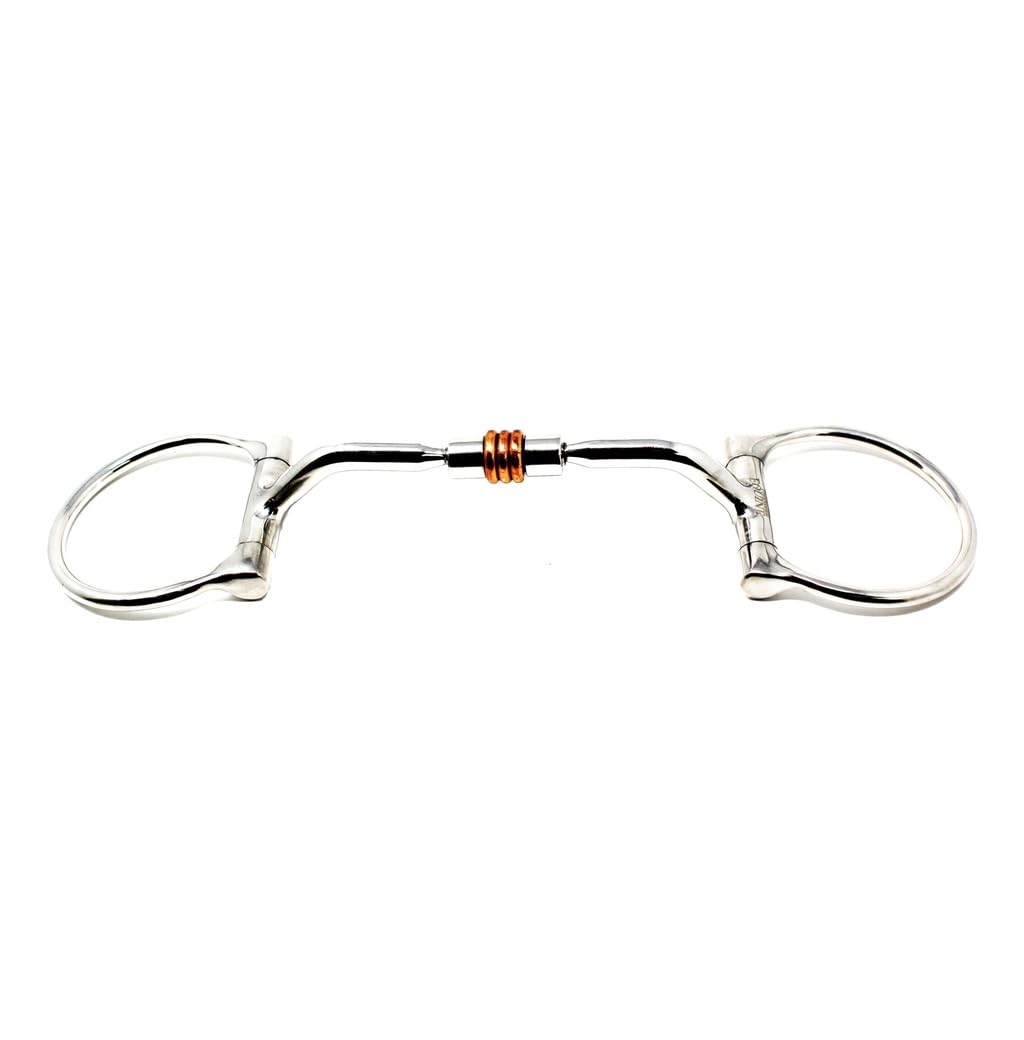
The Challenger D-Ring Comfort Snaffle delivers a premium feel at a mid-range price, combining a polished stainless steel body with copper rollers that encourage salivation without the sticker shock of boutique brands. The mouthpiece is a 5.5-inch design with a low-profile copper lozenge that provides gentle tongue relief, a feature often found on bits costing twice as much. Riders report that horses that were tense or heavy-lipped with straight-bar bits softened noticeably after switching to this model.
The round D-ring cheeks rotate freely without pinching, a critical detail for trail horses that turn their head to look at terrain or wildlife. The surface is smooth and free of sharp edges, minimizing the risk of rubs on the corners of the mouth during all-day rides. Multiple reviewers noted that this bit is a direct alternative to Myler and Professional Choice designs at a fraction of the price, with similar tongue-relief geometry.
One caveat: the initial squeaking from the cheek joints reported by some users resolved after a few weeks of use, so a drop of bit-lube on assembly is a smart move right out of the box. For the trail rider who wants a versatile, horse-kind snaffle that works across Western and English disciplines, this is the strongest contender in this list.
Why we love it
- Copper lozenge encourages salivation and soft acceptance
- Smooth, polished surfaces reduce risk of mouth rubbing
- Comparable tongue relief to premium brands at a better value
Good to know
- Cheeks may squeak initially until broken in
- Only available in 5.5-inch mouth size
2. Reinsman Josey Mitchell 3-Piece Fast Gag
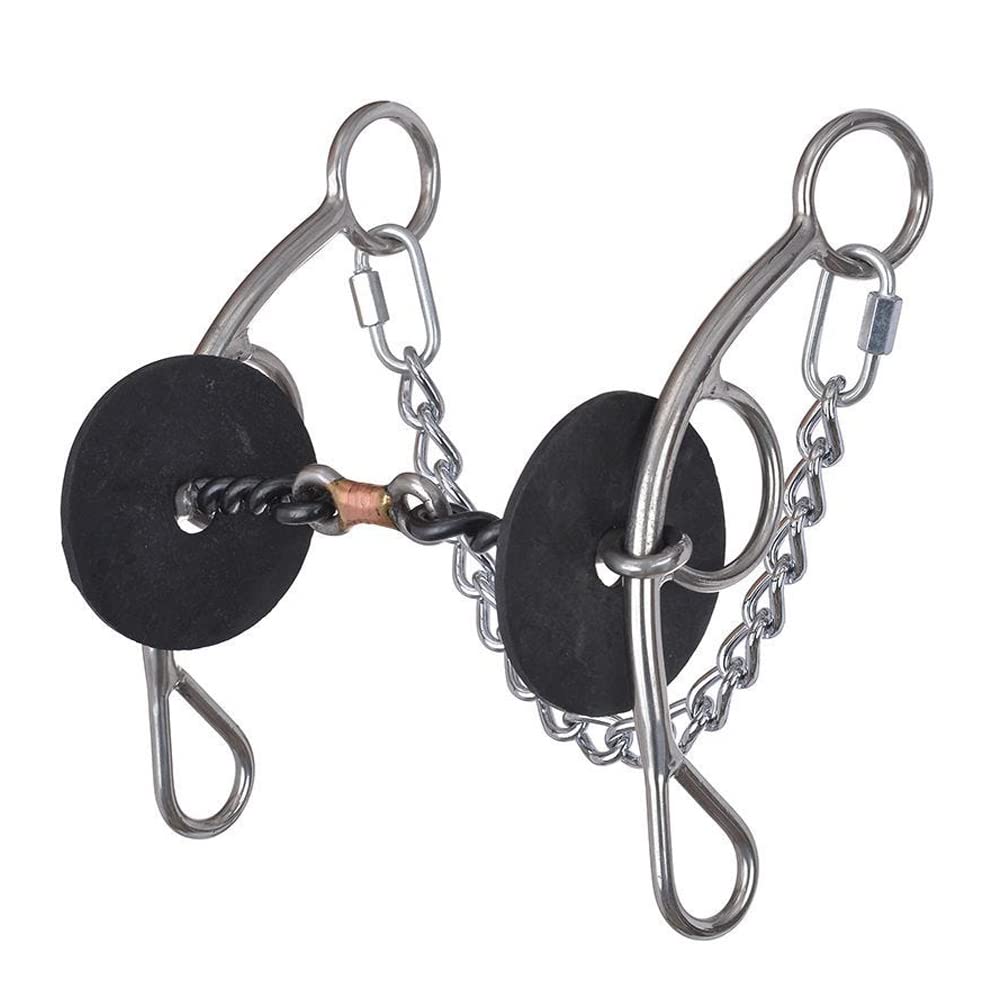
The Reinsman Fast Gag is engineered for the trail rider whose horse needs help lifting its shoulders and setting up for a balanced stop, particularly on downhill stretches or when navigating obstacles that require collection. The 3-piece twisted wire mouthpiece is paired with a copper dogbone center link that adds a sweet-iron element to stimulate salivation. The gag action is moderate, not severe, making it suitable for horses that have learned to lean on a simple snaffle.
Constructed with 5/16-inch diameter wire, the mouthpiece encourages the horse to respect the bit without creating a hard brace. Riders using this bit on barrel horses found it excellent for preventing drops into turns, but the same lifting action translates well to trail scenarios where you need your horse to balance its weight off the forehand. The shorter shank keeps poll pressure manageable, and the Stage C rating means it works for horses already accustomed to neck reining.
Because the mouthpiece is twisted, it is not the ideal choice for a horse with a very tender or dry mouth. It is a step-up bit, not a starting bit. For the rider who has exhausted mild snaffles and needs a bit that provides clear but fair communication on the trail, the Reinsman delivers control without crossing into severe territory.
Why we love it
- Moderate gag action lifts the shoulder and encourages balanced stops
- Copper dogbone promotes salivation despite the twisted wire
- High-quality materials from a respected US tack brand
Good to know
- Twisted wire may be too sharp for very sensitive mouths
- Not an introductory bit for green horses
3. Tough 1 Antique Brown Low Port Correction Bit

The Tough 1 Correction Bit is a curb bit with a low port and antique brown shanks, built for horses that need more stopping power or a different pressure distribution than a simple snaffle provides. The 5-inch stainless steel mouthpiece offers a low port that gives tongue relief while applying pressure across the bars, making it a solid choice for gaited horses that tend to lean or brace. Riders of Paso Finos, Rocky Mountain ponies, and Tennessee Walking Horses reported that this bit helped relax the head and improve turn coordination.
The antique brown finish on the cheeks looks sharp under Western bridles, and the stainless steel construction holds up well to the moisture and mud of trail conditions. At just over 10 ounces, it is lightweight and sits naturally in the horse’s mouth without excessive weight pulling on the corners. Multiple reviewers noted that picky mares that tossed their heads with other bits accepted this low port design immediately.
A few buyers reported superficial rust on the shanks upon arrival, though the rust was easily removed. The cheek joints may squeak initially and benefit from lubrication. For the budget-conscious trail rider with a horse that needs a low-port curb action, this bit punches above its price point.
Why we love it
- Low port provides tongue relief while distributing pressure evenly
- Lightweight stainless steel construction is ideal for long rides
- Effective for gaited horses that brace against standard snaffles
Good to know
- Some units had superficial rust on shanks out of the box
- Cheeks may need lubrication to stop initial squeaking
4. Tough 1 Kelly Silver Star Copper Swivel Cheek
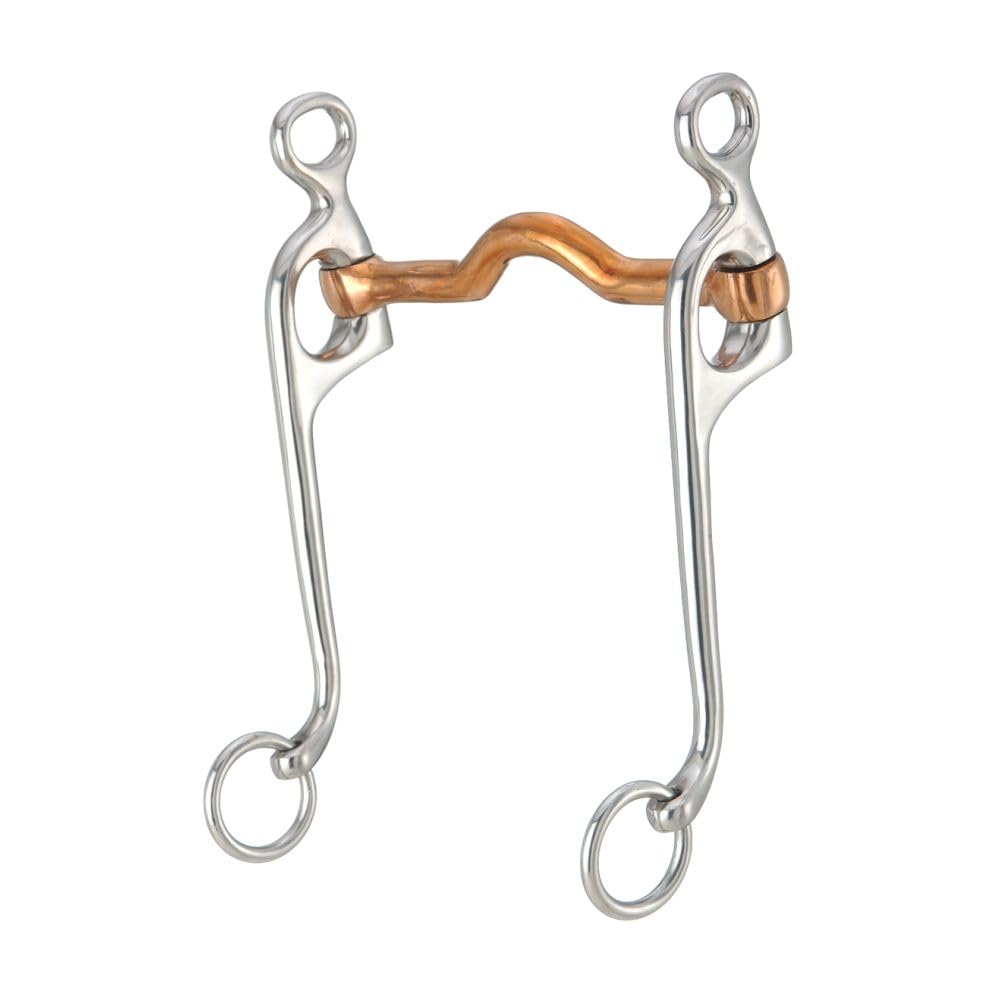
The Tough 1 Kelly Silver Star is a D-ring snaffle with a copper low port and 8-inch stainless steel swivel cheeks, making it one of the most forgiving bits for colts and soft-mouthed horses hitting the trail for the first time. The sweet iron mouthpiece naturally oxidizes, creating a slightly rusty taste that encourages the horse to salivate and accept the bit — a well-known advantage in the starting-bit world. The D-ring design prevents pull-through, giving the rider stable steering without harsh leverage.
After 3.5 months of near-daily use, one reviewer noted only slight discoloration from weekly water cleaning, and the cheeks continued to spin freely with no evidence of pinching at the corners. The copper roller in the center stays in motion when the horse plays with the bit, which can help a nervous or bored horse remain focused on the rider’s cues rather than leaning against the mouthpiece. Several buyers bought a second one after their horse refused to go back to a straight-bar bit.
The copper roller is the only part that may show wear faster on one side if your horse has a stiffness preference, but this is a normal pattern with any copper-inlay bit. For the trail rider starting a green horse or rehabilitating a mouth that has gone hard from a less forgiving bit, this is a near-perfect starting point.
Why we love it
- Sweet iron oxidizes naturally, boosting salivation and acceptance
- Swivel D-ring design prevents pull-through and corner pinching
- Excellent value for a colt-starting or sensitive-mouth bit
Good to know
- Copper roller may wear faster on one side in asymmetrical horses
- Not as polished as premium brands, but durable for the price
5. Weaver Leather Chrome Plated Copper Mouth Snaffle

The Weaver Leather Chrome Plated snaffle features a 5-inch copper-plated mouthpiece on 6.5-inch cheeks, making it a straightforward, no-frills option for trail riders who want a mild mouthpiece without investing in a premium brand. The copper plating provides enough metallic taste to encourage a soft mouth, and the chrome finish on the cheeks is smooth and resists superficial rust when wiped down after rides. Reviewers consistently praised the build quality relative to the price point, calling it “well made” and “very nice.”
Quarter Horse owners and riders starting babies reported that the bit sits appropriately in a standard-sized mouth and that the copper mouthpiece is mild enough for training without being heavy. The loose-ring action is gentle, though a few riders noted that the ring can pinch the corners if you are heavy-handed, recommending bit guards as a cheap upgrade. The bit weighs in at a light 0.36 kilograms, which helps prevent fatigue on the horse’s mouth over multi-hour trail loops.
The bronze finish on the copper section can develop a patina if left in wet conditions, but simple cleaning restores its appearance. For the budget-focused rider looking for a reliable copper-mouth snaffle that gets the job done without fuss, the Weaver Leather snaffle is a hard-working choice that punches above its price tier.
Why we love it
- Copper-plated mouthpiece encourages softness without being harsh
- Lightweight construction is comfortable for long trail days
- Reliable build quality at a budget-friendly price
Good to know
- Loose rings may pinch corners without bit guards
- Bronze/copper patina develops if left wet after rides
6. Weaver Equine Rubber Dee Ring Snaffle

The Weaver Equine Rubber Dee Ring Snaffle swaps metal for a 5-inch rubber mouthpiece, making it the go-to choice for horses that dislike cold steel, have sensitive gums, or tend to turn into “giraffes” and risk banging their teeth on a hard mouthpiece. The rubber is thick — some found it a bit too thick on the corners — but the material is gentle and forgiving, especially for off-track Thoroughbreds (OTTBs) that may carry mouth damage from racing. The 2.875-inch Dee rings provide the same lateral stability as the D-ring design, keeping the bit centered in the mouth during one-rein stops.
Lightweight at just 10.4 ounces, the rubber mouthpiece reduces pressure on the bars and tongue, and the lack of metal-on-metal contact inside the mouth can be a welcome change for a horse that clamps down or chews aggressively on a metal bit. One reviewer with an OTTB reported that the rubber mouthpiece was the first bit their horse fully accepted without tossing its head or gaping.
The most significant concern is durability. One reviewer reported peeling rubber at the joint and a chemical smell, suggesting that the rubber may degrade faster than a metal mouthpiece, especially if the horse is a vigorous chewer. The chrome-plated Dee rings are sturdy, but the mouthpiece itself is the weakest link. This bit is best suited for light to moderate trail use and should be inspected regularly for rubber integrity.
Why we love it
- Rubber mouthpiece is extremely gentle on sensitive teeth and gums
- Dee rings provide stable steering without pinching
- Excellent transition bit for OTTBs or horses with mouth trauma
Good to know
- Rubber may peel or degrade with heavy chewing or sun exposure
- Mouthpiece thickness can feel bulky at the corners for some horses
7. Westen at Rope Nose Little S Hackamore

The Westen at Rope Nose Little S Hackamore is not a bit at all — it is a mechanical hackamore that uses leverage on the nose and chin rather than a mouthpiece, making it the top choice for horses that refuse a bit, toss their heads with every metal mouthpiece you try, or require a break from dental pressure. The carbon steel noseband is wrapped in a polypropylene rope that applies pressure across the nose bridge without being punishing, and the 6-inch shanks offer moderate leverage for stopping power without excessive force.
Riders who switched from standard bits to this hackamore reported immediate improvements in horses that previously threw their heads during speed events or trail spooks. One user with a mare that “blew up” underneath them found that a light squeeze on the reins was enough to regain control without escalating tension. The simple rope nose design conforms slightly over time, creating a custom fit as the fibers settle.
The hackamore lacks bridle keepers, causing the noseband to wiggle slightly with rein action, though reviewers noted that the noseband tended to shape itself with use and the wiggle diminished. It is not ideal for riders who rely on fine mouth cues for lateral work, but for trail riders whose primary goal is a comfortable, cooperative horse that stops and steers reliably without a mouthpiece, this is a transformative alternative.
Why we love it
- Effective bit-free alternative for head-tossers and bit-refusers
- Rope noseband forms to the horse’s face over time
- Moderate leverage provides control without heavy rein tension
Good to know
- No bridle keepers, so noseband can wiggle until broken in
- Not suitable for riders who need fine mouth-cue lateral work
FAQ
What size bit does my horse need for trail riding?
Should I use a snaffle or a curb bit on the trail?
Can I use a hackamore instead of a bit for trail riding?
Final Thoughts: The Verdict
For most trail riders, the strongest horse bit for trail riding is the Challenger D-Ring Comfort Snaffle because the copper-roller tongue relief and smooth D-ring action provide all-day comfort without breaking the bank. If you need more stopping power for a strong or heavy-shouldered horse, grab the Reinsman Josey Mitchell Fast Gag. And for a horse that simply refuses a bit, the Westen Little S Hackamore offers a transformative bit-free alternative that lets both of you enjoy the trail without the drama.