
Your chickens are restless, feather quality is declining, and you spot tiny moving specks near the vent or under the wings. That’s the unmistakable sign of a mite infestation, and left unchecked, it causes anemia, reduced egg production, and even death. The window to act is short.
I’m Mo Mahin — the founder and writer behind Furric. I’ve spent years comparing active-ingredient ratios, dust formulations versus spray coverages, and aggregating owner feedback from backyard flocks to find the products that actually break the mite life cycle.
After analyzing formulations, application methods, and real flock-owner results, these five products stand as the most reliable options for keeping your birds healthy. Read on for the definitive list of the best mite treatment for chickens on the market today.
How To Choose The Best Mite Treatment For Chickens
Mites are not a one-and-done pest. They multiply in days, hide in coop crevices during daylight, and feed on your flock at night. Choosing a treatment means understanding the difference between knockdown speed, residual duration, and application safety for both birds and humans.
Active Ingredient Matters
Permethrin is the most common active in poultry mite treatments. A ready-to-use spray with 0.50% permethrin works for direct bird application and light coop misting. A 10% permethrin concentrate requires dilution but delivers far more cost-per-treatment and better residual coverage on coop surfaces. Silica-based dusts like Cimexa offer a non-chemical route by physically desiccating mites, and they remain effective for years in undisturbed areas.
Application Method: Spray vs. Dust vs. Concentrate
Sprays give immediate coverage of the bird’s body and the coop, but they dry and lose potency within days. Dusts provide long-term passive protection in nesting boxes and wall voids but require careful application to avoid inhalation. Concentrates let you mix fresh spray as needed, offering the best balance of cost and coverage for large or frequent infestations.
Treatment Durability and Reapplication Interval
Mite eggs are resistant to most sprays. A single application rarely eradicates the population — you need a second treatment 7 to 10 days later when the eggs hatch. Products with longer residual action, like Cimexa dust (up to 10 years) or Talstar granules (2–4 months outdoors), reduce the need for weekly reapplication and help prevent reinfestation from wild birds or rodents.
Quick Comparison
On smaller screens, swipe sideways to see the full table.
| Model | Category | Best For | Key Spec | Amazon |
|---|---|---|---|---|
| Rockwell Labs Cimexa Dust | Silica Dust | Long-term nest box & wall void protection | 100% silica, 10-year residual | Amazon |
| Martin’s Pen Poultry Spray | Ready-to-Use Spray | Quick bird & coop spot treatment | 0.50% permethrin, 32 oz RTU | Amazon |
| Goodwinol Vet RX Remedy | Topical Remedy | Internal & external health support | 2 oz concentrated drops | Amazon |
| Durvet Permethrin EC 10% | Concentrate | Large-scale coop & premise treatment | 10% permethrin, 16 oz concentrate | Amazon |
| Talstar PL Granules | Granules | Perimeter & outdoor run protection | Sand-core granules, 2-4 month residual | Amazon |
In‑Depth Reviews
1. Rockwell Labs Cimexa Insecticide Dust

This is not diatomaceous earth. Cimexa is 100% amorphous silica dust that works through a physical mode of action — it adsorbs the waxy cuticle layer from mites, causing them to desiccate and die within hours. Because it works mechanically rather than chemically, mites cannot develop resistance, making this a permanent solution for nest boxes, roost crevices, and wall voids. Owner reports confirm 100% mortality on bed bugs and fleas, and the same mechanism applies directly to poultry mites.
The 4-ounce bottle covers a surprising amount of space when applied with a puffer or even a paintbrush. The dust remains effective for up to 10 years if left undisturbed, so a single treatment inside the coop structure outlasts any spray on the market. Users note that it is odorless and non-staining, and owners of dogs and cats report no issues as long as the dust is not inhaled directly during application.
Application requires a light touch — a thin film is more effective than a thick pile. Use a puffer tool to apply into cracks and around nesting material. Avoid creating airborne clouds during application. The 4-ounce size is perfect for a small backyard flock, though larger operations may want multiple bottles or the 1-pound option.
Why we love it
- Physical mode of action prevents resistance development
- 10-year residual in undisturbed areas means fewer reapplications
- Odorless, non-staining, and safe when applied correctly
Good to know
- Requires a puffer or brush for precise application
- Avoid creating airborne dust to prevent respiratory irritation
2. Martin’s Pen Poultry Insecticide Spray

Martin’s Pen Poultry Spray is the most straightforward ready-to-use option on this list. With 0.50% permethrin pre-mixed in a 32-ounce quart bottle, you can spray directly onto the bird’s feathers and vent area as well as the coop roosts and nesting boxes. The spray kills adult mites and lice on contact, and the residual activity provides protection for several days after application.
Owner feedback consistently highlights that the spray has a pleasant scent — unusual for an insecticide — and dries quickly without leaving a sticky residue. Many backyard flock keepers use it as a weekly preventive measure, spraying the coop interior and giving the birds a light mist on the feathers and legs. The ready-to-use format removes any guesswork around dilution ratios, which is especially valuable for new poultry owners.
The bottle is best suited for smaller coops with up to 10–15 birds. For deeper infestations covering the entire coop structure, you will need multiple bottles. Also note that permethrin sprays have limited effect on mite eggs, so a follow-up treatment at 7–10 days is essential to catch the newly hatched nymphs.
Why we love it
- Ready-to-use: no mixing or measuring required
- Pleasant scent and quick drying on bird feathers
- Effective as both a treatment and weekly preventive
Good to know
- Does not kill mite eggs; requires follow-up application
- 32 oz goes quickly on moderate to large coops
3. Goodwinol Vet RX Veterinary Remedy

Goodwinol Vet RX is a different category of product. It is not a contact-kill insecticide like the sprays or dusts above — it is a veterinary remedy formulated for both internal and external use on poultry, ducks, turkeys, and game birds. Owners add a few drops to the drinking water or apply it topically to the bird’s comb, wattles, and vent area. The formula supports the bird’s natural defenses against mites, lice, and respiratory distress.
Multiple verified reviews credit this remedy with saving sick hens that were wheezing and lethargic, with birds returning to normal activity within a few days. It is especially favored during cold months when birds are more susceptible to health issues, and owners use it preventively by adding it to the waterer every few weeks. The 2-ounce bottle goes a long way — a little goes a long way according to nearly every owner review.
This is not a standalone solution for a heavy mite infestation. It works best as a supportive treatment alongside a spray or dust that physically eliminates the mites from the coop. If your birds show signs of weakness, pale combs, or respiratory symptoms, adding Vet RX to their water while treating the coop with Cimexa or permethrin gives them the best chance of full recovery.
Why we love it
- Can be used internally in water or externally on the bird
- Excellent supportive remedy for sick or weak birds
- Highly concentrated bottle lasts many treatments
Good to know
- Not a contact insecticide — does not kill mites directly
- Best paired with a dust or spray for complete mite control
4. Durvet Permethrin EC 10%

Durvet Permethrin EC 10% is a concentrated emulsifiable concentrate that is diluted with water before use. The standard dilution for poultry premises is 1 ounce of concentrate per gallon of water, giving you 16 full gallons of ready-to-use spray from a single bottle. This makes it by far the most cost-effective option for treating large coops, barns, or multi-flock operations.
The 10% permethrin concentration is significantly stronger than the 0.50% found in Martin’s spray. Users report it kills spiders, ticks, mosquitoes, ants, and mites with a single spray and provides residual protection for weeks on treated surfaces. The product is labeled for use on poultry, dogs, horses, cattle, sheep, and goats, making it a versatile tool for any farm or homestead. Owners note that it has a strong chemical smell during application that dissipates once dry.
Because it is a concentrate, you must have measuring equipment and follow the label dilution exactly. Over-concentrating can harm birds or beneficial insects. The product is also toxic to bees and aquatic life, so it should never be sprayed near flowering plants or water sources. For the diligent owner, this is the workhorse of mite control — powerful, long-lasting, and incredibly economic per treatment.
Why we love it
- Extremely cost-effective: 16 oz makes 16 gallons of spray
- High 10% concentration knocks down heavy infestations fast
- Labeled for multiple species beyond poultry
Good to know
- Requires precise dilution to avoid harming birds
- Strong chemical smell during application; toxic to bees
5. Talstar PL Granules Insecticide
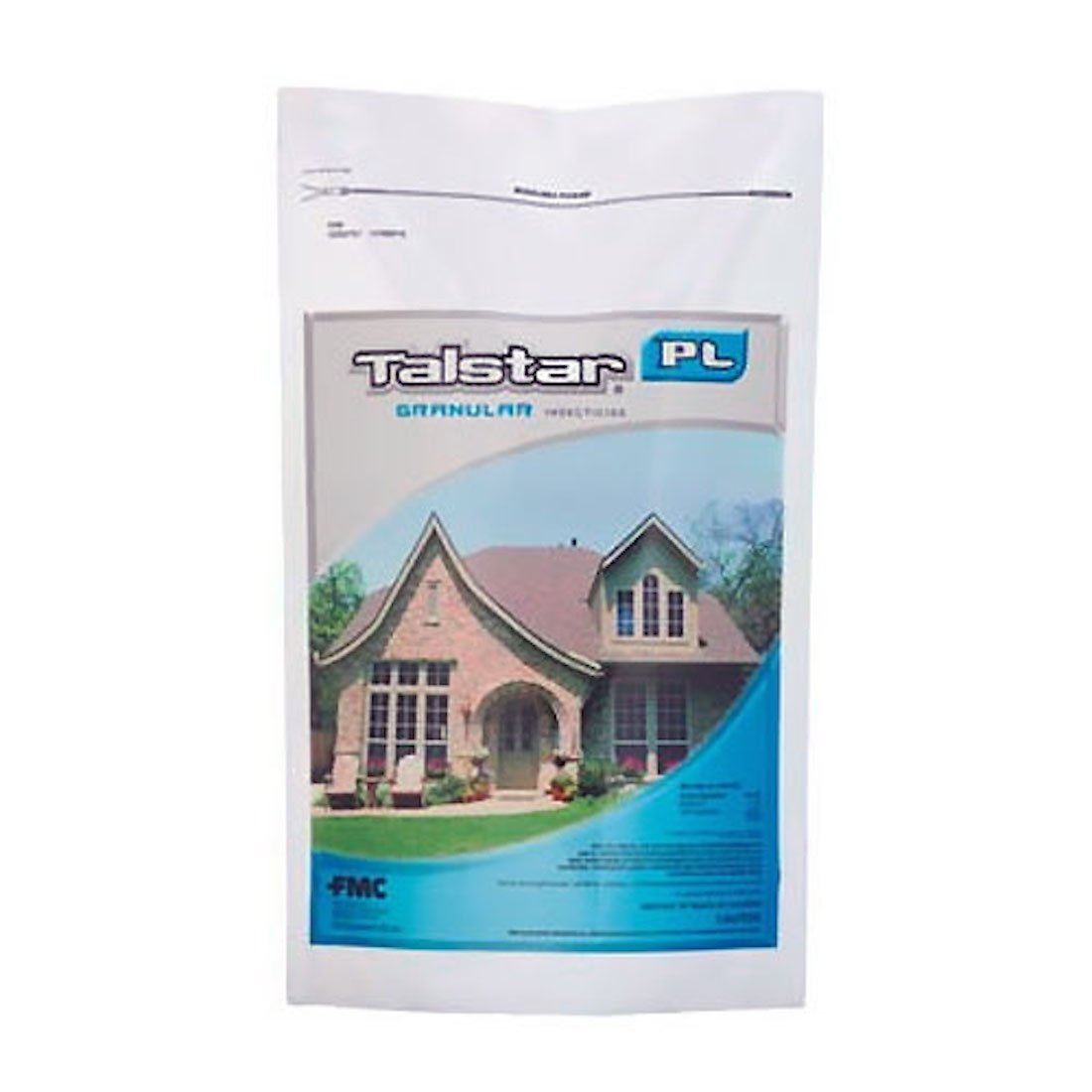
Talstar PL Granules are not a direct treatment for the birds themselves, but they are the best tool for creating a mite-free perimeter around the coop and outdoor run. The sand-core granular structure provides a 2- to 4-month residual that penetrates mulch and grass without requiring watering-in. Broadcast the granules around the coop base, run perimeter, and high-traffic areas where wild birds and rodents may introduce mites.
Owner reviews confirm that Talstar eliminates ants, fleas, crickets, earwigs, and black widows, and the same action works on mites that travel through the soil or grass. The granules are slow-acting — expect to see dead insects within a few days and full control within two weeks. Once established, the residual barrier prevents new mite populations from migrating into the coop area from outside sources.
This is a supplementary product in a mite treatment plan. It does not replace direct bird or coop treatment with Cimexa or permethrin spray. However, for owners whose birds free-range or who live in areas with heavy wild bird traffic, Talstar granules provide a critical layer of defense that significantly reduces the rate of reinfestation. Apply quarterly for continuous protection.
Why we love it
- 2-4 month residual provides season-long perimeter defense
- Sand-core granules penetrate mulch and grass without watering
- Effective against a broad spectrum of outdoor pests
Good to know
- Not a direct bird or coop treatment — supplementary only
- Slow-acting; full control takes up to two weeks
FAQ
Can I use Cimexa dust directly on my chickens?
How often should I apply permethrin spray to my coop?
Is Goodwinol Vet RX safe for laying hens and egg consumption?
Final Thoughts: The Verdict
For most backyard flock owners, the best mite treatment for chickens winner is the Rockwell Labs Cimexa Dust because it provides a decade-long residual in nest boxes and wall voids with zero resistance risk. If you need immediate knockdown on the birds themselves, grab the Martin’s Pen Poultry Spray for its ready-to-use convenience. And for large-scale coop protection or farms with multiple species, nothing beats the cost-per-treatment value of the Durvet Permethrin EC 10% Concentrate.