
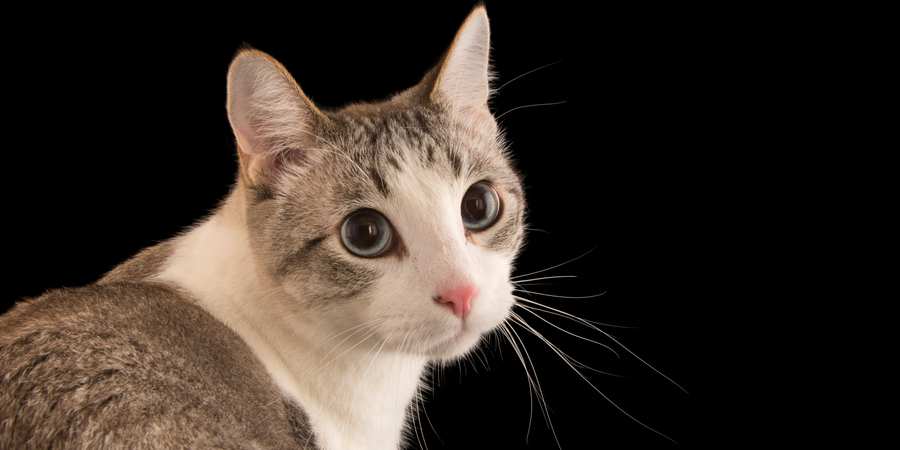
Choosing the right litter for cats with diarrhea is crucial for their comfort and hygiene, ensuring easy cleanup and odor control.
When a cat experiences diarrhea, it can be a distressing situation for both the pet and the owner. Not only is it uncomfortable for the feline, but it also creates unique challenges in maintaining a clean litter box. The right litter can make all the difference in managing this condition effectively. Various types of litter are available on the market, each with its own pros and cons. Understanding what works best can help ensure that your furry friend stays comfortable while making cleanup easier for you.
Understanding Cat Diarrhea
Diarrhea in cats can stem from various causes, including dietary changes, infections, parasites, or underlying health issues. It’s essential to identify the root cause to address it properly. For instance, a sudden change in diet might lead to digestive upset, while infections could require veterinary intervention. Regardless of the cause, diarrhea typically results in loose stools that can be messy and odorous.
The implications of diarrhea extend beyond just discomfort; they can also impact a cat’s hydration levels and overall health. Cats are prone to dehydration, especially when losing fluids through diarrhea. Therefore, monitoring their condition closely is crucial. If diarrhea persists for more than a day or two, consulting a veterinarian is advisable.
Key Considerations When Choosing Litter
Selecting the best litter involves considering several factors:
Absorbency
A highly absorbent litter is vital when dealing with diarrhea. It should quickly soak up moisture to minimize odors and prevent messes from spreading throughout the litter box. Clumping litters often excel in this area due to their ability to form solid clumps upon contact with moisture.
Odor Control
Cats with diarrhea can create strong odors that linger in the air. Thus, choosing a litter that effectively controls odors is essential for maintaining a pleasant environment at home. Many litters contain additives designed to neutralize smells.
Low Dust Production
Dusty litters can irritate both cats and humans, particularly those with respiratory issues. Opting for low-dust options can create a healthier environment for everyone in the household.
Texture and Comfort
Cats have specific preferences regarding texture. Some may prefer fine granules, while others like larger particles. It’s essential to choose a litter that feels comfortable under their paws to encourage consistent use of the litter box.
Biodegradability
For environmentally conscious pet owners, selecting a biodegradable litter may be important. Many natural litters are made from renewable resources and break down more easily than traditional clay-based options.
Types of Litter Suitable for Cats with Diarrhea
Several types of cat litter might be suitable for managing diarrhea:
| Litter Type | Pros | Cons |
|---|---|---|
| Clumping Clay Litter | – Excellent absorbency – Good odor control – Easy cleanup |
– Dusty – Non-biodegradable |
| Silica Gel Litter | – Superior moisture absorption – Long-lasting – Low dust production |
– Can be uncomfortable for some cats – Less clumping ability |
| Bentonite Clay Litter | – Good clumping ability – Effective odor control – Affordable options available |
– Non-biodegradable – May contain harmful chemicals if not labeled properly |
| Pine Pellet Litter | – Natural odor control – Biodegradable – Low dust production |
– Requires time to break down into sawdust – Some cats may dislike texture |
| Corn-based Litter | – Biodegradable – Good clumping ability – Natural odor control properties |
– Can attract pests if not stored properly – Some cats may not prefer texture. |
| Recycled Paper Litter | – Soft texture – Biodegradable – Low dust production. |
– Less absorbent than other types. – May require more frequent changes. |
Each type of litter has its unique characteristics that cater to different needs. Clumping clay litters are often favored for their convenience but may not be suitable for every cat due to dust concerns or comfort levels with texture.
The Importance of Transitioning Litters Gradually
If switching to a new type of litter due to your cat’s diarrhea, it’s crucial to transition gradually. Sudden changes can confuse or stress out your feline friend, leading them to avoid using the litter box altogether. A gradual transition involves mixing the new litter with the old one over several days until your cat adjusts fully.
Start by adding about 25% of the new litter into their current mix while maintaining 75% of their usual choice. Over time—usually within five to seven days—slowly increase the proportion of new litter while decreasing the old until you achieve a full switch.
Maintaining Hygiene During Episodes of Diarrhea
Keeping your cat’s environment clean becomes even more critical during episodes of diarrhea. Regularly scooping out soiled litter is essential; ideally every day or multiple times daily if possible. This practice helps manage odors and keeps your kitty comfortable.
If using clumping litters, remove clumps as they form—this prevents them from breaking apart and spreading throughout the box or onto your floors. In cases where fecal matter adheres stubbornly to surfaces within the box itself, consider using mild soap and water during routine cleaning sessions (avoid harsh chemicals).
After cleaning thoroughly between changes—especially during bouts of illness—consider disinfecting surfaces using pet-safe products designed specifically for this purpose.
The Role of Diet in Managing Diarrhea
While selecting appropriate litter plays an integral part in managing diarrhea symptoms effectively—diet also holds significant importance! A balanced diet tailored towards digestive health can aid recovery by reducing instances where loose stools occur frequently.
Many veterinarians recommend feeding easily digestible foods formulated explicitly for sensitive stomachs during these times; options include:
- Wet food: Higher moisture content helps keep hydration levels stable.
- Limited ingredient diets: Fewer components reduce potential triggers.
- Probiotics: These beneficial bacteria support gut health by promoting digestion efficiency.
It’s vital always consulting with veterinarians before making any significant dietary changes since individual needs vary based on age/health conditions!
Conclusion – What Is The Best Litter For Cats With Diarrhea?
In summary, selecting suitable litter when dealing with feline diarrhea requires careful consideration of various factors such as absorbency, odor control, and comfort level among others! Clumping clay litters often serve well due their ease-of-use but alternatives like pine pellets or corn-based options offer eco-friendly solutions too!
Being attentive towards maintaining cleanliness throughout this process ensures both you & your furry friend experience less stress during challenging times! Ultimately finding what works best means observing preferences closely while remaining adaptable along this journey together!