
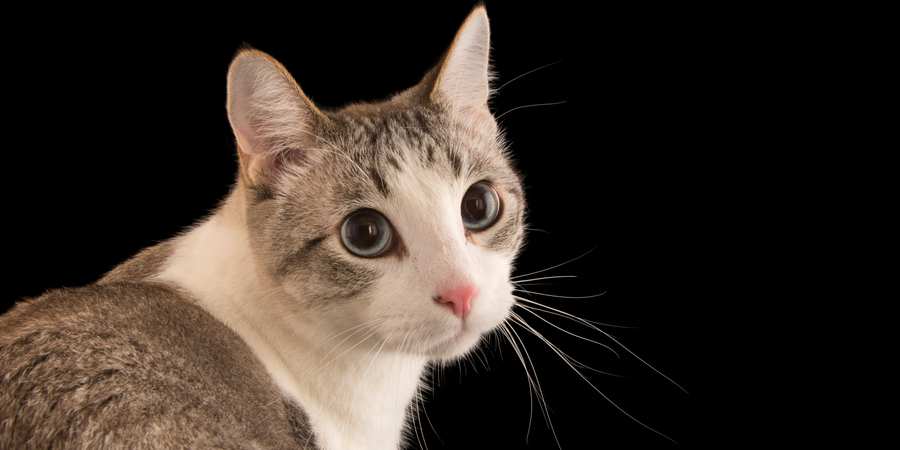
Yes, cats can experience grief when their kittens die, showing signs of sadness and changes in behavior.
Cats are often seen as solitary creatures, but they possess a complex emotional landscape that can be deeply affected by loss. When a kitten dies, whether due to illness, accidents, or other unfortunate circumstances, the mother cat may exhibit signs of sadness and grief. Understanding feline emotions is vital for pet owners who want to support their grieving cats. This article delves into the emotional responses of cats during such distressing times and provides insights into how to help them through their grief.
The Emotional World of Cats
Cats are not just pets; they are companions with feelings and emotions. While they may not express grief in the same way humans do, their reactions can be quite profound. The bond between a mother cat and her kittens is strong and instinctual. A mother cat invests time and energy into nurturing her young, providing not only food but also warmth, safety, and socialization.
When a kitten dies, the mother cat may go through several emotional stages. Initially, she might exhibit confusion or disorientation. She may search for her lost kitten, calling out or meowing in distress. This behavior indicates that she recognizes the absence of her kitten and is trying to make sense of it.
Identifying grief in cats isn’t always straightforward. They often mask their feelings well. However, certain signs can indicate that a cat is mourning:
- Changes in Appetite: A grieving cat might lose interest in food or eat less than usual.
- Withdrawal: The cat may isolate herself from other pets or humans.
- Vocalizations: Increased meowing or crying could signify distress.
- Changes in Grooming Habits: A grieving cat may groom herself less frequently.
- Restlessness: Some cats become agitated or restless when grieving.
These behaviors can vary significantly from one cat to another. Some might become more affectionate, seeking comfort from their human companions or other pets. Others might retreat into themselves, needing space to process their emotions.
The Bond Between Mother Cats and Kittens
The relationship between a mother cat and her kittens is built on instinctual behaviors that ensure survival. From grooming to feeding, a mother cat plays an essential role in her kittens’ development. This bond is not merely physical; it is emotional as well.
Kittens rely on their mothers for warmth and security during the first few weeks of life. They learn social skills through interactions with their mother and siblings. If a kitten dies before reaching maturity, it disrupts this learning process for both the surviving kittens and the mother.
The loss can lead to behavioral changes not only in the grieving mother but also in her remaining kittens. They may become more anxious without their sibling’s presence or exhibit signs of stress due to their mother’s altered behavior.
| Sign | Description |
|---|---|
| Loss of Appetite | Refusal to eat or decreased food intake. |
| Vocalization Changes | Increased crying or meowing; vocalizations may sound distressed. |
| Isolation | A tendency to hide away from people and other pets. |
| Changes in Grooming | Neglecting grooming habits leading to an unkempt appearance. |
| Restlessness/Agitation | Pacing or showing signs of anxiety. |
Understanding these signs helps pet owners recognize when their cats are struggling emotionally after losing a kitten.
Coping with Grief: How to Support Your Cat
Supporting a grieving cat requires patience and understanding. Every feline has its way of coping with loss; some need time alone while others may seek comfort from those around them.
Providing a peaceful environment is crucial during this time. Creating safe spaces where your cat can retreat if she feels overwhelmed can help ease anxiety levels. Soft bedding in quiet corners allows for restful naps without disturbances.
Offering gentle reassurance through petting or soothing words can also provide comfort. However, respecting your cat’s need for solitude is equally important; forcing interaction might lead to more stress.
During periods of grief, maintaining proper nutrition becomes essential for your cat’s health. If she shows decreased interest in food, trying different types of food might entice her appetite again. Offering wet food could be more appealing than dry kibble since it has stronger aromas and textures that may stimulate eating.
Keeping fresh water readily available helps prevent dehydration—something that can occur if your cat isn’t eating well due to grief-related stress.
If there are other pets at home, they can play an important role in helping a grieving cat cope with loss. Cats often find solace among familiar companions who share their space daily.
Observing how other pets react to the situation is key; some might show concern while others remain indifferent—every animal handles emotions differently! Encouraging gentle interactions between your grieving cat and other pets fosters companionship during difficult times.
However, monitoring these interactions closely ensures that neither party becomes overwhelmed by each other’s emotions; sometimes giving each pet some personal space helps maintain harmony within the household.
Grief doesn’t have a set timeline; every individual processes loss differently based on personality traits and past experiences with bereavement—both human-like qualities we observe among animals too!
As days pass following the loss of her kitten(s), it’s common for signs of grief to gradually diminish over time as acceptance sets in slowly but surely! Keeping track of any behavioral changes allows owners insight into whether further intervention might be necessary should prolonged distress occur beyond what seems normal after losing loved ones (even furry ones).
If significant changes persist beyond several weeks without improvement—consulting with veterinarians specializing in animal behavior could provide additional resources tailored specifically towards aiding recovery processes!
Conclusion – Are Cats Sad When Their Kitten Dies?
Are cats sad when their kitten dies? Absolutely! The emotional impact on both mother cats and surviving siblings cannot be underestimated following such losses within familial bonds formed early on throughout life stages together! Recognizing signs indicating distress enables caretakers’ ability towards providing support systems necessary during challenging periods ahead!
Understanding feline emotions deepens connections shared between humans & animals alike—fostering empathy while enhancing overall well-being across all species involved!