
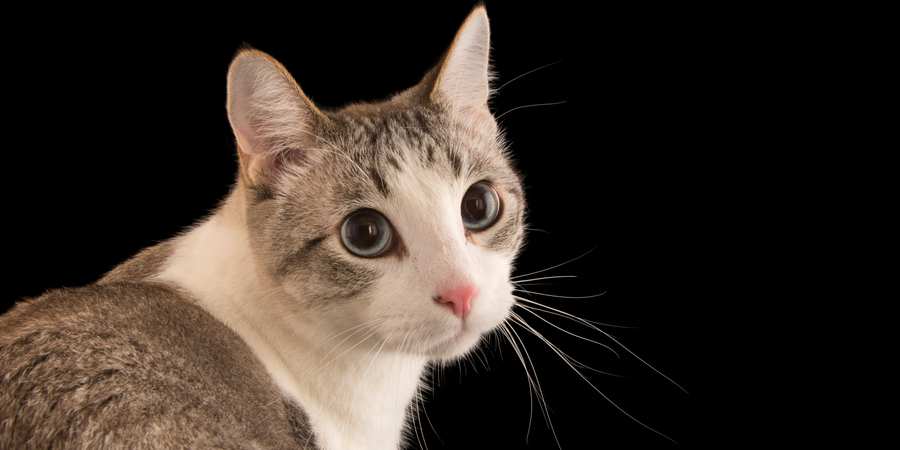
To stop a cat from having diarrhea, assess their diet, hydration, and consult a vet for underlying health issues.
Understanding Cat Diarrhea
Cat diarrhea can be distressing for both the feline and their owner. It’s not just an inconvenience; it can lead to dehydration and other health complications if left untreated. Understanding the causes is crucial to effectively addressing the issue. Cats can experience diarrhea due to dietary changes, food intolerances, infections, parasites, or even stress. Each of these factors can disrupt the delicate balance of their digestive system.
When a cat’s gut flora is disrupted, it can lead to an imbalance that results in diarrhea. Stress is another significant contributor; cats are creatures of habit and can react negatively to changes in their environment. This could be anything from moving homes to introducing new pets or even loud noises. Recognizing these triggers is vital in preventing future episodes.
Common Causes of Diarrhea in Cats
There are several reasons why a cat might experience diarrhea. Identifying the cause is essential for effective treatment.
Dietary Changes
Cats are notoriously sensitive to changes in their diet. Even switching from one brand of cat food to another can upset their stomachs. If a cat has been eating the same food for an extended period, introducing a new type suddenly can lead to gastrointestinal distress. Gradual transitions are always recommended when changing a cat’s diet.
Food Intolerances and Allergies
Some cats may develop intolerances or allergies to specific ingredients in their food. Common culprits include dairy products, certain meats, and grains. If a particular food seems to trigger diarrhea consistently, it’s wise to eliminate it from their diet and observe any improvements.
Infections and Parasites
Bacterial infections or parasites like Giardia or roundworms can also cause diarrhea in cats. These conditions often require veterinary intervention for diagnosis and treatment. Regular check-ups and maintaining proper hygiene can help prevent these issues.
Stress Factors
Stress is often overlooked as a cause of diarrhea in cats. Changes in routine, new pets, or even loud noises can upset them significantly. Providing a stable environment with plenty of hiding spots and safe spaces can help alleviate stress-related gastrointestinal issues.
Signs of Dehydration
Diarrhea can lead to dehydration quickly, especially in cats who are already sensitive or have underlying health issues. Recognizing the signs of dehydration early on is crucial.
| Signs of Dehydration | Description |
|---|---|
| Dry Mouth | The inside of the mouth may appear dry or sticky. |
| Lethargy | A decrease in energy levels; the cat may be less active than usual. |
| Poor Skin Elasticity | When you gently pinch the skin between the shoulder blades, it should spring back quickly; if it doesn’t, this indicates dehydration. |
| Sunken Eyes | The eyes may appear sunken or dull instead of bright and alert. |
| Increased Heart Rate | A rapid heartbeat may indicate that the body is struggling due to lack of fluids. |
If any signs of dehydration are present alongside diarrhea, immediate veterinary attention is necessary. Cats can become severely dehydrated within hours due to fluid loss from diarrhea.
Treating Diarrhea at Home
Before rushing off to the vet at the first sign of diarrhea, there are several steps that one can take at home to help manage mild cases.
Fasting Period
A short fasting period (12-24 hours) can give your cat’s digestive system a chance to rest and recover from whatever caused the upset stomach. During this time, ensure they have access to fresh water at all times.
Reintroducing Food Gradually
After fasting, reintroducing food should be done slowly with bland options such as boiled chicken (without skin) or plain rice. These foods are gentle on a cat’s stomach and less likely to cause further irritation.
Hydration Is Key
Keeping your cat hydrated during this time is critical. Offering water mixed with low-sodium chicken broth can entice them to drink more fluids while also providing some nutrition.
When To Consult A Veterinarian
While mild cases of diarrhea can often be managed at home, there are situations where consulting a veterinarian becomes essential.
Persistent Diarrhea
If diarrhea lasts more than 24-48 hours without improvement despite home management efforts, it’s time for professional advice. Prolonged diarrhea may indicate underlying health issues that need addressing.
Bloody Stool or Vomiting
The presence of blood in stool or accompanying vomiting signals an urgent need for veterinary attention. These symptoms could indicate serious conditions such as infections or intestinal obstructions.
Lethargy and Other Symptoms
If your cat shows signs of lethargy alongside diarrhea—such as decreased appetite or unusual behavior—seeking veterinary care promptly is vital for their well-being.
The Role of Probiotics in Treatment
Probiotics have gained popularity as supplements that promote gut health not just in humans but also in pets like cats. They contain beneficial bacteria that help restore balance within the digestive system after disturbances like diarrhea occur.
Using probiotics during recovery from diarrhea might help expedite healing by reintroducing good bacteria into your cat’s gut flora. Always consult with a veterinarian before starting any supplement regimen for your pet; they will recommend appropriate products based on individual needs.
Preventing Future Episodes: Best Practices
Preventing future occurrences requires diligence concerning nutrition and environment management:
Avoid Sudden Dietary Changes
As mentioned earlier, abrupt changes in diet should be avoided at all costs when caring for cats prone to gastrointestinal issues. Gradual transitions over several days allow their digestive systems time to adjust without adverse reactions occurring.
Regular Vet Check-Ups & Vaccinations
Routine veterinary visits play an essential role in maintaining overall feline health by identifying potential problems before they escalate into serious conditions requiring extensive treatment later on down the line! Keeping vaccinations up-to-date protects against infectious diseases that could lead directly back towards gastrointestinal distress too!
Create a Low-Stress Environment for Your Cat!
Cats thrive best when they feel secure within their surroundings! Providing them with safe spaces—like cozy nooks filled with blankets—can help reduce anxiety levels significantly while promoting relaxation habits!
Maintaining consistency regarding daily routines helps minimize disruptions leading towards unnecessary stressors impacting digestion negatively too!
Conclusion – How To Stop A Cat From Having Diarrhea?
Stopping a cat from having diarrhea involves understanding potential causes such as dietary changes or stress factors while recognizing signs indicating dehydration requiring immediate attention! Implementing home treatment strategies like fasting followed by gradual reintroduction meals combined with hydration efforts ensures effective recovery occurs without complicating matters further down road ahead! Consulting veterinarians becomes necessary whenever symptoms persist beyond expected timelines indicating possible underlying health concerns needing intervention sooner rather than later!
By taking proactive measures through prevention strategies outlined here alongside regular vet check-ups ensures happier healthier lives enjoyed together long-term!