
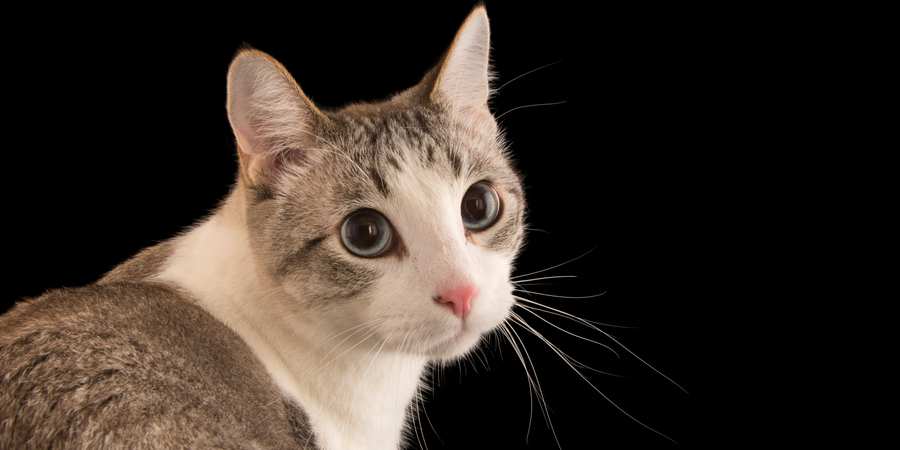
Feeding a cat with diarrhea requires bland, easily digestible foods to help soothe their stomach and restore normal digestion.
Understanding Diarrhea in Cats
Diarrhea in cats can be a troubling experience for both the pet and the owner. It’s not just an inconvenience; it can lead to dehydration and other health complications if not addressed promptly. Various factors can contribute to this condition, including dietary indiscretion, infections, stress, or underlying health issues. Recognizing the signs of diarrhea is crucial. These may include frequent bowel movements, watery stools, and sometimes even vomiting.
When a cat experiences diarrhea, it’s essential to monitor their overall behavior. Are they still playful? Are they eating and drinking normally? If a cat seems lethargic or shows signs of distress, it might be time to consult a veterinarian. Understanding the underlying cause is vital for effective treatment.
Common Causes of Diarrhea in Cats
Several factors can lead to diarrhea in cats. Identifying these causes will help in deciding what to feed your cat during this time.
Dietary Changes
Cats are creatures of habit, especially regarding their diet. Sudden changes in food or introducing new treats can upset their digestive system. It’s always best to transition gradually when changing a cat’s diet.
Food Intolerance or Allergies
Some cats may develop intolerances or allergies to certain ingredients in their food. Common culprits include dairy products, beef, chicken, and fish. If you suspect this might be the case, consider discussing food options with a vet.
Parasites
Intestinal parasites like worms can also cause diarrhea in cats. Regular deworming and preventive measures are essential for maintaining your cat’s health.
Bacterial or Viral Infections
Infections caused by bacteria or viruses can lead to gastrointestinal disturbances. These infections often require medical intervention and possibly medication from a veterinarian.
Stress
Cats are sensitive creatures; stress from changes in their environment—like moving homes or new pets—can lead to digestive upset.
What To Avoid Feeding Your Cat During Diarrhea
When dealing with a cat that has diarrhea, certain foods should be avoided altogether. Feeding inappropriate foods can exacerbate the situation and prolong recovery.
Dairy Products
Despite popular belief that cats love milk, many adult cats are lactose intolerant. Dairy products can worsen diarrhea rather than help it.
Rich or Fatty Foods
High-fat foods might seem appealing but can lead to further digestive upset during an episode of diarrhea.
Raw Diets
While some owners prefer feeding raw diets, these can pose risks during digestive issues due to potential bacteria present in raw meat.
What Do I Feed My Cat If She Has Diarrhea?
Feeding a cat with diarrhea requires careful consideration of what goes into their bowl. Here are some recommended foods that are gentle on the stomach:
Bland Diet Options
A bland diet is often recommended for cats experiencing diarrhea. This typically includes:
- Boiled Chicken: Skinless and boneless chicken boiled without any seasoning.
- White Rice: Cooked plain white rice serves as an excellent binding agent.
- Pumpkin: Plain canned pumpkin (not pie filling) helps firm up stools due to its fiber content.
- Plain Boiled Potatoes: Mashed potatoes without butter or seasoning can also work as a binding food.
- Canned Cat Food: A high-quality canned food that is specifically designed for sensitive stomachs.
Each of these options provides easily digestible nutrients while helping stabilize your cat’s digestive system.
An Effective Feeding Schedule
Establishing a feeding routine is important when managing your cat’s diet during diarrhea episodes. Instead of offering large meals all at once, smaller portions throughout the day may be more effective.
| Meal Time | Food Type | Portion Size |
|---|---|---|
| 8:00 AM | Bland Chicken & Rice Mix | 1/4 cup |
| 12:00 PM | Pumpkin Puree (canned) | 1 tablespoon |
| 4:00 PM | Canned Sensitive Stomach Food | 1/4 cup |
| 8:00 PM | Bland Potato Mash (no butter) | 1/4 cup |
This schedule allows for gradual reintroduction of regular food as your cat begins to recover. Always ensure fresh water is available at all times.
The Importance of Hydration
Maintaining hydration during episodes of diarrhea is critical for recovery. Dehydration can quickly set in since diarrhea leads to significant fluid loss. Cats often don’t drink enough water on their own; thus, it’s important to encourage fluid intake.
Offering water bowls in various locations around the house might entice your cat to drink more frequently. In some cases, providing electrolyte solutions specifically designed for pets can also help replenish lost fluids and minerals.
The Role of Probiotics in Recovery
Probiotics play an essential role when it comes to restoring gut health after bouts of diarrhea. These beneficial bacteria help balance the gut flora and aid digestion.
There are several probiotic supplements available specifically formulated for cats; however, it’s wise to consult with a veterinarian before introducing any new supplements into your pet’s regimen.
The Role of Veterinary Consultation
If your cat’s diarrhea persists beyond 24 hours or if there are other concerning symptoms like vomiting or lethargy, seeking veterinary advice becomes crucial. A vet will likely perform tests to determine any underlying issues contributing to the problem.
Veterinarians may prescribe specific diets tailored for sensitive stomachs or recommend medications that help regulate bowel movements depending on the diagnosis.
The Transition Back To Regular Food
Once your cat shows signs of improvement—such as firmer stools and increased energy—it’s time to transition back to their regular diet carefully. Gradually reintroducing regular food over several days helps prevent any sudden digestive upset again.
Start by mixing small amounts of regular food with bland food before slowly increasing the proportion over time until only regular food remains in the bowl.
Avoiding Future Episodes of Diarrhea
Preventing future incidents involves several proactive measures:
- Smooth Food Transitions: Always introduce new foods gradually.
- Sourcing Quality Ingredients: Choose high-quality commercial diets or prepare balanced homemade meals under veterinary guidance.
- Mental Stimulation: Reduce stress through playtime and environmental enrichment.
- Avoiding Table Scraps: Resist giving human food which may upset their stomachs.
Following these guidelines helps create a stable environment where your feline friend thrives without frequent digestive troubles.
The Emotional Impact on Owners
Watching a beloved pet go through discomfort is never easy; it often brings about feelings of helplessness and concern about making the right choices regarding care and nutrition during such times. The bond between owner and pet deepens through these experiences as one learns more about their furry companion’s needs—physically and emotionally alike!
Being attentive allows one not only to provide care but also comfort during challenging times while building trust within that relationship—which ultimately strengthens both parties involved!
Conclusion – What Do I Feed My Cat If She Has Diarrhea?
Deciding what do I feed my cat if she has diarrhea involves understanding her needs during this vulnerable time while ensuring she receives proper nutrition without aggravating her condition further! A bland diet consisting primarily of boiled chicken mixed with rice alongside pumpkin puree offers gentle nourishment while promoting healing within her digestive tract!
Additionally—keeping hydration levels high along with gradual transitions back into regular feeding routines ensures better outcomes long-term! Consulting with veterinarians when necessary remains paramount too—after all—our furry friends rely heavily on us for well-being!