
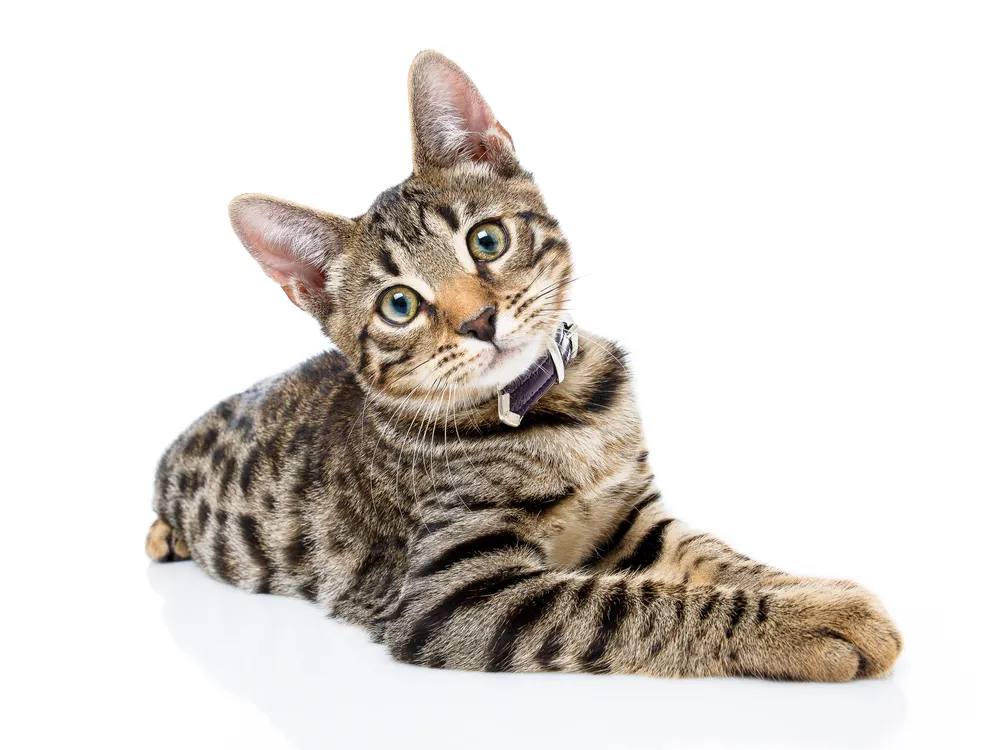
Cats and reptiles share a common ancestor, but they belong to entirely different classes of animals.
Cats and reptiles are two distinct groups in the animal kingdom, each fascinating in their own right. The question “Are Cats And Reptiles Related?” often arises among pet owners and animal enthusiasts alike. While they may seem worlds apart, a closer look reveals that both share some evolutionary history. Understanding their differences and similarities can deepen appreciation for these unique creatures.
Evolutionary Background
To grasp the relationship between cats and reptiles, it’s essential to dive into the evolutionary tree. All animals are classified into categories based on shared characteristics and ancestry. Cats belong to the class Mammalia, while reptiles fall under the class Reptilia. Both classes stem from a common ancestor that lived hundreds of millions of years ago, during the late Paleozoic era.
The evolutionary journey of mammals began around 200 million years ago, while reptiles branched off earlier. This divergence led to significant adaptations in both groups. Mammals developed traits such as warm-bloodedness and fur or hair, whereas reptiles evolved to thrive in various terrestrial environments with dry skin and scales.
The common ancestor of cats and reptiles was a primitive amniote, an early vertebrate that laid eggs on land. Over time, these amniotes split into two major lineages: one leading to mammals and the other to reptiles, birds, and dinosaurs. This ancient lineage is where the connection between cats and reptiles lies.
Characteristics of Cats
Cats are fascinating creatures known for their agility, independence, and unique behaviors. They belong to the family Felidae, which includes lions, tigers, leopards, and domestic cats. Here are some key characteristics:
- Warm-Blooded: Cats maintain a constant body temperature regardless of their environment.
- Fur: Their bodies are covered with fur that provides insulation.
- Live Birth: Unlike reptiles that lay eggs (with some exceptions), cats give birth to live young.
- Highly Developed Senses: Cats possess acute hearing and night vision, making them skilled hunters.
These traits make cats well-adapted for various habitats around the world.
Characteristics of Reptiles
Reptiles encompass a wide range of species including snakes, lizards, turtles, and crocodilians. They exhibit several defining features:
- Cold-Blooded: Reptiles rely on external sources for body heat regulation.
- Scales: Their skin is covered with scales that help prevent water loss.
- Egg-Laying: Most reptiles lay eggs; however, some give birth to live young.
- Varied Respiratory Systems: Reptiles breathe through lungs but have different adaptations depending on their habitat.
These characteristics enable reptiles to thrive in diverse environments from deserts to rainforests.
Comparative Anatomy
Examining the anatomical differences between cats and reptiles can shed light on their evolutionary paths. Below is a table summarizing key anatomical features:
| Feature | Cats (Mammals) | Reptiles |
|---|---|---|
| Body Temperature Regulation | Warm-blooded (endothermic) | Cold-blooded (ectothermic) |
| Skin Type | Fur-covered | Scaled |
| Reproductive Method | Live birth (most species) | Egg-laying (most species) |
| Skeletal Structure | Bones with flexible joints | Bones with less flexibility |
| Senses | Highly developed hearing & sight | Diverse sensory adaptations (e.g., heat-sensing pits in snakes) |
This comparison highlights how each group has adapted physically over millions of years.
Dietary Differences
Diet plays a crucial role in defining species’ behavior and physiology. Cats are obligate carnivores; they require meat for survival due to specific dietary needs such as taurine—a vital amino acid found only in animal tissues. Their sharp retractable claws and keen senses make them excellent hunters.
Reptiles exhibit varied diets depending on their species. Some are herbivorous (like iguanas), while others are carnivorous (like crocodiles). Many snakes are known for their ability to consume prey much larger than themselves thanks to their flexible jaws.
Understanding these dietary preferences helps clarify how each group interacts with its environment.
The Role of Adaptations in Survival
Adaptations have allowed both cats and reptiles to survive in diverse ecosystems. For instance:
- Cats’ Adaptations: Their retractable claws allow for stealthy movement when hunting prey. Additionally, their acute senses help them detect even the slightest sounds or movements.
- Reptilian Adaptations: Many reptiles have developed camouflage skills that enable them to blend into their surroundings as a defense mechanism against predators or while stalking prey.
Both groups showcase remarkable evolutionary adaptations that enhance survival rates in their respective habitats.
The Behavioral Aspects of Cats vs. Reptiles
Behavioral traits also differ significantly between these two groups due to their biological makeup.
Cats tend to exhibit social behaviors when domesticated but retain solitary hunting instincts from their wild ancestors. They communicate through vocalizations like meowing or purring as well as body language such as tail position or ear orientation.
Reptiles generally display more solitary behavior patterns; many prefer isolation except during mating seasons or when caring for young ones. Communication among reptiles often relies on visual cues or scent marking rather than vocalizations.
Understanding these behavioral patterns provides insight into how each group interacts within its ecosystem.
The Impact of Environment on Behavior
Environmental factors heavily influence behaviors among both cats and reptiles. For instance:
- Habitat: A cat’s environment impacts its hunting strategies—urban areas may lead them towards scavenging behaviors while rural settings encourage traditional hunting.
- Climate Conditions: Reptiles often adjust activity levels based on temperature; many become lethargic during cooler months while being more active during warmer periods.
Adapting behavior according to environmental conditions is vital for survival across all species.
Cultural Significance of Cats and Reptiles
Culturally speaking, cats have been revered throughout history—from ancient Egyptians worshiping them as deities to modern-day internet sensations like Grumpy Cat or Lil Bub capturing hearts worldwide.
Reptiles also hold cultural significance; various cultures regard snakes as symbols of transformation or renewal—think about how many myths involve dragons!
Both groups continue influencing art forms ranging from literature depicting heroic felines saving lives or folklore featuring wise serpents guiding lost souls homeward—showcasing humanity’s fascination with these creatures across time periods!
The Role in Ecosystems
Cats play an essential role as both predator and prey within ecosystems where they reside—controlling rodent populations while also serving as food sources for larger predators like coyotes or eagles!
Similarly, reptiles contribute significantly by maintaining balance within ecosystems through predation upon insects or small mammals—helping regulate populations naturally without human intervention!
Recognizing these roles underscores why preserving diverse habitats remains critical—not just for individual species but entire ecological systems!
The Future of Cats and Reptiles Together
As urbanization expands rapidly worldwide—both domestic cat populations grow alongside wild reptilian habitats shrinking due primarily due habitat destruction caused by human activities!
Conservation efforts aimed at protecting natural environments benefit all wildlife—including our beloved felines & fascinating scaly friends alike!
By promoting awareness about responsible pet ownership alongside sustainable practices—we can ensure future generations appreciate both cats & reptiles’ unique contributions toward biodiversity!
Conclusion – Are Cats And Reptiles Related?
In summary, while cats and reptiles may seem unrelated at first glance—they do share an evolutionary connection stemming from a common ancestor long ago! Understanding this relationship enriches appreciation not only for these distinct creatures but also highlights broader themes surrounding biodiversity conservation efforts today!
Exploring how evolution shaped each group’s characteristics reveals fascinating insights into nature’s complexity—reminding us just how interconnected life truly is!