
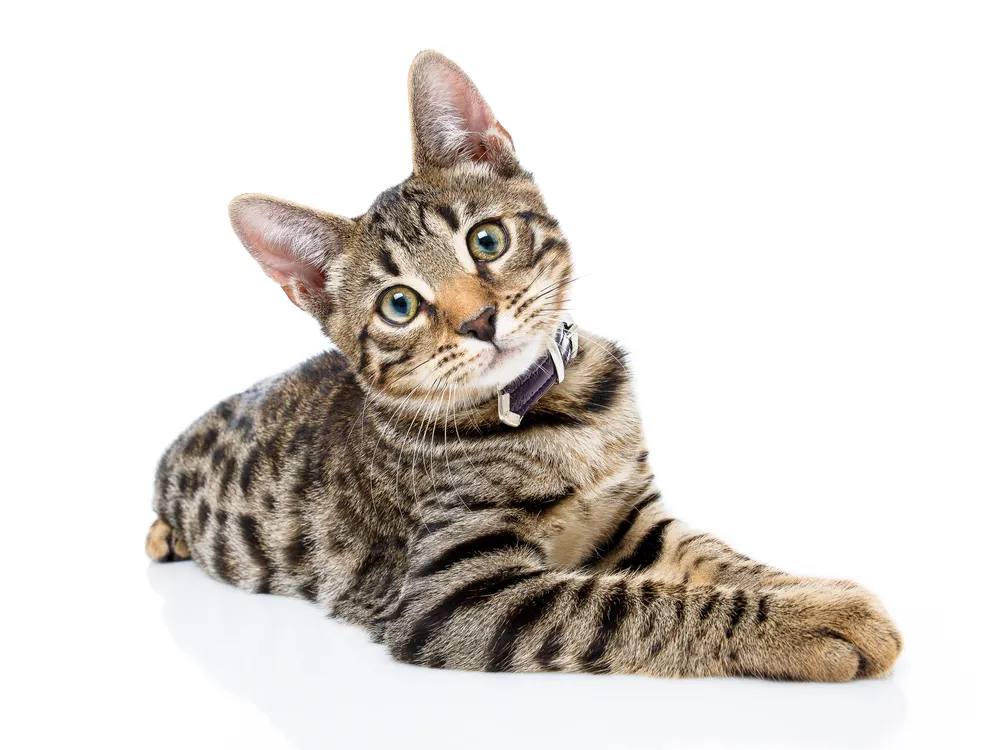
Boiled chicken can help settle a cat’s stomach and may reduce diarrhea, but it’s essential to consult a vet for persistent issues.
The Role of Diet in Cat Health
Cats are obligate carnivores, which means their diet primarily consists of meat. Understanding what they eat and how it affects their health is crucial for any cat owner. A balanced diet ensures that cats receive all the necessary nutrients they need to thrive. However, sometimes, dietary changes or certain foods can lead to gastrointestinal issues such as diarrhea.
Many cat owners wonder about the effects of specific foods on their feline friends. One common question is whether boiled chicken can stop diarrhea in cats. It’s essential to consider not just the food itself, but also the overall dietary habits and health conditions of the cat.
Understanding Diarrhea in Cats
Diarrhea in cats can stem from various causes, including dietary indiscretion, infections, parasites, or underlying health conditions. It’s often characterized by loose or watery stools and can be accompanied by other symptoms like vomiting or lethargy.
When a cat experiences diarrhea, it can lead to dehydration if not addressed promptly. This is particularly concerning because cats are more prone to dehydration than humans. Therefore, identifying the cause of diarrhea is essential for effective treatment and recovery.
While some instances of diarrhea may resolve on their own, others could indicate a more serious issue requiring veterinary attention. If a cat experiences persistent diarrhea lasting more than 24 hours or shows signs of distress, seeking veterinary advice is crucial.
Benefits of Boiled Chicken for Cats
Boiled chicken has long been regarded as a gentle food option for cats experiencing digestive issues. Its bland nature makes it easy on the stomach and less likely to irritate the gastrointestinal tract compared to richer or spicier foods.
Here are some reasons why boiled chicken may be beneficial:
- High Protein Content: Boiled chicken is rich in protein, essential for maintaining muscle mass and overall health.
- Easy Digestion: The simplicity of boiled chicken makes it easier for cats with sensitive stomachs to digest.
- Hydration: If mixed with broth or served with water, boiled chicken can help keep a cat hydrated during episodes of diarrhea.
- No Additives: Homemade boiled chicken doesn’t contain preservatives or additives that could irritate a cat’s stomach.
These factors contribute to why many pet owners consider boiled chicken when dealing with a cat’s digestive upset.
How to Prepare Boiled Chicken for Cats
Preparing boiled chicken for a cat is straightforward but requires attention to detail to ensure it’s safe and healthy. Here’s how to do it:
- Select Quality Chicken: Choose boneless and skinless chicken breasts or thighs without any seasoning.
- Boil the Chicken: Place the chicken in a pot with enough water to cover it completely. Bring it to a boil and then reduce the heat, allowing it to simmer until fully cooked (about 15-20 minutes).
- Cool and Shred: Once cooked, remove the chicken from water and let it cool down before shredding it into small pieces suitable for your cat.
- No Seasoning: Avoid adding salt, spices, or any other seasonings that could upset your cat’s stomach.
Serving boiled chicken in small portions allows you to monitor how your cat reacts before gradually increasing the amount if tolerated well.
The Risks of Feeding Boiled Chicken
While boiled chicken can be beneficial when addressing digestive issues in cats, there are some risks associated with its consumption:
- Nutritional Imbalance: Relying solely on boiled chicken can lead to nutritional deficiencies over time since it doesn’t provide all essential nutrients required by cats.
- Bacterial Risks: Improperly handled raw or undercooked chicken can harbor harmful bacteria like Salmonella or Campylobacter.
- Picky Eaters: Some cats may develop a preference for only boiled chicken and refuse other necessary foods.
To mitigate these risks, it’s best used as a temporary solution while monitoring overall health.
The Connection Between Stress and Diarrhea in Cats
Stress plays an important role in feline health and can significantly impact digestive function. Changes in environment—such as moving homes, introducing new pets, or even changes in routine—can induce stress in cats.
Stress-induced diarrhea often manifests suddenly and may resolve once the stressor is removed. Understanding your cat’s behavior during stressful times helps identify potential triggers leading to gastrointestinal upset.
Providing a stable environment with plenty of hiding spots and comforting items can help minimize stress-related incidents. If stress appears linked with frequent diarrhea episodes, consulting with a veterinarian about behavior modification strategies might be beneficial.
The Importance of Veterinary Guidance
While homemade remedies like boiled chicken can provide temporary relief from mild digestive upset in cats, consulting with a veterinarian remains paramount—especially if diarrhea persists beyond 24 hours.
Veterinarians can diagnose underlying conditions that might require different treatment approaches beyond dietary changes alone. They may recommend diagnostic tests such as fecal examinations or blood tests if they suspect infections or systemic issues.
In some cases, medications might be necessary alongside dietary adjustments. A vet’s guidance ensures that any underlying problems are properly addressed while keeping your feline companion healthy.
Nutritional Comparison: Boiled Chicken vs Commercial Cat Food
| Nutrient | Boiled Chicken (per 100g) | Commercial Cat Food (per 100g) |
|---|---|---|
| Protein | 31g | 25g-30g (varies) |
| Fat | 3g | 10g-20g (varies) |
| Carbohydrates | 0g | 3g-10g (varies) |
| Minerals & Vitamins | Lacks certain vitamins & minerals unless supplemented | Sufficiently fortified with vitamins & minerals |
This comparison highlights that while boiled chicken provides high protein content with low fat and no carbohydrates, commercial cat food offers balanced nutrition tailored specifically for feline needs.
Cats’ Dietary Needs Beyond Diarrhea Management
Cats require specific nutrients that support their overall health beyond just managing digestive issues:
- Taurine:This amino acid is vital for heart health and vision; deficiencies can lead to serious health problems.
A balanced diet incorporating proteins from various sources ensures that all nutritional requirements are met while also preventing potential deficiencies associated with feeding only one type of food.
The Role of Fiber in Cat Diets
Fiber plays an important role in maintaining digestive health—not just during episodes of diarrhea but also regularly within any balanced diet plan:
- SOLUBLE FIBER:This type absorbs water; helping firm up loose stools while promoting healthy gut flora.
A diet containing adequate fiber helps regulate digestion effectively over time without leading directly into situations requiring emergency interventions such as those experienced during bouts of acute gastrointestinal distress due primarily due lack thereof!
The Bottom Line on Feeding Cats Boiled Chicken
In summary—boiled chicken serves as an excellent option when addressing mild cases concerning feline digestion—especially those involving loose stools! However—using this method alone isn’t sufficient long-term; ensuring well-rounded nutrition remains key!
Consulting veterinarians provides insights tailored specifically towards individual pets’ needs rather than relying solely upon home remedies alone!
Ultimately—monitoring behavior changes alongside dietary adjustments offers peace-of-mind knowing everything possible has been done towards ensuring optimal feline wellness!
Conclusion – Does Boiled Chicken Stop Diarrhea In Cats?
Boiled chicken may indeed help settle an upset stomach and reduce diarrhea symptoms temporarily; however—it shouldn’t replace comprehensive veterinary care when faced with ongoing challenges! Understanding dietary needs combined alongside proper medical guidance will ensure every kitty stays happy & healthy throughout life’s ups-and-downs!