
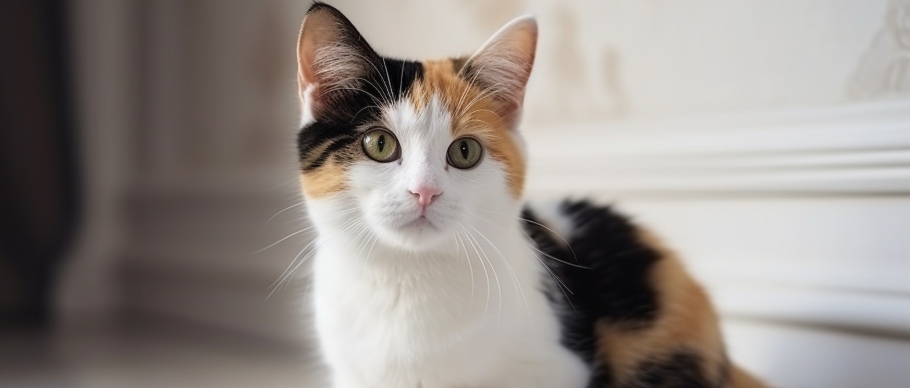
Despite some cultural practices, cats are not typically considered edible and are primarily valued as companions.
Cats have been companions to humans for thousands of years. They grace our homes with their playful antics, soothing purrs, and mysterious behaviors. However, the question of whether cats are edible has occasionally surfaced in discussions about food sources, culinary practices, and cultural norms. This article dives deep into various aspects surrounding the topic—cultural significance, ethical considerations, and the implications of viewing cats as food.
The Cultural Context of Eating Animals
Food practices vary widely across cultures. In many societies, certain animals are revered and protected while others are seen as potential food sources. The cultural context surrounding the consumption of animals is complex and often rooted in historical practices, religious beliefs, and societal norms.
For instance, in some parts of Asia, cats have been consumed historically due to food scarcity or tradition. However, this practice is not widespread and is often met with significant backlash from animal rights advocates and pet lovers alike. In contrast, Western societies predominantly view cats as pets rather than food sources. This distinction shapes public perception and influences laws regarding animal welfare.
The ethics surrounding animal consumption also play a crucial role in this discussion. Many people advocate for the humane treatment of animals, arguing that pets like cats should be treated with care and respect rather than viewed as potential meals. This ethical stance has led to increased awareness about animal rights and welfare.
Historical Perspectives on Cat Consumption
Throughout history, various cultures have adopted different attitudes toward cats and their consumption. Ancient Egyptians revered cats for their hunting abilities and considered them sacred. Killing a cat was a severe offense punishable by death. This reverence for felines has persisted through time in many parts of the world.
Conversely, during times of famine or crisis, some cultures resorted to eating whatever was available for survival. Historical records indicate that during extreme situations—such as wars or famines—people have turned to consuming domesticated animals like cats or dogs out of necessity.
It’s essential to recognize that these practices were often driven by desperation rather than cultural preference. In modern societies where food is readily available, such actions are less common and widely condemned.
Legal Considerations Surrounding Cat Consumption
In many countries, laws protect pets like cats from being consumed as food. These legal frameworks reflect societal values regarding animal welfare and the human-animal bond. For instance:
| Country | Status on Cat Consumption |
|---|---|
| United States | Illegal in most states; considered companion animals. |
| China | Varies by region; some areas consume cats while others protect them. |
| France | Protected under animal welfare laws; not consumed. |
| Japan | Cats are generally seen as pets; consumption is rare. |
Laws against consuming cats often arise from a growing recognition of their role as companions rather than livestock. The push for stronger animal rights legislation has gained momentum over recent decades, reflecting changing attitudes toward pet ownership.
The Ethical Debate: Are Cats Edible?
The question “Are Cats Edible?” opens up a broader discussion about our relationship with animals we consider companions versus those we deem acceptable to eat. Ethical arguments against consuming pets center around empathy and compassion towards sentient beings capable of forming bonds with humans.
Animal rights advocates argue that all animals deserve protection from harm and exploitation regardless of their species designation—whether they’re seen as companions or livestock. This perspective emphasizes the moral responsibility humans have towards creatures under their care.
On the other hand, some may argue from a survivalist viewpoint: if one were in a dire situation without access to other food sources, might it be justifiable to consume any available protein source? This argument raises questions about necessity versus choice in dietary practices.
Ultimately, societal norms play a pivotal role in shaping these views—what’s acceptable in one culture may be unthinkable in another.
The Role of Pets in Modern Society
Today’s society increasingly recognizes the importance of pets like cats beyond mere companionship—they serve therapeutic roles too! Studies demonstrate that owning pets can reduce stress levels while providing emotional support during challenging times.
Cats often enrich our lives through their unique personalities and behaviors; they’re not just animals but family members who contribute positively to our well-being. This bond reinforces why many people find it unthinkable to consider them as food sources.
The rise of pet ownership has led to an increase in regulations protecting companion animals across various jurisdictions worldwide. As society evolves toward greater compassion for all living beings, attitudes towards consuming pets like cats will likely continue shifting away from acceptance toward outright rejection.
Nutritional Aspects: Are Cats Edible?
From a purely nutritional standpoint—and setting aside ethical considerations—cats contain protein similar to other domesticated animals typically consumed by humans such as chickens or pigs. However, this does not justify their consumption given existing societal norms surrounding pet ownership.
Nutritionally speaking:
- Protein: Cats provide high-quality protein essential for human diets.
- Fat: They contain fats necessary for energy.
- Vitamins & Minerals: Cats offer vitamins (e.g., B12) beneficial for overall health.
Despite these nutritional facts about felines’ bodies being similar enough compared with traditional livestock options available today—it remains clear that consuming them contradicts established societal values regarding companionship roles played by pets like cats!
The culinary world has countless alternatives offering diverse flavors without compromising ethics surrounding beloved companions!
Modern Attitudes Toward Pet Consumption
As awareness grows around issues related to animal welfare—many people adopt vegetarianism or veganism based on ethical grounds concerning how livestock is treated before becoming food products! These movements highlight society’s shift away from viewing certain species merely through lenses focused solely on utility value!
Moreover—the rise of social media platforms has amplified discussions surrounding pet care ethics! Videos showcasing adorable kittens garnering millions of views bring attention back toward nurturing relationships rather than considering them potential meals!
This shift signals an evolving mindset among individuals who once may have viewed all animals similarly but now recognize distinctive qualities inherent within each species deserving respect regardless if they’re furry friends at home!
The Future Outlook: Are Cats Edible?
Looking ahead—it seems unlikely that perceptions regarding cat consumption will change significantly anytime soon! With increasing recognition around humane treatment principles coupled with strong emotional bonds between owners & their furry friends—it becomes clearer why most people view “Are Cats Edible?” negatively!
As society continues evolving toward greater empathy & understanding around issues relating both directly & indirectly involving companion animals—the future outlook appears bright!
More individuals will embrace compassionate lifestyles while advocating against practices deemed cruel—including any notion suggesting beloved pets might serve culinary purposes!
In conclusion—the question remains poignant yet straightforward: “Are Cats Edible?” The overwhelming consensus suggests no—they’re cherished companions deserving love & protection instead!
As long as humans continue forming strong connections with these furry friends—they’ll likely remain off menus across cultures worldwide!