
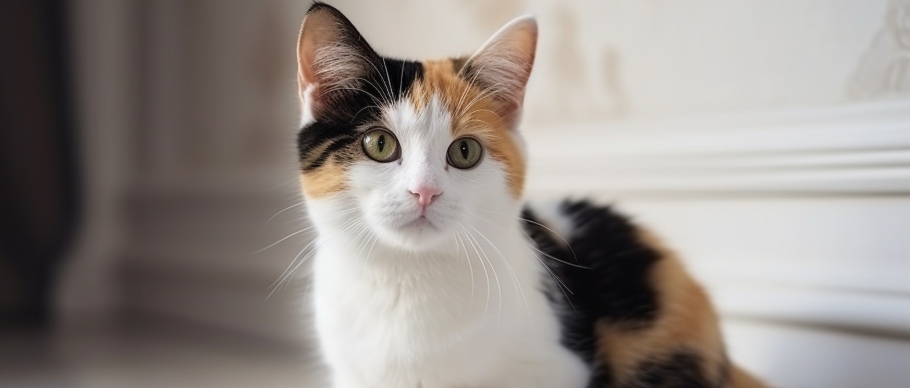
Cats are generally quieter than dogs, often making less noise and being less vocal overall.
Understanding Noise Levels in Pets
In the world of pets, noise levels can vary significantly between species, breeds, and even individual animals. This variance often leads to a common question: Are cats quieter than dogs? To answer this, it helps to delve into the natural behaviors of both animals, their communication methods, and how these factors contribute to their overall noisiness.
Dogs are known for their vocalizations. Barking is the most common sound associated with them, but it’s not the only one. They howl, whine, growl, and even yip. Each sound serves a purpose—barking can signify excitement or alertness, while whining might indicate anxiety or a desire for attention. The volume and frequency of these sounds can be influenced by breed characteristics as well. For instance, breeds like Beagles or German Shepherds are more prone to barking than others.
Cats, on the other hand, have a different approach to communication. While they can meow and purr, their sounds tend to be less intense than barking. A cat’s meow is often softer and used primarily for communication with humans rather than other cats. They also use body language extensively; a flick of the tail or an arching back can convey a wealth of information without uttering a sound.
Comparative Noise Levels: Dogs vs. Cats
To better understand the differences in noise levels between cats and dogs, it’s useful to look at some comparative data. Below is a table that outlines common sounds made by both animals along with their purposes:
| Animal | Sound | Purpose |
|---|---|---|
| Dog | Bark | Alerting or expressing excitement |
| Dog | Whine | Seeking attention or expressing discomfort |
| Dog | Growl | Warning or showing aggression |
| Cat | Meow | Communicating with humans (varies in tone) |
| Cat | Purr | Indicating contentment or self-soothing |
| Cat | Screech or yowl | Mating call or indicating distress |
This table illustrates that while both animals have distinct vocalizations, dogs tend to be more vocal overall. This leads many pet owners to consider whether cats might be the quieter option when choosing between the two.
The Role of Breed in Noise Levels
Breed plays a significant role in determining how much noise an animal makes. For instance, larger dog breeds like Great Danes may bark less frequently compared to smaller breeds such as Chihuahuas that seem to bark at everything. Similarly, within cat breeds, some are known for being more talkative than others.
Siamese cats are notorious for their vocal nature; they have a wide range of sounds they use to communicate with their owners. In contrast, British Shorthairs are generally more reserved and quiet. Understanding these breed-specific traits is crucial when assessing whether one might prefer a quieter pet.
In terms of dogs, terrier breeds often exhibit high energy levels coupled with frequent barking due to their hunting instincts. On the other hand, breeds like Bulldogs tend to be more laid-back and less prone to barking excessively.
The Impact of Environment on Noise Levels
The environment in which pets live can also influence their noise levels significantly. Dogs require more interaction and exercise compared to cats; this need can lead them to vocalize more if they feel bored or neglected. A dog left alone for long periods may bark out of frustration or loneliness.
Cats are typically more independent creatures and can entertain themselves for longer durations without becoming overly vocal. They often find solace in napping spots around the house or engaging with toys on their own terms.
However, environmental factors such as changes in routine (like moving homes), new family members (both human and animal), or even external noises (like construction) can affect how much noise both cats and dogs make. For example, if a new dog enters the household, existing pets may become anxious and vocalize more than usual as they adjust.
The Emotional State of Pets and Its Influence on Noise Levels
Pets express themselves through various sounds based on their emotional state. Dogs may bark when excited—such as during playtime—or whine when anxious about being left alone. Their vocalizations serve as an emotional outlet that reflects their feelings at any given moment.
Cats also communicate emotions through sound but do so differently. A cat’s purr is often associated with contentment; however, it can also indicate anxiety when combined with other behaviors like hiding or excessive grooming.
Understanding these emotional cues is essential for pet owners who want to create an environment conducive to quietness. Providing ample stimulation—through playtime for dogs and interactive toys for cats—can help minimize disruptive noises stemming from boredom or anxiety.
Coping Mechanisms: Training for Quieter Pets
Training plays an integral role in managing pet noise levels effectively. For dogs prone to excessive barking, training techniques such as positive reinforcement can help curb unwanted behavior over time. Teaching commands like “quiet” during moments of barking reinforces desirable behavior while rewarding calmness fosters good habits.
For cats, training typically focuses on litter box use rather than noise control; however, providing designated play areas with stimulating toys can reduce stress-induced vocalizations that arise from boredom.
Regular exercise is vital too—taking dogs on walks not only provides physical activity but also mental stimulation that can lead to reduced barking over time as they expend energy appropriately.
The Quietest Dog Breeds Compared to Cats
If someone is considering adding a pet into their household but wishes for minimal noise disruption from either species—certain dog breeds stand out as quieter options worth mentioning alongside cats:
1. Basenji: Known as the “barkless dog,” Basenjis produce unique sounds that resemble yodeling instead.
2. Shiba Inu: These dogs are relatively quiet compared to others but will still bark occasionally.
3. Greyhound: Surprisingly calm indoors; Greyhounds tend not to bark much.
4. Cavalier King Charles Spaniel: Gentle natured yet not overly vocal; they communicate softly.
5. Bichon Frise: While playful when engaged; they don’t tend towards excessive barking unless provoked by excitement.
Choosing one of these breeds alongside considering adopting a cat may provide an ideal balance between companionship without overwhelming noise levels within your home environment.
The Benefits of Having Quieter Pets
Opting for quieter pets has distinct advantages beyond just peace at home! Less noise means fewer disturbances during work-from-home hours or late-night relaxation times after long days spent outside among bustling environments filled with sounds everywhere else!
Additionally—quieter pets tend toward calmer temperaments which allow families who live close together (such as apartments) greater harmony amongst neighbors too!
Less frequent barking from dogs leads directly into improved relationships within communities where residents appreciate tranquility over constant disruptions caused by loud canine companions roaming nearby streets outside homes!
Moreover—having quieter pets opens up possibilities for engaging activities without worrying about overwhelming them through loud noises surrounding busy public spaces such as parks filled with other animals playing around!
Finally—it allows individuals who may suffer from anxiety disorders greater comfort knowing that furry friends won’t add unnecessary stress levels due solely due excessive barks echoing throughout living spaces!
Conclusion – Are Cats Quieter Than Dogs?
In summary—the answer remains clear: yes! Generally speaking—cats tend toward being quieter companions compared against typical canine counterparts! With various factors influencing sound production including breed characteristics & environmental conditions—it’s essential potential pet owners carefully consider all aspects before deciding what best suits personal lifestyles/preferences!
Ultimately—whether choosing between adopting a cat versus dog should involve thorough research into specific needs/preferences surrounding each animal type while keeping overall living situations mindfully organized! The goal remains creating harmonious homes filled joyfulness rather than incessant interruptions caused by unnecessary loudness stemming from either type chosen companion!