
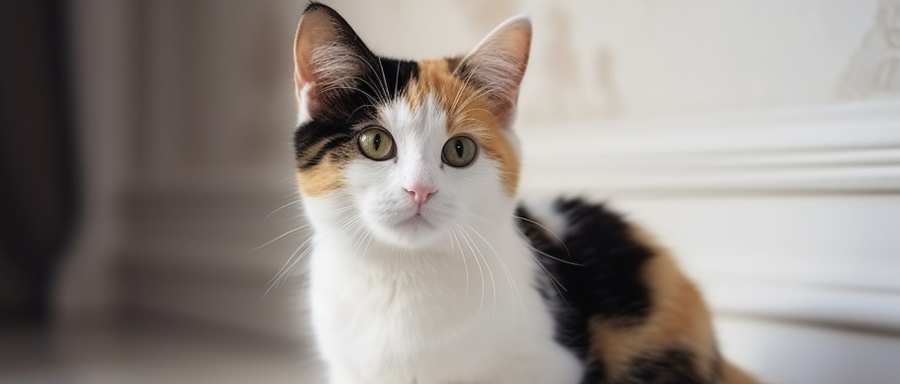
Research suggests that cats exhibit higher problem-solving skills and adaptability than rabbits, making them generally smarter.
Cats and rabbits are two of the most beloved pets around the world. They both have unique characteristics and behaviors that endear them to their owners. Yet, one question often arises among pet enthusiasts: Are cats smarter than rabbits? This question invites a fascinating exploration into animal intelligence, behavior, and the unique cognitive abilities of these two species.
The Nature of Intelligence in Animals
Intelligence in animals can be a tricky concept to define. It varies widely across species and can manifest in numerous ways, from problem-solving abilities to social interactions. In the animal kingdom, intelligence is often measured through various criteria such as adaptability, learning capability, memory, and even emotional understanding.
Cats are known for their keen problem-solving skills. They can navigate complex environments, learn from experiences, and even manipulate their surroundings to achieve desired outcomes. On the other hand, rabbits are more instinct-driven creatures. Their intelligence is primarily geared toward survival—finding food, evading predators, and socializing within their groups.
Understanding these different forms of intelligence can help clarify the question of whether cats are indeed smarter than rabbits.
Cognitive Abilities of Cats
Cats possess a remarkable set of cognitive abilities that set them apart from many other animals. Their brains are structured similarly to those of humans; in fact, cat brains share about 90% of the same genes as human brains. This genetic similarity plays a role in their advanced problem-solving skills.
One notable aspect of feline intelligence is their ability to learn through observation. Cats have been observed watching their owners perform tasks and then attempting to replicate those actions themselves. This observational learning is a key indicator of intelligence.
Moreover, cats display an impressive memory capacity. They can remember locations of food sources or hiding spots for extended periods. A study conducted by animal behaviorists found that cats could recall information for up to 16 hours after learning it—an impressive feat compared to many other animals.
Social Intelligence
While cats are often seen as solitary creatures, they exhibit social intelligence that is quite remarkable. They communicate with humans through vocalizations and body language, displaying an understanding of human emotions and reactions. For instance, many cat owners report that their pets seem to know when they’re feeling down or stressed; they may curl up next to them or engage in playful antics to lift their spirits.
Cats also form social bonds with other pets in the household. They engage in play behavior that fosters connection and mutual understanding among fellow animals. This ability to form relationships is another indicator of their social intelligence.
Cognitive Abilities of Rabbits
Rabbits also possess a distinct set of cognitive abilities tailored to their survival needs. Their intelligence may not be as evident as that of cats due to different evolutionary pressures; however, they are intelligent creatures in their own right.
Rabbits excel at spatial awareness and navigation skills. They can remember complex mazes and find their way back home even after being relocated several times—a necessary skill for avoiding predators in the wild.
Another fascinating aspect of rabbit intelligence is their ability to communicate with one another through body language and vocalizations. They use various sounds and postures to express emotions such as fear or excitement. This communication skill showcases an understanding of social dynamics within rabbit communities.
Learning Capabilities
Rabbits can also learn commands and tricks similar to dogs or cats when trained properly. With patience and positive reinforcement techniques like treats or praise, they can learn behaviors such as jumping through hoops or using litter boxes effectively.
However, unlike cats who often learn by observing others, rabbits tend to rely more on direct training methods due to their instinctual behaviors surrounding safety and survival.
Comparative Analysis: Problem-Solving Skills
To dive deeper into whether cats are smarter than rabbits regarding problem-solving skills, we can analyze specific scenarios where both animals demonstrate cognitive prowess.
For instance, consider a puzzle box designed for pets where food is hidden inside but requires manipulation to access it. Cats typically excel at this task; they quickly figure out how to open the box using various techniques such as pawing or nudging it until they succeed in reaching the treat inside.
On the flip side, rabbits may struggle with such puzzles initially but might eventually learn how to solve them through trial-and-error methods over time—demonstrating persistence rather than immediate success like cats do.
Here’s a quick comparison table summarizing these findings:
| Criteria | Cats | Rabbits |
|---|---|---|
| Problem-Solving Skills | High; quick learners using observation | Moderate; rely on trial-and-error methods |
| Memory Retention | Up to 16 hours for learned tasks | Good spatial memory for navigation |
| Social Intelligence | Able to understand human emotions; form bonds | Communicate effectively within groups; express emotions |
| Learning Techniques | Observational learning; mimicry | Direct training with positive reinforcement required |
This table illustrates some key differences between feline and rabbit intelligences based on observable behaviors and capabilities.
The Role of Environment on Intelligence Development
The environment plays a crucial role in shaping an animal’s intelligence over time. Cats raised in stimulating environments with interactive toys tend to develop better problem-solving skills compared to those kept in less engaging settings. Similarly, rabbits exposed to various terrains will demonstrate improved navigation capabilities than those confined indoors without ample space for exploration.
Both species benefit significantly from enriched environments—places filled with opportunities for mental stimulation through toys or social interactions with humans or other pets alike.
The Importance of Socialization/h3
Socialization also influences cognitive development significantly across both species’ lives—especially during early developmental stages when brain plasticity allows maximum adaptability towards learning new things quickly!
Cats exposed early on (around 2-9 weeks) may become more adept at interacting positively with people while developing greater confidence levels overall! In contrast, if not adequately socialized during this crucial period (like being isolated), it could lead them down paths where fearfulness dominates instead!
For rabbits too—proper interactions during formative months ensure they grow up friendly towards humans while developing essential communication skills necessary for bonding later on!
The Debate: Are Cats Smarter Than Rabbits?
The question remains: Are cats smarter than rabbits? The answer isn’t straightforward since “intelligence” manifests differently across species based on evolutionary adaptations unique unto themselves! While felines demonstrate superior problem-solving abilities alongside stronger observational learning capacities—it doesn’t diminish what makes bunnies special!
Rabbits exhibit incredible spatial awareness coupled with effective communication skills within groups showcasing emotional depth! Each animal thrives under specific conditions tailored toward enhancing its unique strengths rather than competing against one another directly!
Ultimately assessing “smartness” requires acknowledging these nuanced differences while appreciating each creature’s value!
Cultural Perceptions/h3
Cultural perceptions also influence how we view pet intelligence! Felines have long held positions synonymous with independence & cunningness portrayed throughout literature & folklore alike! Meanwhile—rabbits often symbolize innocence & vulnerability yet showcase resilience amidst adversity!
These interpretations affect our expectations surrounding behavioral traits exhibited by both species leading us down paths where comparisons arise frequently without considering underlying intricacies involved therein!
Conclusion – Are Cats Smarter Than Rabbits?
In conclusion—while evidence suggests that cats possess higher problem-solving capabilities along with advanced observational learning techniques compared against rabbits—it’s essential not merely reduce complexities into simplistic binaries! Each creature brings forth its own set advantages shaped by evolutionary circumstances ensuring survival amidst diverse habitats encountered throughout history!
So rather than fixating solely upon whether one outshines another—we ought celebrate diversity among our beloved furry companions embracing what makes them uniquely intelligent beings deserving love & respect unconditionally!