
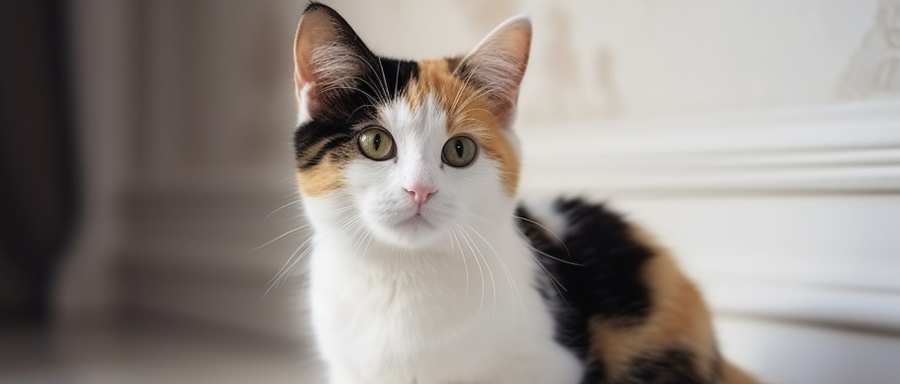
Cats can be ticklish on their feet, though reactions vary by individual cat.
Cats are fascinating creatures, filled with quirks and unique behaviors that often leave us wondering about their inner thoughts and feelings. One of the more curious aspects of feline behavior is whether cats can be ticklish on their feet. This question sparks a blend of curiosity and amusement among cat lovers. Understanding feline sensitivity, especially in their paws, requires delving into the anatomy and psychology of our furry friends.
The Anatomy of a Cat’s Paw
Cats possess a highly specialized paw structure that allows them to navigate various terrains with grace and stealth. Each paw consists of several components: the pads, claws, and bones. The pads are soft and provide cushioning, while the claws are retractable, aiding in climbing and hunting.
The paw pads contain numerous nerve endings, making them sensitive to touch. This sensitivity is crucial for a cat’s survival; it helps them detect changes in their environment, find prey, or avoid danger. The intricate design of a cat’s foot means that even light touches can elicit strong reactions.
A closer look at a cat’s paw reveals the following:
| Component | Description |
|---|---|
| Paw Pads | Soft, fleshy parts that provide cushioning and traction. |
| Claws | Retractable sharp extensions used for hunting and climbing. |
| Nerve Endings | High concentration makes paws sensitive to touch. |
| Digital Bones | Support the structure of the paw and aid in movement. |
This sensitivity raises an interesting question: Are cats ticklish on their feet? The answer isn’t straightforward since it can depend on the individual cat’s personality and past experiences.
Understanding Ticklishness in Cats
Ticklishness in animals often relates to their instinctual responses to being touched. In humans, being tickled usually leads to laughter or squirming; however, for cats, it might trigger different reactions such as purring, playful swatting, or even withdrawal.
Cats have distinct personalities. Some may enjoy gentle touches on their paws while others might find it uncomfortable or even threatening. It’s essential to approach this subject with an understanding that each cat is unique.
Some cats exhibit signs of enjoyment when their paws are gently stroked, while others might pull away or show signs of irritation. This variability can be attributed to several factors:
- Past Experiences: A cat that has had negative experiences involving its paws may be more sensitive.
- Socialization: Kittens that are handled gently during their early development stages may be more tolerant of touch.
- Individual Personality: Just like humans, some cats are more playful or tolerant than others.
The Role of Playfulness in Ticklishness
Playfulness is often linked to how cats respond to being touched. Kittens are particularly playful and may react positively when their paws are touched during playtime. They might kick back playfully or engage in mock fighting as a way to express joy.
Observing a cat during playtime can reveal much about its comfort level with physical touch. When engaged in play, many cats exhibit behaviors such as rolling over or exposing their bellies—signs that they feel safe and relaxed.
However, it’s crucial to note that not all playful interactions will lead to ticklish responses. Some cats may become overstimulated quickly during playtime, leading them to retreat when touched unexpectedly.
Signs That Indicate Sensitivity
Identifying if a cat is ticklish on its feet involves closely observing its behavior when touched. Here are some signs that indicate sensitivity:
- Purring: If a cat purrs while having its paws stroked gently, it could indicate contentment.
- Kicking: A playful kick back might suggest enjoyment.
- Withdrawal: Pulling away or hiding its paws could signal discomfort.
- Vocalizations: Meowing or growling could indicate displeasure with being touched.
Understanding these signals allows for better interactions with cats regarding touch sensitivity.
Caring for Your Cat’s Paws
Regardless of whether your cat enjoys having its feet touched or not, maintaining paw health is essential. Regular checks can help prevent issues like dirt buildup between toes or nail overgrowth.
Here are some tips for caring for your cat’s paws:
1. Regular Inspection: Check for any cuts or foreign objects lodged between pads.
2. Nail Trimming: Keep claws trimmed to prevent injury.
3. Cleaning: Wipe down paws after outdoor excursions to remove dirt.
4. Moisturizing: If pads appear dry or cracked, consider using pet-safe moisturizers.
Maintaining healthy paws contributes significantly to a cat’s overall well-being.
The Science Behind Ticklishness
Ticklishness itself has been studied extensively in various species but remains less understood in felines compared to humans and other mammals. Researchers suggest that ticklishness serves as an evolutionary function; it helps animals develop social bonds through playful interactions while also serving as a defense mechanism against potential threats.
For cats specifically, certain areas of the body—like the belly and sides—are known hotspots for sensitivity due to high concentrations of nerve endings. However, the feet also hold this trait due to their role in mobility and survival instincts.
While some studies focus primarily on human responses to tickling stimuli, parallels can be drawn regarding how animals respond similarly yet differently based on evolutionary adaptations. In essence:
- Humans often laugh when tickled due to social bonding cues.
- Cats may exhibit varied responses based on comfort levels with touch rather than laughter.
This difference highlights how species have adapted differently concerning tactile stimuli throughout evolution.
The Impact of Environment on Sensitivity
A cat’s environment plays a significant role in shaping its behavior towards touch and sensitivity levels overall. Factors such as living conditions (indoor vs outdoor), presence of other pets, and human interaction frequency can influence how comfortable a cat feels when being touched—especially around sensitive areas like the feet.
Cats raised in environments where they receive regular handling from humans tend to be more accustomed to touch than those who have had limited socialization experiences. This learned behavior shapes how they respond during interactions later in life.
For instance:
- An indoor-only cat accustomed to frequent petting may enjoy gentle touches on its paws.
- A feral cat may view any form of touch as threatening due to lack of exposure.
Understanding these nuances helps foster better relationships between humans and felines alike by promoting positive interactions based on each individual’s history and comfort level with physical contact.
Conclusion – Are Cats Ticklish On Their Feet?
The answer lies within each individual feline personality; some cats revel in gentle touches while others prefer solitude regarding foot contact. Observing behavior patterns provides insight into whether your particular kitty finds delight—or discomfort—in having its precious paws interacted with.
Ultimately nurturing trust through positive experiences leads toward healthier relationships between humans and our furry companions! Understanding if “Are Cats Ticklish On Their Feet?” applies requires patience—each interaction offers valuable lessons about what makes each unique creature feel safe versus threatened!
In summary:
- Sensitivity varies widely among felines based on numerous factors including past experiences.
- Playfulness influences reactions considerably during tactile engagements.
- Regular care ensures optimal health regardless if they enjoy being touched!