
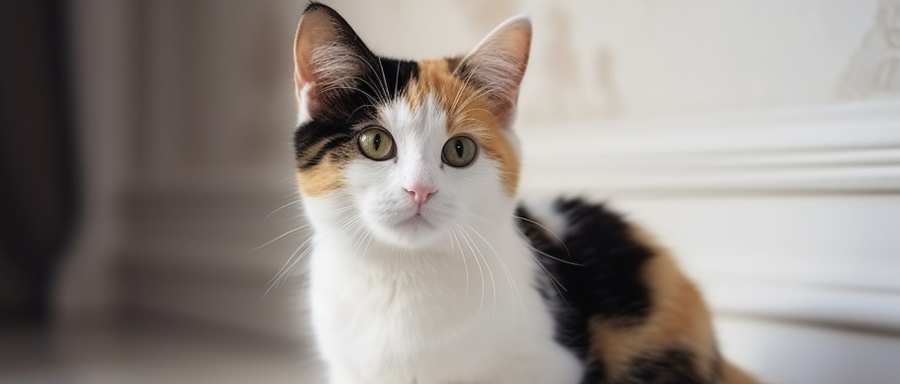
Feeding your cat the right foods can help promote regular bowel movements and overall digestive health.
Cats, like many animals, require a balanced diet to maintain their health and well-being. One crucial aspect of that health is ensuring they have regular bowel movements. It’s not just about keeping things tidy; a cat’s digestive health can significantly impact its overall health. Understanding what foods will make my cat poop can help manage any digestive issues and keep my feline friend comfortable.
The Importance of Digestive Health in Cats
Digestive health plays a vital role in a cat’s overall well-being. A healthy gut ensures that nutrients from food are absorbed efficiently, waste is eliminated properly, and the immune system functions optimally. Cats are obligate carnivores, meaning their diet primarily consists of meat. However, this doesn’t mean they don’t need fiber or other nutrients to support digestion.
Fiber is essential for moving food through the intestines and preventing constipation. A lack of fiber can lead to hard stools, which can be painful for cats to pass. On the other hand, too much fiber can cause diarrhea. Therefore, finding the right balance is crucial.
Common Causes of Constipation in Cats
Before diving into the foods that can help with bowel movements, it’s helpful to understand what might cause constipation in cats. Several factors contribute to this issue:
1. Dehydration: If a cat doesn’t drink enough water, it can lead to hard stools.
2. Lack of Exercise: Sedentary lifestyles can slow down digestion.
3. Dietary Choices: Low-fiber diets may not provide enough bulk for proper elimination.
4. Health Issues: Conditions like megacolon or tumors can obstruct the intestines.
5. Medications: Certain medications may have side effects that affect bowel movements.
Recognizing these factors helps in choosing the right foods to promote healthy digestion.
Foods That Promote Regular Bowel Movements
When considering what foods will make my cat poop, several options stand out for their effectiveness in promoting regularity and ensuring a healthy digestive tract.
High-Fiber Foods
Fiber is crucial for maintaining healthy digestion. Here are some high-fiber options:
- Pumpkin: Canned pumpkin (not the spiced pie filling) is an excellent source of fiber and moisture. Just a tablespoon added to meals can help regulate bowel movements.
- Psyllium Husk: This natural fiber supplement can be mixed into food to aid in digestion.
- Green Beans: These are low-calorie treats that provide fiber without excessive calories.
- Carrots: Cooked carrots can also be beneficial as they offer both fiber and vitamins.
Including these foods in a cat’s diet can significantly improve digestive health.
Moisture-Rich Foods
Hydration plays a key role in digestion. Moisture-rich foods help soften stools and promote regularity:
- Wet Cat Food: Canned food typically contains more moisture than dry kibble, which helps with hydration.
- Broth-Based Soups: Homemade broths (without onions or garlic) can be an excellent way to add moisture to a cat’s diet.
Incorporating these foods keeps cats hydrated while also providing essential nutrients.
Protein Sources
Cats need protein for energy and muscle maintenance, but some protein sources are easier on their digestive systems:
- Chicken and Turkey: Lean meats provide quality protein without being too rich.
- Fish: Fish like salmon or sardines offer omega-3 fatty acids beneficial for overall health but should be given in moderation due to their richness.
These proteins should be cooked without seasoning to avoid harmful additives.
Probiotics and Prebiotics
Probiotics help maintain gut flora balance while prebiotics serve as food for beneficial bacteria:
- Yogurt: Plain yogurt (without artificial sweeteners) contains probiotics that aid digestion.
- Fermented Foods: Small amounts of fermented vegetables like sauerkraut (without salt) can also provide beneficial bacteria.
Adding these items supports gut health and promotes regularity.
Homemade Diets for Cats
For those interested in preparing homemade meals for their cats, it’s essential to ensure these diets are balanced and nutritious:
A Simple Homemade Recipe
Here’s a straightforward recipe that incorporates many of the above elements:
| Ingredient | Quantity |
|---|---|
| Cooked Chicken (shredded) | 1 cup |
| Canned Pumpkin | 1/4 cup |
| Cooked Green Beans (chopped) | 1/4 cup |
| Psyllium Husk Powder | 1 tsp |
| Plain Yogurt | 1 tbsp (optional) |
Mix all ingredients together until well combined. This meal provides protein, fiber, and probiotics that support digestive health.
The Role of Commercial Cat Foods
Not all commercial cat foods are created equal when it comes to supporting digestive health. It’s crucial to choose high-quality brands that prioritize nutrition:
Selecting Quality Cat Food
1. Look for High Protein Content: The first ingredient should ideally be meat or fish.
2. Check Fiber Content: Foods with added fiber sources like beet pulp or pumpkin are preferable.
3. Avoid Fillers: Stay away from products with excessive grains or artificial additives.
Reading labels carefully helps ensure that the chosen food supports healthy digestion while addressing what foods will make my cat poop regularly.
The Importance of Regular Vet Check-ups
Regular veterinary visits play an essential role in maintaining a cat’s overall health, including its digestive system. A veterinarian can identify any underlying issues contributing to constipation or irregular bowel movements. They may recommend dietary changes or supplements tailored specifically to my cat’s needs based on age, weight, and any pre-existing conditions.
Additionally, if constipation becomes a chronic issue despite dietary adjustments, further investigation may be necessary to rule out more serious conditions such as megacolon or intestinal blockages.
Signs of Digestive Issues in Cats
Being observant about changes in behavior or litter box habits is crucial for identifying potential problems early on:
- Straining During Defecation: If my cat appears uncomfortable while trying to go, it may indicate constipation.
- Reduced Appetite: A sudden drop in appetite could signal digestive distress.
- Vomiting or Lethargy: These symptoms often accompany gastrointestinal issues and warrant immediate attention from a vet.
By recognizing these signs early on, I can take action before issues escalate into more significant problems.
Conclusion – What Foods Will Make My Cat Poop?
Understanding what foods will make my cat poop involves recognizing the importance of balanced nutrition tailored specifically for feline needs. High-fiber foods such as pumpkin and green beans promote regularity while moisture-rich options like wet food support hydration—both critical components of digestive health.
Incorporating quality protein sources along with probiotics ensures my kitty maintains optimal gut flora balance while enjoying tasty meals designed just for them. Regular vet check-ups allow me to monitor any changes effectively while establishing a solid foundation for long-term digestive wellness—keeping my furry friend happy and healthy!