
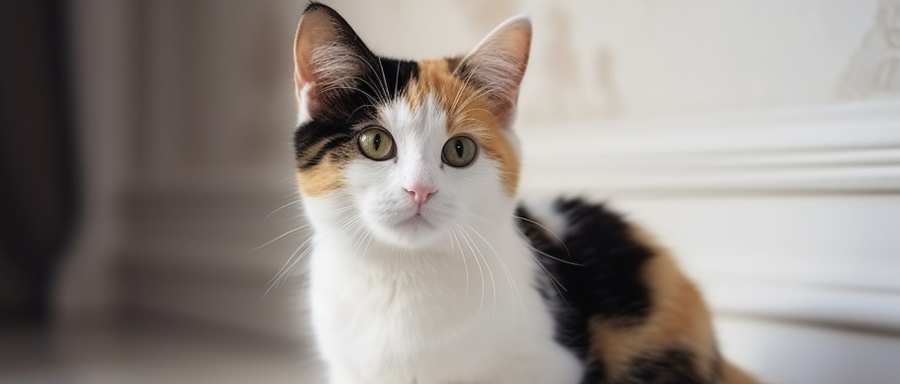
Dipladenia plants are not toxic to cats, making them safe for your furry friends.
Dipladenia, often admired for its vibrant blooms and lush foliage, is a popular choice among plant enthusiasts. These tropical beauties add a splash of color to gardens and homes alike. However, pet owners frequently find themselves asking an important question: Are Dipladenia Poisonous To Cats? Understanding the safety of plants in relation to our beloved pets is crucial for any responsible pet owner.
The short answer is reassuring—Dipladenia is not considered toxic to cats. This means that if a curious feline decides to take a nibble on the leaves or flowers of this plant, it is unlikely to suffer any serious health consequences. However, that doesn’t mean there aren’t other factors to consider when introducing this plant into your home.
Understanding Dipladenia
Dipladenia, also known as Mandevilla, belongs to the Apocynaceae family. It’s a perennial flowering vine native to Central and South America. With its glossy green leaves and trumpet-shaped flowers in hues of pink, red, and white, it’s no wonder that this plant has become a favorite among gardeners.
The plant thrives in warm climates and prefers full sun exposure. It can be grown in pots or directly in the ground, making it versatile for various gardening styles. One of the most appealing aspects of Dipladenia is its ability to bloom continuously throughout the summer months, providing a vibrant display that can enhance any outdoor space.
While it’s essential to appreciate the beauty of Dipladenia, understanding its characteristics and care requirements will ensure it remains healthy in your home or garden.
Growth Conditions
To keep your Dipladenia thriving, several growth conditions must be met:
- Light: Dipladenia loves sunlight! It flourishes best in full sun conditions but can tolerate partial shade.
- Watering: Regular watering is crucial. The soil should be moist but not soggy. Overwatering can lead to root rot.
- Soil: A well-draining potting mix is ideal. A combination of potting soil with perlite or sand works wonders.
- Fertilization: During the growing season (spring and summer), using a balanced fertilizer every couple of weeks will promote healthy growth.
These conditions make it relatively easy to grow Dipladenia indoors or outdoors as long as you provide the necessary care.
Common Concerns with Houseplants
Even though Dipladenia is safe for cats, many pet owners have valid concerns about houseplants and their potential toxicity. It’s not uncommon for curious cats to explore their environments by chewing on leaves or flowers. Therefore, understanding which plants are safe and which are harmful becomes vital.
Some plants contain compounds that can be toxic if ingested by pets. Symptoms of poisoning may include vomiting, diarrhea, lethargy, or even more severe reactions depending on the type of plant consumed. It’s always wise to research before introducing new greenery into a pet-friendly home.
Comparison Table: Toxic vs Non-Toxic Plants
To further clarify which common household plants are safe for cats versus those that are toxic, here’s a comparative table:
| Plant Name | Toxicity Level |
|---|---|
| Dipladenia | Non-Toxic |
| Lily | Toxic |
| Pothos | Toxic |
| Bamboo Palm | Non-Toxic |
| Aloe Vera | Toxic |
| Spathiphyllum (Peace Lily) | Toxic |
This table highlights just a few examples; many other plants fall into either category. Keeping track of which plants are safe can help prevent accidental ingestion by pets.
The Importance of Monitoring Pet Behavior Around Plants
Even with non-toxic plants like Dipladenia in your home, monitoring pet behavior around them remains essential. Cats are naturally curious creatures; they love exploring their environments through touch and taste. While they may not be at risk from eating Dipladenia specifically, they could still experience mild gastrointestinal upset from consuming large amounts of any plant material.
If you notice your cat showing an unusual interest in your houseplants—sniffing them excessively or attempting to chew on them—it might be wise to discourage this behavior gently. Providing alternative forms of entertainment such as cat grass or engaging toys can help redirect their curiosity away from your beautiful plants.
Signs Your Cat May Be Unwell After Eating Plants
If there’s ever doubt about what your cat has ingested or if they show signs of distress after interacting with houseplants—regardless if they’re deemed non-toxic—it’s crucial to pay close attention to their behavior:
- Vomiting: Occasional vomiting might be normal but frequent occurrences warrant concern.
- Diarrhea: Loose stools can indicate gastrointestinal upset.
- Lethargy: If your usually active cat seems unusually tired or sluggish.
- Loss of Appetite: A sudden disinterest in food could signal an issue.
If any concerning symptoms arise after interaction with houseplants, consulting with a veterinarian promptly ensures that potential health issues are addressed quickly.
Caring for Your Dipladenia Plant Safely Around Pets
Creating a pet-friendly environment while caring for beautiful houseplants involves some strategic planning. Here are some practical tips on how to maintain both:
- Placement: Positioning your Dipladenia out of reach from curious paws can help prevent unwanted nibbling.
- Training: Teaching your cat boundaries regarding houseplants may take time but can be effective.
- Distraction Techniques: Providing designated areas for playtime away from plants helps redirect their attention.
By implementing these strategies, it becomes easier to enjoy both beautiful greenery and the company of beloved pets without worry.
The Benefits of Having Houseplants Like Dipladenia
Incorporating houseplants into living spaces offers numerous benefits beyond aesthetics:
1. Air Quality Improvement: Many indoor plants help purify air by absorbing toxins and releasing oxygen.
2. Stress Reduction: Studies have shown that being around greenery can reduce stress levels and promote relaxation.
3. Enhanced Mood: The presence of vibrant flowers like those found on Dipladenia can elevate one’s mood significantly.
4. Connection with Nature: Having plants indoors fosters a sense of connection with nature even within urban settings.
These advantages make having plants like Dipladenia worthwhile despite concerns about pet safety.
Conclusion – Are Dipladenia Poisonous To Cats?
In summary, Are Dipladenia Poisonous To Cats? The answer is clear—these stunning plants pose no toxicity risk for felines! However, responsible pet ownership entails more than just knowing whether specific plants are safe; it requires ongoing vigilance regarding pet behavior around all houseplants.
By understanding how to care for both your pets and your plants effectively while ensuring each remains happy and healthy within shared spaces leads ultimately towards harmonious living arrangements filled with beauty and companionship alike!